Skip to content

Australian Solar Compliance: How to Import Custom Panels From China With Certified Connectors?
Many importers ignore connector certification. Later projects fail approval, installers reject equipment, and shipments get delayed. These issues damage trust and cost money.
From my experience, understanding Australian connector certification means checking local standards, verifying documents, preventing customs risks, and selecting compliant suppliers before production starts.
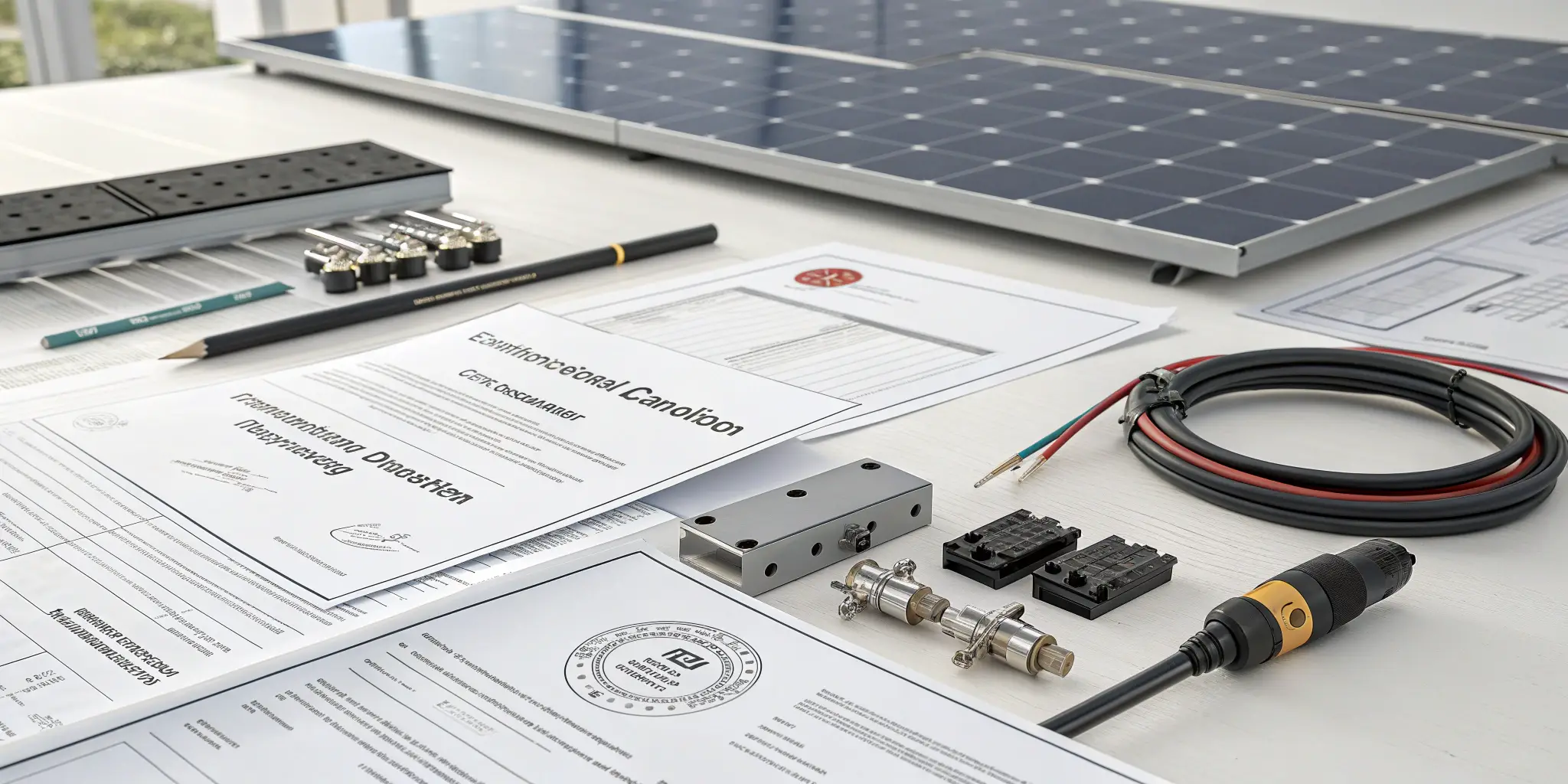
%[solar certification documents and connectors on desk, PV compliance paperwork and cables](https://rayenrg.com/wp-content/uploads/2026/02/connector-certification-1.webp solar certification)
I treat connectors as regulated safety components when exporting to Australia. I prepare documentation early and align suppliers with local standards. That approach reduces inspection problems and protects long-term business relationships.
How do I check local requirements?
Confusion about local rules causes delays. I always confirm requirements before finalizing specifications.
Understanding Australian requirements1 means reviewing installation standards2, rebate eligibility, and system compliance expectations.

Reviewing national installation standards
I begin with installation and wiring rules. Australian PV systems must follow local standards governing DC components and labeling.
I study these areas:
- Connector compatibility
- Cable insulation requirements
- Component selection rules
I confirm that my product design aligns with installer expectations.
| Requirement Area | My Verification Focus | Why I Check |
|---|---|---|
| Wiring rules | Connector suitability | Installation approval |
| Labeling | Cable identification | Inspection clarity |
| Component rating | Voltage and current limits | Safety compliance |
Understanding rebate and approval pathways
I review eligibility conditions for incentives. Panels must meet recognized international testing standards and appear on approved lists.
I verify:
- Module test compliance
- Documentation availability
- Serial tracking readiness
These checks protect project acceptance.
Monitoring regulatory updates
Standards evolve. I track changes through:
- Industry publications
- Certification bodies
- Installer feedback
This habit helps me avoid outdated specifications.
Are some certificates mandatory?
Uncertainty about certification causes shipment or installation rejection. I verify requirements early.
Mandatory certification depends on product category and use case, but recognized test compliance and documentation are essential.
%[engineer reviewing technical paperwork in lab, solar quality documentation](https://rayenrg.com/wp-content/uploads/2026/02/certification-documents-3.webp solar documentation)
Connector certification expectations
Connectors must meet recognized safety and performance standards. Certification must match the exact model.
I confirm:
- Test reports
- Certification numbers
- Model consistency
| Certificate Type | Role |
|---|---|
| Safety certification | Electrical reliability |
| Test report | Performance verification |
| Model listing | Traceability |
Equipment compliance integration
Connectors are evaluated as part of system installation. Non-certified parts risk project rejection.
I ensure:
- Matching connector specifications
- Consistent documentation
- Approved component combinations
Warranty and insurance considerations
Certification impacts financial protection.
Installers and insurers expect:
- Verified safety components
- Consistent model records
- Reliable documentation
This step protects both buyers and project owners.
How do I prevent customs issues3?
Unexpected documentation gaps delay shipments. I prepare paperwork before export.
Preventing customs issues requires aligning product declarations, certificates, and product descriptions.
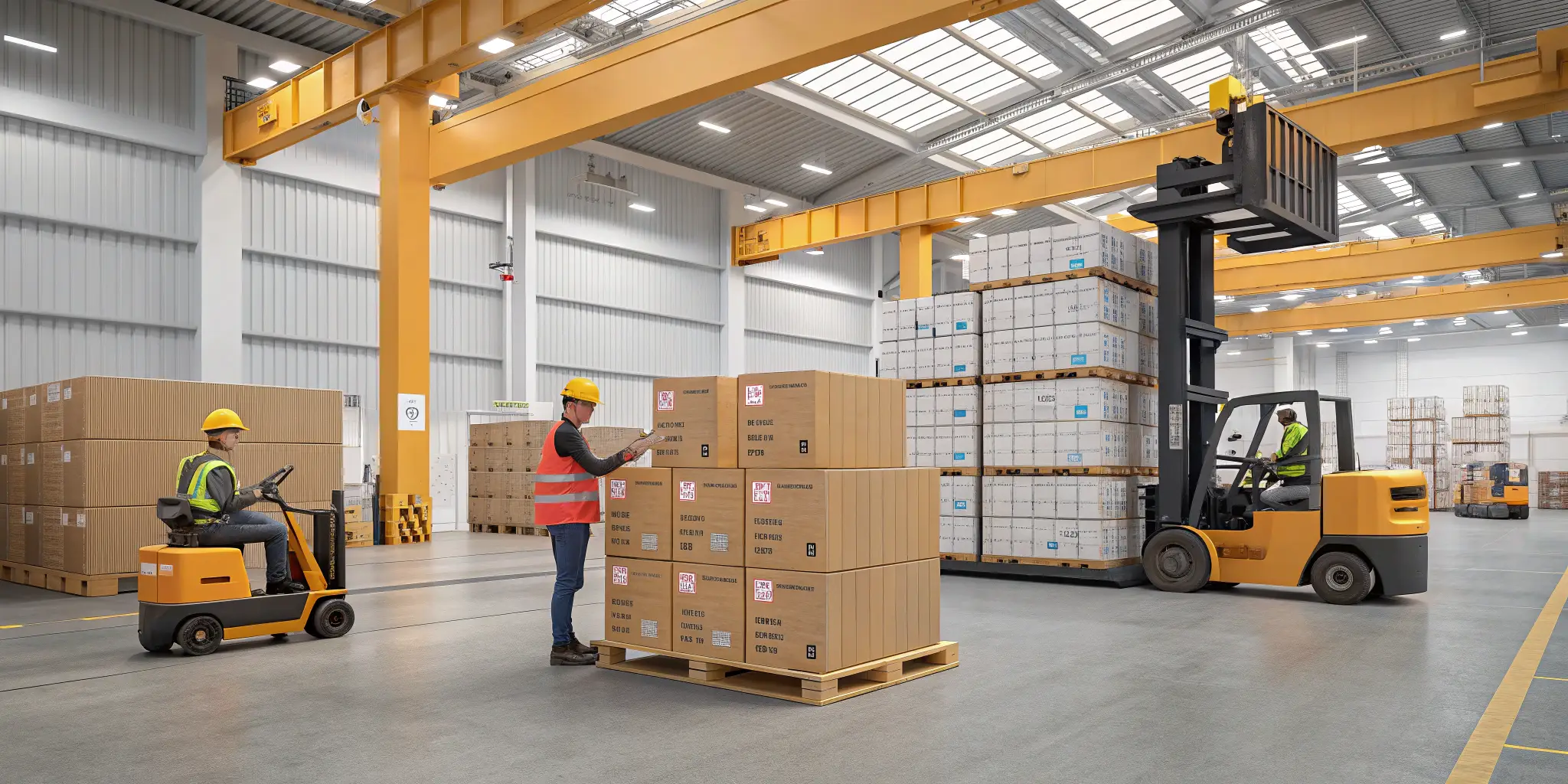
Preparing import documentation4
I organize:
- Certificates
- Technical datasheets
- Product descriptions
I keep records accessible for inspections.
| Document | Purpose |
|---|---|
| Import declaration | Legal entry |
| Compliance reports | Safety verification |
| Datasheets | Specification confirmation |
Aligning product classification
I ensure product classification matches shipment description. Incorrect declarations create delays.
I double-check:
- Connector descriptions
- Product categories
- Harmonized codes
Reducing inspection risk
I communicate clearly with suppliers about documentation accuracy. I also confirm labeling and packaging details.
These steps minimize:
- Rejections
- Extra fees
- Shipment holds
How do I select reliable suppliers?
Supplier selection determines certification success. I assess partners carefully.
Reliable suppliers5 demonstrate transparency, documentation readiness, and compliance experience.
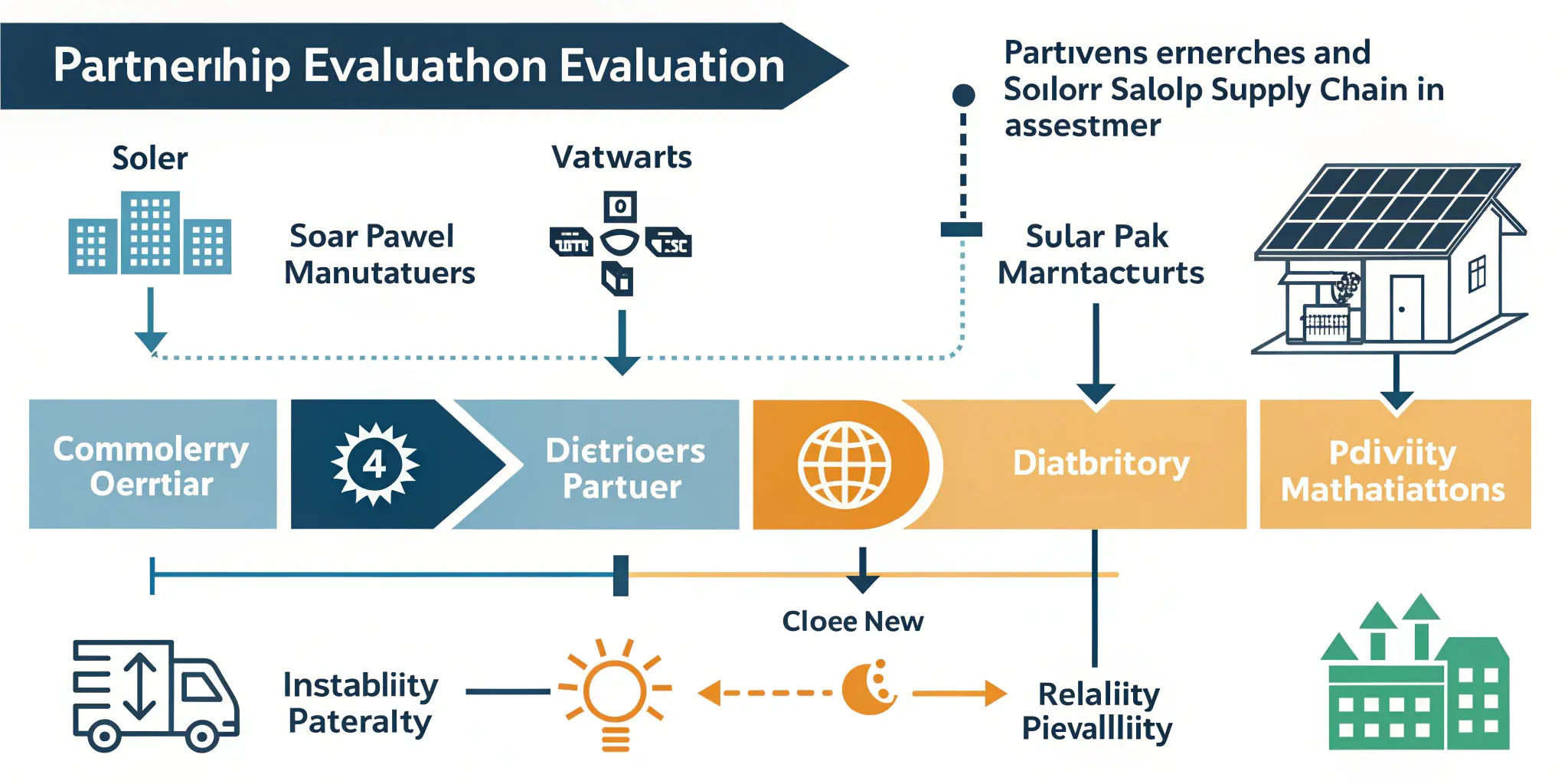
Evaluating supplier experience
I ask suppliers about previous exports to Australia.
I check:
- Export history6
- Certification familiarity
- Documentation quality
| Evaluation Item | Indicator |
|---|---|
| Export record | Market experience |
| Certificate control | Process maturity |
| Communication | Reliability |
Verifying documentation control
I request sample documentation sets before ordering.
I confirm:
- Certificate accuracy
- Model traceability
- Consistent data formatting
This confirms professional process management.
Building long-term cooperation
I maintain ongoing dialogue with suppliers. I explain certification expectations early.
I align:
- Specifications
- Documentation
- Testing requirements
That approach builds trust and improves consistency.
Conclusion
From my experience, connector certification determines approval success in Australia. I always verify requirements, documentation, customs alignment, and supplier capability before importing custom solar panels.
-
Understanding Australian requirements is crucial for compliance and successful project execution. ↩
-
Exploring installation standards ensures your solar project meets safety and regulatory expectations. ↩
-
Understanding customs issues can help you streamline your shipping process and avoid costly delays. ↩
-
Exploring import documentation will provide insights into compliance and efficiency in global shipping. ↩
-
Understanding the traits of reliable suppliers can enhance your selection process and ensure successful partnerships. ↩
-
Exploring the significance of export history can help you assess supplier reliability and market experience effectively. ↩