 Skip to content

What is the best shipping method when importing genuine Stäubli PV connectors from China?
I know how stressful it feels when I must choose the right transport method and I worry about delays, damage, or extra cost.
The best shipping method depends on shipment size, urgency, and cost. Small urgent orders work best by air or courier, while large non-urgent orders fit sea freight to save money.
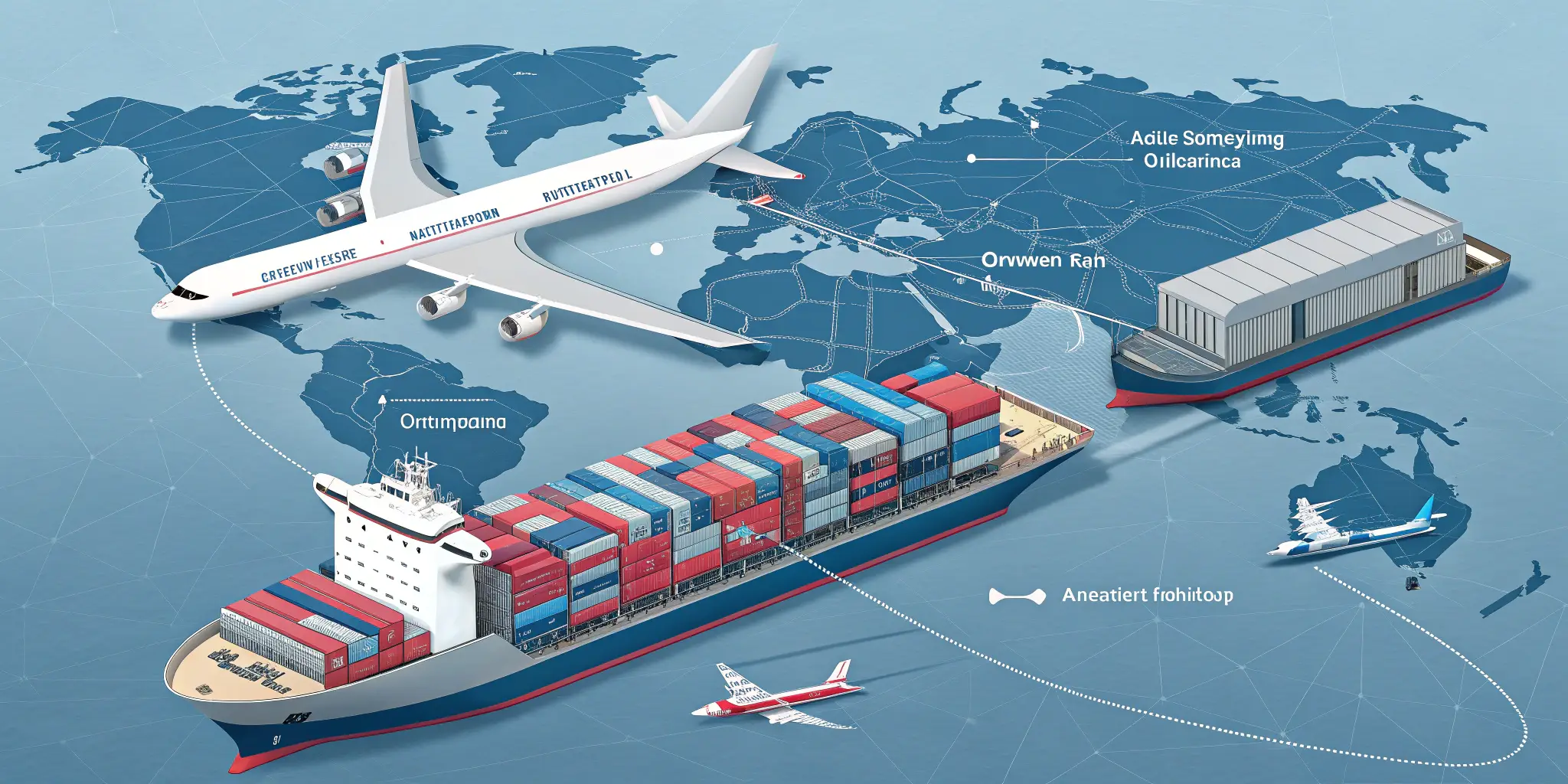
I want to walk you through how I look at speed, cost, safety, and shipment size so you can avoid mistakes and choose the right option for each order.
Should I choose air freight1, sea freight2, or a combination?
I know many buyers feel confused when they face these choices because each option looks useful but also risky.
Air freight works well for urgent or small shipments. Sea freight works well for large, stable orders. A mixed plan helps when you need part of the goods fast and the rest at a lower cost.
Understanding how each method fits real PV connector orders
When I import genuine Stäubli connectors3, I think in simple steps. I look at urgency, volume, and the total cost if something arrives late. Stäubli connectors are small, compact, and high value. This means I can move them in many ways, but not every way makes sense. I want each buyer to avoid paying more than needed or waiting longer than expected, so I break the decision into clear ideas.
1. When air freight is the smartest choice
Air freight makes sense when I need stock fast. Many distributors choose this method when they face low inventory or when a project deadline is close. Air freight keeps the connectors safe because they stay in controlled environments, and the handling steps are fewer. I also use air freight when I handle orders under 200–300 kg because the total price is still reasonable. Sometimes a customer only needs a few hundred sets or a few boxes, and fast arrival prevents installation stoppage. In these cases, air freight creates real value because speed brings down the hidden cost of project delay4.
2. When sea freight is the cost-effective option
Sea freight is the most efficient choice for large shipments. This usually applies when a buyer orders thousands of sets, multiple series, or full batches for seasonal stock preparation. The cost per unit is low, and freight charges stay stable. The only downside is the transit time. I always recommend this option when the buyer knows their demand pattern and can plan in advance. Project developers who purchase in bulk often rely on sea freight because they want the lowest landed cost. The cartons stay safe when packed well, and sealed containers reduce handling mistakes.
3. When a mixed air + sea plan5 works better
Sometimes a buyer needs both speed and low cost. In these cases, I split the shipment. I ship one small urgent part by air so the project can start work. Then I move the rest by sea to cut down cost. This method works well for utility projects or wholesalers who want to avoid stockouts but also want to protect profit. I often use this plan during peak installation seasons when shipment timing matters more than usual.
Table: When to choose each method
| Method | Best For | Pros | Cons |
|---|---|---|---|
| Air Freight | Urgent or small orders | Fast, safe, predictable | High cost |
| Sea Freight | Large non-urgent orders | Low cost, stable | Slow |
| Courier | Samples or very small orders | Simple, direct | Expensive per kg |
| Mixed Plan | Partial urgent needs | Balanced speed + cost | Coordination needed |
Each method has its place. I choose based on speed, safety, and the hidden cost of delay. This helps me make steady, low-risk decisions for every Stäubli connector shipment.
How does shipment size6 affect the choice of transport?
Many buyers worry because they do not know which volume level triggers higher cost or slower delivery.
Small shipments fit courier7 or air. Medium shipments fit air or LCL sea8. Large shipments work best with FCL sea9 to reduce cost per unit.
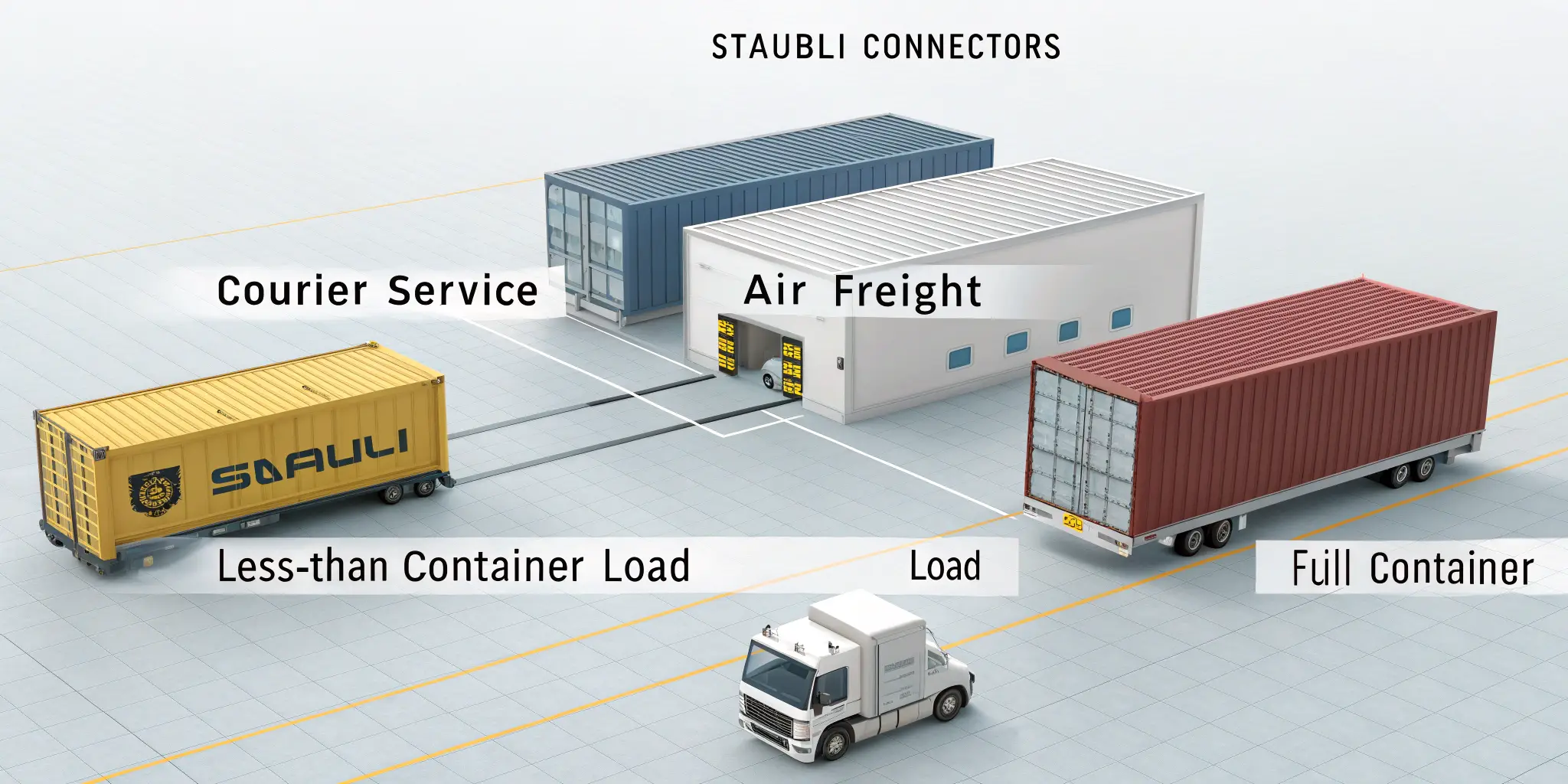
How volume changes freight strategy10 for Stäubli PV connectors
Shipment size plays a huge role because Stäubli connectors are compact but still heavy when grouped. I always look at weight, carton count, and urgency. A few boxes behave very differently from a few pallets. I want to share how I judge each size level so you can choose without fear.
1. Very small shipments: Samples, replacements, or urgent top-ups
When the volume is tiny, like several sets or several small bags, I always choose a courier. DHL, FedEx, UPS, and TNT are reliable. These shipments move fast and reach the address directly. The cost is high per kilogram, but the total cost stays low because the shipment is small. This option is ideal when I need authentication samples or quality confirmation pieces before a large order.
2. Small to medium shipments: 1–6 cartons
For this volume, air freight becomes the sweet spot. The weight is not too high, and the value is high enough to justify air shipping. The connectors arrive safely, and the paperwork stays simple. I choose this option when I face project deadlines or when stock runs low. Buyers who need fast cycle replenishment often pick this method because it keeps installation work flowing.
3. Medium to large shipments: 1–2 pallets
At this level, I compare air freight with LCL sea. The decision depends on urgency. Air is faster but expensive. LCL reduces cost but increases handling steps. I use LCL only when the buyer can wait and when the shipping cost must stay low. The risk of minor delays is higher with LCL because the cargo shares space with other goods. Good packaging helps prevent carton dents or moisture.
4. Large shipments: Full pallet loads or container loads
This is where sea freight wins. Once the volume grows large, sea freight becomes the most cost-efficient choice. Many wholesale buyers reorder at this level because they expect stable demand. FCL sea freight protects the cartons well because the cargo stays sealed all the way. The cost per unit drops sharply, and the delivery time becomes predictable if planned in advance.
Table: How volume affects choice
| Shipment Size | Best Method | Why |
|---|---|---|
| Samples | Courier | Fast, simple |
| 1–6 cartons | Air Freight | Good speed, controlled cost |
| 1–2 pallets | Air or LCL | Depends on urgency |
| Full pallet or container | Sea Freight | Lowest cost |
Volume shapes the entire strategy. When I match size to method, I keep cost low and avoid unnecessary delays.
Are there any recommended logistics partners for solar connectors?
I know many buyers do not feel confident choosing a logistics partner because PV components require careful handling.
Reliable freight forwarders with PV experience11 provide better documentation, safer packing, and smoother customs clearance for Stäubli connectors.
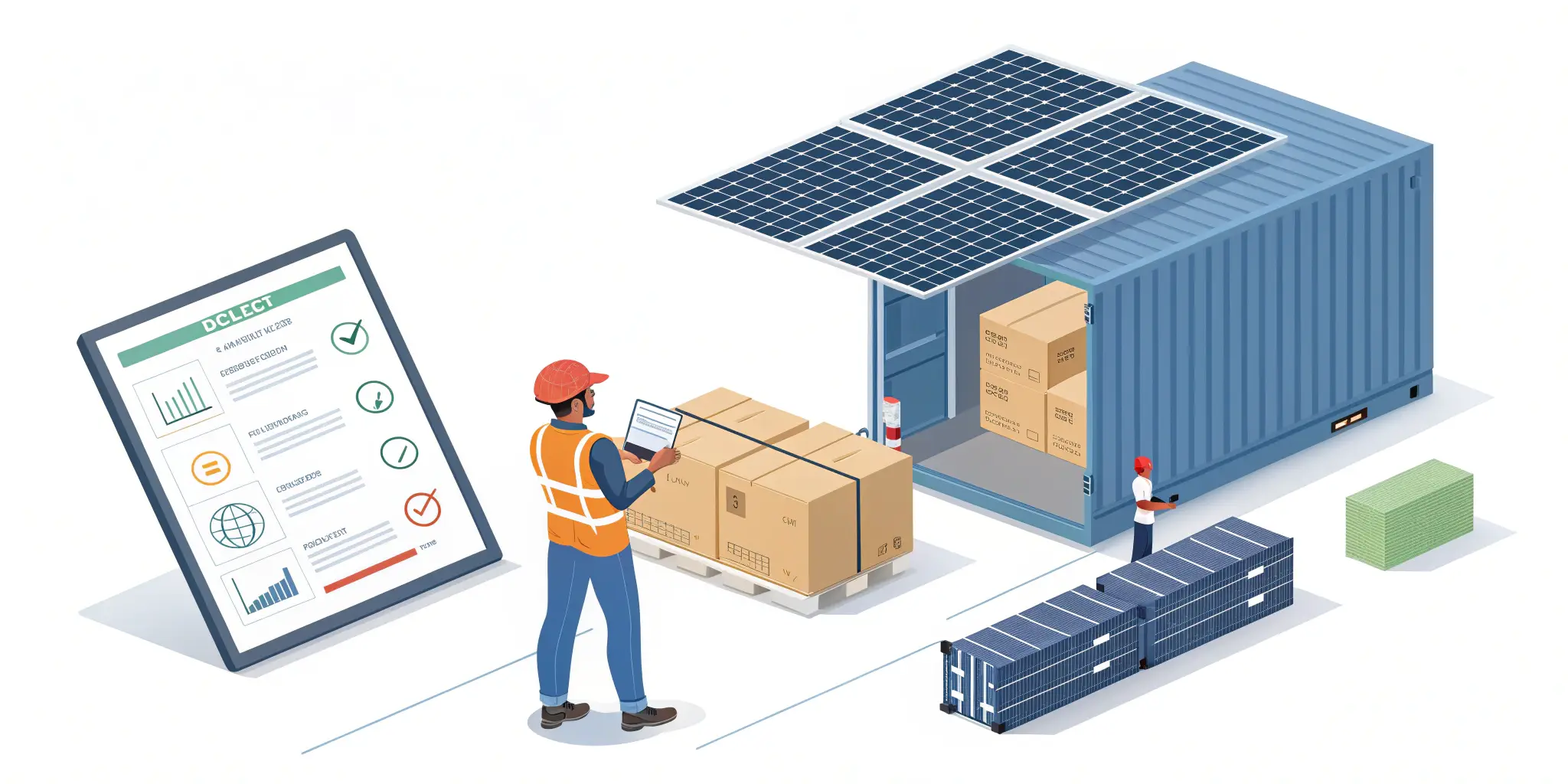
What makes a logistics partner suitable for Stäubli connector shipments
Shipping connectors is simple in appearance, but it still requires skill. A good logistics partner handles paperwork, cargo safety, customs, and delivery timing. I rely on partners who understand electrical components because they protect small high-value goods better. I want to show you what I look for when choosing a freight forwarder.
1. Experience with solar components and high-value electronics12
A good partner knows how to treat small items that have high unit value. Stäubli connectors need dry storage, moisture-proof packing, and clean handling. A strong forwarder knows these details already. This background reduces the risk of lost cartons and rough handling. I also prefer partners who know the difference between commercial goods and sensitive components.
2. Control over both China and destination ports13
A strong partner usually has local teams on both sides. They handle export declarations, HS codes, certificates, and arrival paperwork. This protects the shipment from delays. Stäubli connectors do not need special permits, but customs still checks documents. A good forwarder reduces mistakes in invoices, packing lists, or product descriptions.
3. Clear tracking and good communication14
I always choose partners who provide real-time tracking or fast communication. This allows me to update my customers quickly and solve issues early. When shipping urgent connectors by air or courier, fast updates help me prevent downtime on the buyer’s side.
4. Ability to handle DDP for some countries
Some buyers want door-to-door service with tax included. Not all partners can manage this legally. I choose partners who know the rules for specific destinations and can move goods smoothly across borders when needed.
Table: What to check before choosing a forwarder
| Requirement | Why It Matters |
|---|---|
| Solar industry experience | Protects high-value components |
| Strong China export team | Reduces document errors |
| Clear communication | Prevents delays |
| DDP capability | Simplifies delivery for some buyers |
| Insurance support | Protects against loss or damage |
A good logistics partner removes many risks. This is why I stay with trusted teams who treat solar components with real care.
How do costs compare for different shipping methods?
Many buyers ask me this question because freight cost affects their final selling price and profit margin.
Sea freight cost15s the least for large orders. Air freight cost16s more but brings speed. Courier cost17s the most per kilogram but is best for tiny shipments.
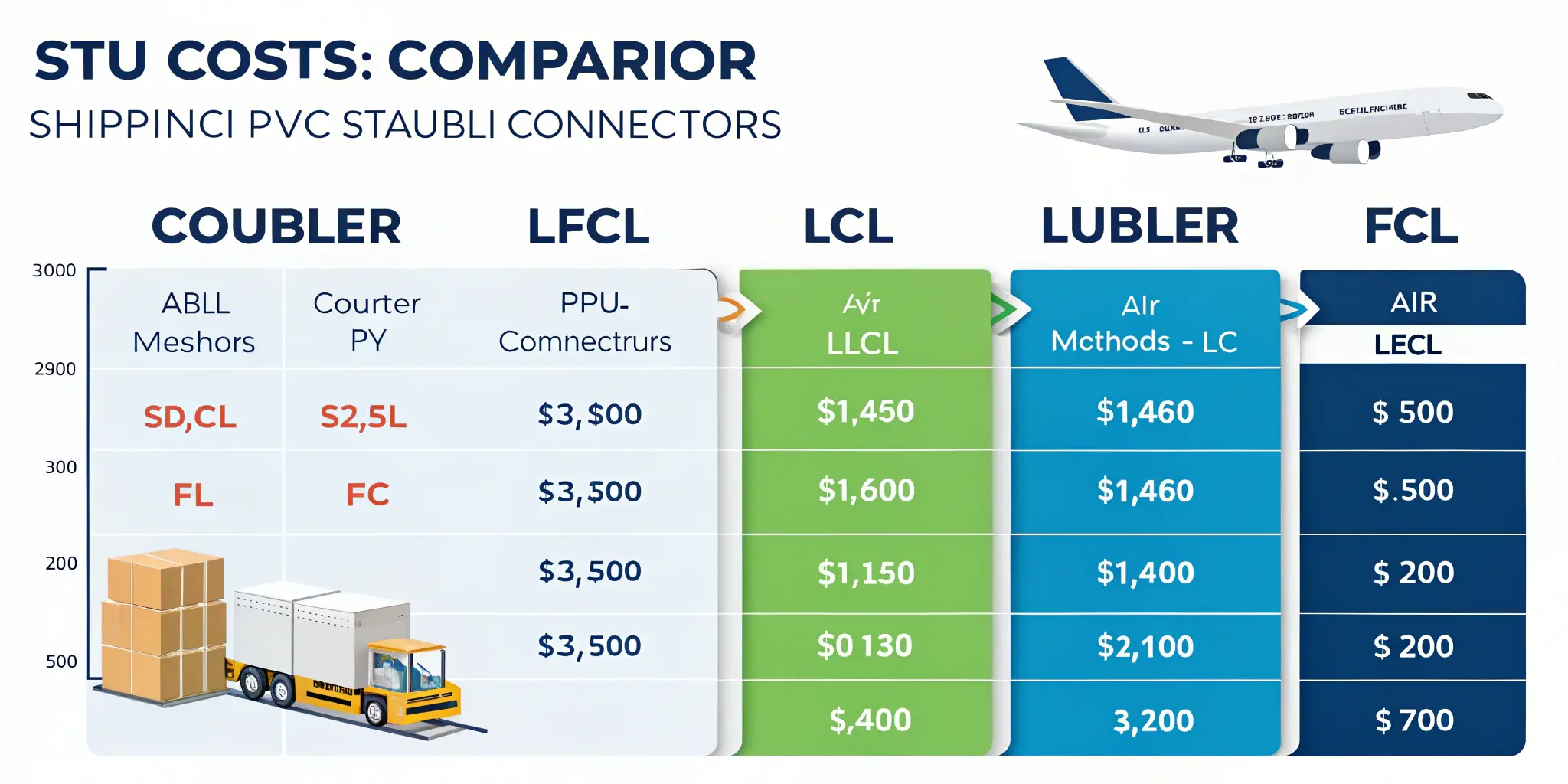
Understanding how cost changes with speed, weight, and method
Shipping cost is not fixed. It depends on urgency, weight, carton count, and method. I always run a simple price comparison before making a decision. Many buyers do not realize how large the price gap can be. I want to show how each method behaves so you can plan better.
1. Courier cost: Highest per kg but low total price for tiny orders
Courier prices change by zone, fuel charges, and weight brackets. For small orders, the total cost may stay low even if the rate per kilogram is high. This method works for samples, replacements, and urgent small quantities.
2. Air freight cost: Medium to high depending on weight
Air freight is the middle option. The cost rises with weight, but the value comes from speed and stability. I use air freight when connectors are needed soon and when the weight is still manageable. The cost is higher than sea freight, but the benefit of fast arrival often offsets the price.
3. Sea freight cost: Lowest for large shipments
Sea freight is good for large volumes. It offers the lowest unit price. The only cost trade-off is time. When buyers plan early, sea freight becomes the best long-term choice. It keeps stock levels steady without overspending.
4. Mixed cost18: Balanced option for split shipments
Sometimes part of the order needs to arrive fast. I move that part by air and send the rest by sea. This saves money while keeping urgent work on schedule.
Table: Cost comparison overview
| Method | Cost Level | Best For |
|---|---|---|
| Courier | High per kg | Very small or urgent items |
| Air Freight | Medium-High | Small to medium urgent orders |
| LCL Sea | Medium | Medium non-urgent shipments |
| FCL Sea | Low | Large orders |
Cost changes the decision. I always consider the hidden cost of delay, not just the freight bill.
Conclusion
You can choose the best shipping method by looking at urgency, volume, and cost so every Stäubli connector shipment arrives safely and on time.
-
Explore the benefits of air freight to understand why it's ideal for urgent shipments and how it can save costs in project delays. ↩
-
Learn about the cost advantages of sea freight for bulk orders and how it can help in planning for seasonal stock. ↩
-
Find out more about Stäubli connectors, their value, and why choosing the right shipping method is crucial for them. ↩
-
Understand the impact of shipping delays on projects and how choosing the right freight method can mitigate these costs. ↩
-
Discover how combining air and sea freight can optimize shipping costs and speed for urgent and bulk needs. ↩
-
Understanding how shipment size influences transport can help you optimize costs and delivery times. ↩
-
Find out which courier services offer the best reliability and speed for small shipments. ↩
-
Learn about LCL sea shipping to make informed decisions on cost-effective transport for medium shipments. ↩
-
Discover why FCL sea freight is the best choice for large shipments and how it can save you money. ↩
-
Understanding freight strategy based on shipment volume can enhance your logistics planning. ↩
-
Explore this link to understand how experienced freight forwarders enhance the safety and efficiency of shipping solar components. ↩
-
Learn why logistics partners with specific experience can significantly reduce risks in handling valuable solar connectors. ↩
-
Discover how having local teams at both ends streamlines the shipping process and minimizes delays. ↩
-
Find out how effective communication and tracking can prevent issues and ensure timely deliveries in logistics. ↩
-
Discover why sea freight is the most economical choice for large orders and how it can benefit your business. ↩
-
Explore the nuances of air freight costs to see if the speed justifies the expense for your needs. ↩
-
Understanding courier costs can help you make informed decisions for small or urgent shipments. ↩
-
Learn about mixed cost strategies to optimize shipping efficiency and save money on urgent and non-urgent orders. ↩
