 Skip to content

How can I import custom solar panels from China and handle delays if they occur?
Delays are one of the most common risks when importing solar panels. Even with a well-planned order, unexpected issues such as production bottlenecks, logistics disruptions, or material shortages can affect delivery timelines.
When importing custom solar panels from China, preparing contingency plans and defining clear actions for delays helps reduce risks and protect project schedules.
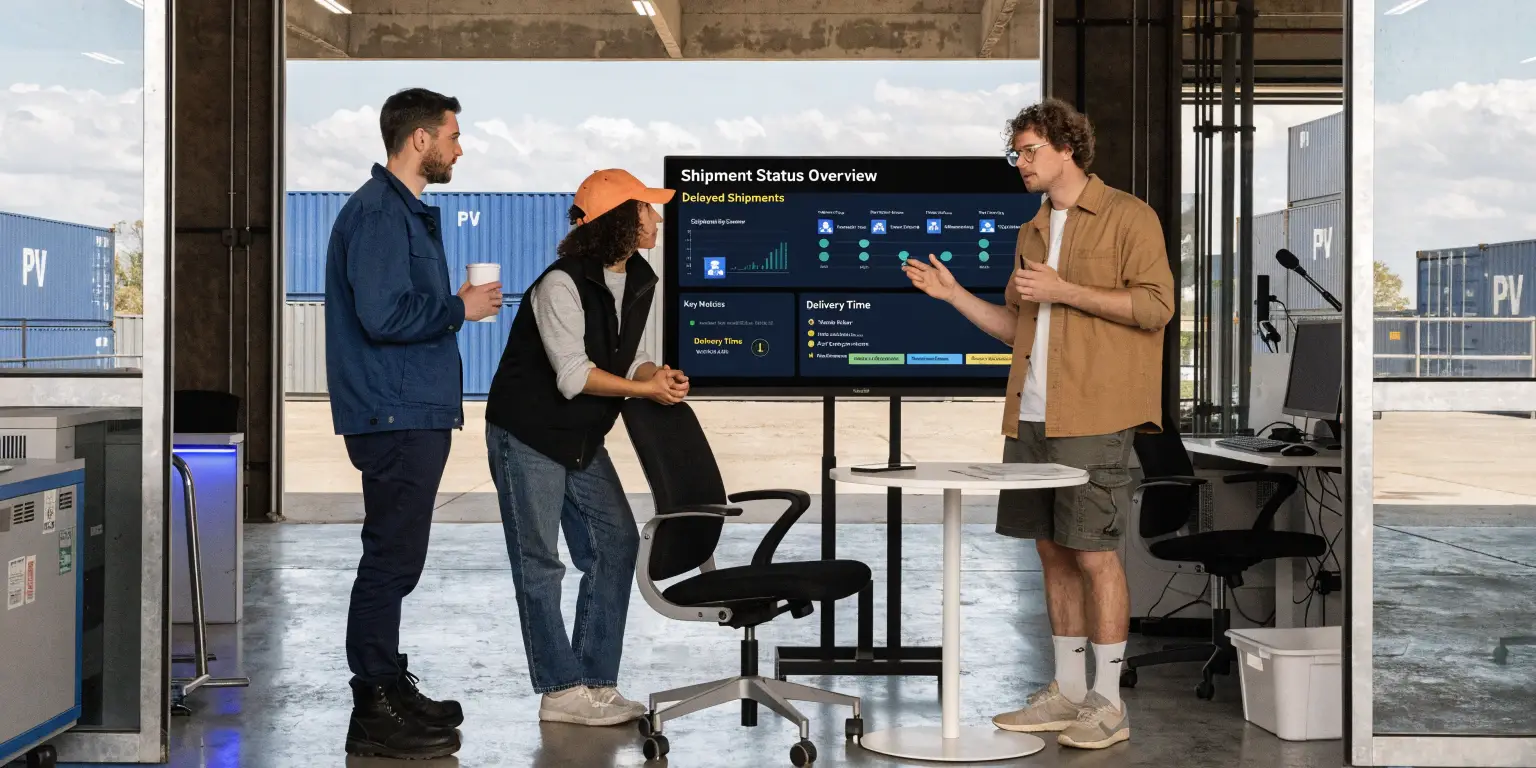
From my experience, delays are not always avoidable. But how you prepare and respond makes a big difference in keeping your project on track.
What contingency plans1 should I prepare before delays happen?
Many buyers only react after delays occur. This often leads to rushed decisions and higher costs.
A better approach is to prepare contingency plans in advance, so you can respond quickly when delays happen.

Maintain buffer time in project schedules
Every solar project should include a time buffer.
Typical buffer planning includes:
| Stage | Buffer Strategy |
|---|---|
| Production | Add extra days beyond supplier promise |
| Shipping | Allow for port congestion |
| Installation | Flexible start date |
This reduces pressure when delays occur.
Prepare backup suppliers2
Relying on a single supplier increases risk.
Backup planning may include:
- identifying alternative manufacturers
- pre-evaluating product compatibility
- confirming pricing and lead time
Backup suppliers provide flexibility for urgent situations.
Keep safety stock when possible
For repeat projects, holding inventory can reduce risk.
Examples include:
| Stock Type | Purpose |
|---|---|
| Spare modules | Replace damaged units |
| Critical components | Avoid system delays |
Safety stock helps maintain project continuity.
Plan alternative logistics options
Shipping delays are common in international trade.
Backup logistics options may include:
- switching to different shipping lines
- changing ports of departure or arrival
- upgrading to faster transport methods
Having options ready reduces response time.
How do I communicate with suppliers during delays?
Clear communication is essential when delays happen.
Maintaining structured and frequent communication helps identify problems early and find solutions faster.
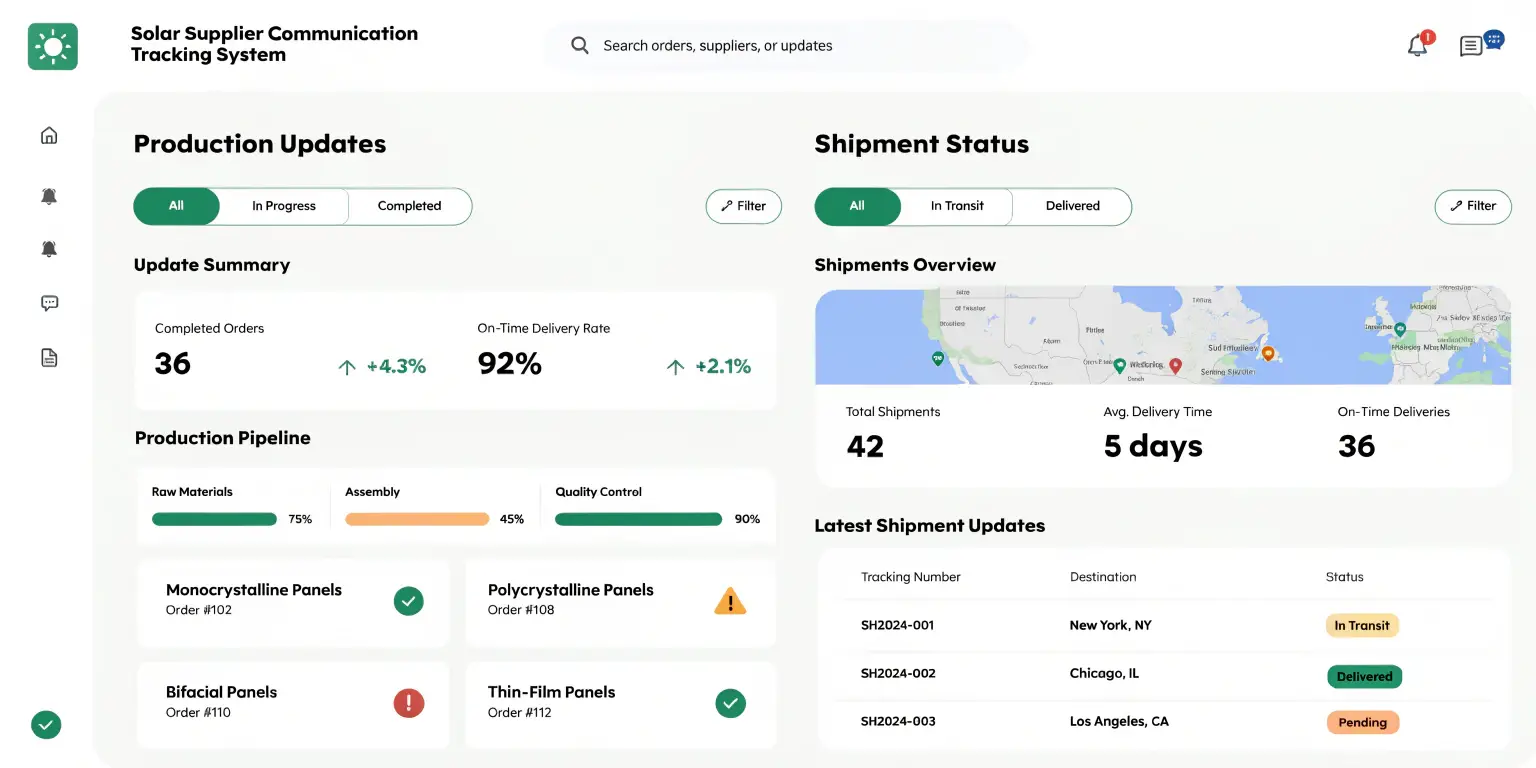
Establish clear communication channels3
Before production begins, both sides should agree on communication methods.
Common channels include:
| Method | Purpose |
|---|---|
| Formal updates | |
| Messaging apps | Quick coordination |
| Video calls | Problem-solving discussions |
Clear channels improve response efficiency.
Request regular progress updates4
Suppliers should provide consistent updates during production and shipping.
Typical updates include:
| Update Type | Purpose |
|---|---|
| Production status | Track manufacturing progress |
| Shipment schedule | Confirm logistics timing |
| Delay notifications | Identify risks early |
Frequent updates improve transparency.
Document all delay communications
Keeping records is important for accountability.
Documentation may include:
- delay notices
- revised schedules
- agreed actions
This helps resolve disputes if needed.
Identify root causes of delays
Understanding why delays happen helps determine the right response.
Common causes include:
| Cause | Example |
|---|---|
| Material shortage | Delayed raw materials |
| Production issue | Equipment breakdown |
| Logistics disruption | Port congestion |
Different causes require different solutions.
How do I minimize the impact of delays on my solar project?
Delays can affect installation schedules, labor planning, and overall project cost.
Reducing the impact requires flexibility, prioritization, and coordination across the supply chain.

Prioritize critical shipments5
Not all shipments have the same urgency.
Priority planning may include:
| Priority Level | Action |
|---|---|
| High priority | Expedite production or shipping |
| Medium priority | Maintain standard schedule |
| Low priority | Delay if necessary |
This ensures key project milestones are protected.
Adjust installation schedules
Installation planning should remain flexible.
Possible adjustments include:
- rescheduling installation teams
- adjusting project phases
- focusing on available components first
Flexible planning reduces idle time.
Use faster logistics6 when needed
In urgent situations, faster shipping methods may be necessary.
Options include:
| Method | Benefit |
|---|---|
| Express ocean service | Shorter transit time |
| Air freight (limited use) | Fastest delivery |
Although more expensive, these options can protect project deadlines.
Collaborate with suppliers on recovery plans
Suppliers can often help recover lost time.
Recovery actions may include:
- increasing production shifts
- prioritizing your order
- reallocating resources
Collaboration improves recovery speed.
How do I renegotiate delivery dates when delays occur?
When delays cannot be avoided, delivery timelines7 need to be adjusted.
Renegotiating delivery dates requires clear communication, documented agreements, and fair adjustments for both parties.

Confirm delay responsibility
Before renegotiating, determine the cause of delay.
| Scenario | Responsibility |
|---|---|
| Supplier issue | Supplier accountable |
| Force majeure | Shared understanding |
| Logistics delay | Depends on Incoterms |
This helps define the negotiation approach.
Update delivery schedules formally
Any revised timeline should be documented.
Updated agreements should include:
- new delivery dates
- revised milestones
- updated shipping schedules
Formal updates prevent future disputes.
Apply contract remedies8 if needed
If delays are caused by the supplier, contract terms may apply.
Possible remedies include:
| Remedy | Purpose |
|---|---|
| Delay penalties | Compensate for losses |
| Payment adjustment | Reduce financial risk |
| Order priority | Ensure faster completion |
These measures protect the buyer’s interests.
Maintain long-term cooperation
Even during delays, maintaining a cooperative approach is important.
Balanced negotiation helps:
- preserve supplier relationships
- improve future collaboration
- ensure smoother future orders
A practical solution is often better than a confrontational approach.
Conclusion
Preparing contingency plans, maintaining clear communication, and responding quickly helps reduce the impact of delays and keeps solar projects moving forward.
-
Explore this link to learn how to create robust contingency plans that can save time and costs during project delays. ↩
-
Discover strategies for selecting reliable backup suppliers to ensure project continuity and reduce risks. ↩
-
Exploring this resource will provide insights on establishing effective communication channels with suppliers, crucial for managing delays. ↩
-
This link will guide you on how to effectively request and manage regular updates from suppliers, ensuring transparency during delays. ↩
-
Understanding how to prioritize critical shipments can significantly enhance your project's efficiency and minimize delays. ↩
-
Exploring faster logistics options can help you meet tight deadlines and ensure timely project completion. ↩
-
Understanding how to adjust delivery timelines can help you manage expectations and maintain strong supplier relationships. ↩
-
Exploring contract remedies can provide insights into protecting your interests and ensuring compliance during delays. ↩
