 Skip to content

How can I import custom solar panels from China and know typical MOQ for custom panels?
I have seen many buyers struggle with MOQ. They either order too much or fail to meet supplier limits.
I manage MOQ by understanding factory requirements, matching order size to customization level, and planning phased orders to reduce risk and cost.

I treat MOQ as a strategy, not a limitation. I adjust design, supplier type, and order plan to make MOQ work for my project.
How do I determine my minimum order quantity1?
I have seen buyers accept supplier MOQ without question. This often leads to overstock or cash pressure.
I determine MOQ by aligning project demand, customization level2, and supplier production constraints before confirming any order.
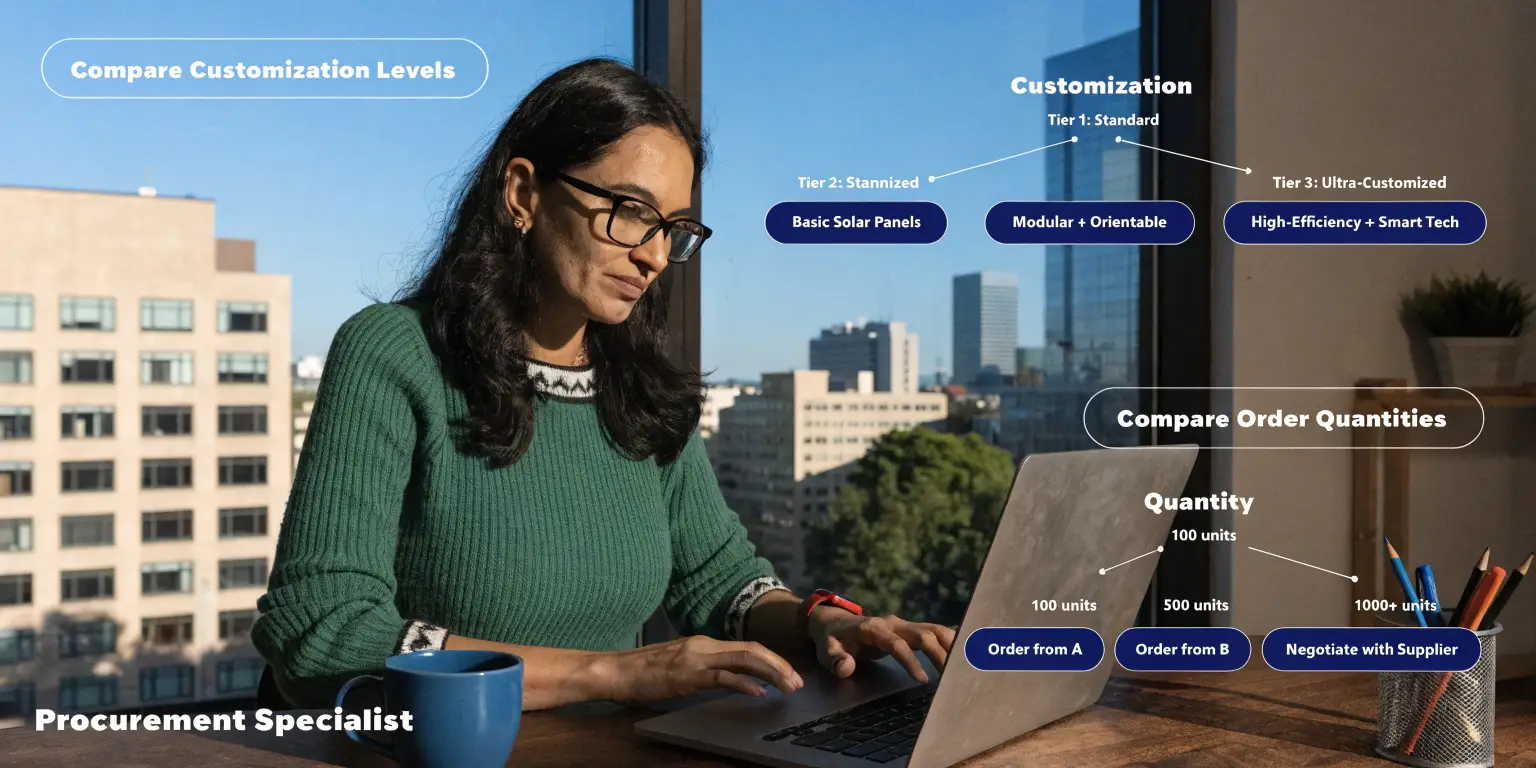
Understanding factory logic
Factories do not set MOQ randomly. MOQ is linked to production efficiency.
| Factor | Impact on MOQ |
|---|---|
| Production setup | Higher MOQ |
| Material sourcing | Batch requirement |
| Labor cost | Efficiency threshold |
I always ask why MOQ exists. This helps me negotiate better.
Matching MOQ with project demand
I calculate real demand first.
I avoid ordering based only on supplier MOQ. I adjust design if needed.
For example, I standardize panel size across projects. This helps me combine volume.
Considering customization level
Customization increases MOQ.
| Custom Level | Typical MOQ |
|---|---|
| Standard panel | 50–100 pcs |
| Size customization | 100–300 pcs |
| Full OEM design | 300–1000 pcs |
I reduce customization when MOQ is too high.
Using power-based calculation
Some suppliers use total wattage instead of quantity.
For example, MOQ may be 10kW instead of 100 panels.
I convert both ways to understand the requirement clearly.
This approach helps me set a realistic and controllable MOQ.
Can suppliers accommodate smaller orders?
Many buyers think MOQ3 is fixed. This is not always true.
I reduce MOQ by working with flexible suppliers4, adjusting specifications, or using sample and pilot orders before full production.
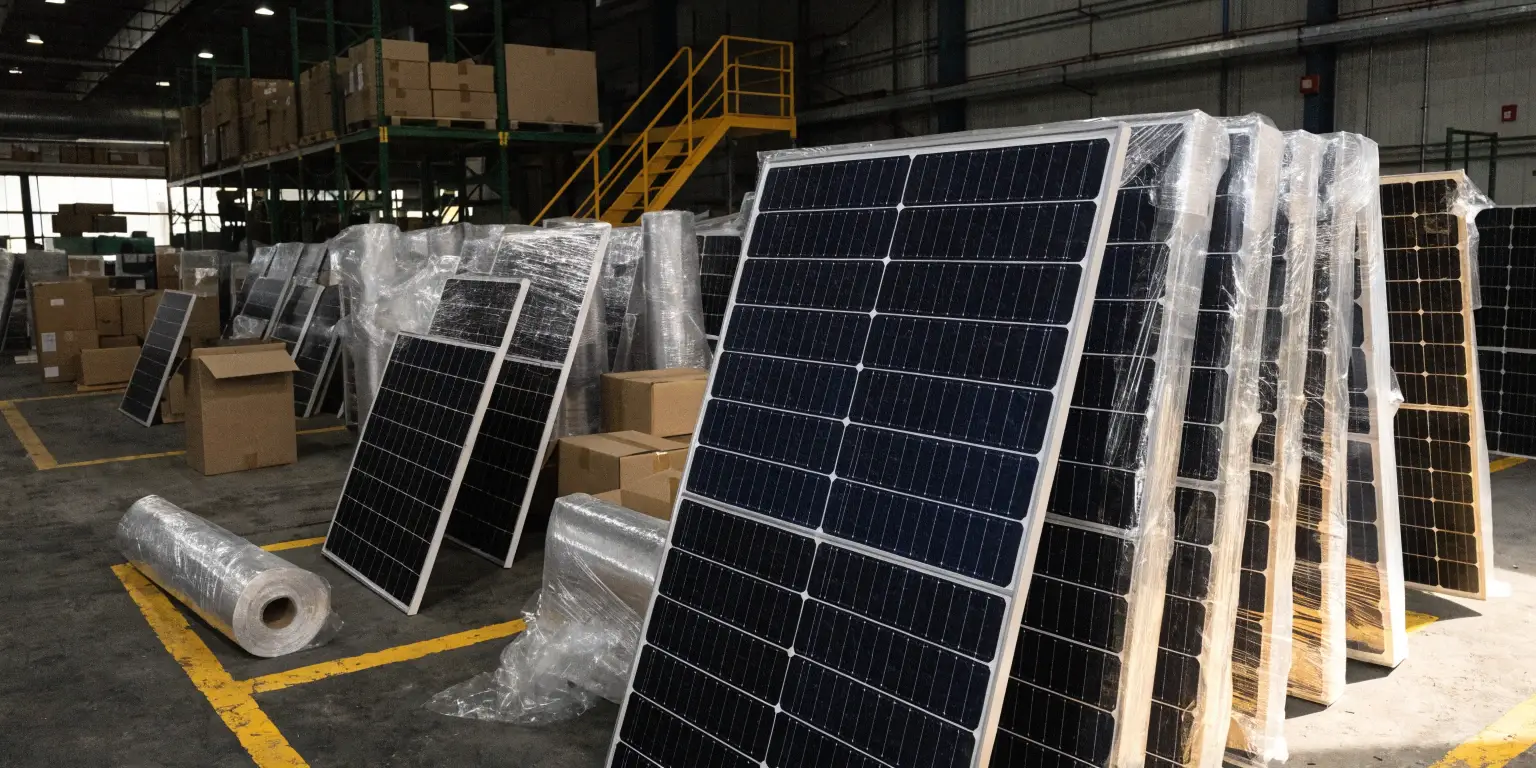
Choosing the right supplier type
Different suppliers have different flexibility.
| Supplier Type | MOQ Flexibility |
|---|---|
| Tier-1 factory | Low flexibility |
| Medium factory | Moderate |
| Trading company | High flexibility |
I choose supplier type based on my order size.
Using sample and pilot orders
Most suppliers accept small trial orders.
| Order Type | Quantity |
|---|---|
| Sample | 1–10 pcs |
| Pilot run | 10–50 pcs |
| Mass production | MOQ level |
I always start small. I test before scaling.
Combining orders
I sometimes combine similar products.
This helps reach MOQ without increasing risk.
For example, I keep same cell type but adjust dimensions slightly.
Negotiating production timing
Factories may accept lower MOQ during low season.
I ask about production schedule. Timing affects flexibility.
This strategy helps me reduce initial investment.
How does MOQ affect price?
Many buyers focus only on MOQ. They ignore its impact on pricing.
MOQ directly affects unit cost5 because of material efficiency, labor distribution, and production setup costs.
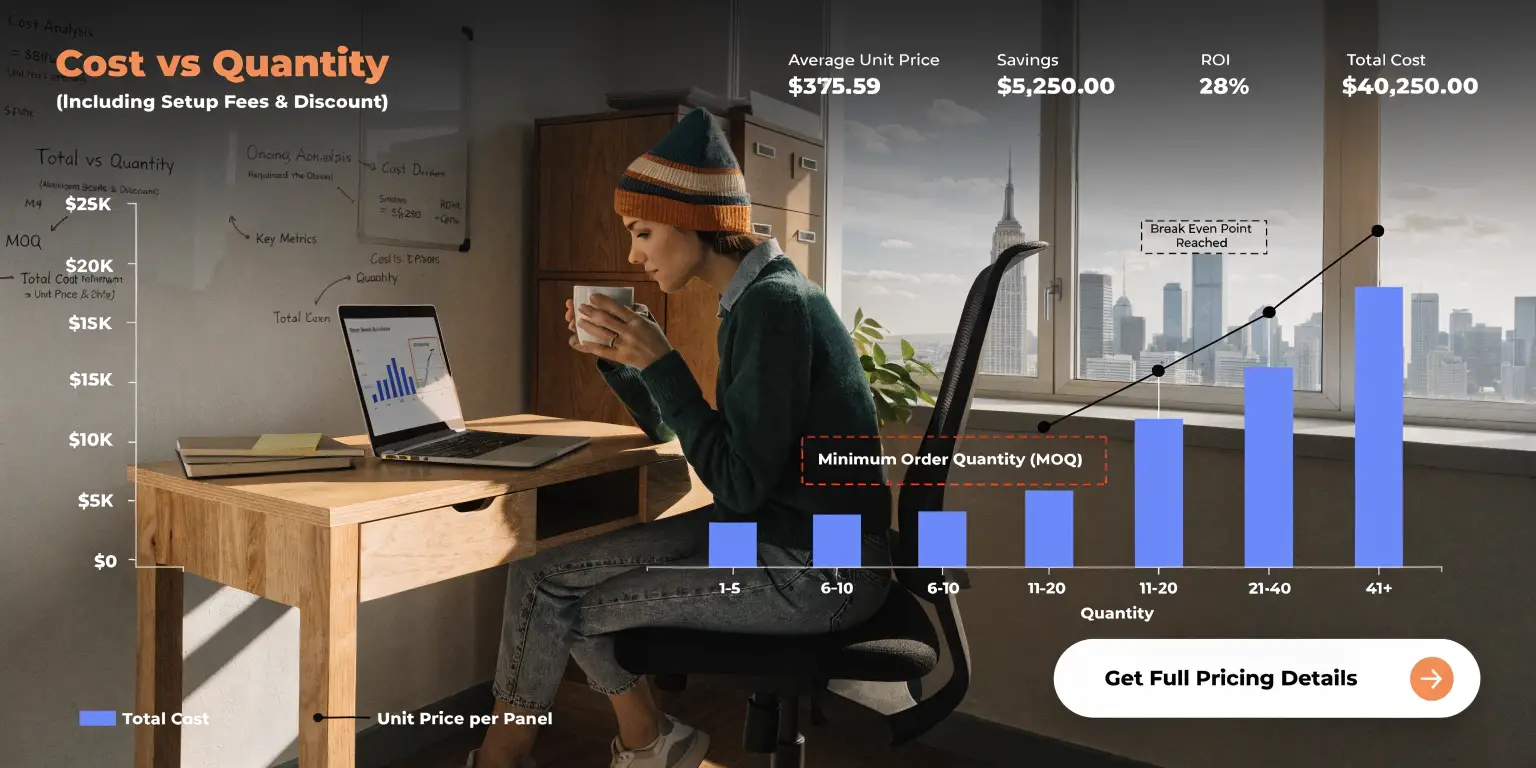
Understanding cost structure
Factories spread fixed costs over quantity.
| Cost Type | Behavior |
|---|---|
| Setup cost | Fixed |
| Material cost | Variable |
| Labor cost | Semi-fixed |
Low MOQ means higher cost per unit.
Price difference by volume
I often see clear price drops with higher volume6.
| Quantity | Price Trend |
|---|---|
| 10 pcs | Highest |
| 100 pcs | Medium |
| 500+ pcs | Lowest |
I always request a price ladder.
Impact of customization
Customization increases cost.
| Custom Feature | Cost Impact |
|---|---|
| Special size | Medium |
| Custom frame | High |
| Unique junction box | High |
I evaluate if customization is worth the cost.
Balancing cost and risk
I do not chase the lowest price.
I balance between MOQ, cost, and inventory risk.
Sometimes a slightly higher price with lower MOQ is safer.
This helps me control cash flow.
How do I plan initial orders7?
I have seen buyers fail because they order too much too early.
I plan initial orders by splitting into sample, pilot, and mass production stages to validate quality and reduce risk.
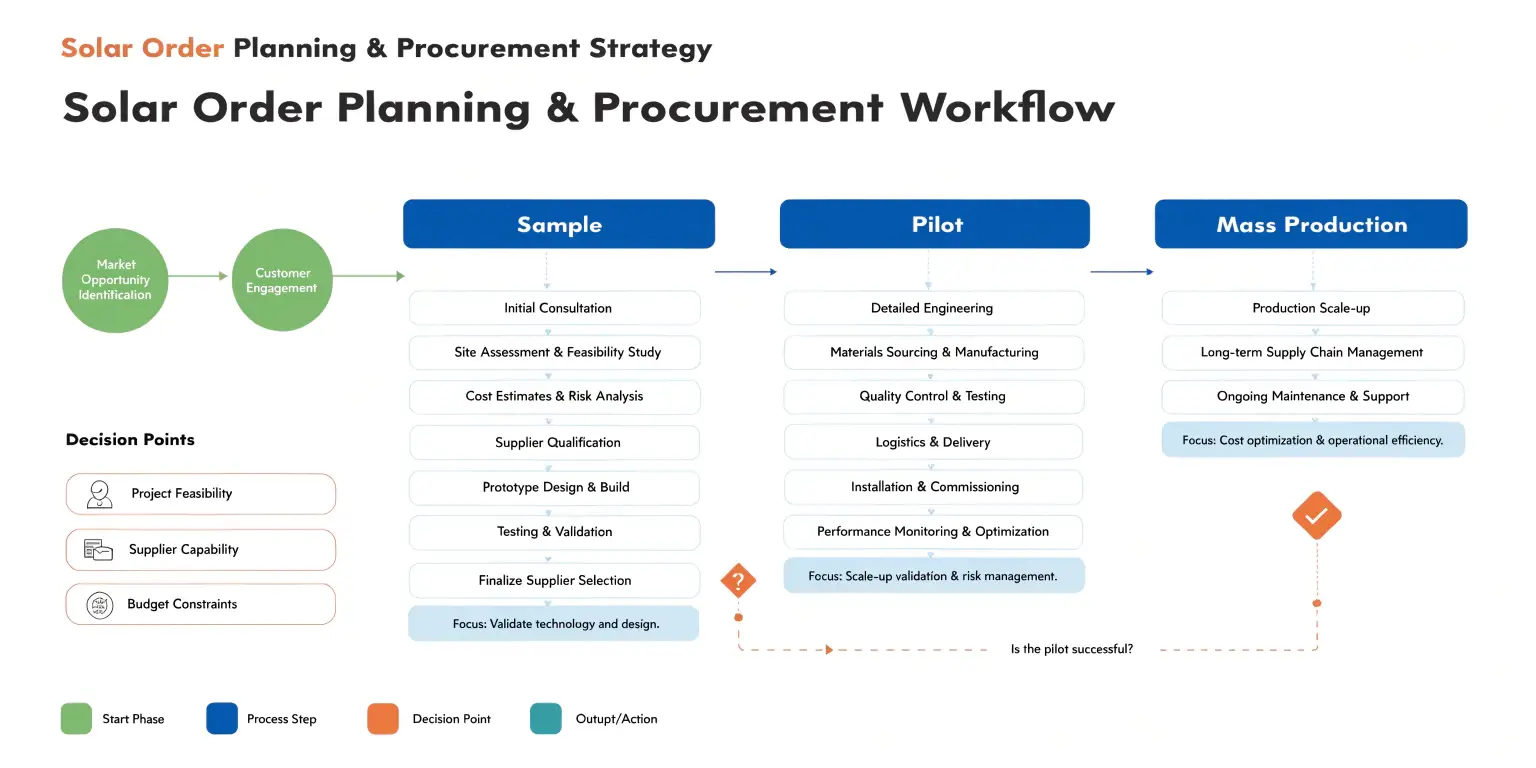
Step-by-step order strategy
I follow a staged approach.
| Stage | Purpose |
|---|---|
| Sample | Verify design |
| Pilot | Test consistency |
| Mass | Scale production |
This reduces risk step by step.
Verifying product before scaling
I test samples in real conditions.
I check performance, installation fit, and durability.
I do not rely only on datasheets.
Locking specifications early
I finalize specifications before mass order.
This includes:
- Cell type
- Cable length
- Connector type
- Junction box
This prevents changes during production.
Planning inventory and logistics
I align order size with sales or project timeline.
I avoid overstock.
I also consider shipping cost per unit.
Building long-term supplier relationship8
Repeat orders reduce MOQ over time.
Factories trust stable customers.
I aim for long-term cooperation, not one-time orders.
Conclusion
I manage MOQ by aligning demand, supplier capability, and order strategy, which helps reduce risk, control cost, and ensure stable custom solar panel supply.
-
Understanding how to determine MOQ can help you avoid overstock and cash pressure, ensuring efficient procurement. ↩
-
Exploring the impact of customization on MOQ can help you make informed decisions and optimize your orders. ↩
-
Understanding MOQ is crucial for buyers to negotiate better terms and optimize their orders. ↩
-
Exploring flexible suppliers can lead to cost savings and better inventory management for your business. ↩
-
Understanding how MOQ impacts unit cost can help you make informed purchasing decisions and optimize your budget. ↩
-
Exploring the reasons behind price drops at higher volumes can enhance your negotiation strategies and cost-saving efforts. ↩
-
Understanding best practices for initial orders can help you minimize risks and optimize your procurement strategy. ↩
-
Building strong supplier relationships is crucial for long-term success and can lead to better pricing and reliability. ↩
