 Skip to content

How can I import custom solar panels from China and request specific logistics or shipping lines?
Shipping decisions can significantly affect the success of a solar import project. Even if the panels are manufactured correctly, poor logistics coordination may lead to delays, damaged cargo, or higher transportation costs.
When importing custom solar panels from China, buyers can request specific shipping lines or logistics providers, especially if the trade terms allow them to control freight arrangements.
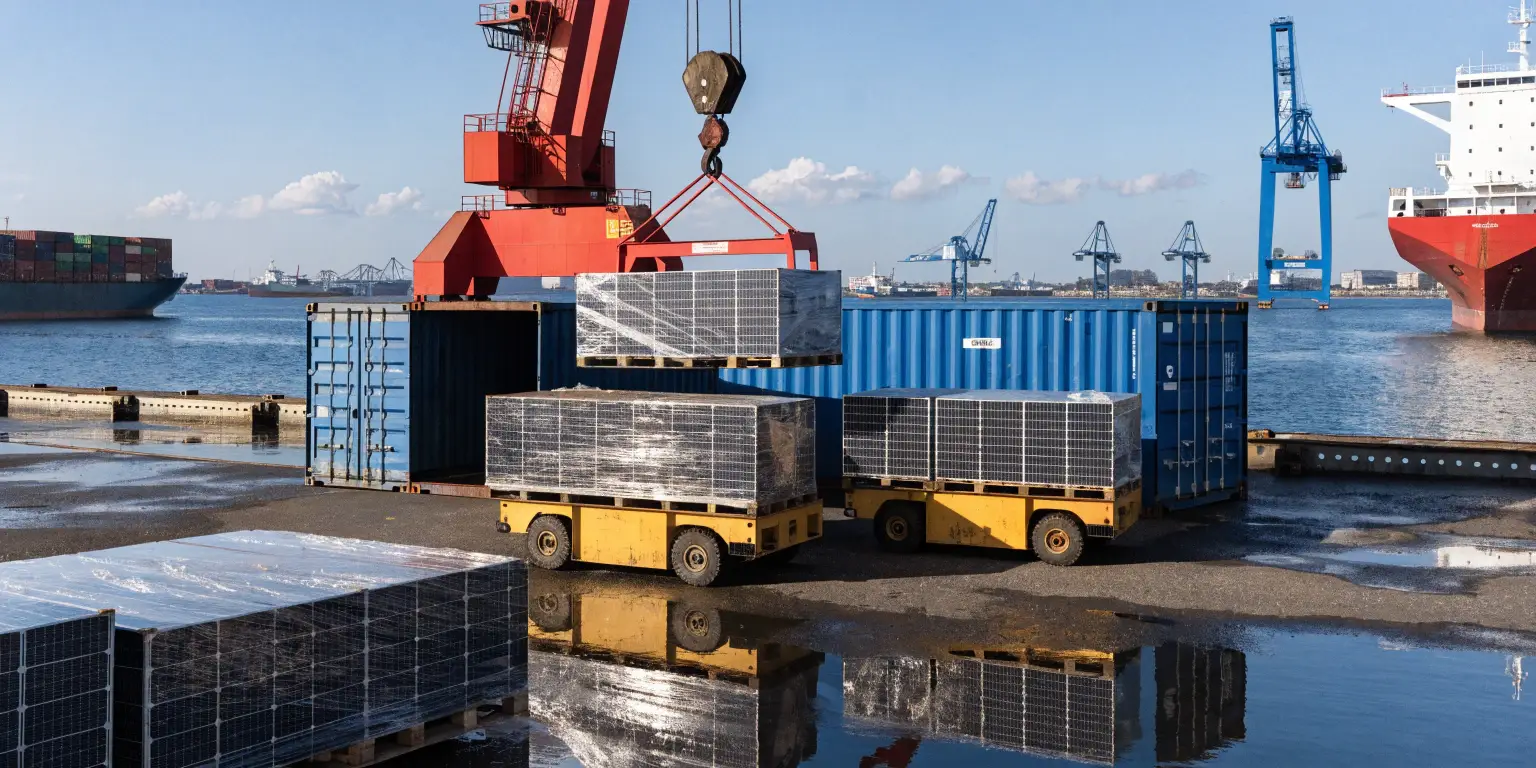
In many solar projects, buyers prefer certain carriers because of stable schedules, direct shipping routes, or good past experience. Discussing these preferences early with suppliers helps avoid confusion and ensures the shipment follows the expected logistics plan.
How do I coordinate with suppliers when requesting specific logistics providers?
Some buyers only discuss shipping when the goods are ready. This approach often creates problems because the supplier may have already arranged logistics.
The better approach is to communicate shipping preferences before the order is finalized and include logistics requirements1 in the contract.

Communicate logistics preferences early
Before confirming the purchase order, both parties should agree on logistics expectations.
Important points to clarify include:
| Logistics Factor | Description |
|---|---|
| Preferred shipping line | Carrier selected by the buyer |
| Port of loading | Chinese export port |
| Destination port | Import port chosen by the buyer |
Clear communication prevents misunderstandings during the shipping stage.
Choose the correct trade terms
Shipping responsibilities depend on the Incoterms2 used in the contract.
| Incoterm | Responsibility |
|---|---|
| FOB | Buyer chooses freight forwarder and carrier |
| CIF | Supplier arranges shipping |
| DAP | Supplier manages delivery to destination |
Buyers who want to select specific carriers normally use FOB terms, because this allows them to control the freight booking.
Coordinate with freight forwarders3
If the buyer specifies a carrier or logistics provider, the supplier needs to work with the nominated freight forwarder.
Freight forwarders typically handle:
| Task | Purpose |
|---|---|
| Container booking | Reserve space on the vessel |
| Export clearance | Handle Chinese customs procedures |
| Shipment scheduling | Align cargo with vessel departure |
Good coordination between supplier and forwarder helps prevent delays.
Confirm container requirements4
Solar panels are normally shipped in ocean containers.
| Container Type | Typical Usage |
|---|---|
| 20-foot container | Smaller shipments |
| 40-foot container | Large solar module orders |
Choosing the correct container size improves shipping efficiency and reduces freight cost per unit.
How do I check the reliability of shipping carriers?
Carrier reliability directly affects delivery schedules and cargo safety.
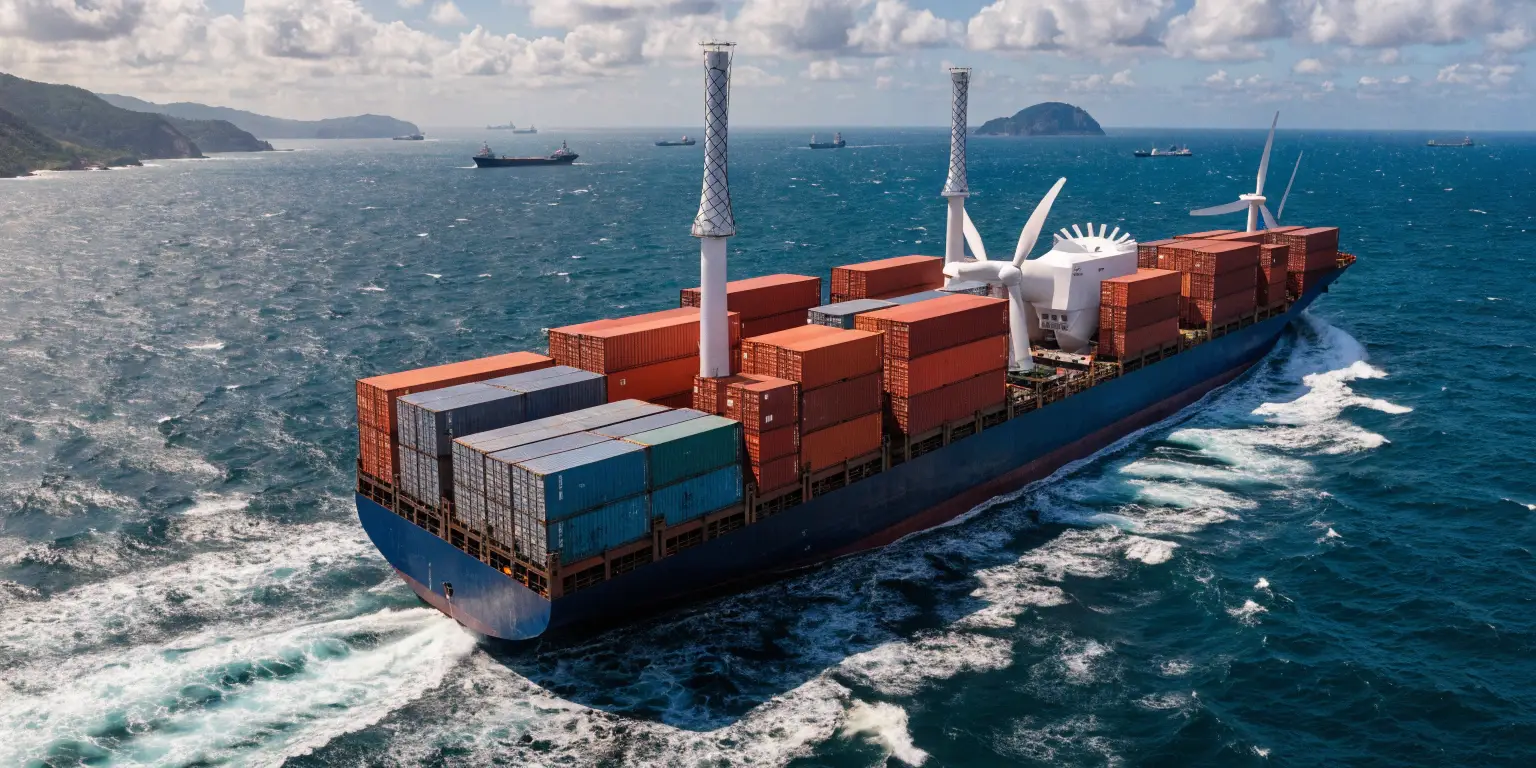
Evaluating carrier reputation5, route reliability, and cargo handling experience helps buyers select dependable shipping lines.
Review carrier reputation
Many buyers prefer internationally recognized container shipping companies because they operate large fleets and stable global routes.
Some well-known carriers include:
- Maersk
- MSC Mediterranean Shipping Company
- CMA CGM
These companies operate extensive shipping networks connecting Asia with Australia and other global markets.
Evaluate route reliability
Shipping routes influence transit time and schedule stability.
Important factors include:
| Factor | Importance |
|---|---|
| Direct routes | Reduce transit time |
| Port congestion | May cause delays |
| Sailing frequency | Provides flexible booking options |
Direct routes between major Chinese ports and Australian ports often improve shipping reliability.
Check experience with fragile cargo
Solar panels require careful handling because they are fragile products.
Experienced carriers and forwarders understand:
- palletized solar panel packaging
- container weight balance
- safe cargo securing methods
Proper handling helps prevent panel damage during transportation.
Use shipment tracking systems6
Most modern carriers provide digital cargo tracking.
Tracking tools allow buyers to monitor:
| Tracking Feature | Purpose |
|---|---|
| Container location | Track cargo movement |
| Vessel schedule | Monitor shipping progress |
| Estimated arrival time | Plan logistics at destination |
Tracking improves visibility across the supply chain.
How does the shipping method7 affect lead time8?
Shipping method has a direct impact on delivery speed and logistics cost.
Selecting the right transport method depends on shipment size, urgency, and project timeline.
Ocean freight
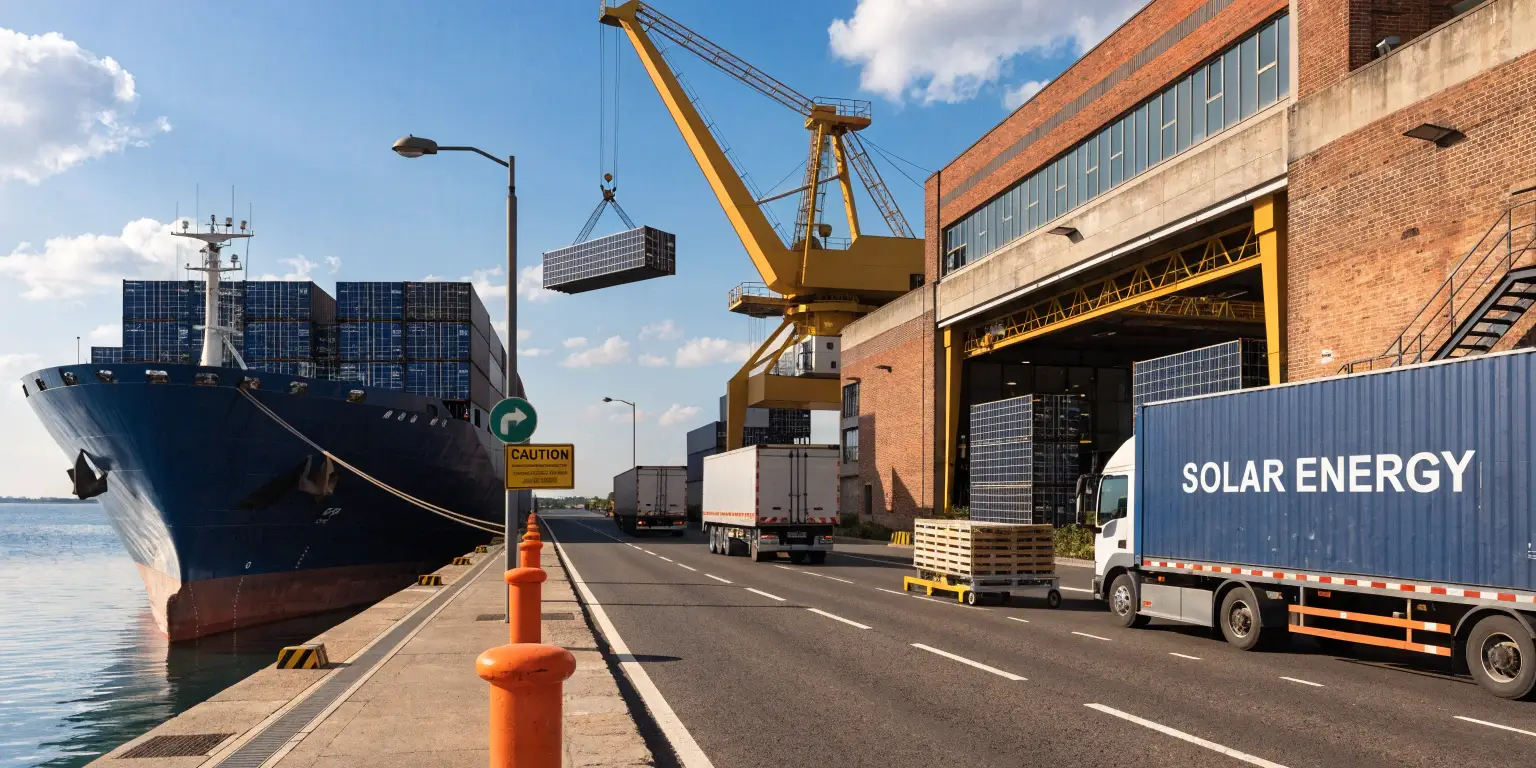
Ocean shipping is the most common method for transporting solar panels.
| Advantage | Explanation |
|---|---|
| Lower transportation cost | Suitable for large shipments |
| High cargo capacity | Ideal for container loads |
| Global shipping routes | Reliable logistics networks |
However, transit time can range from two to four weeks depending on routes and port conditions.
Air freight
Air transport is much faster but significantly more expensive.
Air freight may be used for:
| Situation | Example |
|---|---|
| Urgent replacement modules | Maintenance projects |
| Product samples | Testing before bulk orders |
Large solar panel shipments rarely use air freight due to high cost.
Multi-modal transport
Some shipments combine different transportation modes.
Examples include:
| Transport Combination | Purpose |
|---|---|
| Sea + truck | Delivery from port to warehouse |
| Sea + rail | Inland distribution |
Multi-modal logistics can improve flexibility and delivery efficiency.
How do I minimize shipping costs while ensuring cargo safety?
Reducing logistics cost is important, but cargo protection must remain a priority.
Efficient container loading, early shipment planning, and reliable logistics partners help control costs while protecting solar panels during transport.
Optimize container loading
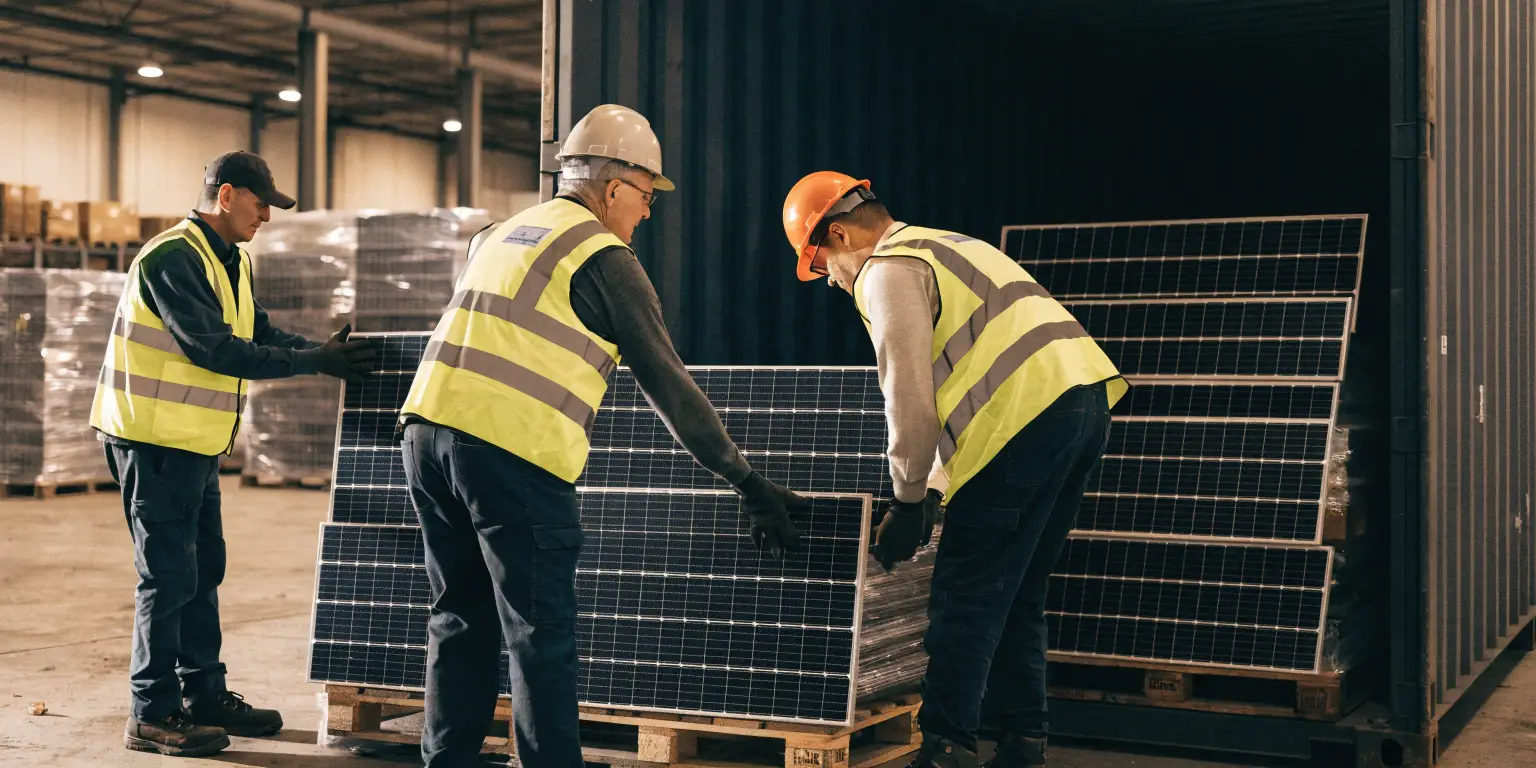
Solar panels are typically packed on pallets and carefully stacked inside containers.
Effective loading methods include:
| Method | Benefit |
|---|---|
| Standard pallet sizes | Improve stacking efficiency |
| Balanced container loading | Prevent cargo movement |
| Full container shipments | Lower freight cost per panel |
Efficient packing maximizes container capacity.
Plan shipments early
Freight prices fluctuate depending on shipping demand.
Early booking allows buyers to:
- secure container space
- avoid peak season surcharges
- obtain better freight rates
Advanced planning reduces unexpected logistics costs.
Use cargo insurance9
Cargo insurance protects shipments against potential risks.
Typical insurance coverage includes:
| Risk | Protection |
|---|---|
| Cargo damage | Broken panels during transport |
| Cargo loss | Missing goods |
| Shipping accidents | Vessel incidents |
Insurance provides financial protection for valuable shipments.
Maintain logistics flexibility
Sometimes the preferred carrier may not have available space.
Flexible logistics planning allows buyers to:
- choose alternative shipping lines
- adjust departure schedules
- reroute through other ports
This flexibility helps keep projects on schedule.
Conclusion
Clear logistics communication, reliable shipping carriers, and careful planning help ensure solar panels are delivered safely while maintaining efficient transportation costs.
-
Understanding logistics requirements is crucial for smooth operations and avoiding costly delays. ↩
-
Familiarizing yourself with Incoterms can significantly impact shipping responsibilities and costs. ↩
-
Exploring the role of freight forwarders can enhance your understanding of shipping logistics. ↩
-
Knowing how to confirm container requirements can optimize shipping efficiency and reduce costs. ↩
-
Understanding carrier reputation is crucial for ensuring reliable shipping. Explore this link to learn effective evaluation methods. ↩
-
Shipment tracking systems enhance visibility and reliability in shipping. Discover how they work and their benefits. ↩
-
Understanding the impact of shipping methods on delivery speed can help optimize logistics and reduce costs. ↩
-
Exploring factors that influence lead time can enhance your shipping strategy and improve customer satisfaction. ↩
-
Learn about cargo insurance to understand how it safeguards your valuable shipments against potential risks. ↩
