 Skip to content

How can I import custom solar panels from China and understand if small batch orders increase unit cost?
I have seen many buyers shocked by pricing after requesting small orders. They expect factory pricing but get much higher quotes.
I manage small batch costs by understanding fixed production costs, optimizing batch size, negotiating smartly, and using strategies to reduce per-unit expenses.

I always tell my clients this. Small orders are not cheap in manufacturing. The key is not to avoid them, but to control how they affect your total cost.
How much more do small orders cost?
I have seen buyers underestimate this gap. The difference is not small. It can change the entire project budget.
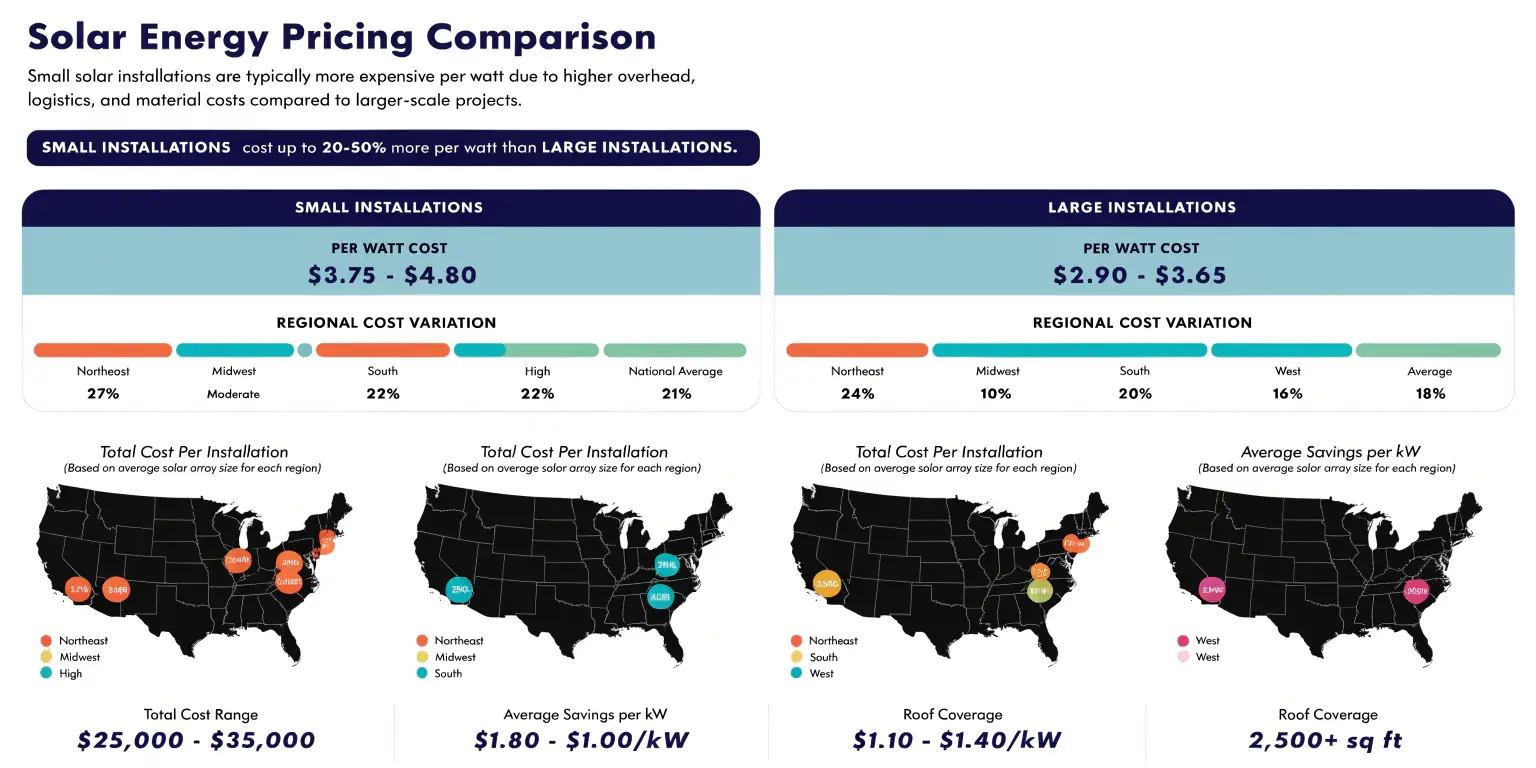
Small batch orders can cost 20% to 50% more per unit due to fixed setup costs1, lower efficiency, and higher logistics expenses.
Understanding fixed costs
Factories have costs that do not change with quantity.
| Cost Type | Description |
|---|---|
| Line setup | Machine adjustment |
| Engineering | Design and drawings |
| QC testing | Batch-based inspection |
These costs are spread across all units. Fewer units means higher cost per panel.
Production inefficiency
Small batches disrupt factory flow.
| Factor | Impact |
|---|---|
| Line changeover | Time loss |
| Material waste | Higher ratio |
| Labor efficiency | Lower output |
Factories prefer large orders. Small orders are less attractive.
Logistics cost impact
Shipping also changes the cost.
| Shipment Type | Cost Efficiency |
|---|---|
| Full container | Low cost per unit |
| Partial load | High cost per unit |
I always calculate landed cost, not just factory price.
Real cost example
I have seen this pattern many times:
| Order Size | Cost Increase |
|---|---|
| 10 pcs | +50% |
| 50 pcs | +30% |
| 100 pcs | +15% |
| 500+ pcs | Baseline |
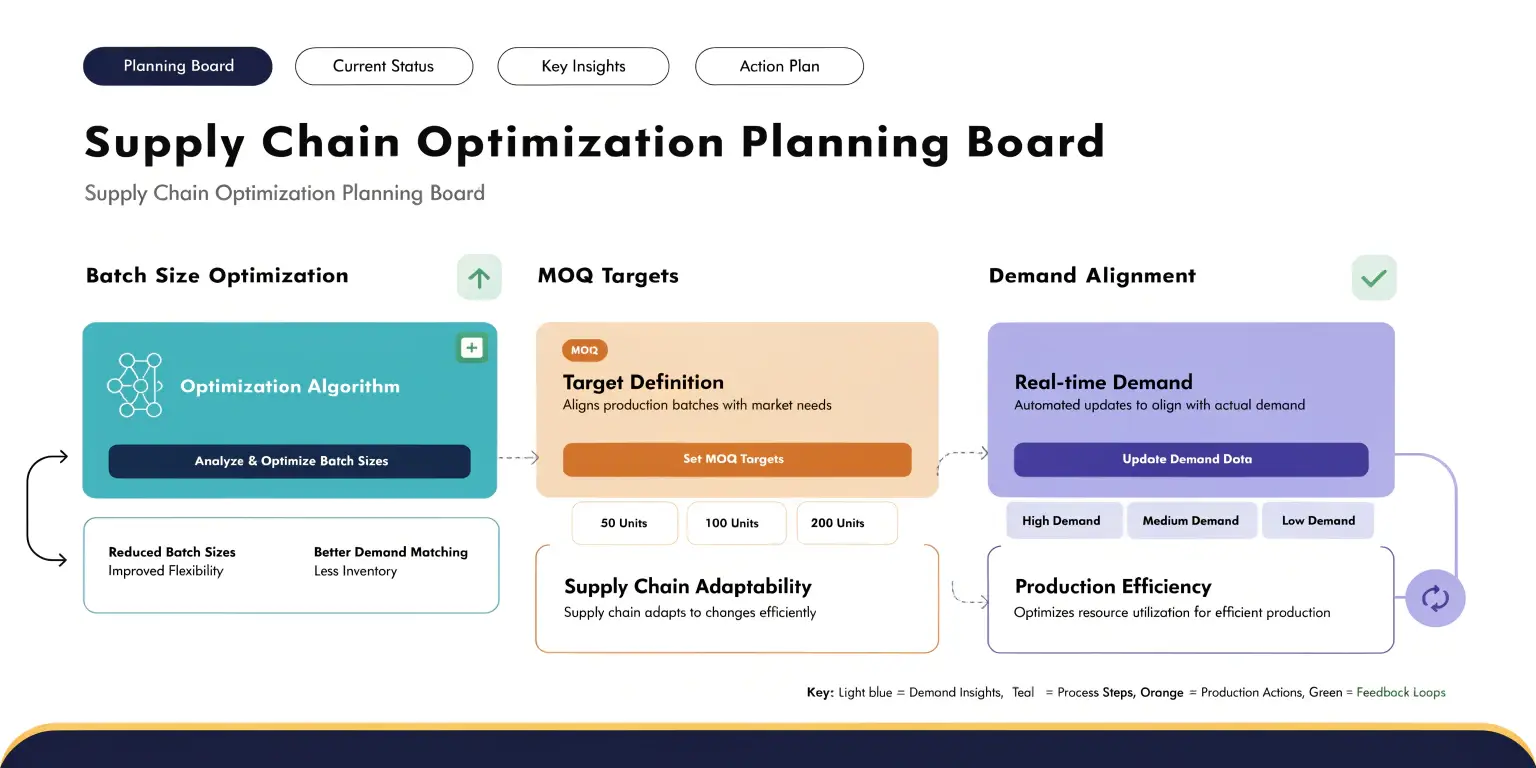
This is why MOQ exists. It protects factory efficiency.
How do I optimize batch size2?
I do not blindly increase order size. I optimize it based on risk and cost.
I optimize batch size by balancing MOQ3, cash flow, demand forecast, and production efficiency to reach the best unit price.
Finding the break-even point
I always ask for a price ladder.
| Quantity | Unit Price |
|---|---|
| 50 pcs | High |
| 100 pcs | Lower |
| 300 pcs | Much lower |
I identify where price drops significantly. This is my target batch size.
Combining similar products
I reduce SKU complexity.
I combine similar designs into one batch.
For example, I keep same cell and structure, but allow minor size variation.
This helps meet MOQ faster.
Using watt-based MOQ
Some suppliers use kW instead of pieces.
I use this to my advantage.
I mix different wattage panels to reach total capacity MOQ.
Planning phased orders
I do not place one large order immediately.
I split orders into phases.
| Phase | Purpose |
|---|---|
| Pilot | Test product |
| First batch | Market validation |
| Expansion | Scale |
This approach balances cost and risk.
Can I negotiate prices for low-volume orders?
Many buyers think price is fixed. That is not true.
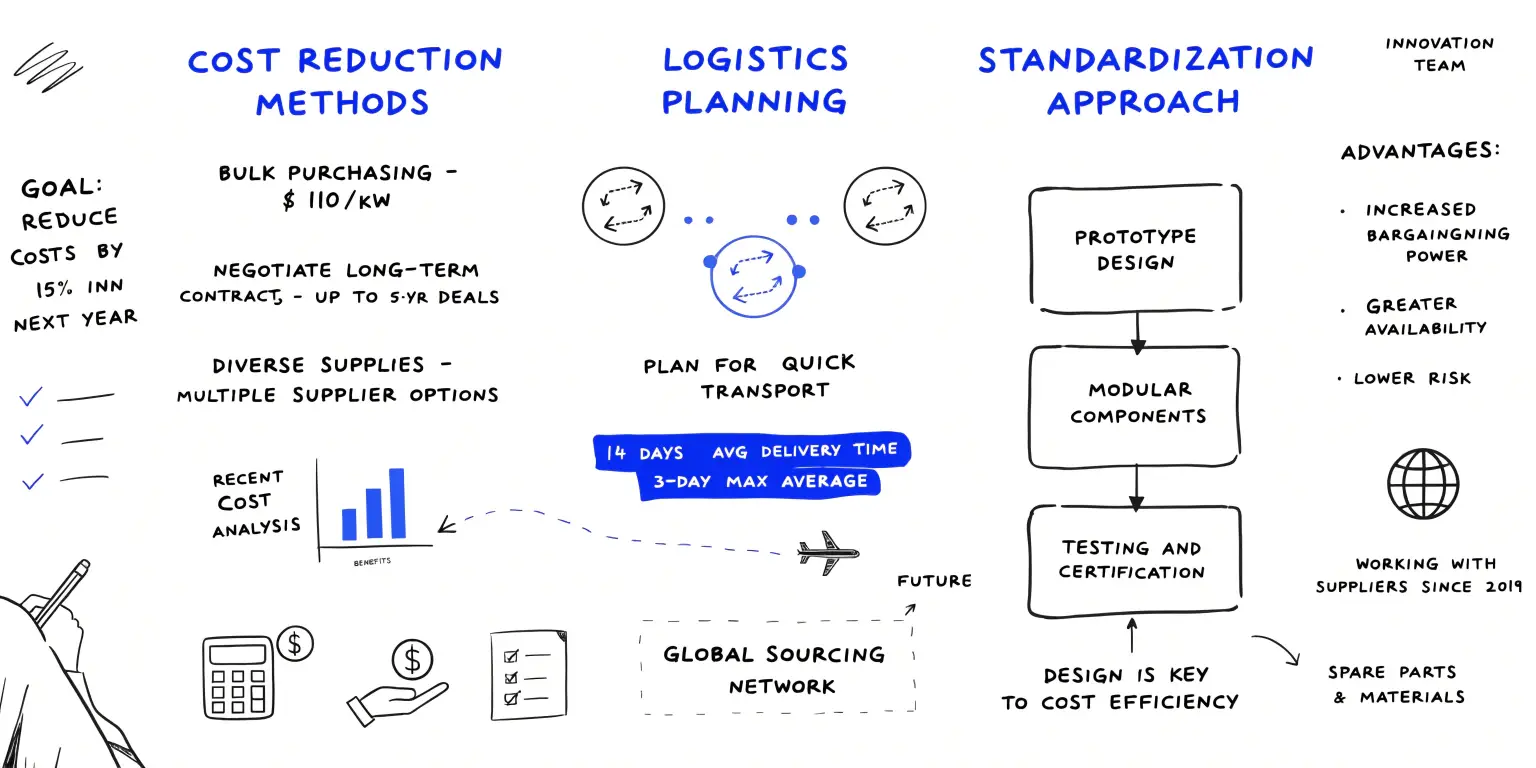
I negotiate small order pricing4 by adjusting specifications, lead time, and supplier expectations to reduce cost pressure.
Offering flexibility
Factories value flexibility.
| Flexible Factor | Benefit |
|---|---|
| Longer lead time | Lower cost |
| Standard materials | Easier production |
| Simple design | Less setup |
I trade flexibility for better pricing.
Reducing customization
Customization increases cost.
I simplify where possible.
For example, I use standard frames or junction boxes.
This reduces production complexity.
Building long-term relationship5
Factories give better prices to repeat buyers.
I communicate future volume plans.
This builds trust.
Negotiating bundled value
Sometimes I cannot reduce unit price.
So I negotiate other value.
| Option | Benefit |
|---|---|
| Free samples | Lower risk |
| Better packaging | Reduced damage |
| Faster support | Better service |
This improves overall deal quality.
What strategies reduce cost impact?
I do not try to eliminate small batch cost. I manage it.
I reduce cost impact by standardizing designs6, consolidating orders7, improving logistics, and planning long-term purchasing strategies.

Standardizing design
Standard products are cheaper.
I avoid unnecessary customization.
| Design Choice | Cost Impact |
|---|---|
| Standard size | Low |
| Custom size | High |
| Unique design | Highest |
I only customize what is necessary.
Consolidating shipments
Shipping cost matters.
I combine orders into one shipment.
This reduces per-unit freight cost.
Working with trading companies
Trading companies offer flexibility.
They combine orders from different buyers.
This helps reduce MOQ and cost.
Timing production
Timing affects cost.
Factories are more flexible in low season.
I avoid peak production periods.
Reusing previous designs
Repeat orders reduce setup cost.
Factories reuse tooling and processes.
This lowers unit cost over time.
Conclusion
I manage small batch costs by understanding factory economics, optimizing order size, negotiating smartly, and planning long-term strategies to reduce overall unit price impact.
-
Exploring fixed setup costs will provide insights into how they impact overall production expenses, crucial for budgeting. ↩
-
Understanding batch size optimization can significantly enhance your supply chain efficiency and cost-effectiveness. ↩
-
Exploring MOQ concepts can help you make informed decisions that optimize inventory and reduce costs. ↩
-
Explore strategies to negotiate small order pricing and learn how to adjust specifications for better deals. ↩
-
Discover the benefits of building long-term relationships with suppliers for better pricing and trust. ↩
-
Exploring this resource will reveal how standardizing designs can significantly lower costs and improve efficiency. ↩
-
This link will provide insights into how consolidating orders can lead to substantial savings in shipping and logistics. ↩
