 Skip to content
How can I import custom solar panels from China and ensure stable pricing for repeat orders?
Many buyers feel price swings hurt profit. I have seen repeat orders suddenly cost more and break project budgets.
I keep pricing stable by locking contracts, controlling specifications, planning order timing, and tracking raw material trends before placing repeat orders.

I treat pricing as something I manage early, not something I react to later. I control risk before it appears.
How do I negotiate long-term pricing?
Many buyers accept spot prices. Then they face sudden increases on repeat orders and lose control of margins.
I lock pricing early using structured agreements and clear rules with suppliers.

Why long-term pricing agreements matter
I always treat solar panel pricing as unstable by nature. I know raw materials like silicon, glass, and aluminum change often. So I never rely on one-time quotes.
I use long-term agreements1 to reduce uncertainty. I define pricing rules before production starts. This gives me control.
Key contract structures I use
| Contract Element | What I Define | Why It Matters |
|---|---|---|
| Price term | Fixed $/W or per panel | Prevents sudden increases |
| Duration | 12–24 months | Covers multiple orders |
| Volume commitment | Total kW or quantity | Unlocks better pricing |
| Delivery schedule | Monthly or quarterly | Stabilizes production planning |
| Payment terms | Deposit + balance | Avoids hidden cost pressure |
Material risk control
I do not fully lock price without conditions. I allow limited adjustments only if raw material cost moves beyond a threshold.
For example:
- I allow adjustment only if material cost changes >10%
- I request proof from supplier
- I cap the increase range
This protects both sides.
My real approach
I once worked with a supplier who increased price 12% within 2 months. After that, I changed my method. I now always use framework agreements2.
I also add:
- Price lock per batch
- Pre-agreed discount tiers
- No change without written approval
Common mistake
Many buyers say:
“Give me your best price now.”
This is wrong.
I always say:
“Give me your best structure for the next 12 months.”
That is how I control repeat orders.
How do I monitor market fluctuations?
Many buyers only check prices when they need to order. Then it is already too late.
I track the market regularly so I can choose the best timing.
Why solar prices move
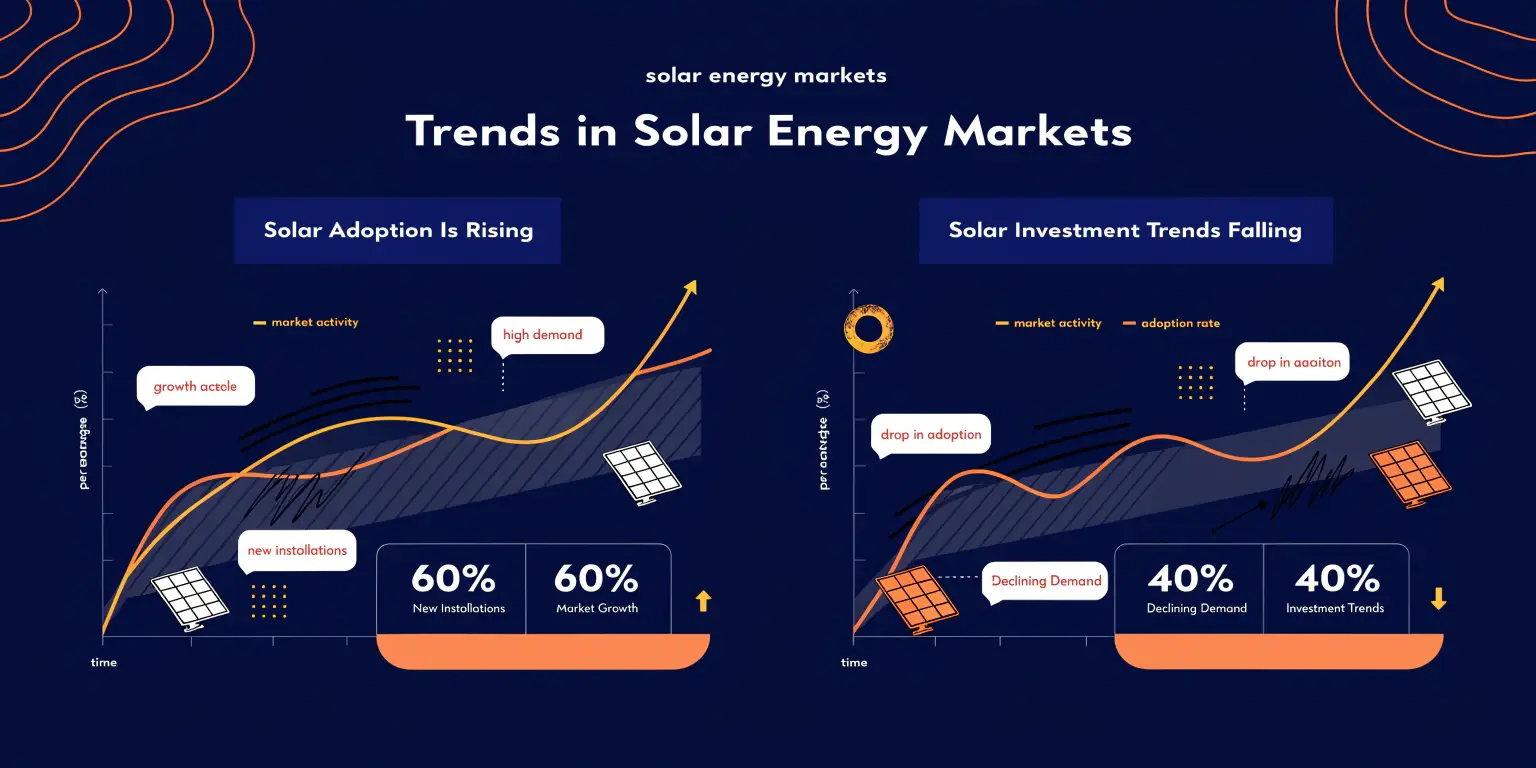
I always watch key drivers. Solar pricing depends on upstream materials.
Main factors I monitor:
- Silicon price
- Glass price
- Aluminum frame cost
- Demand cycles in EU, US, Australia
- China policy changes
Simple monitoring system I use
I do not use complex tools. I follow a simple weekly routine.
| What I Track | Frequency | Action |
|---|---|---|
| Supplier quotes | Weekly | Compare trends |
| Market reports | Monthly | Check direction |
| Competitor pricing | Monthly | Validate range |
| Raw material news | Weekly | Predict changes |
Timing strategy
I place orders based on trend direction.
- If prices are rising → I lock early
- If prices are falling → I delay slightly
- If unstable → I split orders
This reduces risk.
Order timing example
I once delayed an order by 3 weeks. Silicon price dropped. I saved around 5% on the total order.
But I also made the opposite decision before. I locked early when I saw supply tightening. That also saved cost.
What most buyers miss
Most buyers focus only on panel price.
I also track:
- Exchange rates
- Freight cost
- Container availability
These also affect final cost.
My rule
I never place large repeat orders blindly.
I always ask:
“Is this the right time?”
Can contracts guarantee price stability3?
Many buyers believe contracts fully lock prices. This is not always true.
Contracts reduce risk, but they must be designed carefully.
What contracts can really do
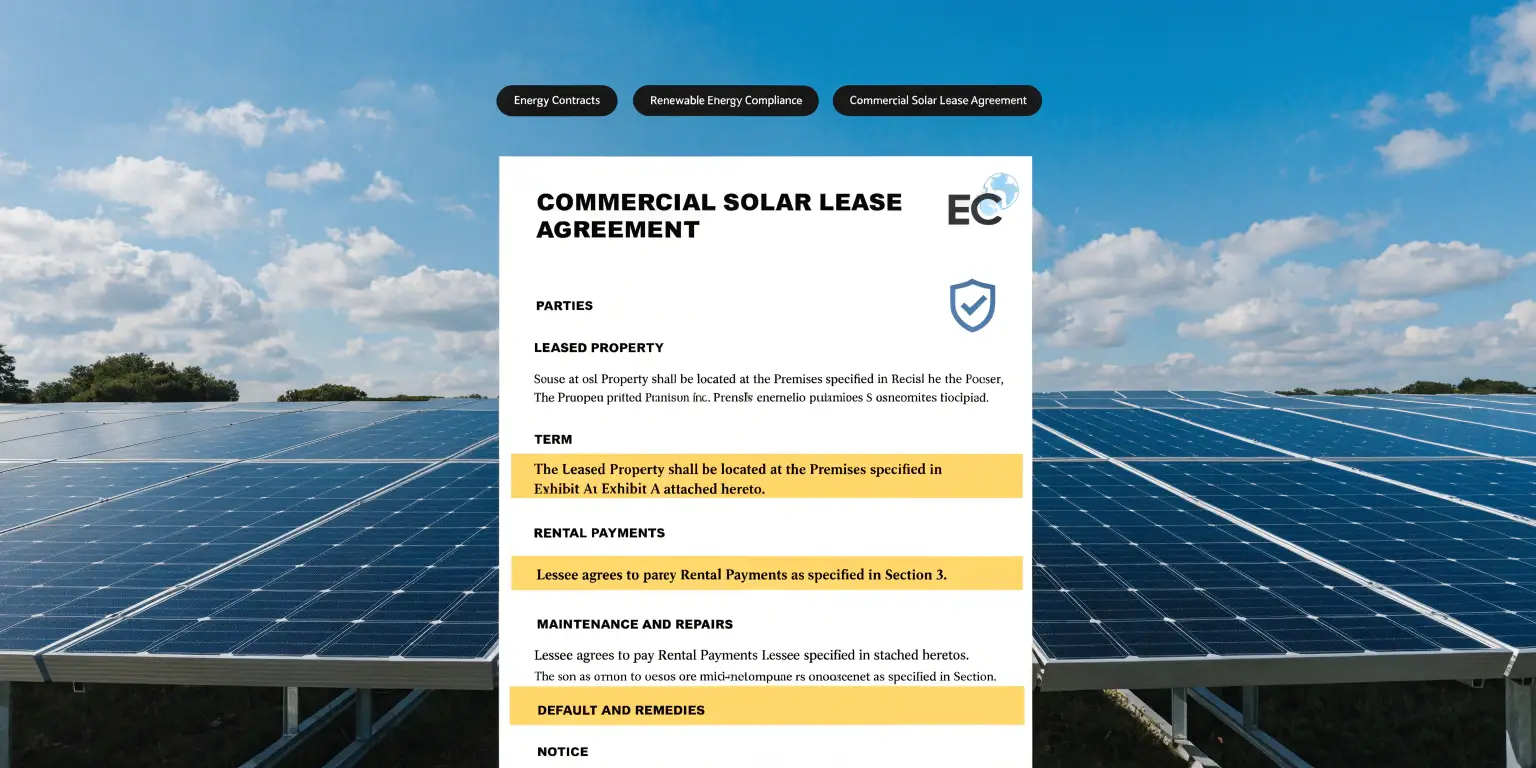
Contracts can:
- Lock pricing within a defined range
- Set rules for adjustments
- Prevent sudden changes
But they cannot stop all market movement.
Key clauses I always include
| Clause | Purpose | My Requirement |
|---|---|---|
| Fixed pricing | Lock base cost | Per watt or per panel |
| Escalation clause | Control increases | Max 3–5% |
| Material pass-through | Fair adjustment | Only with proof |
| Lead time clause | Prevent rush cost | Fixed schedule |
| Penalty clause | Ensure compliance | For delays or changes |
Most important clause: specification lock
I always lock:
- Cell type
- Glass type
- Frame material
- Connector brand
If specs change, price changes. That is normal.
So I control specs first.
Risk of weak contracts
I have seen buyers sign simple agreements. Then suppliers change:
- Materials
- Connector brands
- Cable types
This leads to hidden cost and quality risk.
My real method
I create a full BOM (Bill of Materials4). I attach it to the contract.
I also include:
- Approved supplier list
- Approved component brands
- No substitution rule
What I learned
A contract is not just about price.
It is about controlling:
- Design
- Materials
- Process
Only then price becomes stable.
How do I prevent unexpected cost increases5?
Many buyers only react after prices increase. I prevent increases before they happen.
Root causes of cost increases
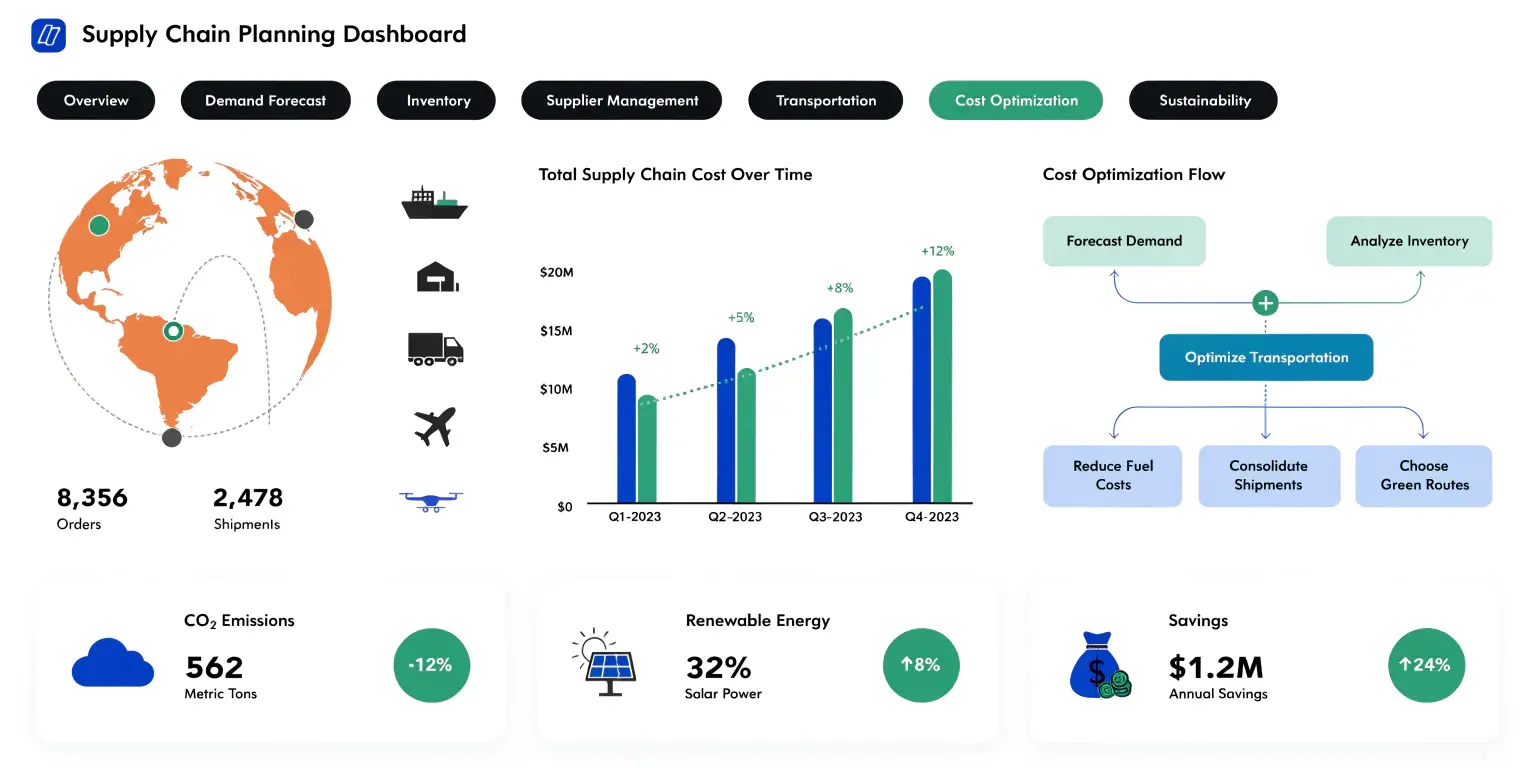
I have seen cost increases come from:
- Raw material spikes
- Design changes
- Small batch orders
- Urgent delivery requests
- Supplier substitution
So I control these areas first.
My prevention strategy
| Risk Area | My Action | Result |
|---|---|---|
| Material fluctuation | Lock or cap pricing | Stable cost |
| Design change | Freeze specs | No variation |
| Small orders | Plan batch size | Lower cost |
| Urgent orders | Plan ahead | Avoid premium |
| Supplier risk | Use 2–3 suppliers | Competition |
Order planning strategy
I never place random orders.
I plan:
- 3–6 months forecast
- Batch grouping
- Repeat schedule
This gives suppliers stability. Then they give me better pricing.
Supplier relationship
I do not switch suppliers often.
I build long-term cooperation.
Benefits:
- Better pricing
- Priority production
- Flexible negotiation
Real example
I had a project with unstable demand. Instead of placing small orders, I combined orders into one quarterly batch.
Result:
- Lower unit price
- Lower shipping cost
- Better consistency
Hidden cost most people ignore
Many buyers ignore design changes.
Even small changes like:
- Cable length
- Connector type
- Frame thickness
These can increase cost.
So I standardize designs.
My final rule
I do not chase the lowest price.
I build a system where price stays predictable.
Conclusion
I control repeat order pricing by locking contracts, tracking markets, fixing specifications, and planning orders early. Stable pricing comes from control, not luck.
-
Explore how long-term agreements can stabilize pricing and enhance supplier relationships. ↩
-
Discover the advantages of framework agreements for managing supplier relationships and pricing. ↩
-
Understanding how contracts can ensure price stability is crucial for making informed decisions in business. ↩
-
Exploring the significance of a Bill of Materials can enhance your understanding of contract management and risk mitigation. ↩
-
Understanding the causes of cost increases can help you implement effective strategies to prevent them. ↩
