 Skip to content

How can I import custom solar panels from China and specify cell brand or grade?
Choosing custom solar panels sounds simple at first. But once cell brands and grades change, power loss, defects, and disputes quickly appear.
I can specify both solar cell brand and grade when importing custom panels from China, but only if I lock them clearly in contracts, BOMs, and inspection rules before mass production.
I learned this lesson after several custom projects. The module looked correct. The power looked acceptable. But long-term performance told a different story. This is why cell brand and grade decisions deserve much more attention than most buyers expect.
Can I choose high-efficiency cells1?
Many buyers assume high-efficiency cells are automatically used. That assumption often causes problems.
Yes, I can choose high-efficiency cells, but only if I clearly define efficiency grade2, cell brand, and testing standards in advance.
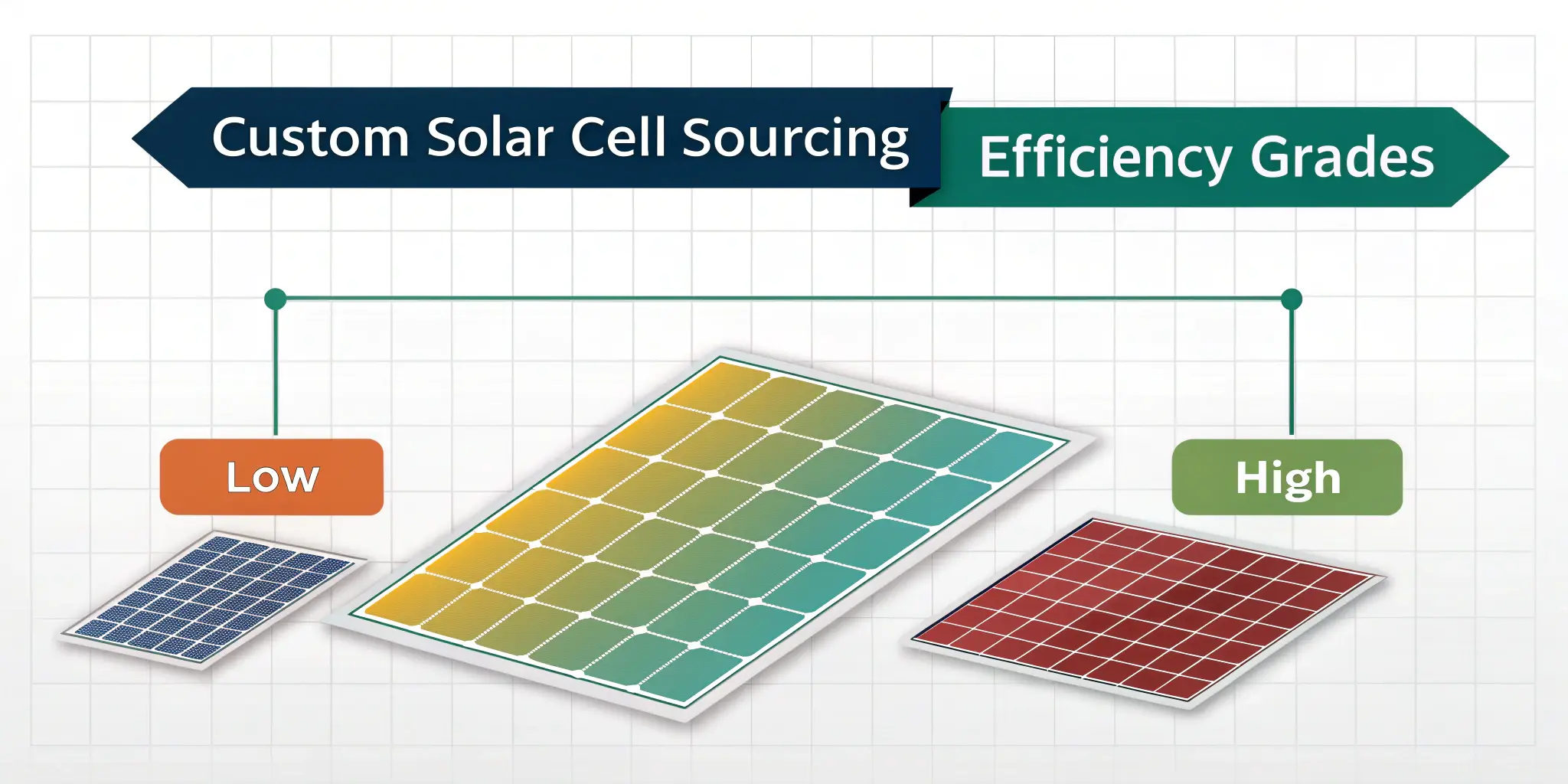
What “high-efficiency” really means in practice
High-efficiency is not a single standard. In real factories, it depends on several variables. Cell efficiency can mean 22.5%, 23%, or even higher. But suppliers may still call all of them “high-efficiency.”
If I do not specify exact efficiency ranges, the factory will choose what fits their inventory. This is not fraud. It is normal production behavior.
How efficiency links to cell brand and grade
Cell brand and efficiency grade are always connected. Tier-1 brands3 like LONGi, Jinko, Tongwei, and Trina classify cells into multiple internal grades. Two cells from the same brand can perform very differently.
Here is how I see it in real orders:
| Item | Grade A+ | Grade A | Grade B |
|---|---|---|---|
| Efficiency consistency | Very high | High | Medium |
| Visual defects | Almost none | Minor | Common |
| Power tolerance | Tight | Acceptable | Wide |
| Degradation risk | Low | Medium | High |
If I want true high-efficiency performance, I must request Grade A or A+ only. Otherwise, efficiency numbers on paper will not reflect reality.
Why MOQ matters for high-efficiency cells
High-efficiency cells are not always available for small orders. Factories allocate premium cells to large or repeat buyers first.
If my order quantity is low, the factory may push alternative grades unless I lock it contractually. This is why I always check MOQ limits4 before promising performance to my own customers.
High-efficiency is possible. But only when I define it clearly and protect it contractually.
How do I verify authenticity?
Specifying a cell brand is useless if I cannot verify it.
I verify cell brand authenticity through traceability documents, test reports, and production matching, not logos or verbal promises.
[^5], solar panel cell traceability and batch management process](https://rayenrg.com/wp-content/uploads/2026/01/traceability-3.webp)
Why visual checks are not enough
Many buyers rely on appearance. Black cells look premium. Blue cells look cheap. This approach fails quickly.
Cells from different brands can look identical once laminated. By the time the panel is finished, visual verification is almost impossible.
The documents I always request
To verify authenticity, I ask for documents that connect cells to finished panels:
| Document | Purpose |
|---|---|
| Cell manufacturer certificate | Confirms source |
| Cell batch number | Enables traceability |
| IV test report | Confirms electrical values |
| EL images | Detect microcracks |
| BOM with brand names | Prevents substitution |
If a supplier cannot provide these, I treat it as a risk signal.
Serial number and batch logic
Good factories track cell batches internally. This means panel serial numbers can link back to specific cell deliveries.
I always ask one simple question:
“Can you trace this panel back to a specific cell batch?”
If the answer is unclear, authenticity cannot be guaranteed.
Third-party verification matters
For large orders, I tie payments to third-party inspection. Inspectors can verify cell brand packaging before lamination. After lamination, it is already too late.
Verification is not about distrust. It is about system design. Clear verification protects both sides.
How do I balance cost and performance5?
This is the hardest question. And also the most misunderstood.
I balance cost and performance by matching cell grade to application risk, not by chasing the lowest price per watt.
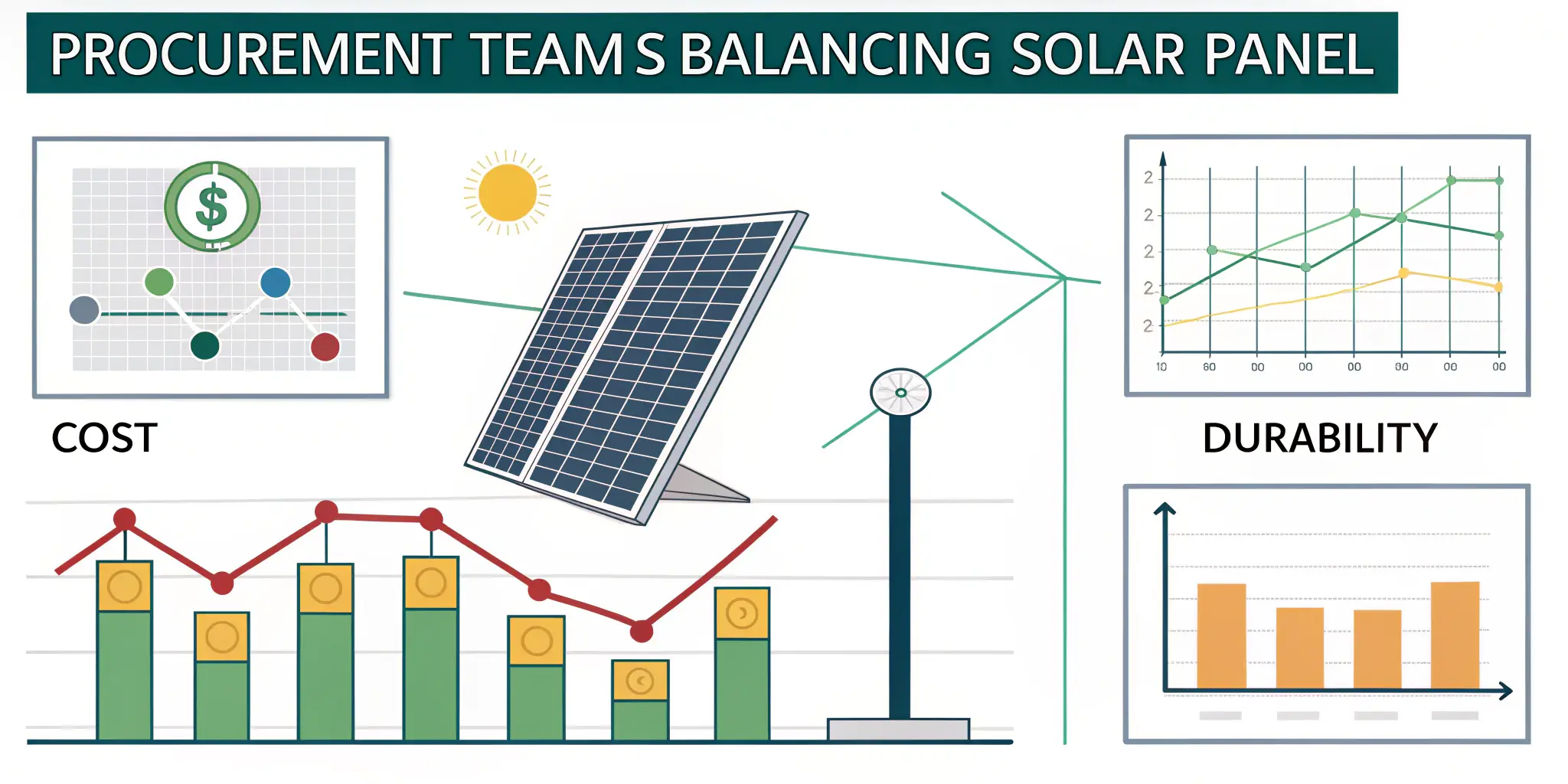
Why cheaper cells cost more later
Lower-grade cells often meet basic electrical specs. But they bring hidden costs.
I have seen these issues repeatedly:
- Wider power tolerance
- Faster degradation
- Appearance complaints
- Higher warranty claims
The upfront savings disappear quickly once systems age.
Matching grade to application
Not every project needs premium cells. But not every project can tolerate cheap ones.
| Application | Recommended Cell Grade |
|---|---|
| Consumer portable panels | Grade A |
| Commercial rooftops | Grade A+ |
| Utility-scale projects | Tier-1 Grade A+ |
| Cost-driven demo systems | Grade A (limited) |
I never mix grades in one batch. Mixing creates mismatch losses and unstable strings.
Lead time and cost trade-offs
Higher grades require sorting and allocation. This increases lead time. Buyers often ignore this until deadlines slip.
I always decide early:
- Do I want faster delivery?
- Or better long-term stability?
Trying to get both without compromise rarely works.
Long-term thinking wins
I learned that stable performance matters more than headline efficiency. A slightly lower efficiency Grade A+ cell often beats a higher nominal but unstable alternative.
Balancing cost and performance is not about negotiation. It is about choosing the right risk profile.
What documentation should I request?
Documentation is where real control happens.
I protect my custom solar panel orders by requesting technical, contractual, and inspection documents before production starts.
Technical documents that matter
I always request these before mass production:
| Document | Why it matters |
|---|---|
| Detailed datasheet | Confirms electrical design |
| Cell efficiency declaration | Locks performance |
| Temperature coefficients | Protects system limits |
| Junction box rating | Ensures voltage safety |
Without these, customization claims are meaningless.
Contract clauses I never skip
My contracts always include:
- Cell brand name
- Cell grade definition
- No substitution clause
- Rejection criteria
- Penalties for deviation
If the contract is vague, production will be flexible. Flexible production creates inconsistent results.
Inspection and payment linkage
I link payment milestones to verification:
- Cell arrival inspection
- Pre-lamination checks
- Final EL and IV testing
This aligns incentives. The factory focuses on compliance, not shortcuts.
Why documentation protects repeat orders
Clear documentation ensures consistency across batches. This matters more than first delivery success.
When I reorder, I expect identical performance. Documents make that expectation enforceable.
Conclusion
Specifying cell brand and grade is possible, but only with clear contracts, traceability, and inspection discipline. Control comes from preparation, not assumptions.
-
Understanding high-efficiency cells can help you make informed decisions about solar energy investments. ↩
-
Learn how efficiency grades impact solar cell performance and selection for optimal energy output. ↩
-
Discover the top Tier-1 brands and their significance in ensuring quality and reliability in solar technology. ↩
-
Understanding MOQ limits can help you navigate purchasing decisions and ensure you get the best products. ↩
-
Understanding the balance between cost and performance is crucial for making informed decisions in solar panel procurement. ↩
