 Skip to content

What is the typical minimum order quantity (MOQ) when importing PV connectors from China?
I meet many buyers who feel stressed when they face MOQ rules because they worry about cost, stock pressure, and supplier attitudes.
The typical MOQ for PV connectors from China is 500 to 1,000 sets, but it changes with supplier type, product type, and order purpose.
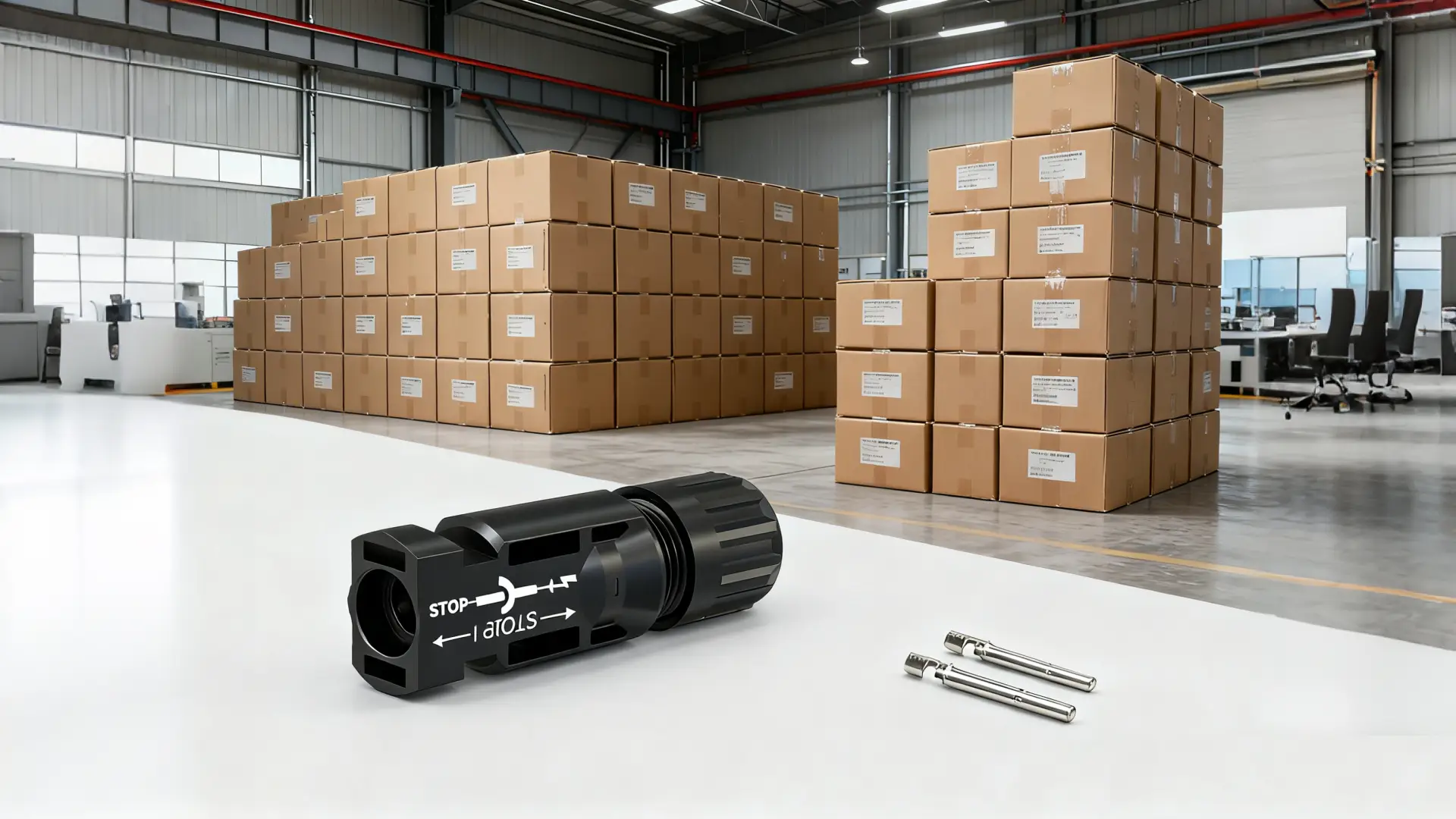
Many buyers think MOQ is a simple rule, but I see it work like a filter that helps suppliers manage cost and helps buyers judge supplier quality. So I want to explain how it works in real cases.
Do different factories have different MOQ rules1?
I see very different MOQ rules when I talk with factories, distributors, and trade companies, and this often confuses new buyers.
Different factories set different MOQs because their production scale2, stock level, and cost structures are not the same.
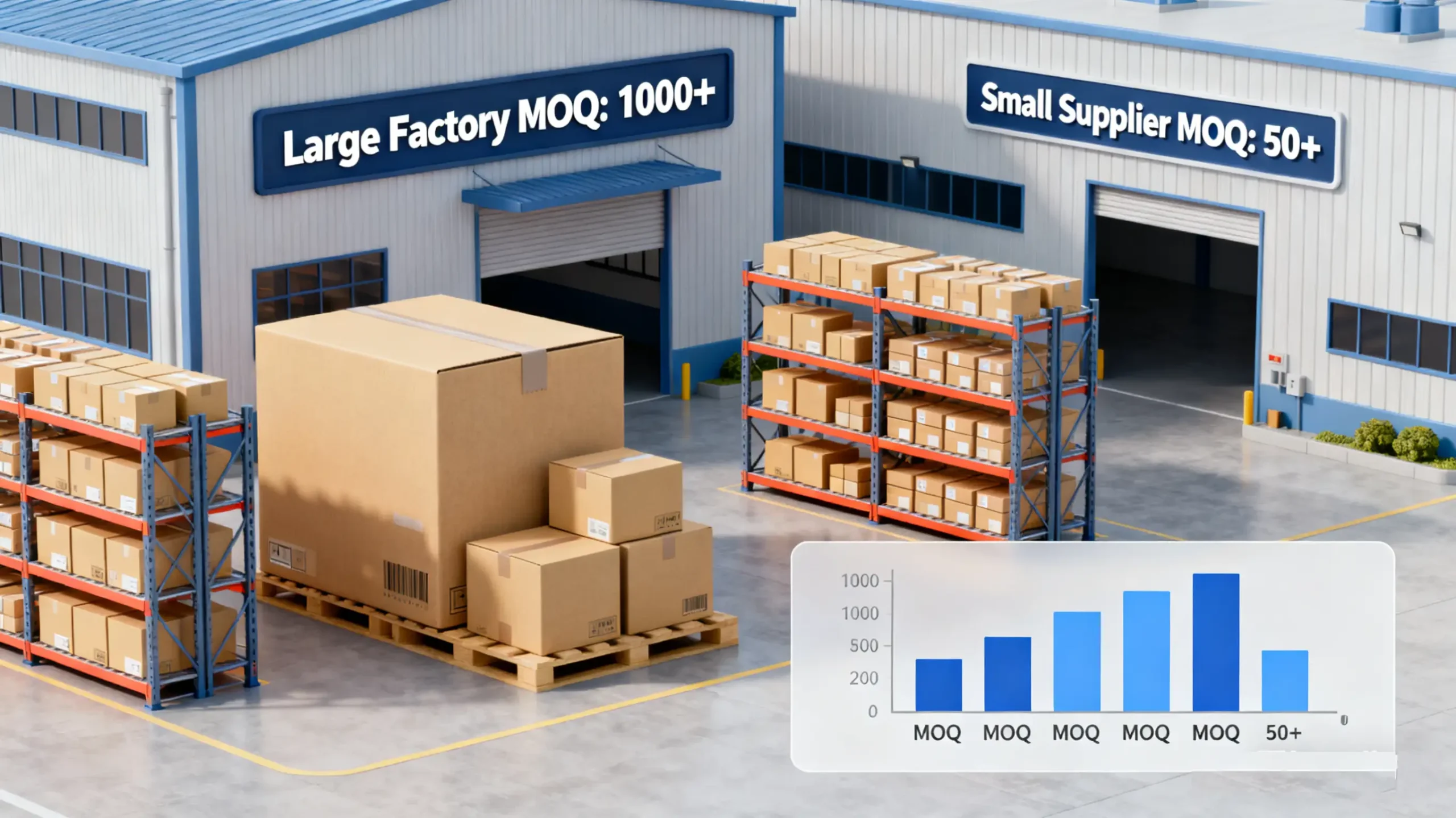
Why MOQ varies by supplier type
When I work with different suppliers, I notice a pattern. Bigger OEM factories always ask for higher MOQs. Smaller or flexible suppliers accept lower MOQs but increase the unit price. I explain this pattern in the table below.
| Supplier Type | Typical MOQ | Reason |
|---|---|---|
| Large OEM factory | 3,000–5,000 sets | Needs stable batch production and controlled certification process |
| Mid-size manufacturer | 1,000–2,000 sets | Balances production efficiency and customer flexibility |
| Authorized distributor | 800–1,000 sets | Must follow brand rules, especially for TÜV or UL connectors |
| Small supplier / trader | 100–300 sets | Flexible but with higher prices and limited certification support |
How production scale affects MOQ
When a factory starts production, it needs to prepare copper terminals, plastic housings, seal rings, assembly lines, and inspection tools. These steps cost time and materials. The factory spreads this cost across each batch. Large batches lower unit cost, so factories push for higher MOQs.
Small suppliers do not carry these costs because they rely on stock or mixed batches. This is why they accept smaller MOQs but do not offer the same pricing or documentation.
How certification affects MOQ3
TÜV or UL connectors run under controlled batch production. Factories avoid small batches because they break consistency. This is why certified products often require 1,000 sets or more. Buyers who need certification must accept higher MOQs or higher prices.
Why MOQ flexibility is part of supplier relationship4
I see many suppliers lower MOQ after they build trust. They do this only after repeated orders. So MOQ is never a fixed rule. It is a negotiation parameter that reflects trust, frequency, and long-term planning.
Will small orders5 extend production lead time6?
Many buyers think small orders should ship faster, but I see the opposite happen often in real cases.
Small orders often extend lead time because factories put them at the end of the production queue.
Why small orders move slower in factories
I see factories organize production by batch size. Large batches help them reduce labor cost and control product consistency. When a small batch arrives, the factory must switch tools, change material feeding, and adjust mold settings. This wastes time. So they push small orders to low-priority schedules.
| Order Size | Typical Lead Time | Factory Priority |
|---|---|---|
| 3,000+ sets | 7–10 days | Highest |
| 1,000–2,000 sets | 10–15 days | Normal |
| 200–500 sets | 15–25 days | Low |
| Trial order (<200 sets) | 20–35 days | Lowest |
Why packaging also delays small orders
Connectors need matched packaging: small bags, set packing, and carton boxing. Factories stock packaging only for their normal batch size. When a buyer requests small lots, the factory often buys packaging on demand, which adds days to the schedule.
How certifications slow down small orders
TÜV, UL, and RCM-certified connectors usually require batch testing. Factories prefer larger batches because testing cost spreads across more units. Small batches may need separate testing, and this adds extra days.
How buyers can reduce lead time for small orders
I tested many strategies with buyers. The most effective ones are:
- Ask for in-stock items
- Accept mixed-batch packaging
- Avoid special labels
- Avoid custom cable lengths
- Combine multiple items into one PO
These steps help factories avoid setup changes and shorten delivery.
Can large volume orders offer lower unit prices7?
I often see buyers ask this question because PV connectors look simple, but their cost structure has deep layers.
Large orders offer lower prices because they reduce material loss, labor time, and quality-control cost for each set.

Why production cost drops8 with larger orders
Material cost for terminals, housings, spring contacts, and seals becomes cheaper when factories buy copper and plastics in bulk. Labor efficiency also rises because workers repeat the same assembly steps without stopping.
| Order Volume | Price Trend | Reason |
|---|---|---|
| <500 sets | Highest | Low efficiency, high setup cost |
| 1,000 sets | Standard | Normal production batch |
| 3,000 sets | Lower | Better material use and labor efficiency |
| 10,000 sets | Lowest | Full batch optimization |
Factories cover costs that buyers never see:
- Mold wear and maintenance
- Copper price volatility
- Quality-inspection tools
- Packaging material loss
- Sample burn-in tests
Larger orders help them recover these costs more easily, so they reduce the unit price.
How brand-level products behave differently
When buyers import Stäubli connectors, the price does not drop as fast as OEM connectors because brand-level products have fixed global pricing. But authorized distributors still offer better cost if a buyer accepts full-box orders instead of partial boxes.
Why long-term buyers get better prices
Factories reward stable buyers with lower MOQs, better pricing, and priority in production queues. I see many buyers get 5–10% lower price after they place repeat orders for 6–12 months.
Do suppliers accept trial orders9?
Many buyers ask this when they are still unsure about supplier reliability10.
Most suppliers accept trial orders, but they use them to measure buyer potential and decide how much support to offer.

Why suppliers accept trial orders
Trial orders help suppliers test:
- Buyer communication
- Payment reliability
- Potential long-term demand11
- Technical requirements
Factories lose profit on small orders, but they accept the loss when they see long-term potential.
| Supplier Type | Trial Order Support | Notes |
|---|---|---|
| Large factory | Limited | Needs higher MOQ for batch consistency |
| Mid-size factory | Moderate | Accepts trials but charges higher price |
| Distributor | Good | Has stock and flexible packaging |
| Trade company | Very good | Accepts very small orders with higher unit cost |
Why trial orders cost more
Trial orders often:
- Use leftover stock
- Use mixed batches
- Skip certification documents
- Skip formal packaging
This keeps cost high. Buyers who insist on full documentation for trial orders should expect even higher prices.
What trial orders reveal about suppliers
When I help buyers audit suppliers, trial orders tell me:
- Whether connectors match technical data
- Whether terminal plating is stable
- Whether the seal ring is soft enough
- Whether the locking system feels smooth
- Whether the parts come from the same batch
Trial orders are not only product tests. They are relationship tests.
How to make trial orders more effective
I suggest these steps to buyers:
- Ask for 200–300 sets, not 20–50 sets
- Request original packaging photos
- Test crimping and contact resistance
- Test mating force and fit
- Test waterproofing with basic tools
This gives a realistic view of product quality and supplier seriousness.
Conclusion
MOQ is not a fixed rule. It reflects supplier capacity, order purpose, and buyer relationship.
-
Understanding MOQ rules can help buyers negotiate better terms and make informed purchasing decisions. ↩
-
Exploring this topic reveals how production efficiency impacts costs and pricing strategies in manufacturing. ↩
-
This resource will clarify the relationship between product certification and minimum order quantities. ↩
-
Learning about supplier relationships can enhance negotiation skills and foster better business partnerships. ↩
-
Exploring this topic reveals insights into manufacturing processes and how to improve order fulfillment. ↩
-
Understanding production lead time can help buyers make informed decisions and optimize their ordering strategies. ↩
-
Understanding the factors behind lower unit prices can help buyers negotiate better deals and optimize their purchasing strategies. ↩
-
Exploring this topic reveals insights into manufacturing efficiencies that can lead to significant savings for buyers. ↩
-
Understanding trial orders can help you negotiate better terms and assess supplier reliability. ↩
-
Exploring this topic can provide insights into evaluating suppliers effectively and ensuring quality. ↩
-
This resource can help you understand market trends and improve your supply chain strategy. ↩
