 Skip to content
Which Solar Panel Customizations Cause the Highest Import Risks from China?
Many buyers think customization only changes price. I have seen projects fail because high-risk requests were hidden inside “simple” ideas.
High-risk customization usually involves non-standard structures, uncommon materials, aggressive performance targets, or certification scope changes that factories cannot absorb easily.
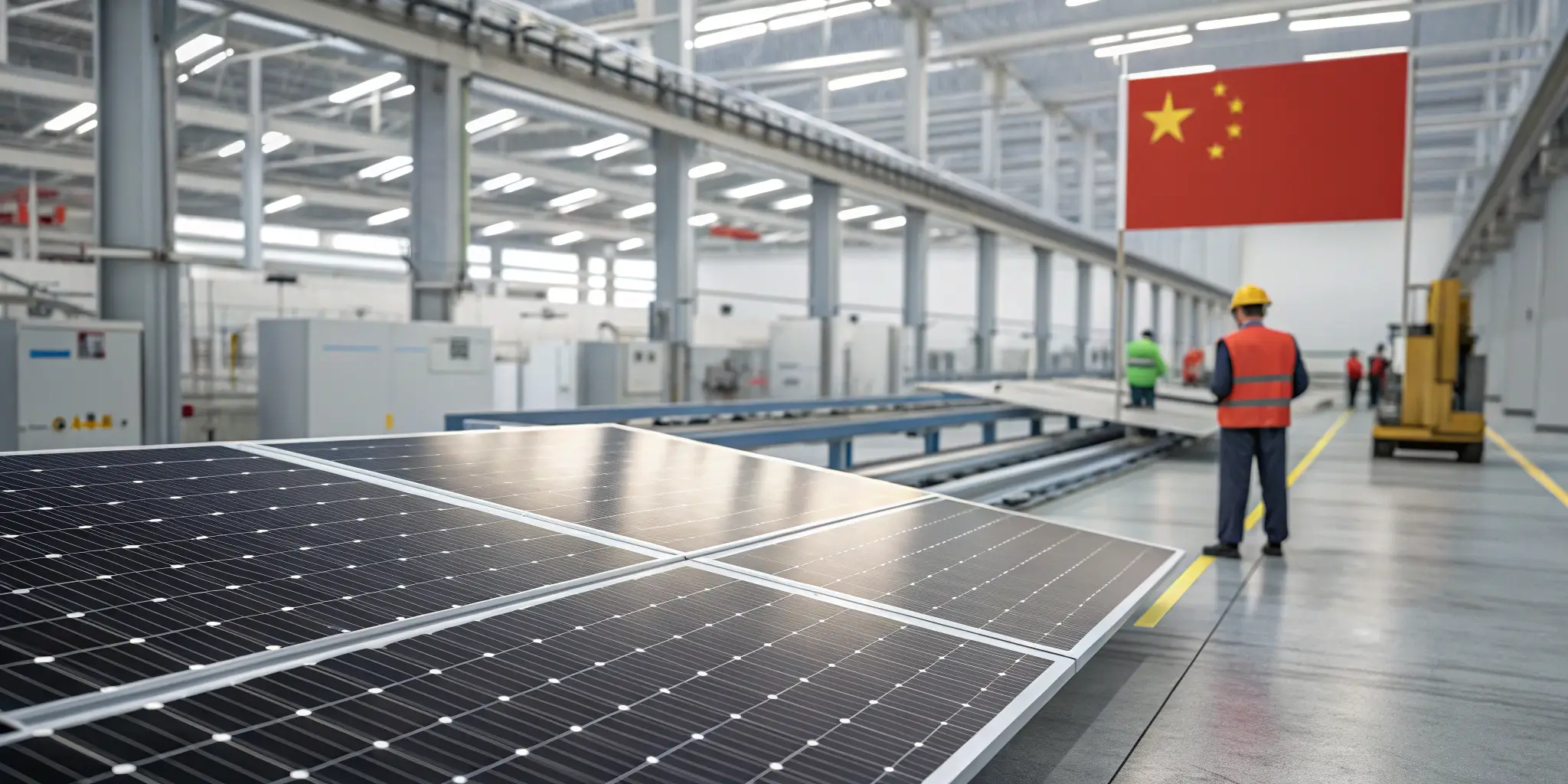
I write this from what I have seen in real sourcing work. China can build custom panels well. But not every request is safe, especially for first orders. Below, I break down the main risk zones and how I lower failure probability.
Which changes increase rejection risk1?
Rejection risk does not only mean factory rejection. It also includes QC rejection, certification failure, and customer refusal after delivery.
Changes that push factories outside their stable process window significantly increase rejection risk.
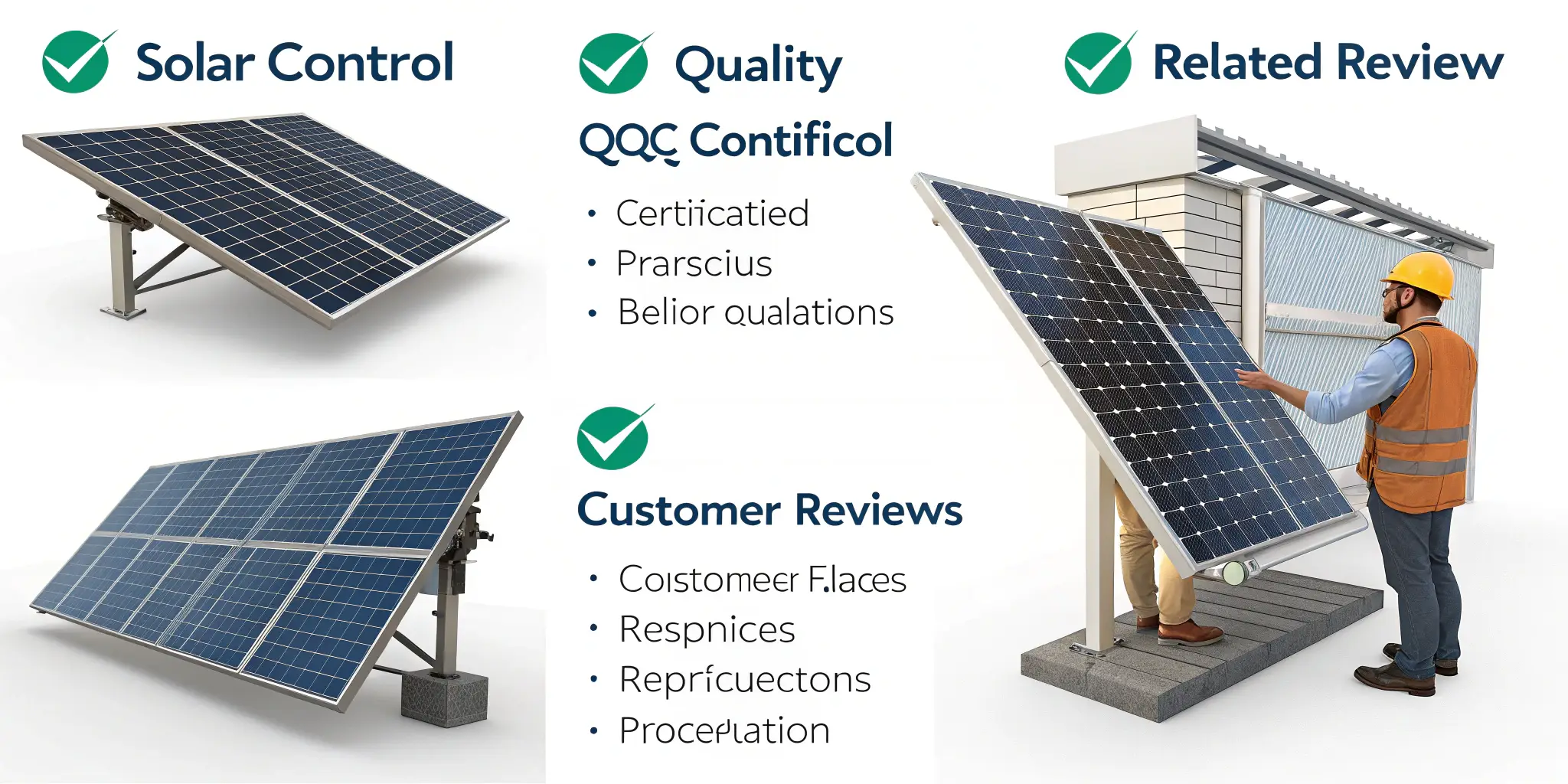
Non-standard mechanical structures
Factories are optimized for rectangular, rigid glass modules. When I request unusual shapes, risk rises fast.
High-risk examples:
- Non-rectangular panels
- Curved or flexible laminates
- Ultra-thin glass designs
These designs affect:
- Lamination pressure balance
- Frame strength
- Long-term reliability
| Change type | Rejection risk | Main reason |
|---|---|---|
| Standard rectangle | Low | Proven process |
| Custom thickness | Medium | Stress variation |
| Non-rectangular | High | Structural instability |
Aggressive power density targets
Some buyers want more watts from less area. This sounds good on paper.
In reality, it pushes:
- Cell current density
- Ribbon and solder stress
- Hotspot probability
Factories may produce samples. But mass production stability often fails QC.
Cosmetic perfection demands
I have seen orders rejected because of appearance rules.
High-risk cosmetic demands include:
- Perfect color uniformity
- Zero visible micro-lines
- No minor frame shade differences
These increase internal rejection rates and slow output. Factories then delay shipments or renegotiate.
Rejection risk grows when I ask for things factories do not mass-produce every day.
How do I assess material limitations?
Many customization risks come from materials, not design ideas.
Material risk2 appears when requested components are not standard stock items or fall outside certified BOMs.
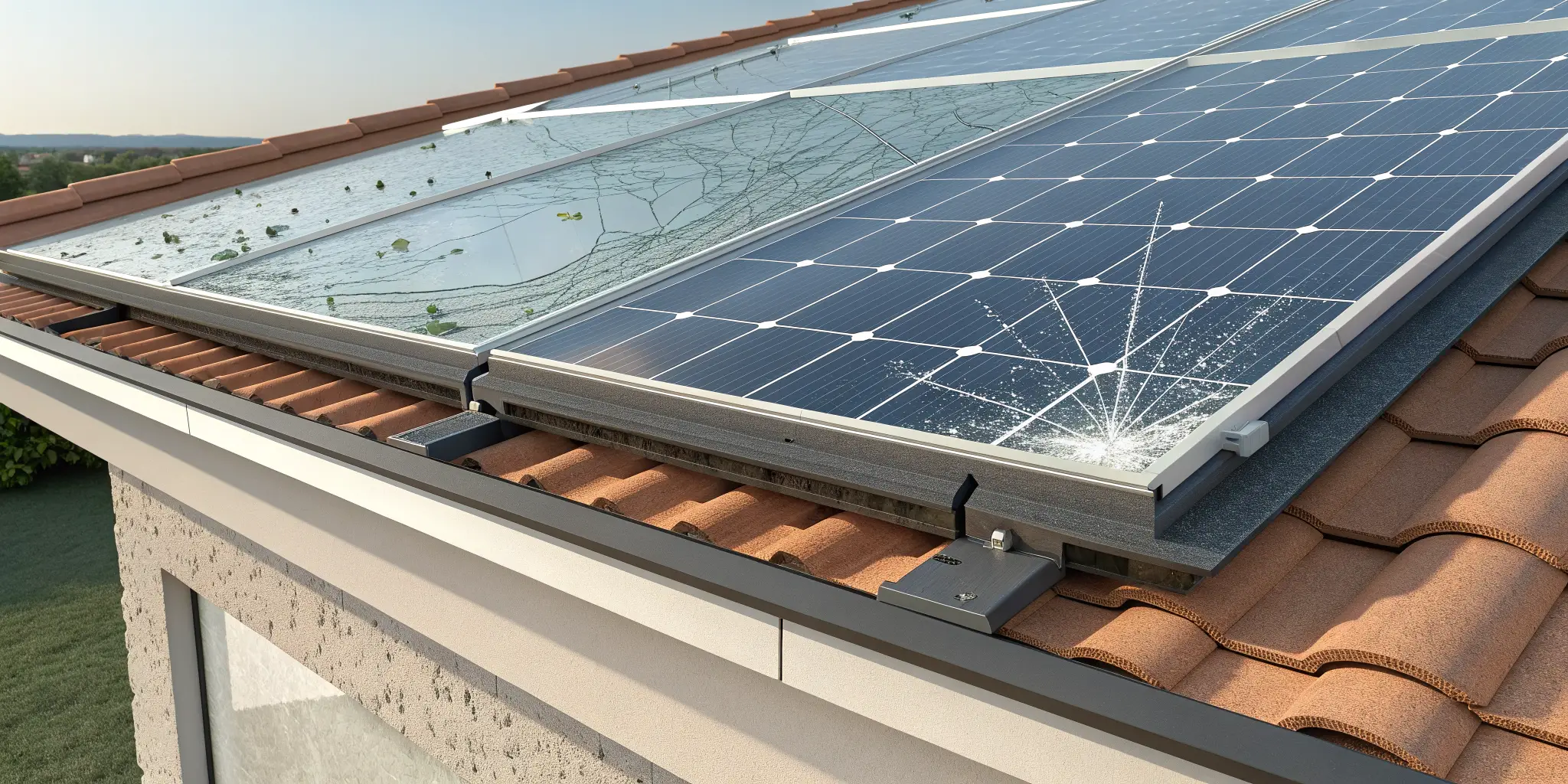
Glass is a major bottleneck
Special glass looks like a small upgrade. It is not.
High-risk glass requests:
- Anti-glare coatings
- Extra-thick tempered glass
- Textured or patterned glass
These often require:
- New suppliers
- Longer procurement time
- Additional testing
| Glass type | Availability | Risk level |
|---|---|---|
| Standard tempered | High | Low |
| Anti-glare | Medium | Medium |
| Custom texture | Low | High |
Frame material and color limits
Frame customization seems cosmetic. It affects corrosion and strength.
Risk increases with:
- Non-standard alloys
- Uncommon anodizing colors
- Custom thickness profiles
Factories may need external anodizing vendors. This adds delay and quality risk.
BOM substitutions3 are dangerous
Some buyers try to reduce cost by changing EVA, backsheet, or sealant.
I consider this high-risk because:
- Delamination risk rises
- Yellowing risk increases
- Certification scope breaks
Material limits are real. I always ask if the material is already used in mass production.
Are some requests not recommended for first orders4?
Yes. First orders should prove stability, not creativity.
First orders should stay close to factory standard designs to build trust, data, and predictability.
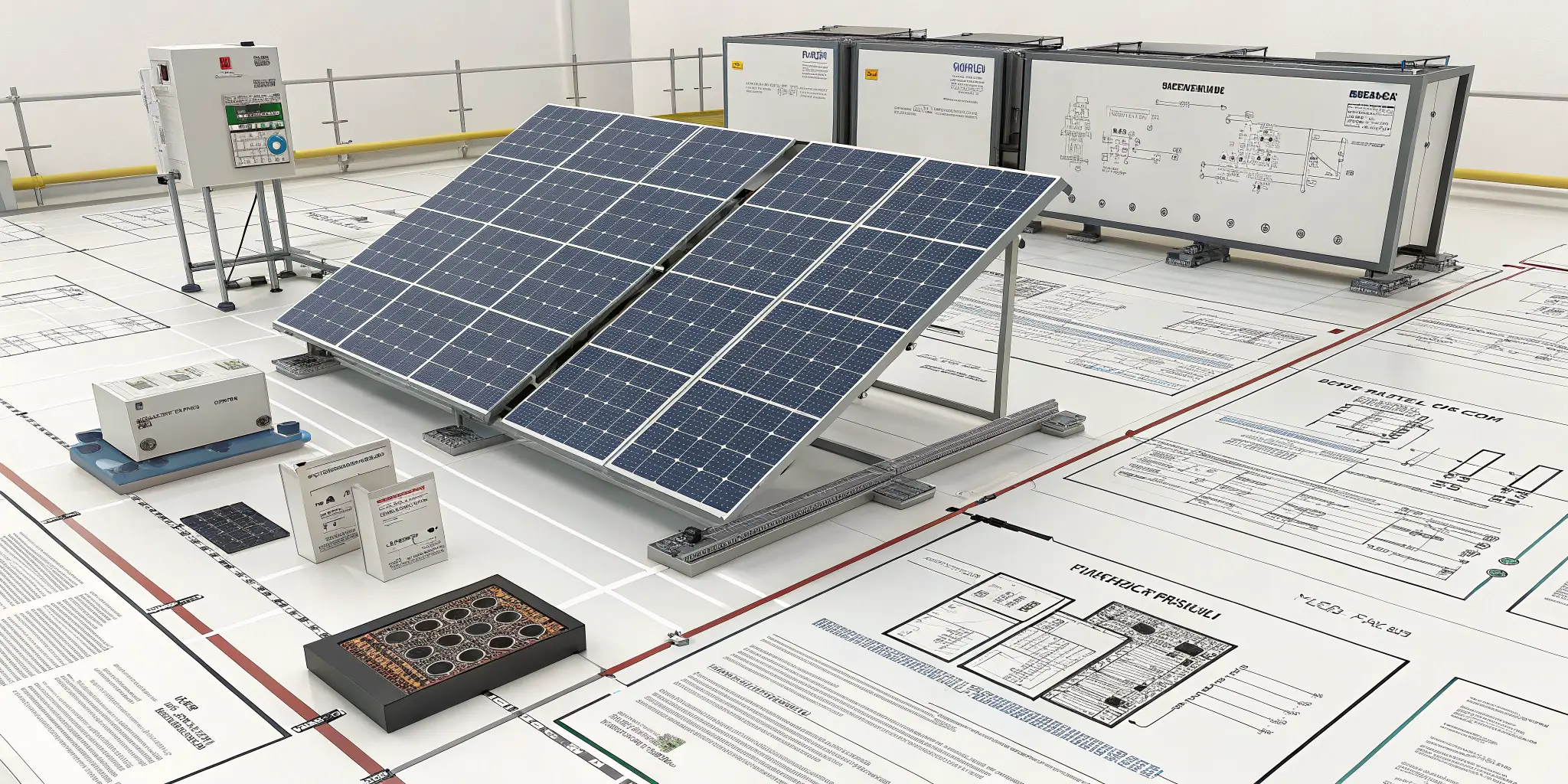
High-risk requests for first orders
I avoid these on first cooperation:
- Experimental cell technologies
- Multi-region certification in one SKU
- Very tight cosmetic standards
- Ultra-short lead times with heavy customization
These require deep coordination. That trust does not exist yet.
Certification scope complexity5
When one panel must meet EU, US, and Australia standards at the same time, risk increases.
Problems include:
- Conflicting label rules
- Different test sequences
- Rework after partial failures
| Certification scope | Risk | Recommendation |
|---|---|---|
| Single region | Low | Good for first order |
| Two regions | Medium | Possible |
| Three+ regions | High | Avoid initially |
Volume matters more than buyers think
Very small custom orders are often deprioritized.
Factories will:
- Push schedules back
- Allocate fewer resources
- Delay problem-solving
For first orders, moderate volume improves attention and quality.
How do I reduce failure probability6?
Risk cannot be removed. It can be managed.
Failure probability drops when I lock specs early, stay inside certified boundaries, and build buffer into time and volume.
[^7]](https://rayenrg.com/wp-content/uploads/2025/12/reduce-solar-panel-failure-5.webp)
Lock drawings early
Late drawing changes are one of the biggest failure triggers.
I always:
- Approve mechanical drawings
- Sign electrical specs
- Freeze BOM lists
Any change after this increases rejection probability.
Use proven configurations
I prefer:
- Mainstream cell types
- Existing glass suppliers
- Certified junction boxes and connectors
Unusual junction box layouts or diode schemes increase field failure risk.
Build buffer into timelines
Short lead times plus heavy customization is dangerous.
I add:
- Extra certification buffer
- Extra production buffer
- Shipping flexibility
| Risk area | Mitigation |
|---|---|
| Design | Early freeze |
| Materials | Use stock BOM |
| Certification | One region first |
| Schedule | Add buffer |
Control change frequency
Frequent spec changes during production almost guarantee problems.
I limit changes to:
- One revision before production
- Zero changes after material ordering
Reducing failure is not about pushing factories harder. It is about asking safer questions earlier.
Conclusion
High-risk customization usually hides in structure, materials, and certification scope. I reduce failure by staying close to standard designs, locking specs early, and avoiding complex requests on first orders.
-
Understanding rejection risk is crucial for improving production quality and reducing waste in manufacturing processes. ↩
-
Understanding material risk is crucial for effective project management and ensuring product quality. ↩
-
Exploring BOM substitutions can help you avoid costly mistakes and ensure compliance with industry standards. ↩
-
Understanding best practices for first orders can help ensure a smooth and successful start to your manufacturing process. ↩
-
Exploring certification scope complexity will provide insights into managing risks and ensuring compliance in multi-region certifications. ↩
-
Understanding strategies to reduce failure probability can enhance project success and minimize risks. ↩
