 Skip to content
How can I import custom solar panels from China and know if payment method affects price?
Many buyers focus only on product price. Then they ignore payment terms and lose money through hidden costs.
Yes, payment method directly affects price. I see differences of 1–7% depending on risk, timing, and supplier confidence.
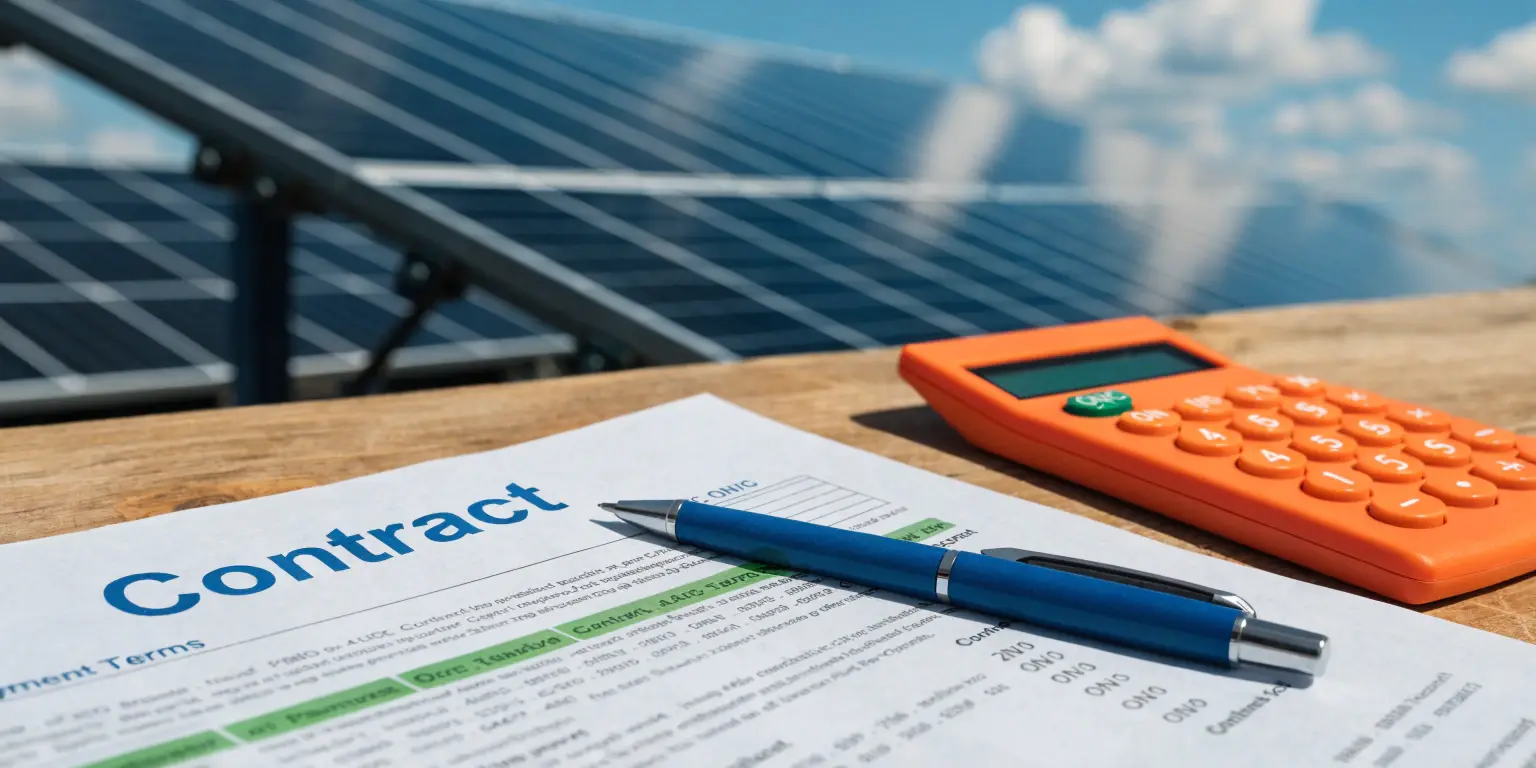
I always treat payment terms as part of pricing negotiation. I do not separate them. This is where many buyers lose margin.
How do different terms influence cost?
Many buyers think price is fixed. I know price changes based on how and when I pay.
Payment terms1 change supplier risk, and risk always changes price. Lower risk for supplier usually means lower price.
I always think from the supplier side. If I reduce their risk, they reward me with better pricing.
Risk comes from:
- Payment delay
- Order uncertainty
- Buyer reliability
So payment terms directly connect to price.
Common payment methods and cost impact
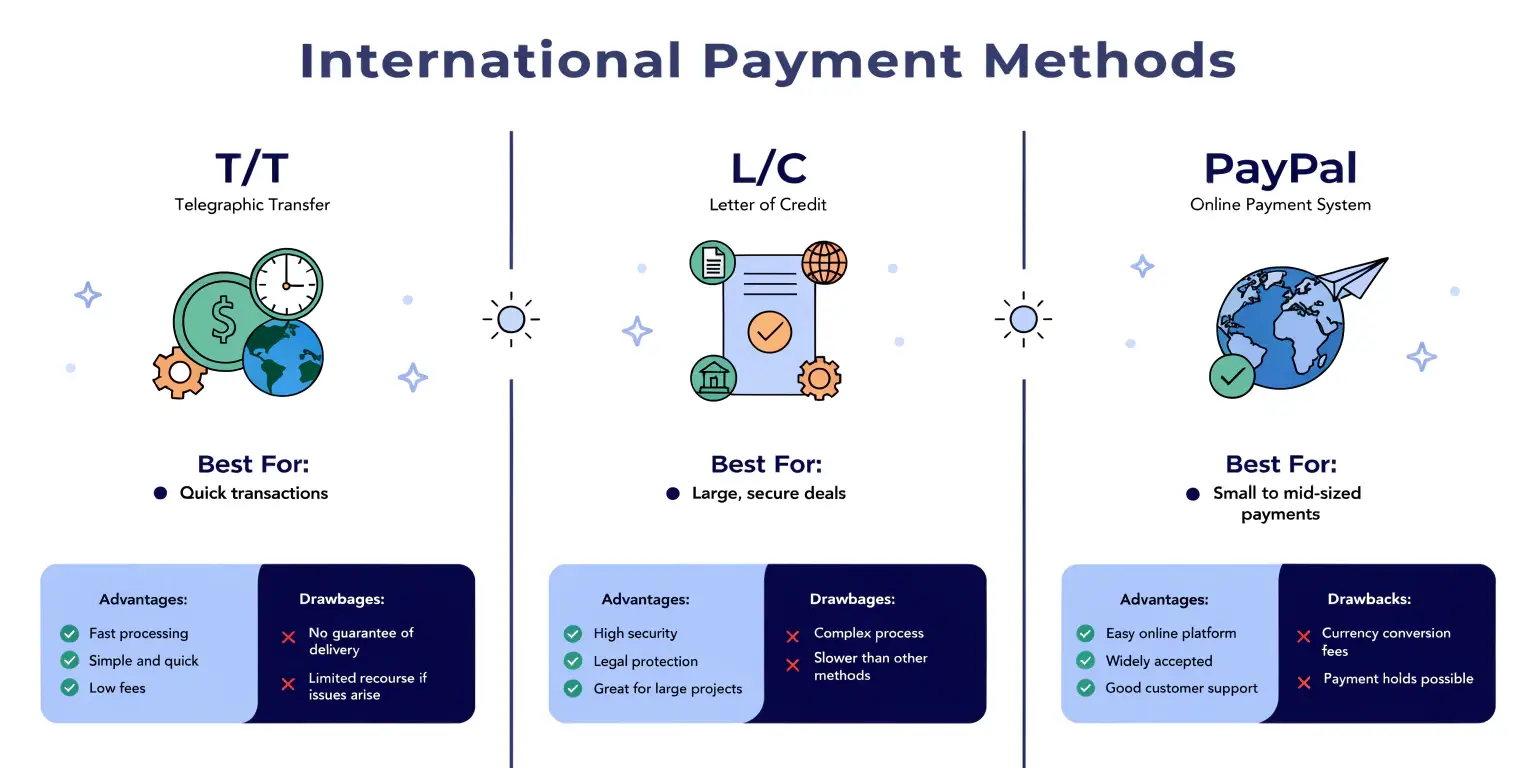
| Payment Method | Supplier Risk | Typical Price Impact | My View |
|---|---|---|---|
| T/T 30/70 | Medium | Base price | Standard practice |
| 100% T/T upfront | Low | 1–3% discount possible | Good for trusted suppliers |
| Letter of Credit (L/C) | Low | +2–5% cost | Expensive but safe |
| Usance L/C (30–90 days) | Medium-low | 1–3% discount (if negotiated) | Good for cash flow |
| PayPal | Very low | +3–5% cost | Only for samples |
Most factories quote based on:
- 30% deposit
- 70% before shipment
This is the baseline price.
If I change this:
- More risk → price increases
- Less risk → price decreases
Banks and platforms also add cost:
- L/C bank fees
- Currency conversion fees
- Platform charges
I never ask:
“What is your best price?”
I ask:
“What is your best price under this payment structure?”
Should I pay in advance or on delivery?
Many buyers want safety. They try to delay payment. But this usually increases price.
Advance payment reduces price but increases risk.2 Delayed payment increases price but improves safety. I always balance both.
Full upfront payment
Advantages:
- Lower price (1–3% discount)
- Faster production
- Better supplier priority
Risks:
- Cash flow pressure
- Supplier risk if not trusted
I only use this when:
- Supplier is verified
- Relationship is long-term
Standard 30/70 T/T
| Stage | Payment | Risk Level |
|---|---|---|
| Order confirmation | 30% deposit | Medium |
| Before shipment | 70% balance | Medium |
This is the most common structure.
Payment after shipment
Some buyers want:
- 100% after delivery
This is very risky for suppliers.
Result:
- Higher price
- Strict conditions
- Often rejected
My strategy
I prefer:
- 30% deposit
- 70% after inspection but before shipment
This gives me:
- Quality control
- Cost control
I once pushed for delayed payment. The supplier increased price by 4%. Then I switched back. Price dropped again.
I do not chase the safest payment. I choose the structure that gives acceptable risk and better price.
How do I minimize financial risk?
Many buyers focus only on price. Then they lose money due to payment risk.
I reduce risk by controlling suppliers, inspections, and payment timing instead of relying only on payment method.
Main financial risks
| Risk Type | Example | Impact |
|---|---|---|
| Supplier risk | Fake factory | Full loss |
| Quality risk | Bad panels | Project failure |
| Delivery risk | Late shipment | Delay cost |
| Currency risk | Exchange rate change | Margin loss |
My protection methods
1. Supplier verification3
I always:
- Check factory certifications
- Request production photos
- Confirm export history
2. Inspection before payment
I never pay final balance without inspection.
I use:
- Third-party inspection
- Factory test reports
- Random sampling
3. Payment milestones4
I split payment into steps:
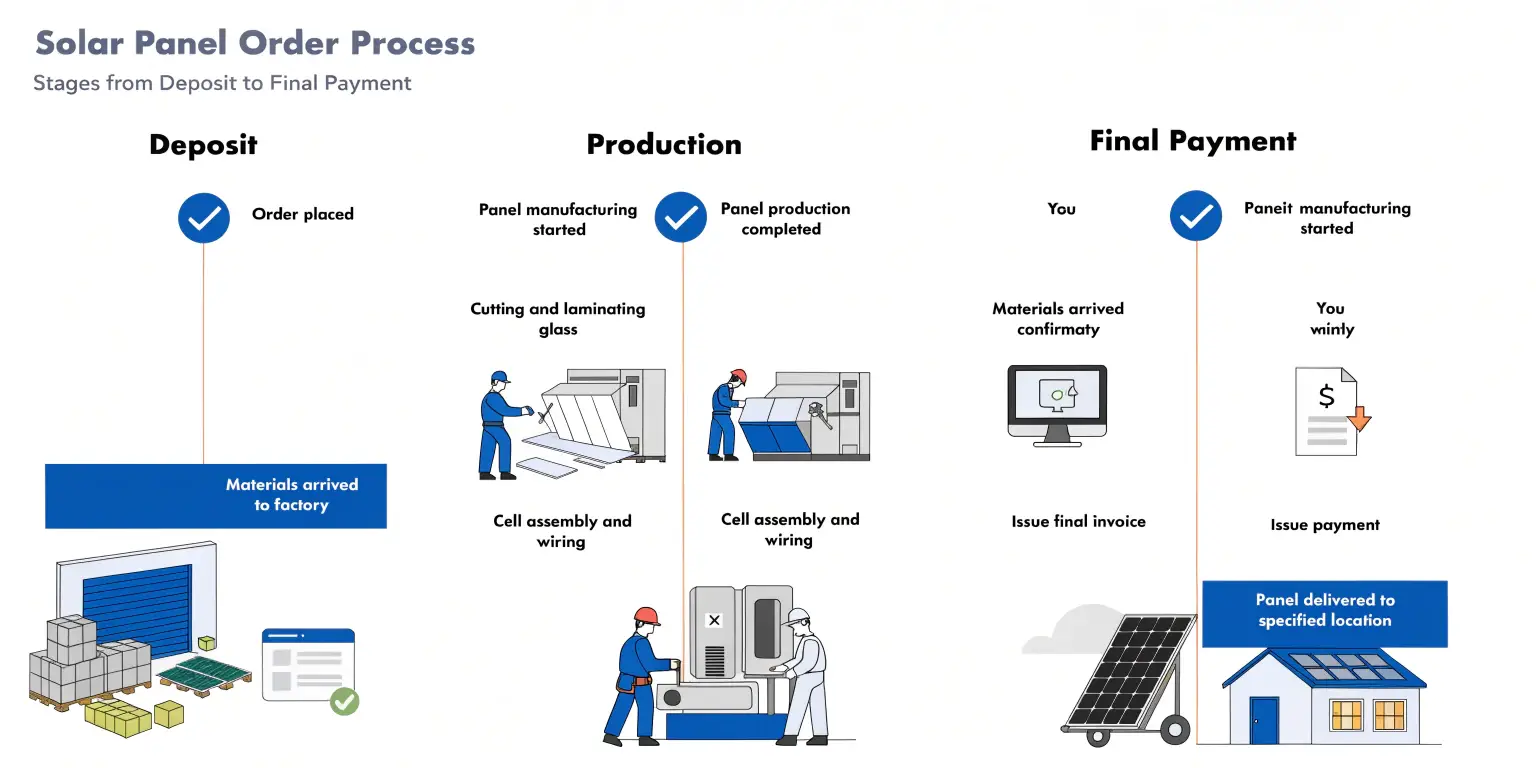
- 30% deposit
- 40% after production
- 30% before shipment
This reduces exposure.
4. Small trial orders
Before large orders, I test small quantity.
This helps me:
- Verify quality
- Check communication
- Build trust
5. Currency control
I try to:
- Fix USD price
- Avoid multiple conversions
I once trusted a new supplier and paid too early. That created stress. After that, I always link payment to verification.
Payment method alone does not reduce risk. Process control reduces risk.
What is standard practice for buyers?
Many new buyers feel confused. They do not know what is normal.
The standard practice is 30% deposit + 70% before shipment using T/T5. This balances cost, risk, and supplier acceptance.

Typical industry practice
| Element | Standard |
|---|---|
| Payment method | T/T bank transfer |
| Deposit | 30% |
| Balance | 70% before shipment |
| Currency | USD |
| Lead time | 2–5 weeks |
This is accepted globally.
Why this works
It gives:
- Supplier enough security to start production
- Buyer control before shipment
When terms change
| Situation | Adjustment |
|---|---|
| New buyer | Higher deposit |
| Large order | Better terms |
| Repeat customer | Flexible payment |
| Custom product | Higher upfront |
Relationship effect
As trust increases:
- Deposit decreases
- Payment flexibility increases
- Pricing improves
My approach
I follow standard terms first.
Then I improve step by step:
- After 2–3 orders
- After stable cooperation
Experienced buyers focus on:
- Total cost
- Risk balance
- Long-term relationship
I use standard terms as a base. Then I optimize over time.
Conclusion
Payment method affects price directly. I balance cost and risk by choosing the right terms, controlling process, and improving conditions over time.
-
Understanding payment terms can help you negotiate better prices and manage supplier risk effectively. ↩
-
Understanding the implications of advance payments can help you make informed financial decisions. ↩
-
Understanding supplier verification can significantly enhance your risk management strategy, ensuring quality and reliability. ↩
-
Exploring payment milestones can provide insights into effective financial strategies that protect against potential losses. ↩
-
Understanding the standard payment practices can help buyers navigate international transactions more effectively. ↩
