 Skip to content
How can I import custom solar panels from China and understand which cooperation terms suppliers value most?
Many buyers only focus on price. Then suppliers lose interest or reduce priority. I have seen good projects fail because cooperation terms were weak.
I understand supplier priorities by focusing on payment reliability, stable volume, clear communication, and long-term cooperation instead of short-term price advantages.

I always think from the supplier’s side. When I understand what they value, I get better pricing, better service, and more stable supply.
How do I identify key expectations?
Many buyers guess what suppliers want. Then negotiation becomes inefficient. I prefer to understand expectations clearly from the start.
I identify key expectations by analyzing supplier priorities such as payment security1, order stability, communication clarity, and production planning needs.
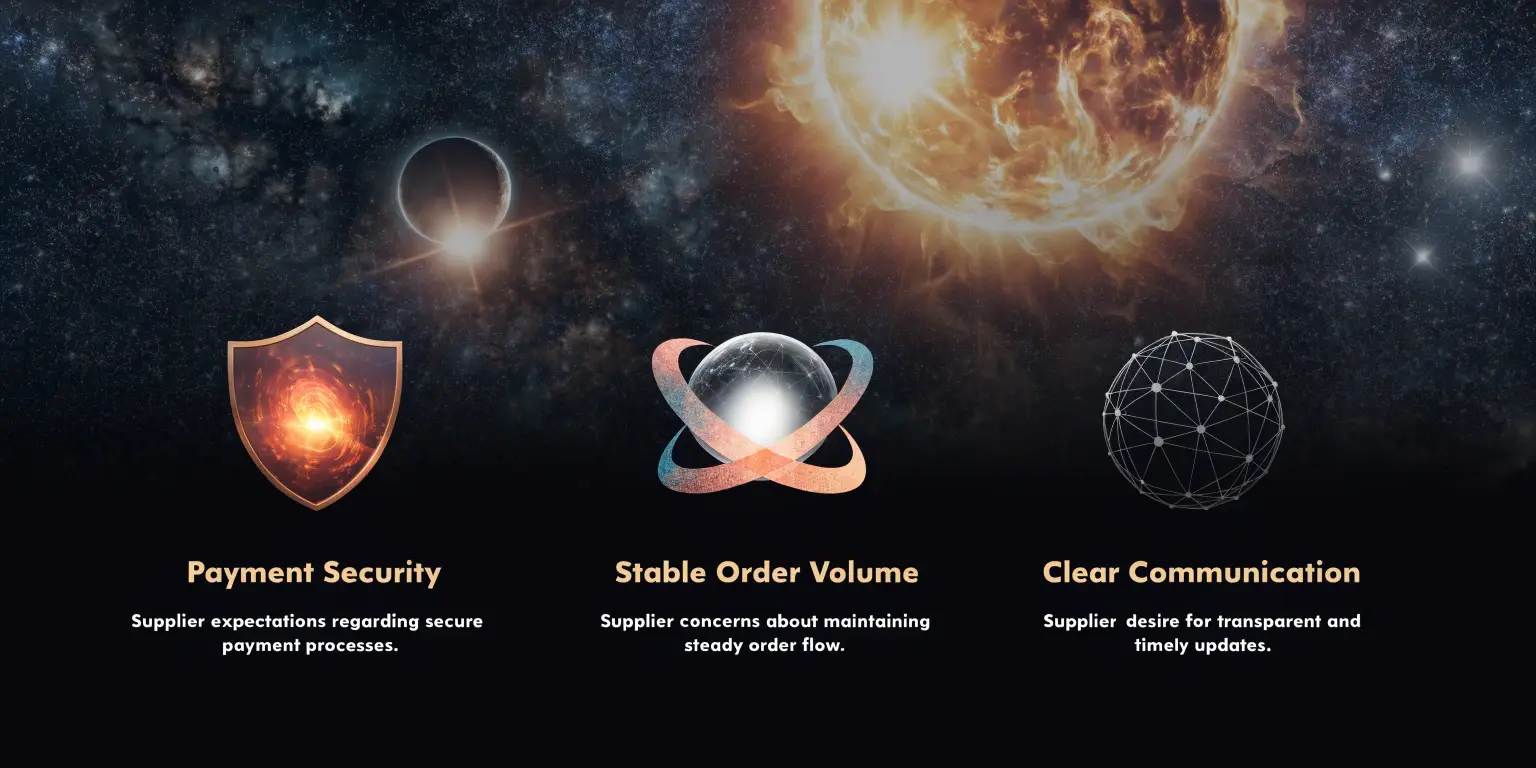
What suppliers really care about
I have worked with many factories. Most of them care about a few core things. These are not complicated.
Payment security
Factories want to reduce financial risk. They prefer buyers who pay on time and follow agreed terms.
Stable orders
Factories plan production in advance. They prefer buyers with repeat orders, not one-time projects.
Clear specifications
Factories want clear drawings and requirements. They do not want frequent changes during production.
Predictable planning
Factories need forecasts. This helps them arrange materials and labor.
My expectation analysis framework
| Factor | Supplier Expectation | Why It Matters |
|---|---|---|
| Payment | On-time and reliable | Reduces financial risk |
| Volume | Stable and repeat orders | Improves production planning |
| Communication | Clear and structured | Reduces errors |
| Forecast | Accurate demand planning | Secures materials |
| Flexibility | Reasonable adjustments | Maintains efficiency |
I always ask simple questions early:
- What is your preferred payment term?
- What order size do you prefer?
- How do you plan production?
These questions help me understand their mindset.
I also observe behavior. If a supplier asks about forecast early, I know they care about long-term cooperation. If they only talk about price, I stay cautious.
Understanding expectations is the first step to building a strong relationship.
How do I negotiate mutually beneficial terms2?
Many buyers try to push the lowest price. Then suppliers reduce quality or service. I avoid this approach.
I negotiate mutually beneficial terms by balancing price, volume, payment, and long-term cooperation to create value for both sides.

How I approach negotiation
I do not negotiate only on price. I negotiate on structure.
Volume commitment
I offer realistic volume forecasts. This helps me get better pricing.
Long-term agreement
I propose repeat orders. Suppliers feel more secure. They offer better terms.
Flexible delivery
I sometimes adjust delivery schedule. This helps suppliers optimize production.
I agree on quality checks and inspections together.
My negotiation strategy3 table
| Term | My Offer | Supplier Benefit | My Benefit |
|---|---|---|---|
| Volume | Forecast + repeat orders | Stable production | Better pricing |
| Payment | Reliable schedule | Lower risk | Priority service |
| Delivery | Flexible timing | Efficient planning | Faster response |
| Quality | Joint inspection | Lower defect risk | Better product |
| Contract | Long-term agreement | Business security | Price stability |
I also avoid aggressive negotiation. If I push too hard, suppliers may accept but reduce effort later.
I prefer win-win terms. For example:
- I accept slightly higher price
- Supplier guarantees stable quality and delivery
In the long run, this saves more cost.
I also keep negotiation simple. I avoid complex terms. I make sure both sides understand clearly.
Good negotiation builds cooperation. Bad negotiation creates hidden problems.
How do I demonstrate reliability?
Many buyers expect trust without showing reliability. Suppliers will not fully commit in that case.
I demonstrate reliability by being consistent in payment, communication, planning, and problem-solving.
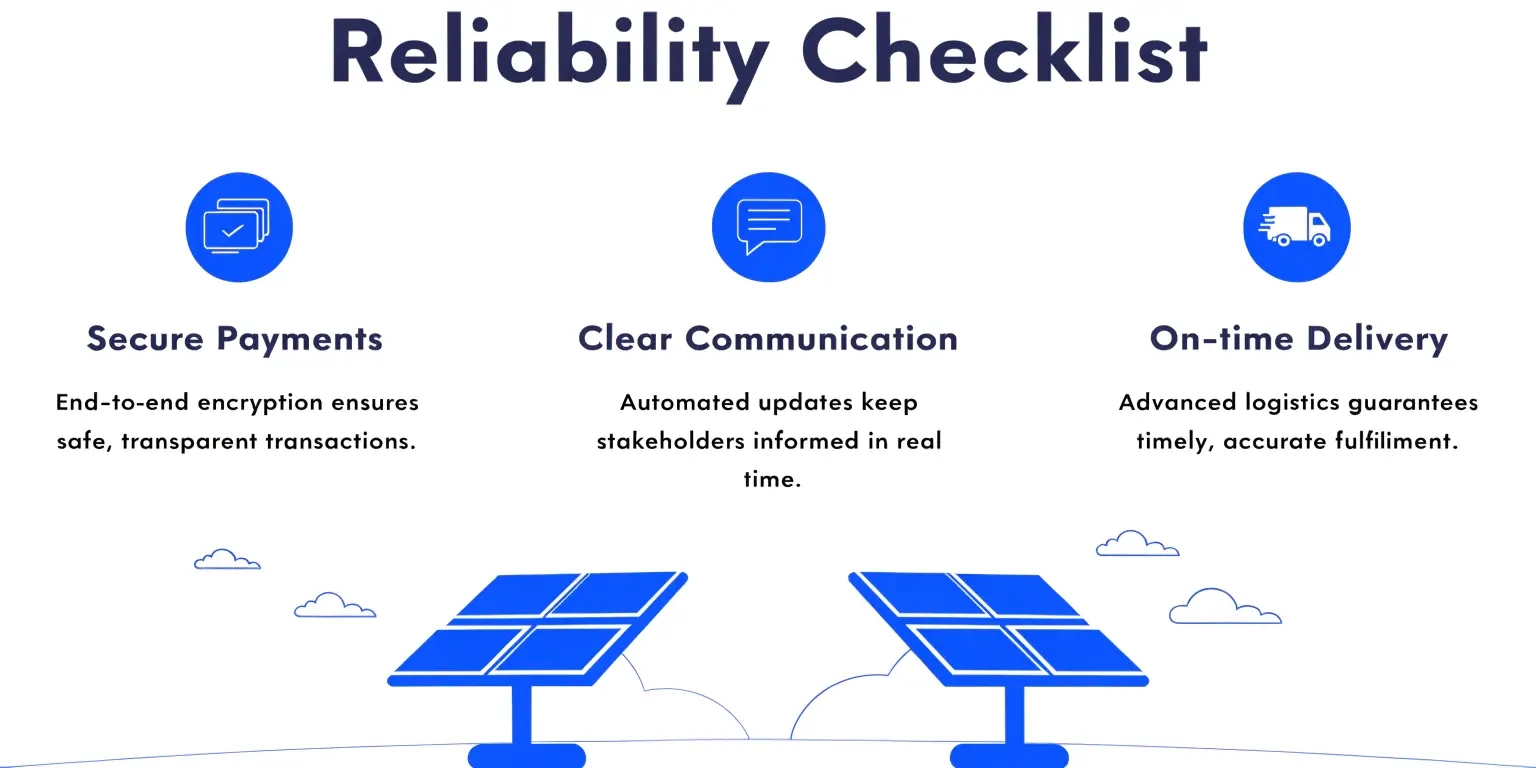
What I do to build trust
Trust is not built by words. It is built by actions.
Pay on time
I always follow agreed payment terms. This is the most important signal.
Keep promises
If I commit to order volume, I try to follow it.
Provide accurate data
I share real forecasts. I do not overpromise.
Respond quickly
I reply fast to supplier questions. This keeps production smooth.
Handle problems calmly
When issues happen, I solve them together with the supplier.
My reliability checklist
| Action | Signal to Supplier | Result |
|---|---|---|
| On-time payment | Financial trust | Better cooperation |
| Stable orders | Business continuity | Priority allocation |
| Clear specs | Professionalism | Fewer errors |
| Fast response | Efficiency | Smooth production |
| Problem solving | Partnership mindset | Long-term trust |
I remember one case. I paid on time even when the market price dropped. Later, the supplier gave me priority during peak season.
Reliability creates long-term advantage. It is more powerful than price negotiation.
What common deal-breakers should I avoid?
Many relationships fail because of avoidable mistakes. I have seen these problems many times.
I avoid deal-breakers by maintaining honesty, stability, and respect for supplier operations.
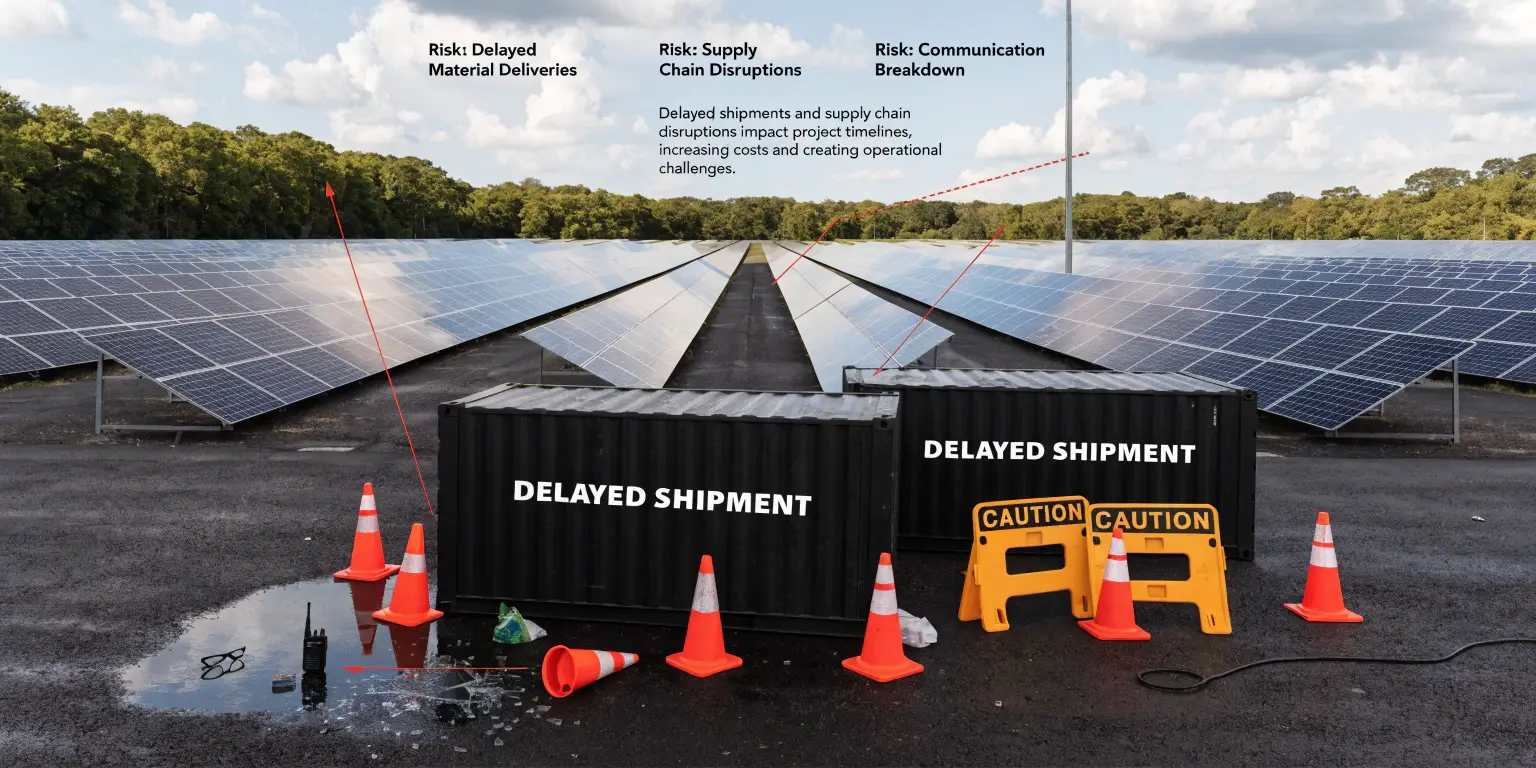
Common mistakes I avoid
These are the most common issues that damage cooperation.
Late payments4
This is the biggest problem. Suppliers lose trust quickly.
Frequent changes
Changing specifications during production creates chaos.
Unrealistic expectations
Expecting fast delivery with low price is not realistic.
Poor communication5
Unclear instructions cause errors and delays.
One-sided negotiation
Only pushing for price damages long-term cooperation.
My risk avoidance table
| Mistake | Impact | How I Avoid |
|---|---|---|
| Late payment | Loss of trust | Follow payment terms strictly |
| Spec changes | Production errors | Lock BOM before production |
| Unrealistic demand | Delays and conflict | Set practical expectations |
| Poor communication | Misunderstanding | Use clear documents |
| Price pressure | Reduced quality | Focus on value, not only price |
I also avoid blaming suppliers for every issue. Sometimes problems come from design or planning.
I focus on solving problems, not assigning blame.
I also keep respect in communication. Even during disputes, I stay professional.
Avoiding deal-breakers is as important as building strengths.
Conclusion
I build strong cooperation by understanding supplier priorities, negotiating fairly, showing reliability, and avoiding common mistakes that damage long-term partnerships.
-
Explore this link to understand how payment security can enhance supplier trust and reduce financial risks. ↩
-
Understanding mutually beneficial terms can enhance your negotiation skills, leading to better deals and stronger partnerships. ↩
-
Exploring effective negotiation strategies can provide insights into successful tactics that foster collaboration and achieve desired outcomes. ↩
-
Understanding the impact of late payments can help you maintain trust and foster better supplier relationships. ↩
-
Exploring the effects of poor communication can provide insights on improving collaboration and avoiding misunderstandings. ↩
