 Skip to content

How can I import custom solar panels from China and build long-term stable supplier relationships?
Many buyers change suppliers often. Then quality becomes unstable and costs increase. I see many projects fail because of weak relationships.
I build stable supplier relationships by setting clear expectations, maintaining honest communication, aligning long-term goals, and solving problems together over time.

I do not treat suppliers as short-term vendors. I treat them as long-term partners. This mindset changes everything in custom solar projects.
How do I evaluate trustworthiness?
Many suppliers look good at first. Then problems appear after payment. I have faced delays, quality issues, and poor communication before.
I evaluate trustworthiness by checking factory capability, consistency, transparency, and real past performance, not just price or certificates.
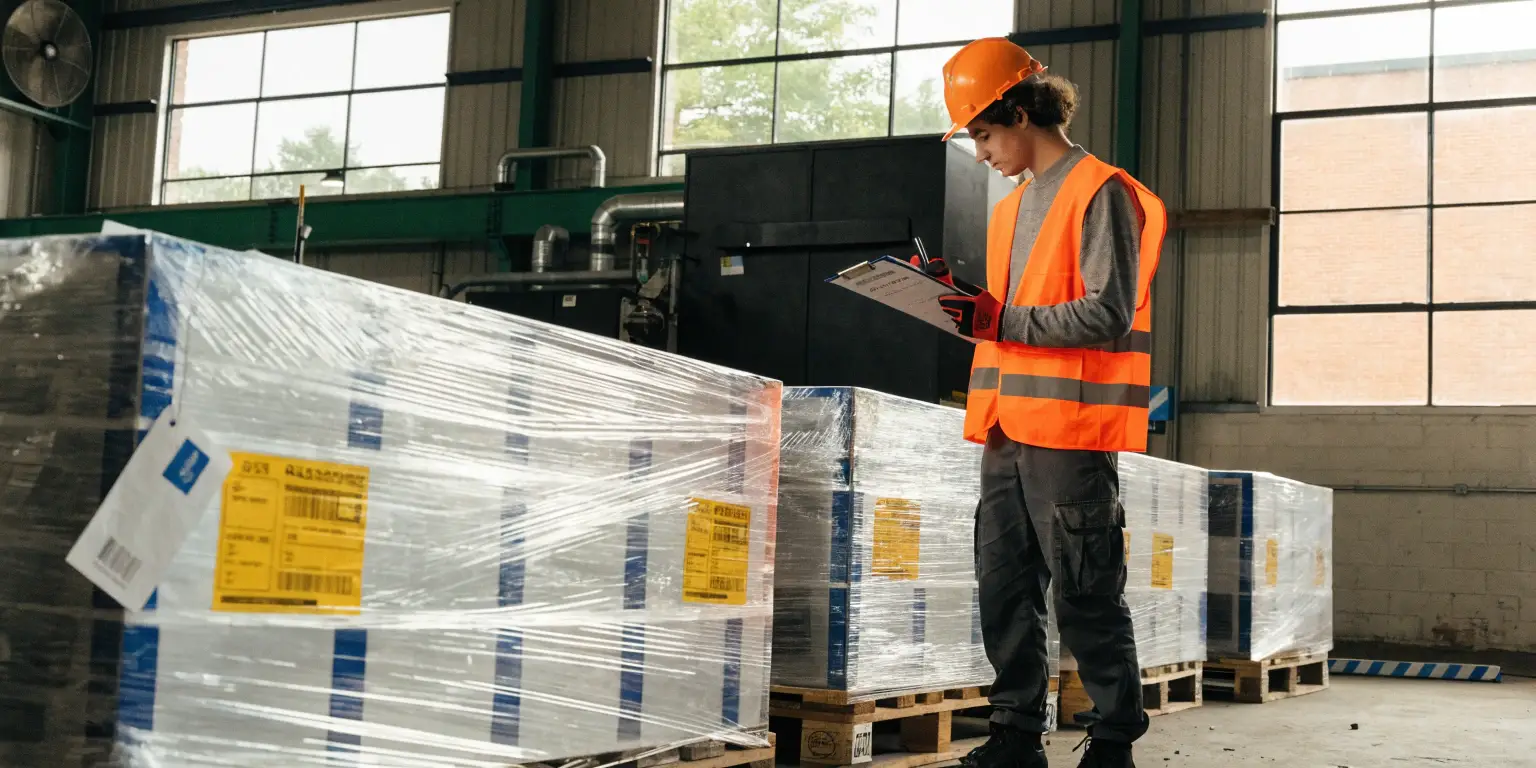
What I check before trusting a supplier
I do not rely only on sales communication. I verify real production ability. I ask for documents. I also check how they respond under pressure.
Factory capability1
I always confirm if the factory can really produce my custom design. Many trading companies say yes to everything. Then they outsource production.
Quality consistency2
I request past production records. I ask for flash test reports. I compare batches. I want to see stable results, not one good sample.
Communication transparency3
I observe how fast they reply. I check if answers are clear. I test them with technical questions. A good supplier explains details, not just promises.
Problem history4
I ask directly about past issues. I want to see how they solved them. A reliable supplier does not hide problems.
My evaluation checklist
| Factor | What I Look For | Risk If Ignored |
|---|---|---|
| Factory type | Real manufacturer vs trader | No control over quality |
| Certifications | IEC, UL, test reports | Compliance failure |
| Production records | Batch consistency | Performance mismatch |
| Communication | Clear and fast replies | Delays and errors |
| Sample quality | Matches mass production | Mass defects |
I remember one project where the supplier sent perfect samples. But mass production used different materials. After that, I always lock BOM and verify production records.
I also prefer visiting the factory when possible. If I cannot visit, I use third-party inspection. I want real data, not just photos.
Trust is not built from one order. Trust is built from repeated verification.
How do I maintain open communication5?
Many projects fail because of poor communication. Small misunderstandings become big problems during production.
I maintain open communication by defining clear channels, sharing updates regularly, and documenting every technical detail.
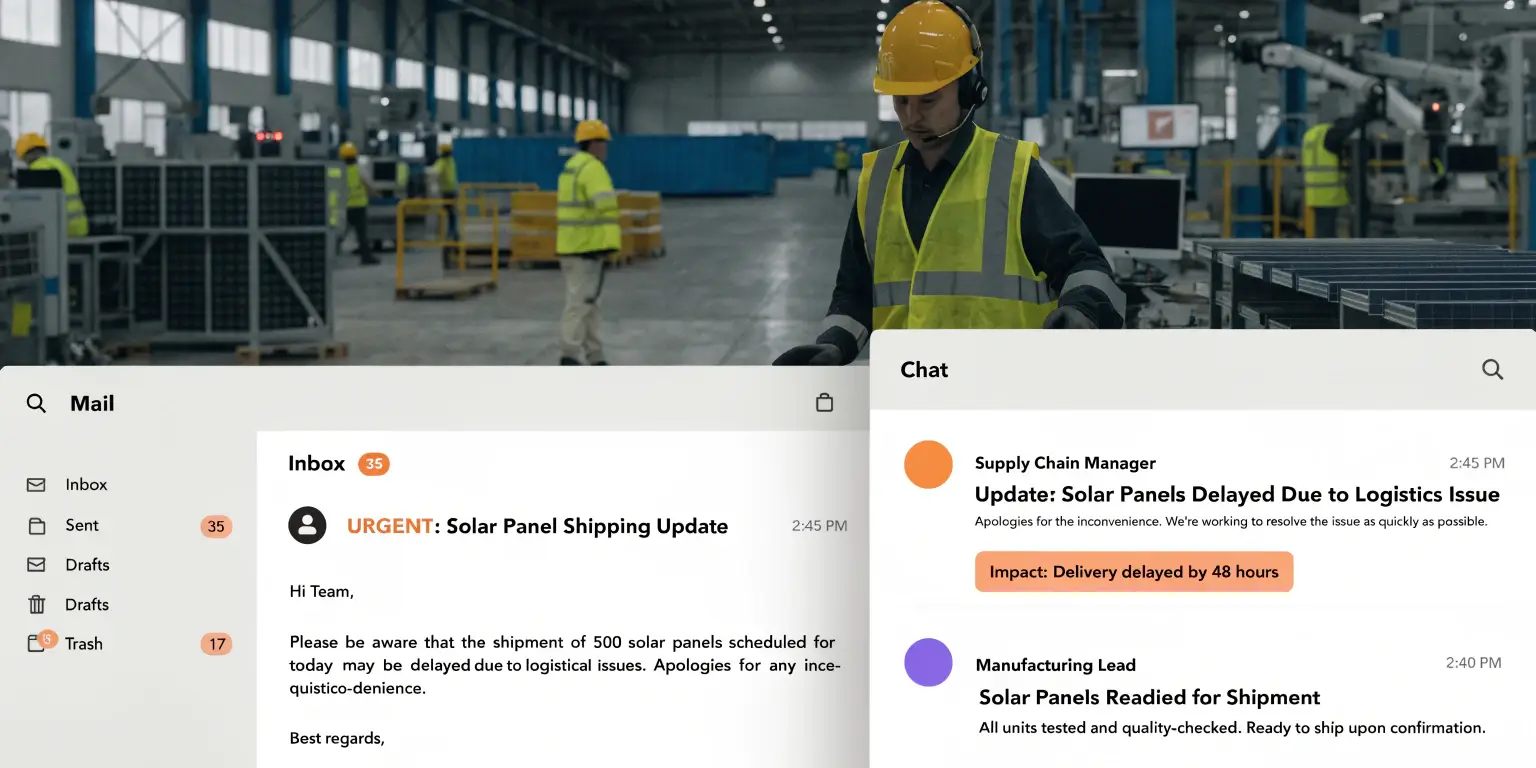
How I structure communication
I do not rely on casual chat. I build a structured communication system from the beginning.
Define communication channels6
I separate daily communication and formal documents. I use email for contracts. I use messaging apps for quick updates.
Weekly updates
I ask for production updates every week. I want to know progress, delays, and risks early.
Clear technical documents
I always send drawings, BOM, and specifications. I never rely on text descriptions only.
Confirmation process
I ask suppliers to confirm every key detail. I want written confirmation before production starts.
My communication framework
| Step | Action | Purpose |
|---|---|---|
| Specification | Share drawings and BOM | Avoid misunderstanding |
| Confirmation | Supplier signs off | Lock requirements |
| Production updates | Weekly reports | Track progress |
| Issue reporting | Immediate notice | Solve early |
| Final approval | Pre-shipment confirmation | Ensure compliance |
I learned this from a mistake. One time, I only described cable length in chat. The factory misunderstood. The whole batch had wrong cables.
After that, I always use drawings with dimensions.
I also keep communication simple. I avoid complex words. I use short sentences. This reduces misunderstanding, especially across languages.
Good communication is not about talking more. It is about being clear.
How do I align expectations7 over time?
Many buyers expect perfect results without clear agreements. Then disputes happen when expectations are different.
I align expectations by defining contracts, setting measurable targets, and reviewing performance regularly8.

What I define early
I do not wait until problems happen. I define expectations before placing orders.
Technical expectations
I define electrical specs, materials, connector types, and tolerances.
Quality standards
I define acceptable defect rates. I define testing methods.
Delivery expectations
I define lead time. I define penalties for delays if needed.
Pricing structure
I define pricing rules for repeat orders.
My expectation alignment table
| Area | What I Define | Why It Matters |
|---|---|---|
| Technical specs | Full BOM and drawings | Prevent design changes |
| Quality | Test standards and limits | Ensure consistency |
| Delivery | Lead time and schedule | Avoid delays |
| Pricing | Fixed or adjustable terms | Prevent disputes |
| Responsibility | Who handles what | Clear accountability |
I also review performance regularly. I do not wait until the end of the year.
I check:
- Delivery on time
- Quality consistency
- Communication quality
If there is a problem, I discuss it early. I do not ignore small issues.
I also stay flexible. Some small changes are normal. A good relationship needs balance.
Alignment is not one-time work. It is continuous.
What actions strengthen cooperation?
Many buyers focus only on price. Then suppliers do not prioritize their orders.
I strengthen cooperation by creating mutual benefit9, supporting suppliers, and building long-term trust10.
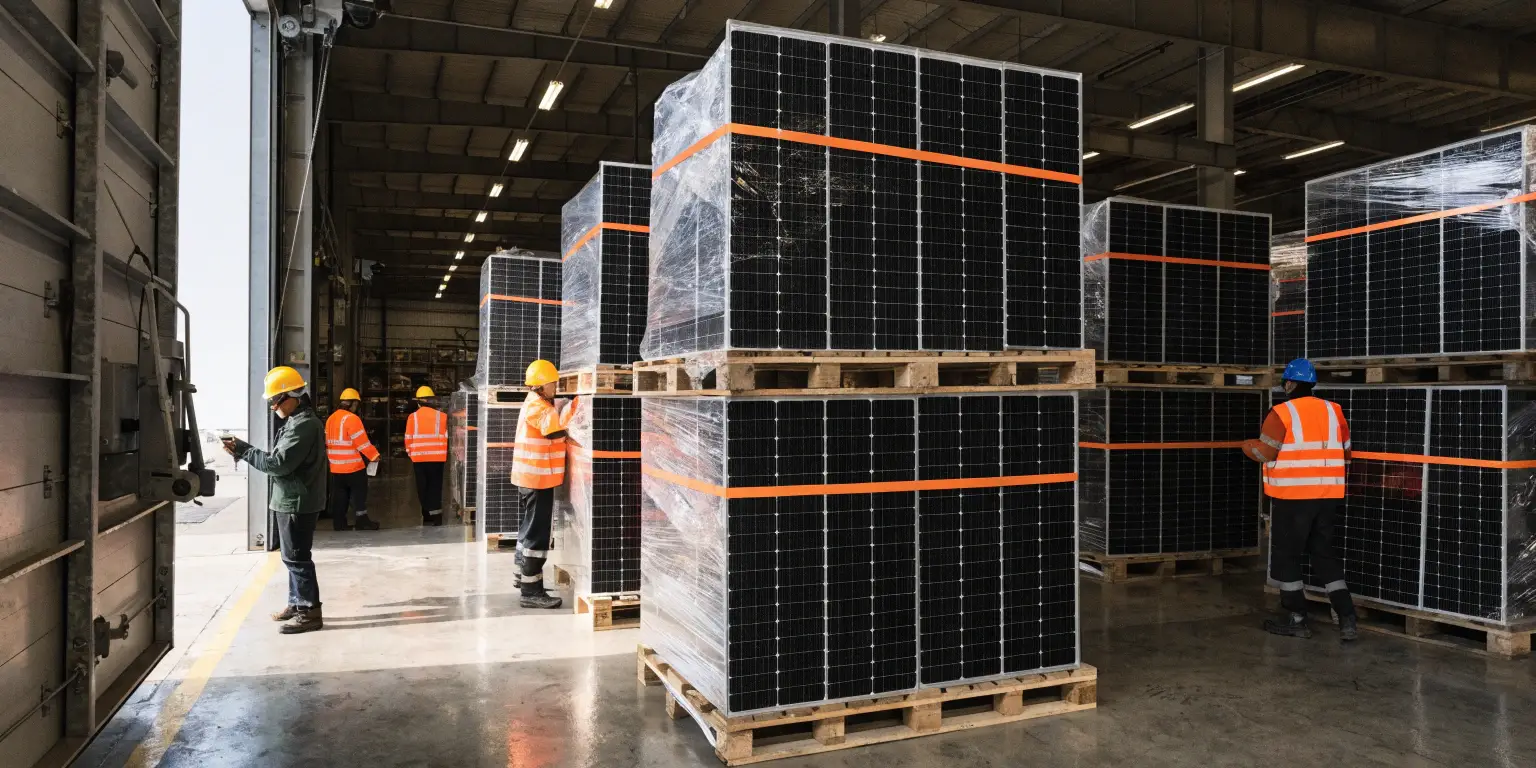
What I do to build strong partnerships
I treat suppliers as partners, not just vendors.
I share my future demand. This helps suppliers plan production and materials.
Increase volume gradually
I do not jump from small to very large orders. I grow step by step.
Pay on time
I always respect payment terms. This builds strong trust.
Solve problems together
When issues happen, I work with the supplier. I do not blame only them.
Reward good performance
If a supplier performs well, I give more orders.
My cooperation strategy
| Action | Benefit for Supplier | Benefit for Me |
|---|---|---|
| Forecast sharing | Better planning | Stable supply |
| On-time payment | Cash flow stability | Priority service |
| Volume growth | Production efficiency | Better pricing |
| Joint problem solving | Process improvement | Fewer defects |
| Long-term agreement | Security | Price stability |
I remember one supplier who had a delay due to raw material shortage. Instead of canceling, I adjusted my schedule. Later, they prioritized my orders during peak season.
Relationships work both ways.
I also keep personal connection. I visit factories. I meet teams. This builds trust beyond contracts.
In long-term business, trust reduces cost more than negotiation.
Conclusion
I build stable supplier relationships by verifying trust, communicating clearly, aligning expectations, and growing together with suppliers over time.
-
Understanding factory capability helps ensure that suppliers can meet your production needs effectively. ↩
-
Exploring quality consistency practices can help you maintain high standards in your supply chain. ↩
-
Learning about communication transparency can enhance your supplier interactions and reduce misunderstandings. ↩
-
Evaluating a supplier's problem history is crucial for assessing their reliability and ability to handle issues. ↩
-
Explore effective strategies for fostering open communication to prevent misunderstandings and project failures. ↩
-
Learn how to structure communication channels to enhance clarity and efficiency in project management. ↩
-
Exploring this resource will provide you with strategies to manage expectations and improve communication in your business dealings. ↩
-
This link will help you understand the significance of regular performance reviews and how they can enhance accountability and success. ↩
-
Exploring this resource will provide insights on how mutual benefit can enhance supplier relationships and foster cooperation. ↩
-
This link will offer strategies and examples on establishing long-term trust, crucial for successful partnerships. ↩
