 Skip to content

How can I import custom solar panels from China and know what types of buyers are best for long-term cooperation?
Many buyers focus only on price. Then suppliers do not prioritize them. I have seen unstable cooperation destroy good projects.
I become a preferred buyer by showing reliability, stable demand, clear requirements, and long-term cooperation potential that suppliers value most.

I have worked with many factories. I notice one pattern. Suppliers choose their customers too. The best buyers always get better service, pricing, and priority.
How do suppliers evaluate reliability?
Many buyers think suppliers only check payment. That is not true. Suppliers evaluate many signals before trusting a buyer.
I understand supplier evaluation by focusing on payment behavior, communication quality, consistency, and long-term potential.

What suppliers actually evaluate
I always think from the supplier side. I ask myself one question. If I were the factory, would I trust this buyer?
Payment behavior1
Suppliers check if I follow agreed payment terms. Late payment is a strong negative signal.
Communication quality2
Suppliers observe how clearly I explain requirements. Confusing communication creates risk.
Order consistency
Suppliers prefer repeat buyers. One-time buyers are less important to them.
Problem handling
Suppliers watch how I react when issues happen. A cooperative buyer is more valuable.
Supplier evaluation framework
| Factor | What Suppliers Look For | Risk If Weak |
|---|---|---|
| Payment | On-time and reliable | Loss of trust |
| Communication | Clear and structured | Production errors |
| Orders | Repeat and stable | Low priority |
| Behavior | Professional and calm | Conflict risk |
| Potential | Long-term growth | Limited support |
I remember one supplier who delayed my order at first. After I placed repeat orders and paid on time, they changed. They gave me faster production and better support.
Suppliers do not say this directly. But they always rank customers internally.
Reliability is not claimed. It is observed over time.
How do order size and consistency matter?
Many buyers try to place one large order and expect priority. That does not always work.
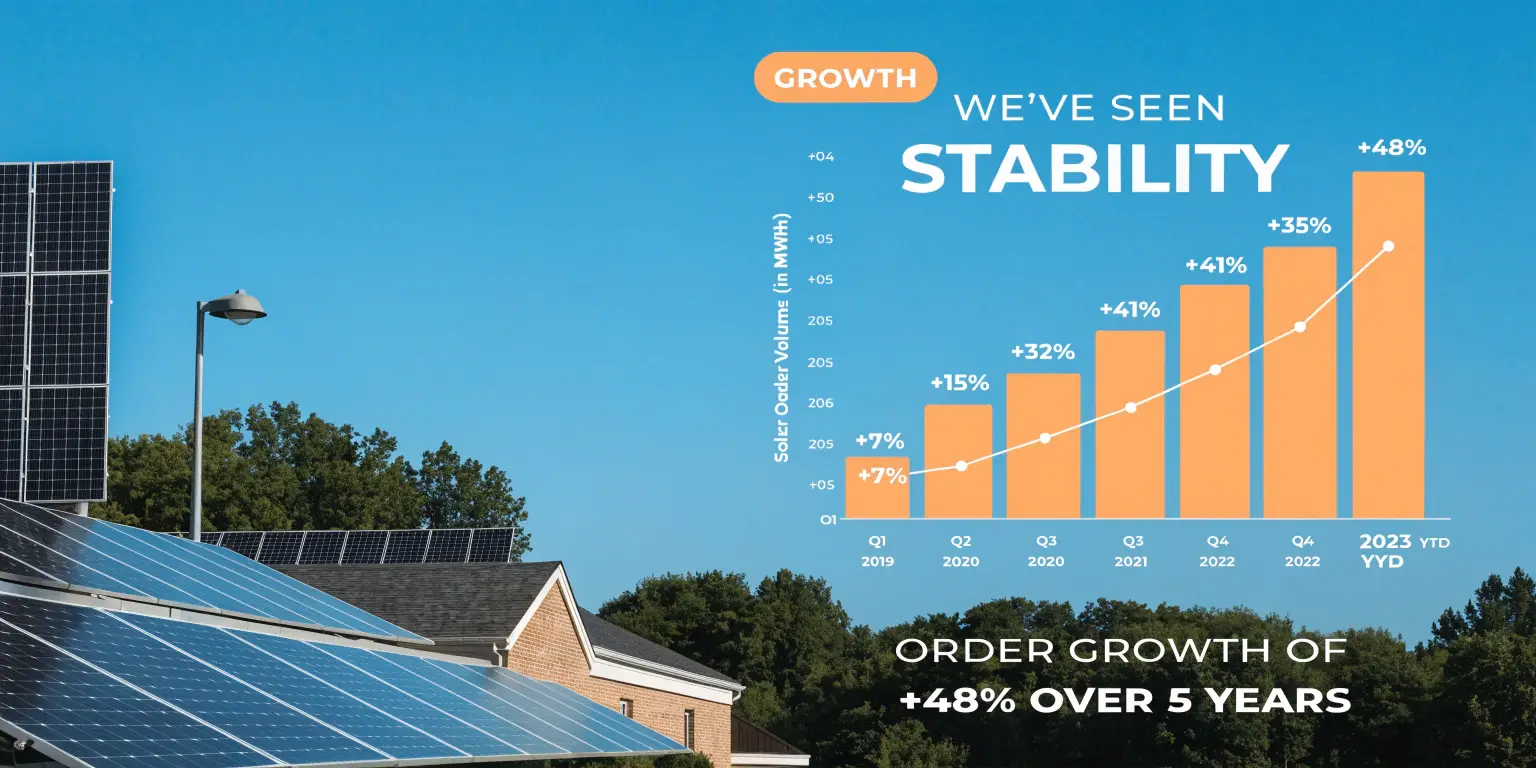
I understand that suppliers value consistency more than one-time volume because it helps them plan production and reduce risk.
Why consistency matters more than size
Factories need stable production. Large but irregular orders create pressure.
Production planning
Factories arrange materials and labor based on forecast. Stable orders make this easier.
Cost control
Consistent orders reduce changeover cost. This improves efficiency.
Resource allocation
Suppliers prioritize customers who give predictable business.
Order strategy comparison
| Strategy | Supplier View | Result |
|---|---|---|
| One large order | Short-term benefit | Limited priority |
| Small repeat orders | Stable cooperation | Higher priority |
| Growing volume | Positive signal | Better support |
| Irregular orders | High uncertainty | Lower priority |
I usually start with smaller orders. Then I increase gradually. This shows commitment without creating pressure.
I also share forecasts. Even if the forecast is not perfect, it helps suppliers plan.
I once worked with a supplier who gave better pricing after three repeat orders. They trusted my demand stability.
Consistency builds trust. Size only creates short-term value.
What behaviors indicate a good partner?
Many buyers focus on negotiation skills. But suppliers value behavior more than negotiation.
I become a good partner by being transparent, respectful, cooperative, and consistent in every interaction.

Key behaviors suppliers respect
I have learned that small behaviors create big differences.
Clear communication
I provide drawings, specifications, and confirmations. I avoid vague instructions.
Respect for process
I understand production timelines. I do not push unrealistic deadlines.
Problem-solving mindset
When issues happen, I work with the supplier. I do not blame immediately.
Flexibility
I allow reasonable adjustments when needed.
Partner behavior checklist
| Behavior | Supplier Perception | Impact |
|---|---|---|
| Clear specs | Professional | Fewer errors |
| Respect timeline | Cooperative | Better scheduling |
| Joint problem solving | Reliable | Strong trust |
| Flexibility | Easy to work with | Long-term cooperation |
| Honest feedback | Transparent | Continuous improvement |
I remember one case. A supplier had a delay due to material shortage. Instead of canceling, I adjusted my delivery schedule. Later, they prioritized my future orders.
Good behavior creates invisible value. It is not written in contracts, but it affects every project.
How do I position myself for long-term success3?
Many buyers want long-term cooperation but act short-term. This creates a gap.
I position myself for long-term success by aligning my strategy with supplier priorities and building mutual growth.

How I build long-term positioning
I treat every order as part of a long-term plan.
Build a growth plan
I show suppliers my future demand. This builds confidence.
Standardize specifications
I reduce frequent design changes. This improves efficiency.
Commit to repeat business
I give suppliers visibility on future orders.
Invest in relationship
I communicate regularly. I visit factories when possible.
My long-term strategy table
| Action | Supplier Benefit | My Benefit |
|---|---|---|
| Forecast sharing | Better planning | Stable supply |
| Repeat orders | Business continuity | Better pricing |
| Standard specs | Efficiency | Lower risk |
| Relationship building | Trust | Priority support |
| Joint improvement | Process optimization | Higher quality |
I also avoid switching suppliers too often. Stability creates better results over time.
I always think long-term. I accept small compromises now to gain bigger benefits later.
Suppliers prefer partners who grow with them. I position myself as one of those partners.
Conclusion
I become a preferred buyer by showing reliability, consistency, clear communication, and long-term growth potential that suppliers value most.
-
Understanding payment behavior is crucial for building trust with suppliers, ensuring smoother transactions and better relationships. ↩
-
Exploring communication quality can reveal how clear interactions lead to fewer errors and stronger partnerships with suppliers. ↩
-
Exploring this resource will provide you with proven strategies to ensure sustainable growth and success in your business endeavors. ↩
