Skip to content
How to Choose Solar Connectors for Different Solar Panel Manufacturers?
Choosing the right solar connectors for your system is crucial for ensuring compatibility, safety, and optimal performance. Since different solar panel manufacturers may have slightly different requirements, it's important to understand how to select the best connectors for your setup.
Selecting the right connectors ensures safe, efficient, and reliable power transmission between different solar panel brands, minimizing system inefficiencies.
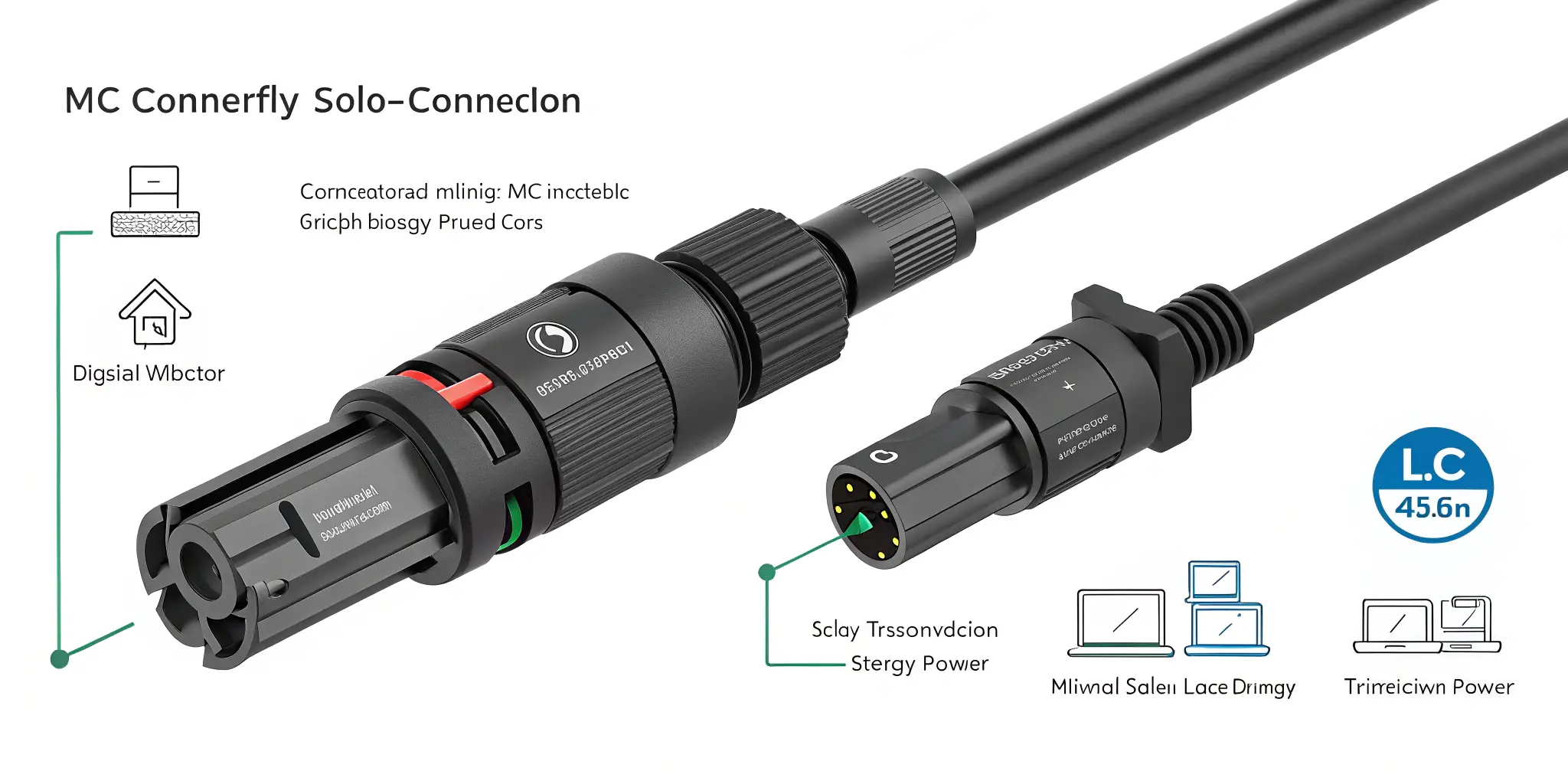
Let’s dive into how to choose the right connectors and understand the compatibility factors when using solar panels from different manufacturers.
Can You Connect Different Brands of Solar Panels Together?
Yes, you can connect solar panels from different brands, but compatibility is key to ensuring efficient power transfer and system safety.
The most important factor when connecting panels from different manufacturers is ensuring that the connectors, voltage ratings, and current capacities match.
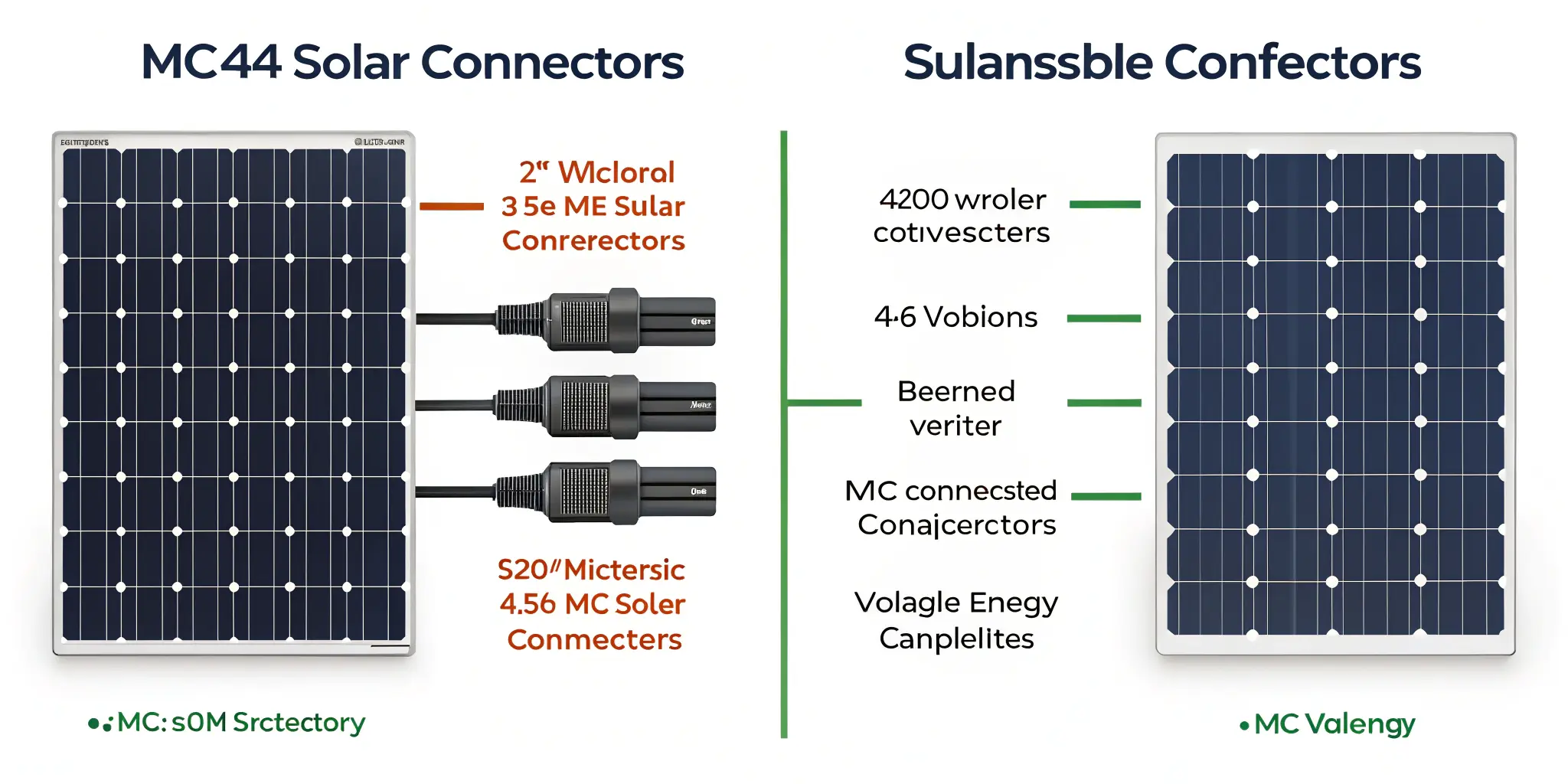
Important Considerations
- Voltage Compatibility1: Panels with the same voltage rating should be connected together to avoid damage and power loss.
- Current Compatibility2: Different current ratings might lead to imbalanced power distribution.
- Connector Compatibility3: Ensure that the connectors are compatible across brands.
- Performance Characteristics: Different brands may have variations in efficiency and degradation rates, so matching performance specs helps maintain optimal system output.
Although different brands can be connected, it’s always better to use panels with similar specifications to avoid inefficiencies.
Are All Solar Panel Connectors the Same?
No, not all solar panel connectors are the same. Connectors vary based on voltage, current ratings, durability, and manufacturer specifications.
Different connectors are designed to meet the specific requirements of the solar panel’s electrical and environmental needs.4
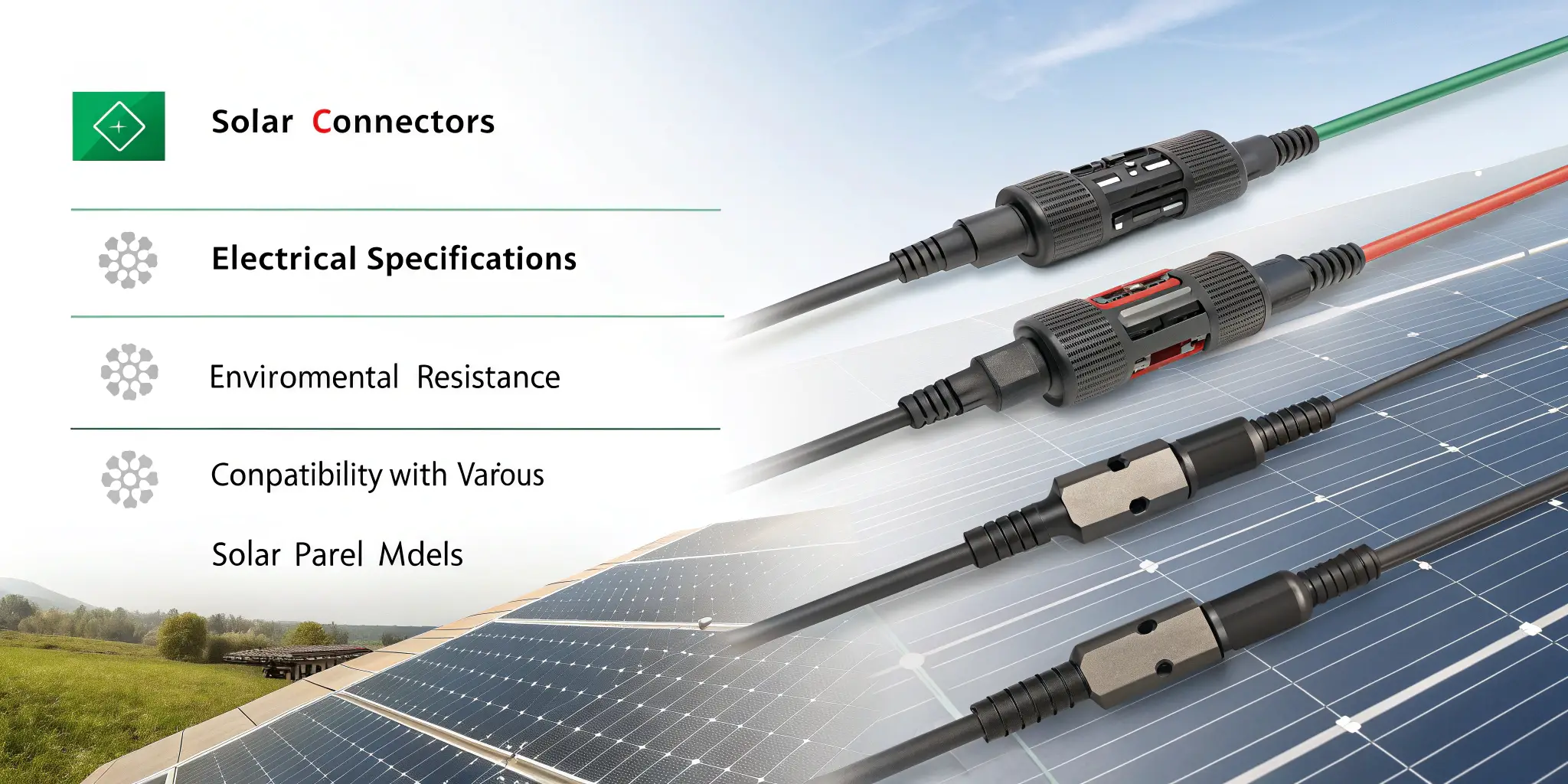
%[Different solar panel connectors, showcasing types with electrical specs and environmental resistance](https://rayenrg.com/wp-content/uploads/2025/02/Different-solar-panel-connectors.webp "Solar connectors for varied solar panel models)
Key Differences in Solar Connectors
- Voltage Rating5: Connectors must match or exceed the voltage rating of the solar panel system.
- Current Rating: The connector’s current capacity should match the panel’s output current for safe operation.
- Material: Some connectors are made from more durable materials, while others may degrade faster over time.
- Environmental Protection6: Connectors designed for outdoor use will have better weather resistance, reducing wear and tear.
- Design Features: Some connectors include features like locking mechanisms to ensure safety and prevent accidental disconnections.
Choosing the right connector based on these differences helps ensure a secure and efficient solar system.
Are Solar Panel Connectors Universal?
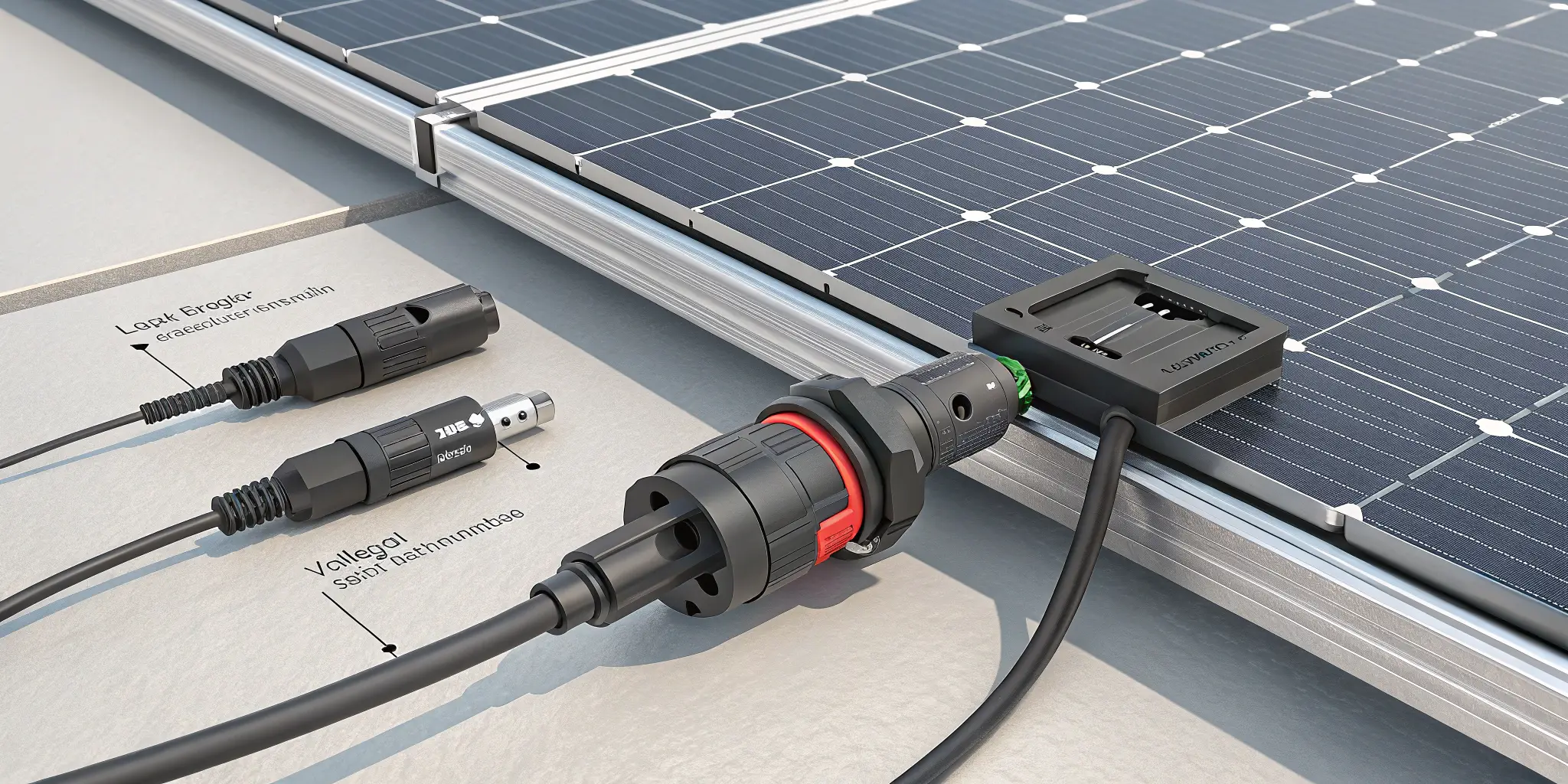
While solar connectors may seem similar across brands, they are not universally compatible.
MC4 connectors7, for instance, are one of the most common types, but not all connectors conform to this standard, and different manufacturers may use proprietary systems.
Compatibility Considerations
- Connector Types: The most common connectors are MC4, but some manufacturers use their own proprietary connectors8, which are not interchangeable.
- Connector Size: Different solar panel manufacturers may have slight variations in pin size, preventing cross-brand compatibility.
- Certification: Ensure that the connectors meet relevant safety standards for your specific region.
It’s important to verify whether the connectors match across the panels you are using to avoid system failure or electrical hazards.
What Are the Best Solar Connectors?
The best solar connectors are those that ensure safety, reliability, and efficiency for the specific needs of your solar system.
MC4 connectors, made by Stäubli, are the industry standard, but other connectors may be more suited to your system depending on voltage, current, and environmental factors.
Top Solar Connector Types
- MC4 Connectors: Reliable, widely used, and compatible with most solar panels.
- MC4-Evo 29: High-efficiency connector, designed for large-scale and commercial applications with higher voltage and current.
- Amphenol H4 Connectors10: Great for high-voltage systems and provide secure connections with minimal loss.
- Tyco Connectors: Used in specialized or high-performance systems where extra durability is required.
The “best” connector depends on the system’s specific requirements, such as voltage, current, and environmental exposure.
What Are the Key Factors to Consider When Choosing Solar Connectors?
Choosing the right solar connectors involves several key factors that ensure long-term system performance and safety.
Important factors include voltage and current compatibility, environmental protection, durability, and ease of installation.
Key Considerations When Selecting Connectors
| Factor | Considerations |
|---|---|
| Voltage Rating | Match the voltage of connectors with solar panel specifications. |
| Current Rating | Ensure connectors can handle the system’s current without overheating. |
| Weather Resistance | Choose connectors with robust weatherproofing for outdoor systems. |
| Ease of Use | Consider ease of installation and potential future maintenance needs. |
| Compatibility | Ensure connectors fit with the panels, wires, and other components. |
| Certification | Check for UL, IEC, or other relevant certification11s for safety. |
By carefully evaluating these factors, you ensure the solar connectors chosen contribute to the overall performance and longevity of your solar system.
Conclusion
Choosing the right solar connectors is critical for ensuring the safety and efficiency of your solar power system. By focusing on compatibility, voltage and current ratings, and the environmental conditions of your system, you can make an informed choice for the best connectors to use.
-
Understanding voltage compatibility is crucial for safe and efficient solar panel connections. Explore this link to learn more. ↩
-
Current compatibility ensures balanced power distribution in solar systems. Discover more about its significance here. ↩
-
Connector compatibility is vital for safe connections between different brands. Find out how to ensure compatibility here. ↩
-
Understanding the various types of solar panel connectors can help you choose the right one for your system, ensuring safety and efficiency. ↩
-
Exploring the significance of voltage ratings can help you avoid potential issues in your solar panel system. ↩
-
Learning about environmental protection in connectors can guide you in selecting durable options for outdoor use. ↩
-
Understanding MC4 connectors is crucial for ensuring compatibility in solar panel systems. Explore this link for detailed insights. ↩
-
Learn about proprietary connectors to avoid compatibility issues in your solar setup. This resource provides essential information. ↩
-
Learn about the high-efficiency MC4-Evo 2 connectors and their suitability for large-scale solar projects. ↩
-
Discover the benefits of Amphenol H4 connectors for secure and efficient connections in high-voltage applications. ↩
-
Certifications ensure safety and reliability in solar connectors. Learn about the key certifications to look for in your selection. ↩