 Skip to content
What Are the Common Faults and Solutions of MC4 Connectors?
MC4 connectors are widely used in solar panel systems to ensure safe and efficient energy transmission. However, like any electrical component, they can develop faults over time. Understanding common MC4 connector issues and their solutions can help maintain the reliability and longevity of your solar system.

What Are the Most Common Problems with MC4 Connectors?
The most frequent issues with MC4 connectors include:
| Problem | Cause | Solution |
|---|---|---|
| Overheating1 | Loose connections or high resistance | Ensure proper crimping and secure connections |
| Poor electrical contact2 | Corrosion, dirt, or improper crimping | Clean contacts, replace damaged connectors |
| Water ingress3 | Failed seals or improper installation | Use IP67/IP68-rated connectors, reseal properly |
| Connector mismatch | Mixing different brands or types | Use compatible connectors from the same manufacturer |
| Mechanical damage | Exposure to UV, extreme weather, or rough handling | Replace cracked or brittle connectors |
By addressing these issues early, you can prevent larger system failures.
Why Do MC4 Connectors Overheat, and How Can You Prevent It?
Causes of MC4 Connector Overheating:
- Loose connections – Inadequate crimping or improper assembly leads to resistance buildup.
- High current loads – Exceeding the rated amperage (typically 30A) causes excessive heat.
- Connector wear – Over time, oxidation and dirt increase resistance, generating heat.
Solutions to Prevent Overheating:
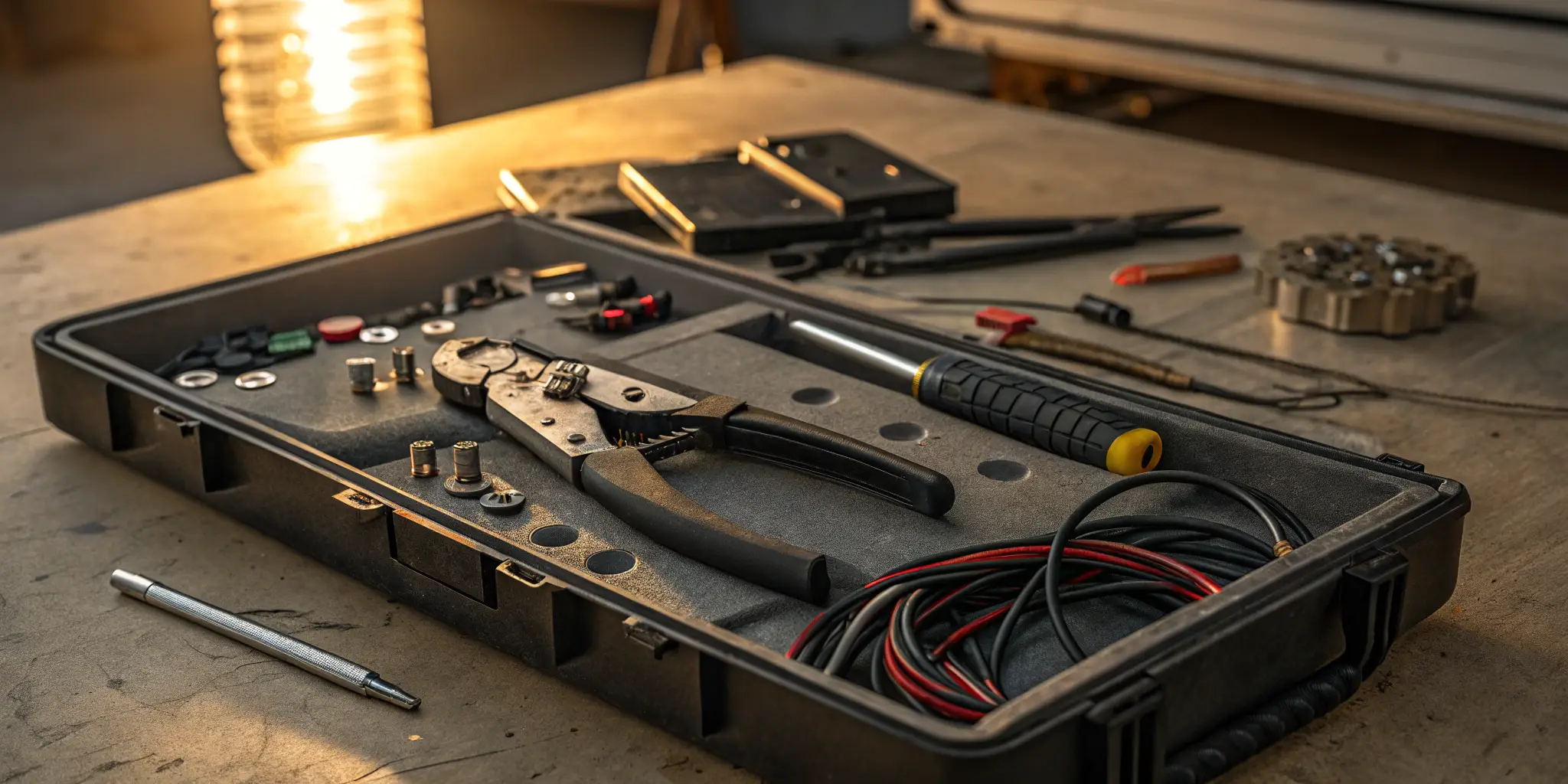
✅ Use proper crimping tools4 to ensure a tight electrical connection.
✅ Verify that connectors are rated for the correct current and voltage.
✅ Regularly inspect and clean connectors to prevent resistance buildup.
✅ Ensure a secure locking mechanism5 to prevent loose connections over time.
What Causes Poor Electrical Contact in MC4 Connectors, and How Can It Be Fixed?
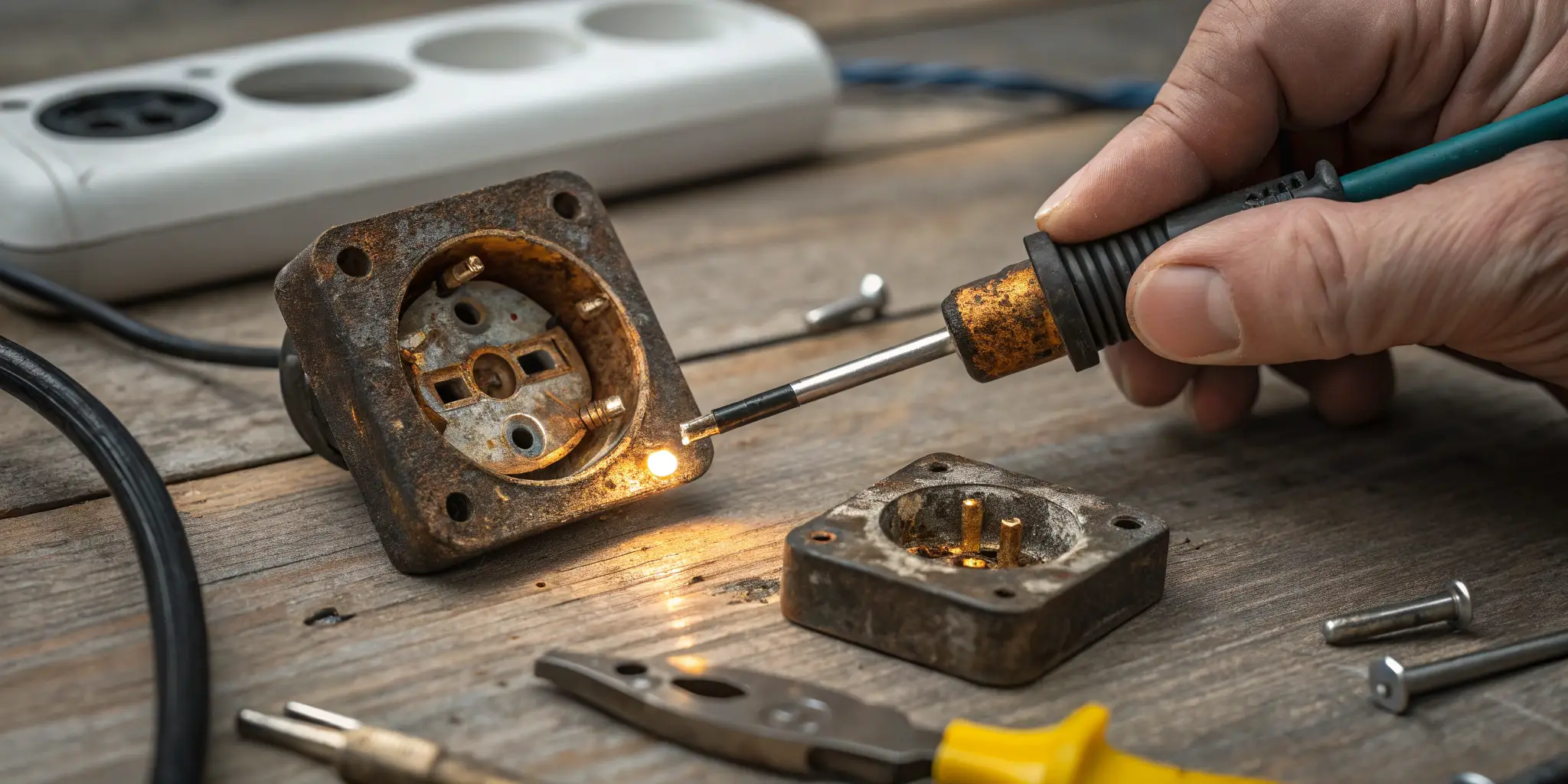
Common Causes of Poor Contact:
- Dirt or oxidation on metal contacts reduces conductivity.
- Incorrect crimping or loose wiring results in a weak connection.
- Low-quality or counterfeit connectors may not fit properly.
Fixing Poor Electrical Contact:
🔧 Clean metal contacts using electrical contact cleaner or isopropyl alcohol.
🔧 Re-crimp or replace improperly installed connectors.
🔧 Use genuine MC4 connectors6 from reputable brands to ensure proper fit.
🔧 Check polarity before connecting to avoid mismatched terminals.

How Do You Identify and Repair Water Ingress Issues in MC4 Connectors?
Signs of Water Ingress:
- Corrosion on metal contacts or inside the connector.
- Moisture buildup inside the plastic housing.
- Reduced power output due to short circuits or increased resistance.
Steps to Fix and Prevent Water Ingress:
✔ Inspect O-ring seals and replace damaged ones.
✔ Use IP67/IP68-rated MC4 connectors7 for better waterproofing.
✔ Apply dielectric grease8 to prevent moisture buildup.
✔ Secure the locking mechanism tightly to avoid gaps.
If corrosion is severe, replace the entire connector to prevent further damage.
What Are the Signs of MC4 Connector Failure, and When Should They Be Replaced?
Key Indicators of MC4 Connector Failure:
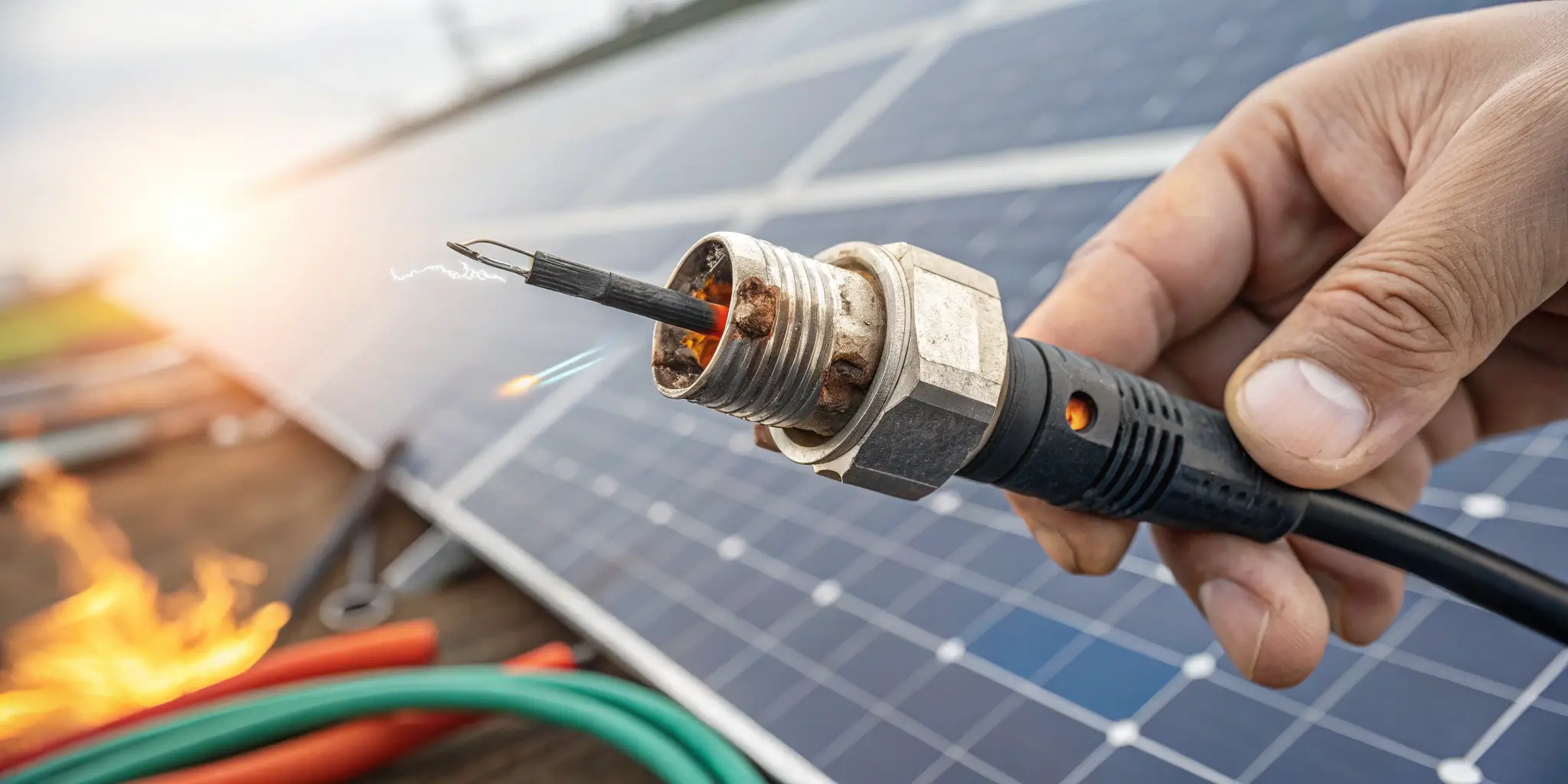
- Burn marks or melting9 – Indicates overheating and potential fire risk.
- Intermittent power output10 – Suggests loose or corroded connections.
- Cracked or brittle plastic – UV exposure weakens connector durability.
- Difficult disconnection11 – Warped connectors may prevent a secure fit.
When to Replace MC4 Connectors:
🚨 Immediately replace connectors showing burn marks, corrosion, or physical damage.
🚨 If a connector frequently overheats, it may be undersized or improperly crimped.
🚨 Replace connectors every 5-10 years as part of routine solar system maintenance.
Conclusion
Regular maintenance and timely replacement of MC4 connectors can prevent power loss, overheating, and safety hazards in solar panel systems. By understanding the common faults and applying proper solutions, you can ensure a long-lasting and efficient solar installation.
-
Understanding the causes of overheating can help you ensure safe and efficient solar installations. ↩
-
Learn effective solutions to maintain optimal performance and longevity of your solar connections. ↩
-
Preventing water ingress is crucial for the reliability of your solar system; explore expert recommendations. ↩
-
Using the right crimping tools is crucial for ensuring secure connections, which can prevent overheating and improve performance. ↩
-
A secure locking mechanism is essential for maintaining connection integrity, reducing the risk of overheating and failures in solar installations. ↩
-
Using genuine MC4 connectors ensures safety and reliability, preventing future electrical issues and enhancing performance. ↩
-
Exploring the advantages of these connectors can enhance your knowledge on waterproofing solutions for electrical applications. ↩
-
Learning about dielectric grease can improve your maintenance practices and extend the life of your connectors. ↩
-
Understanding the causes of burn marks can help prevent serious issues in your solar system. Explore this link for detailed insights. ↩
-
Troubleshooting intermittent power output is crucial for maintaining efficiency. This resource offers practical solutions and tips. ↩
-
Learning about the implications of difficult disconnection can enhance your understanding of connector maintenance and safety. Check this out! ↩
