
How to Choose the Right MC4 Connector?
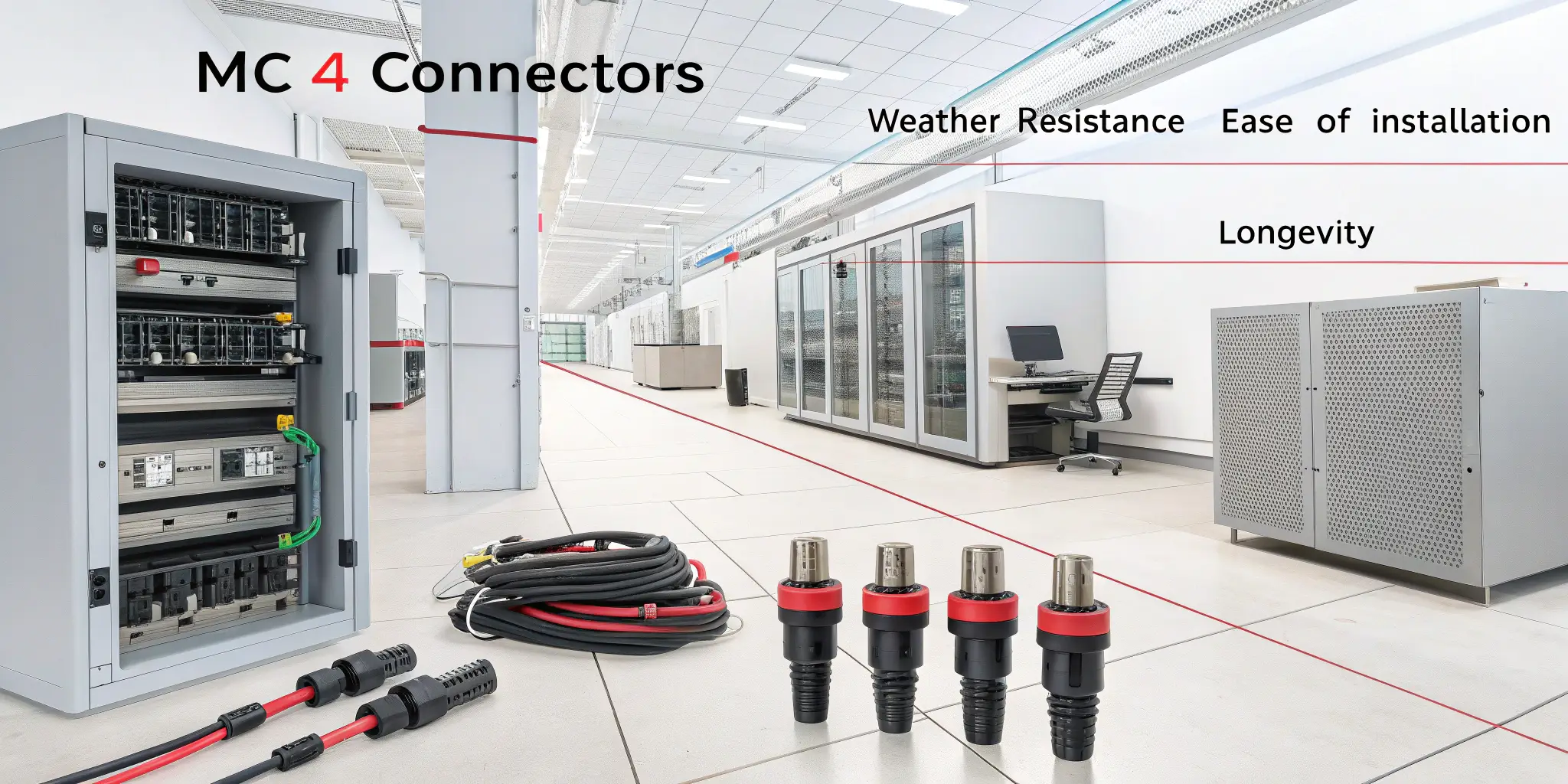
Selecting the right MC4 connector is essential for ensuring the efficiency, safety, and longevity of your solar power system. With various options available, it’s crucial to understand the key factors that influence your choice, including size, compatibility, durability, and weather resistance.
What Factors Should Be Considered When Selecting an MC4 Connector?
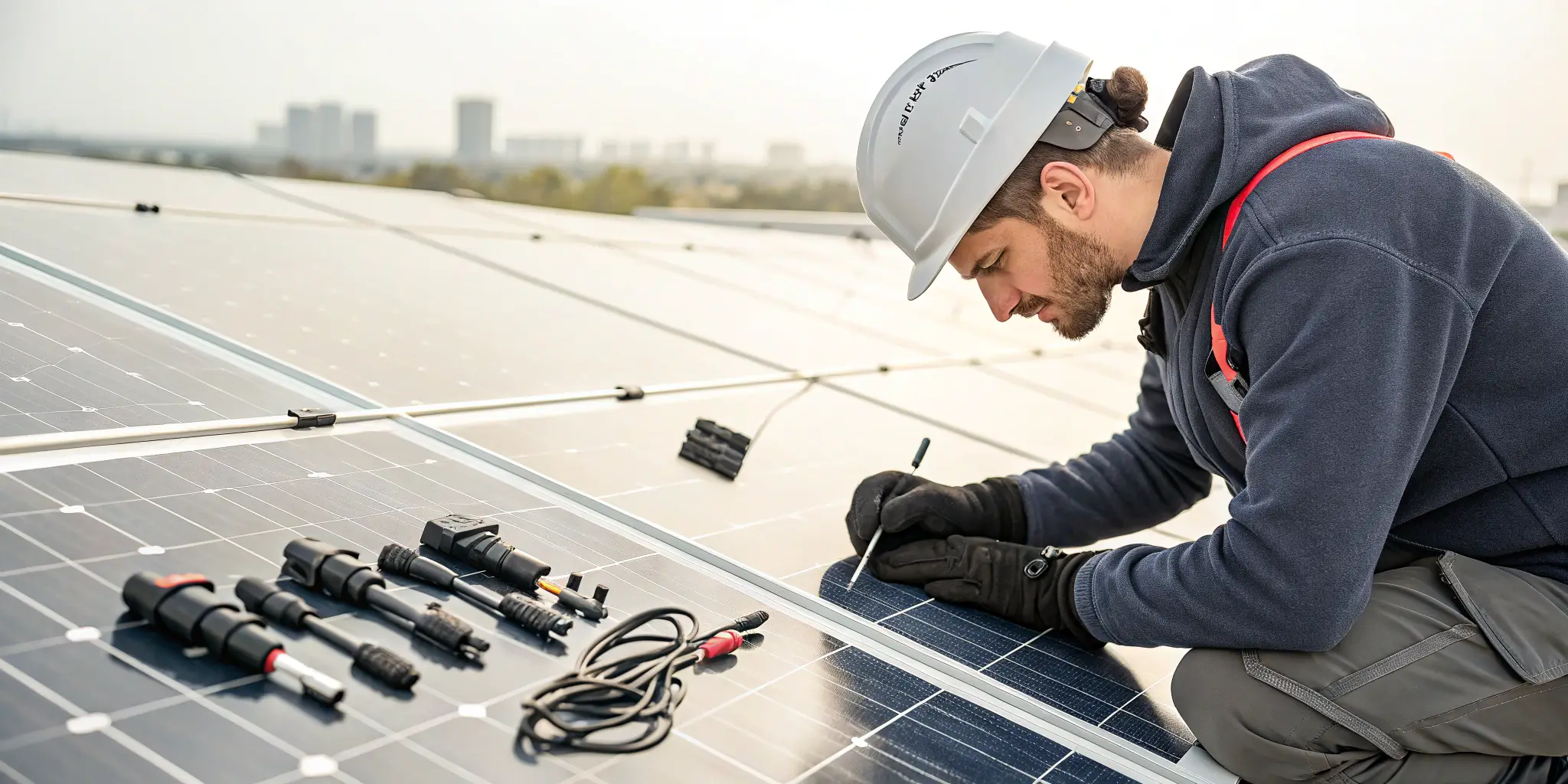
Choosing the correct MC4 connector involves evaluating multiple factors to ensure compatibility and long-term performance. Here are the key considerations:
1. Voltage and Current Rating
- Ensure the connector supports the maximum voltage and current1 of your solar panel system.
- Standard MC4 connectors handle up to 30A and 1,500V DC.
2. Compatibility with Solar Panels
- Match the connector type with your solar panel’s specifications.
- Verify whether the connectors are genuine MC4 or compatible third-party versions.
3. Durability and Environmental Resistance
- Look for IP67 or IP68-rated connectors2 for waterproofing and dust resistance.
- Choose UV-resistant materials to withstand prolonged sun exposure.
4. Locking Mechanism
- A secure locking system prevents accidental disconnection and ensures safety.
- MC4 connectors feature a snap-in locking system that requires a specialized tool for disconnection.
5. Compliance with Industry Standards
- Check for certifications such as IEC 62852 or UL 67033 to guarantee safety and quality.
How Do You Determine the Correct MC4 Connector Size for Your Solar System?
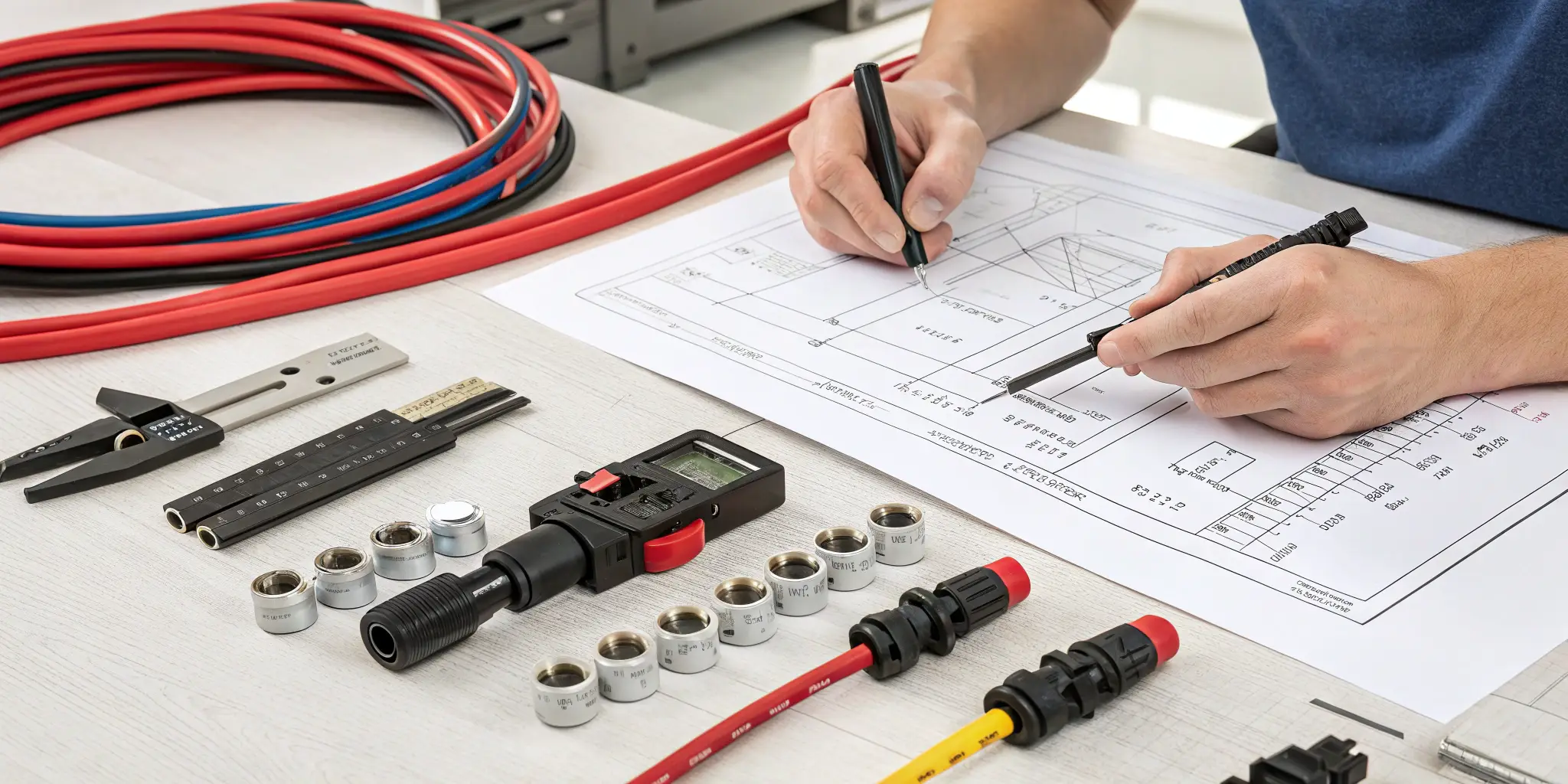
The correct MC4 connector size depends on the cable gauge and current rating4. Using the wrong size can lead to voltage drops, overheating, or connection failures5.
| Cable Size (AWG/mm²) | Current Rating (A) | Recommended MC4 Connector Size |
|---|---|---|
| 10 AWG (6mm²) | Up to 30A | Standard MC4 Connector |
| 12 AWG (4mm²) | Up to 25A | Standard MC4 Connector |
| 14 AWG (2.5mm²) | Up to 20A | Small MC4 Connector |
How to Measure Cable Size for MC4 Connectors?
- Check the solar panel's datasheet6 for wire gauge specifications.
- Use a wire gauge measuring tool if unsure.
- Ensure the connector crimping terminal matches the cable size.
What Are the Differences Between Genuine and Compatible MC4 Connectors?
Many third-party manufacturers produce compatible MC4 connectors7, but not all meet industry standards. Understanding the differences between genuine and third-party MC4 connectors8 can prevent reliability issues.
| Feature | Genuine MC4 Connector | Compatible MC4 Connector |
|---|---|---|
| Brand | Staubli (original MC4 manufacturer) | Various third-party brands |
| Material Quality | High-quality, UV-resistant plastic | Varies (some lower quality materials) |
| Current Rating | Up to 30A | May have lower or inconsistent ratings |
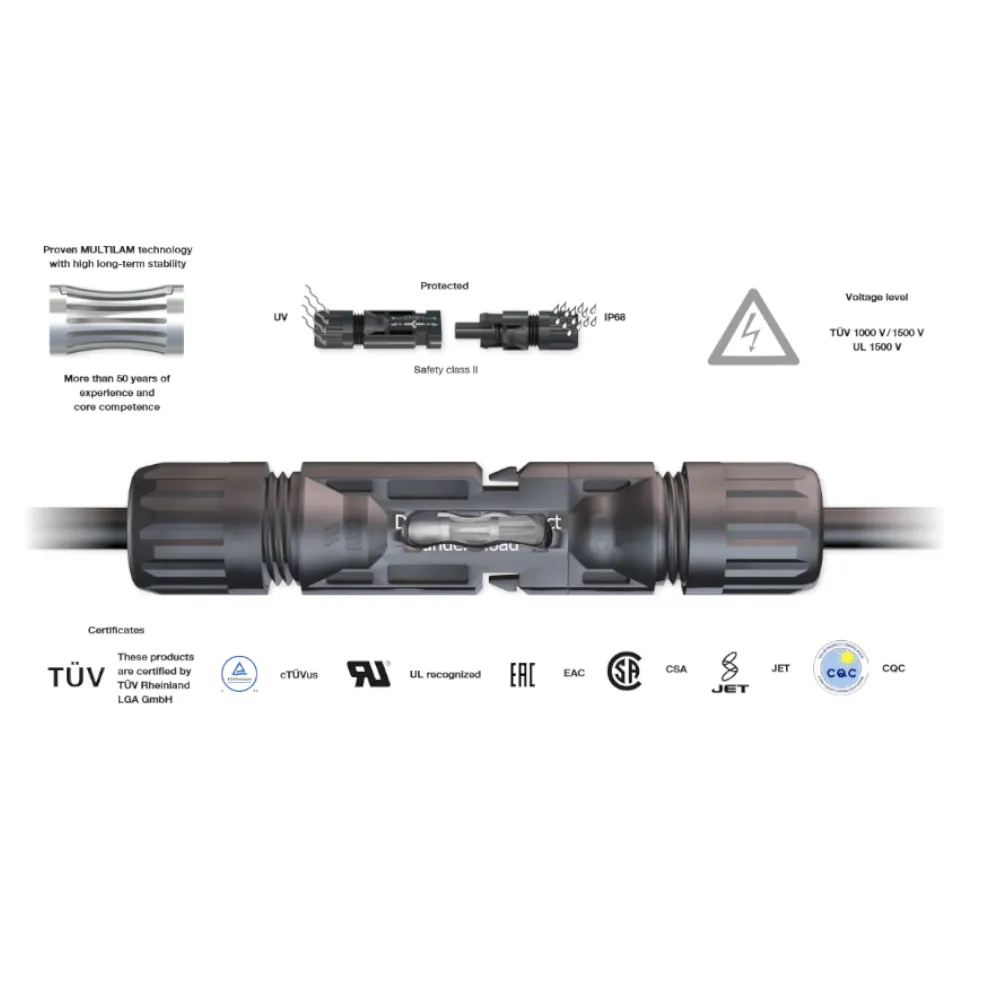
| Weatherproofing | IP67/IP68 certified | May lack proper sealing |
| Certifications | IEC 62852, UL 6703 | May not have certifications |
| Interchangeability | Designed for Staubli MC4 systems | Some may not fit properly with genuine MC4s |
How to Identify Genuine MC4 Connectors?
- Look for the MC logo on the connector body, it belongs to Staubli.
- Check for certifications like IEC or UL ratings on the product label.
- Verify the locking system quality—genuine MC4s have a firm, secure snap-in mechanism.
How Can You Ensure MC4 Connectors Are Weatherproof and Durable?
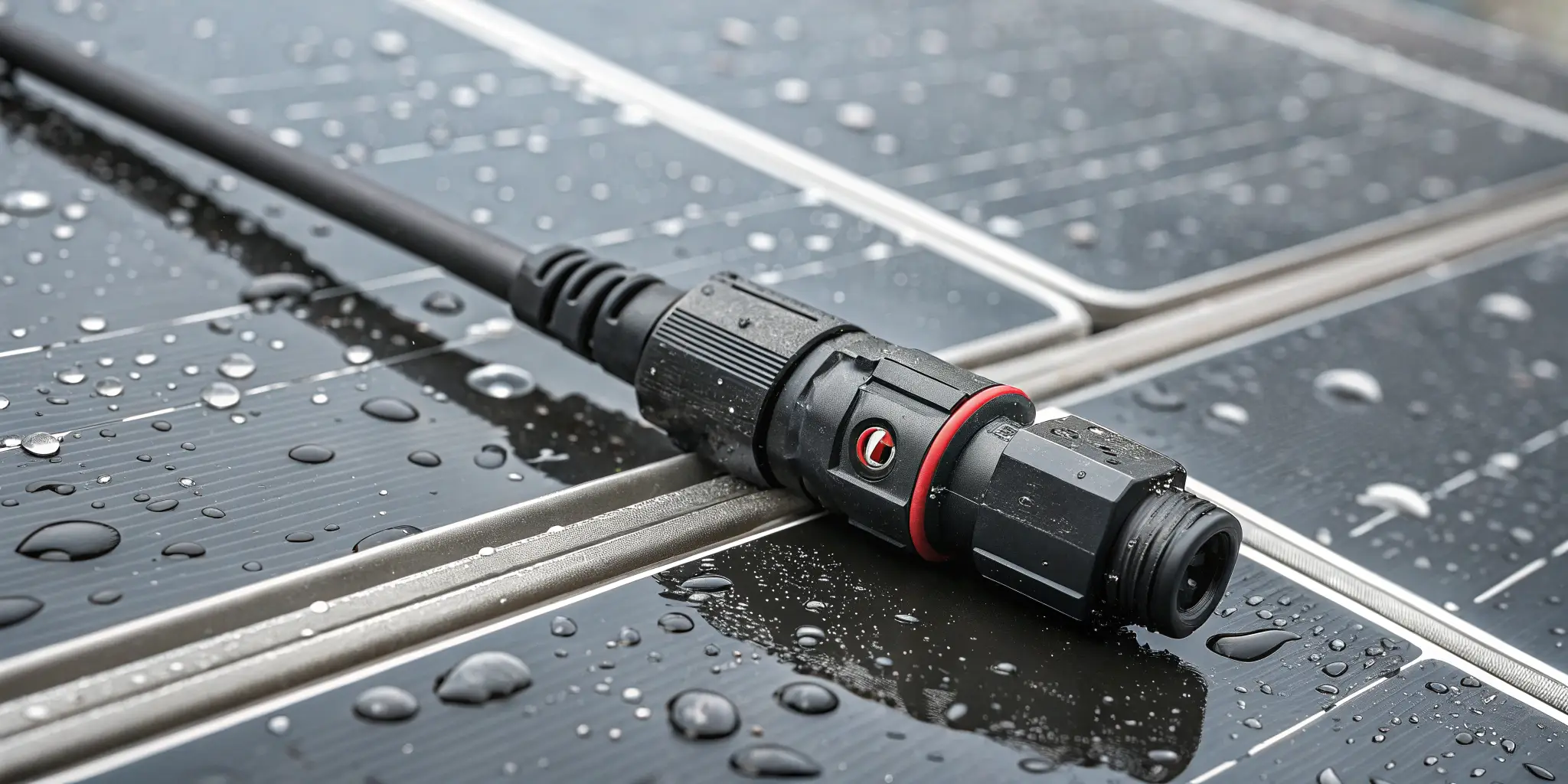
Solar systems operate in harsh outdoor environments, making weather resistance9 a key requirement for MC4 connectors. To ensure durability, check the following:
1. IP67 or IP68 Waterproof Rating10
- IP67: Protects against dust and temporary water immersion.
- IP68: Offers enhanced protection against continuous water exposure.
2. UV and Corrosion Resistance11
- Select connectors made from polycarbonate or PPO plastic to resist UV degradation.
- Avoid connectors made from low-quality plastic, which can become brittle over time.
3. Temperature Tolerance
- Choose MC4 connectors rated for -40°C to 85°C (-40°F to 185°F).
- Ensure high-temperature resistance to prevent melting in hot climates.
4. Secure Locking and Sealing
- Check for double O-rings to provide extra waterproofing.
- Use MC4 wrench tools to tighten and lock connectors properly.
What Common Mistakes Should Be Avoided When Choosing MC4 Connectors?
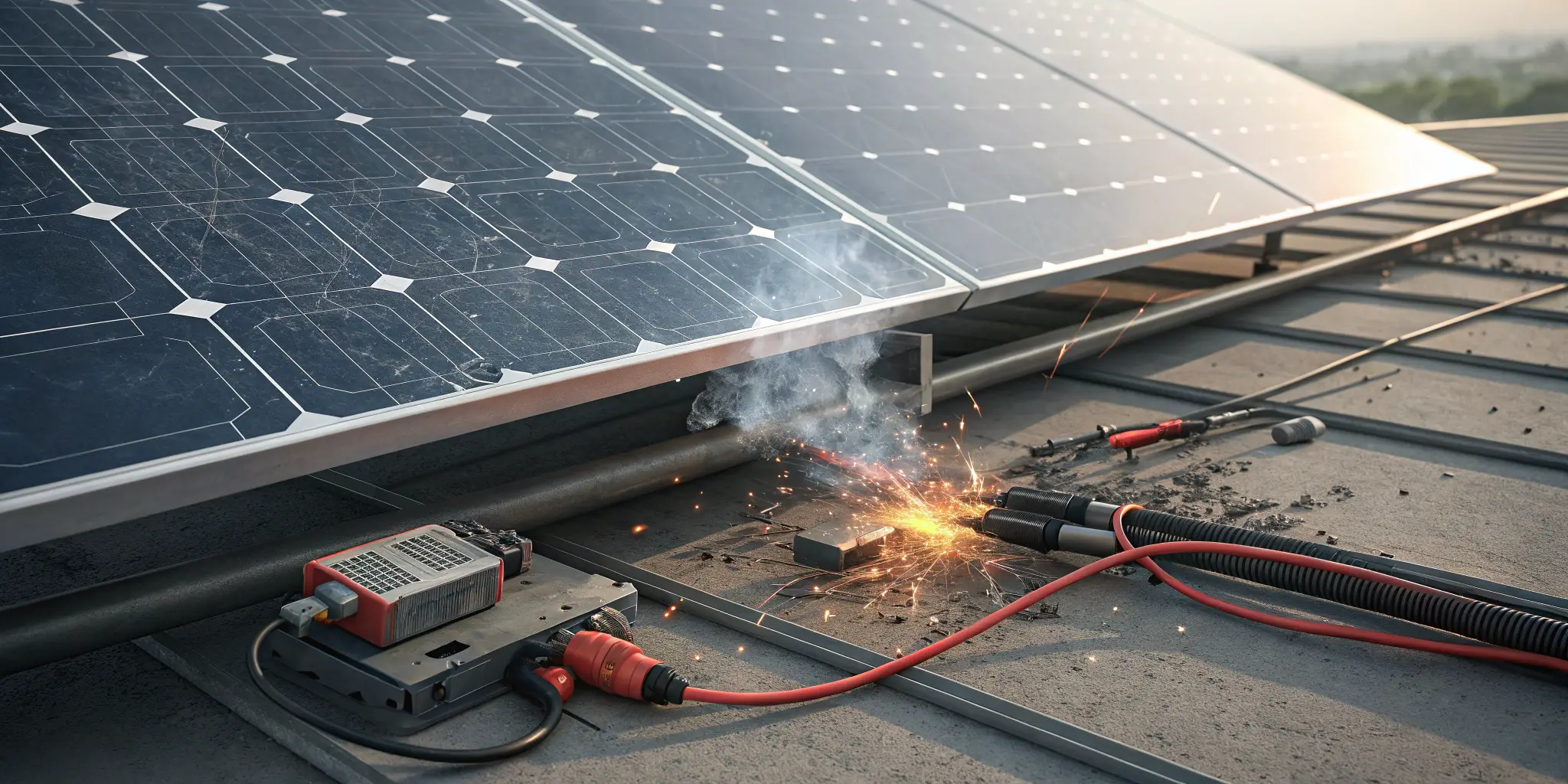
Selecting the wrong MC4 connector or improper installation can lead to energy losses, short circuits, or system failures. Here are the common mistakes to avoid:
| Mistake | Why It’s a Problem | How to Avoid It |
|---|---|---|
| Using incompatible connectors | Mismatched brands may not fit properly, causing poor connections. | Stick to genuine MC4 connectors12 or certified third-party options. |
| Choosing the wrong wire size | Oversized or undersized connectors lead to power loss and overheating. | Match the connector size to the cable gauge. |
| Ignoring waterproof ratings | Low-quality connectors can allow moisture ingress, causing corrosion. | Use IP67/IP68-rated MC4 connectors. |
| Improper crimping | Weak crimps result in loose connections and high resistance. | Always use an MC4 crimping tool13 for proper assembly. |
| Not checking polarity | Reversing polarity can damage solar inverters and charge controllers. | Double-check the positive and negative terminals before connecting. |
Pro Tip:
Always test MC4 connections using a multimeter before finalizing the installation.
Conclusion
Choosing the right MC4 connector is crucial for ensuring efficiency, safety, and long-term performance in solar power systems. By considering factors like current rating, durability, and waterproofing, you can select a reliable connector that meets your system's needs.
To avoid common pitfalls, always verify connector compatibility, use high-quality materials, and ensure proper installation. Whether for residential or commercial solar projects, the right MC4 connector choice can maximize energy transfer and system longevity.
-
Understanding the voltage and current ratings is crucial for ensuring your solar panel system operates safely and efficiently. ↩
-
Learn about IP ratings to ensure your connectors are suitable for harsh environmental conditions, enhancing their longevity. ↩
-
Explore these certifications to ensure your connectors meet industry safety and quality standards, providing peace of mind. ↩
-
Understanding cable gauge and current rating is crucial for optimizing your solar system's performance and safety. Explore this link for detailed insights. ↩
-
Learn how these issues can impact your solar system's efficiency and safety, and discover solutions to prevent them. ↩
-
A solar panel's datasheet contains vital specifications that ensure proper installation and performance. Check it out for essential details. ↩
-
Explore this link to understand the features and benefits of compatible MC4 connectors, helping you make informed choices. ↩
-
This resource will clarify the key differences, ensuring you choose reliable connectors for your solar projects. ↩
-
Understanding weather resistance is crucial for the longevity of MC4 connectors in solar systems. Explore this link for expert insights. ↩
-
Learn about the significance of IP ratings in ensuring the durability of MC4 connectors against water exposure. ↩
-
Discover how UV and corrosion resistance can enhance the performance and longevity of your solar connectors. ↩
-
Understanding the importance of genuine MC4 connectors can help ensure safe and efficient solar installations. ↩
-
Proper use of an MC4 crimping tool is crucial for ensuring strong connections and preventing energy losses in solar setups. ↩