 Skip to content
How to choose the right solar panel for solar monitoring equipment?
Solar monitoring equipment requires reliable solar panels to function optimally. Choosing the right one can be overwhelming, but the right decision ensures efficiency and sustainability.
To choose the right solar panel, consider energy requirements, environmental factors, and durability. Match your system’s needs with the panel's specifications for the best results.
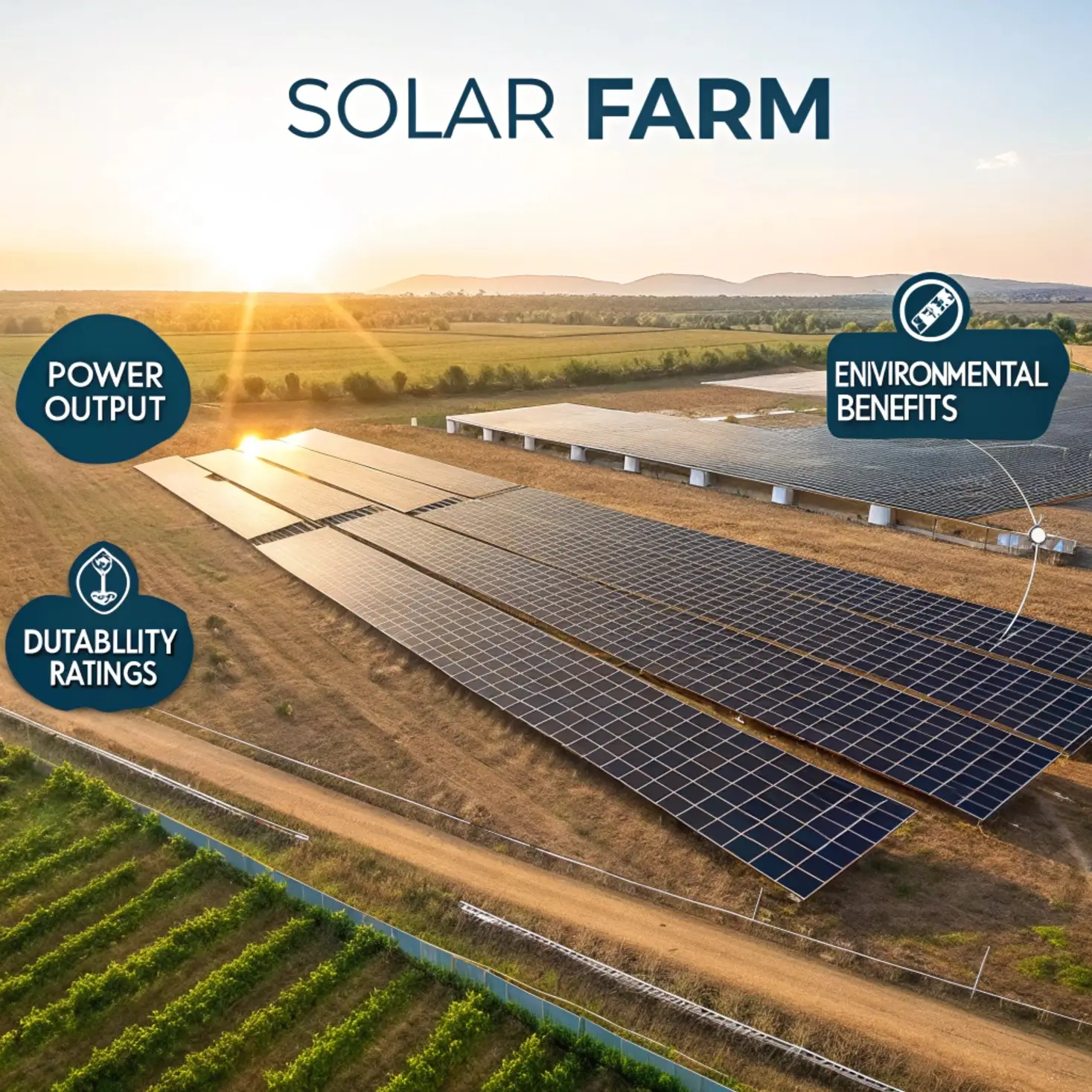
Selecting the right solar panel is crucial for ensuring your solar monitoring system performs as intended. Let's break it down step by step.
How to know which solar panel to choose?
Many options are available, but not all solar panels suit monitoring equipment1. You must consider compatibility, efficiency, and system requirements.
Start by identifying your system's power needs and matching them with panel output, type, and efficiency. Also, consider long-term performance2.
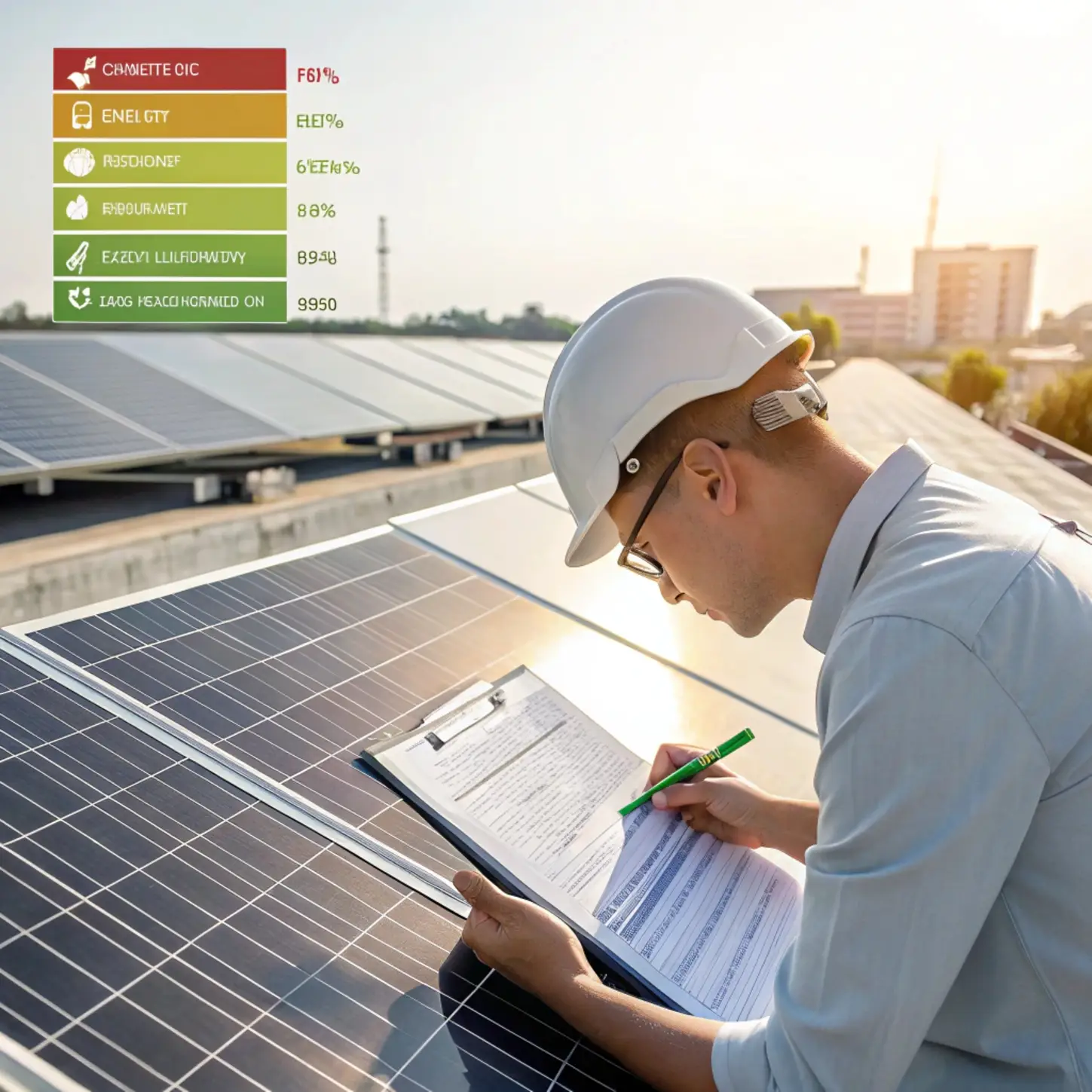
Factors to Consider When Choosing a Solar Panel
- Energy Output: Determine the required wattage for your monitoring equipment. A mismatch can result in underperformance or overinvestment.
- Panel Efficiency: High-efficiency panels maximize energy production, especially in limited space.
- Durability and Warranty: Check for weather resistance and long-term reliability.
- Cost vs. Value: Balance initial costs with long-term benefits like energy savings and durability.
| Factor | Importance | Example Options |
|---|---|---|
| Energy Output | Matches device power requirements | 100W, 200W, 350W panels |
| Efficiency | Ensures optimal energy production | Mono vs. Polycrystalline |
| Durability and Warranty | Long-term reliability and savings | 10–25 years warranty |
| Cost vs. Value | Balances budget and performance | Budget vs. premium panels |
Understanding these factors helps make an informed choice for your solar monitoring system.
How do I calculate what size solar panel I need?
Sizing the panel involves calculating your system's energy demand and matching it to the solar panel's capacity. It's about balancing energy production with usage.
To calculate the size, assess daily energy needs and account for efficiency losses3. Match this with the panel's rated wattage and hours of sunlight.
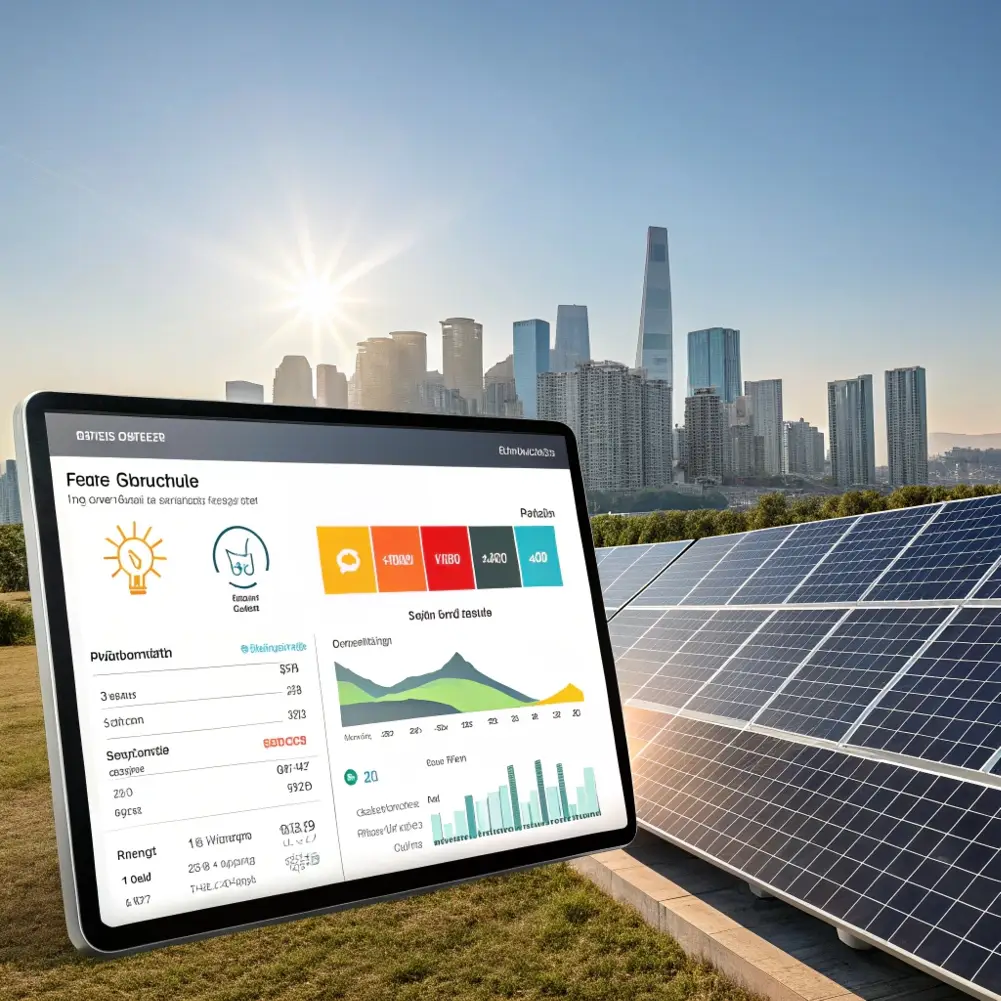
Steps to Calculate Solar Panel Size
- Determine Energy Needs: Identify the daily energy consumption4 of your monitoring equipment in watt-hours (Wh).
- Estimate Sunlight Hours: Use local data to find average peak sunlight hours5.
- Account for Losses: Factor in efficiency losses due to wiring, shading, or weather (typically around 20%).
- Choose the Right Wattage: Divide daily energy needs by effective sunlight hours to find required panel wattage.
Example Calculation
If your system needs 300Wh/day and you get 5 hours of sunlight:
- Adjusted energy needs = 300Wh × 1.2 (20% losses) = 360Wh
- Required wattage = 360Wh ÷ 5 hours = 72W
In this case, an 80–100W panel would provide a good margin for safety.
How can I monitor my solar panels?
Monitoring ensures optimal performance and identifies potential issues early. Modern solar monitoring systems6 provide real-time data7 for better efficiency.
Use a solar monitoring system to track energy production, detect faults, and optimize performance for long-term savings and sustainability.
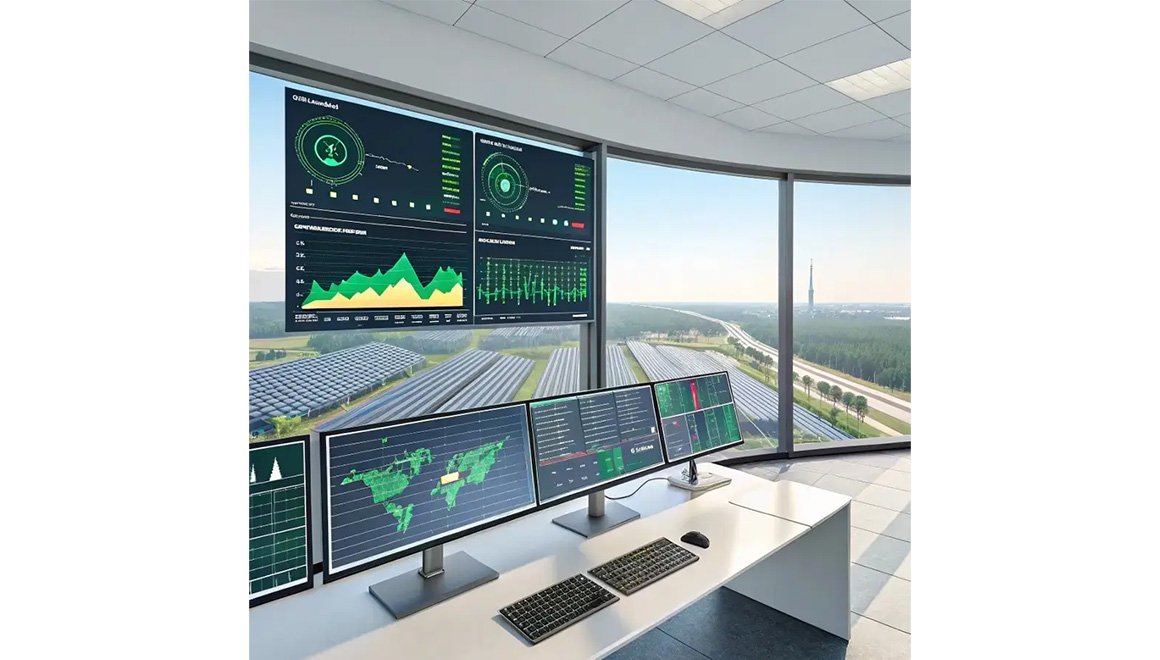
Key Features of Solar Monitoring Systems
- Real-Time Tracking: Monitors energy production and identifies inefficiencies.
- Performance Alerts: Warns of potential issues like shading or malfunctioning components.
- Energy Analytics: Provides insights into daily and long-term performance.
- Remote Access: Enables monitoring from anywhere using apps or web platforms.
| Feature | Benefit | Example Tools |
|---|---|---|
| Real-Time Tracking | Ensures optimal performance | Inverter apps, IoT platforms |
| Performance Alerts | Detects issues early | Automated notifications |
| Energy Analytics | Optimizes energy usage | Daily/monthly reports |
| Remote Access | Convenient and user-friendly | Mobile apps, cloud software |
By implementing a reliable monitoring system, you ensure that your solar panels operate efficiently and provide maximum value.
How do I know if a solar panel is of good quality?
Quality panels deliver better performance and last longer. Evaluating material, certifications, and warranty helps identify reliable options.
Check for certifications like IEC and warranty terms. High-quality panels have robust materials and undergo rigorous testing.

Signs of a High-Quality Solar Panel
- Material Quality: Look for durable materials like tempered glass8 and corrosion-resistant frames.
- Certifications: Ensure compliance with international standards like IEC 612159 and ISO 9001.
- Performance Warranty: A 25-year warranty10 indicates manufacturer confidence in product longevity.
- Customer Reviews: Research feedback to verify real-world performance and reliability.
Comparing Quality Indicators
| Indicator | What to Check | Why It Matters |
|---|---|---|
| Material Quality | Glass, frames, connectors | Ensures durability |
| Certifications | IEC, ISO standards | Confirms safety and quality |
| Warranty | 10–25 years | Indicates long-term reliability |
| Customer Reviews | User feedback and testimonials | Real-world performance |
Quality panels may cost more upfront but offer better returns over time, making them a smart investment for solar monitoring systems.
Conclusion
Choosing the right solar panel for monitoring equipment involves balancing energy needs, quality, and cost. With proper planning, your solar system can deliver long-term efficiency and sustainability.
-
Discover top solar panels specifically designed for monitoring equipment to ensure compatibility and optimal performance. ↩
-
Explore the key factors that ensure the durability and reliability of solar panels over time, crucial for sustained energy savings. ↩
-
Awareness of efficiency losses due to factors like shading and weather is essential for designing a solar panel system that meets your energy requirements. ↩
-
Understanding your daily energy consumption is crucial for accurately sizing your solar panel system to meet your energy needs efficiently. ↩
-
Knowing the average peak sunlight hours in your area helps in optimizing the placement and size of your solar panels for maximum energy production. ↩
-
Explore how solar monitoring systems can enhance your solar panel's efficiency and longevity, ensuring you get the most out of your investment. ↩
-
Discover the importance of real-time data in identifying inefficiencies and optimizing solar panel performance for better energy production. ↩
-
Tempered glass in solar panels offers enhanced durability and resistance to environmental factors, ensuring long-term performance. ↩
-
Understanding IEC 61215 certification helps ensure the solar panels meet international safety and performance standards. ↩
-
A 25-year warranty on solar panels signifies the manufacturer's confidence in their product's durability and performance over time. ↩
