 Skip to content

How to Maintain Consistent Solar Panel Specifications When Importing from China?
Many buyers succeed with the first order, then face surprises later. I have seen stable designs slowly drift without anyone noticing until problems appear.
Long-term specification consistency depends on locked documents, fixed materials, and disciplined repeat-order control, not on trust or verbal promises.
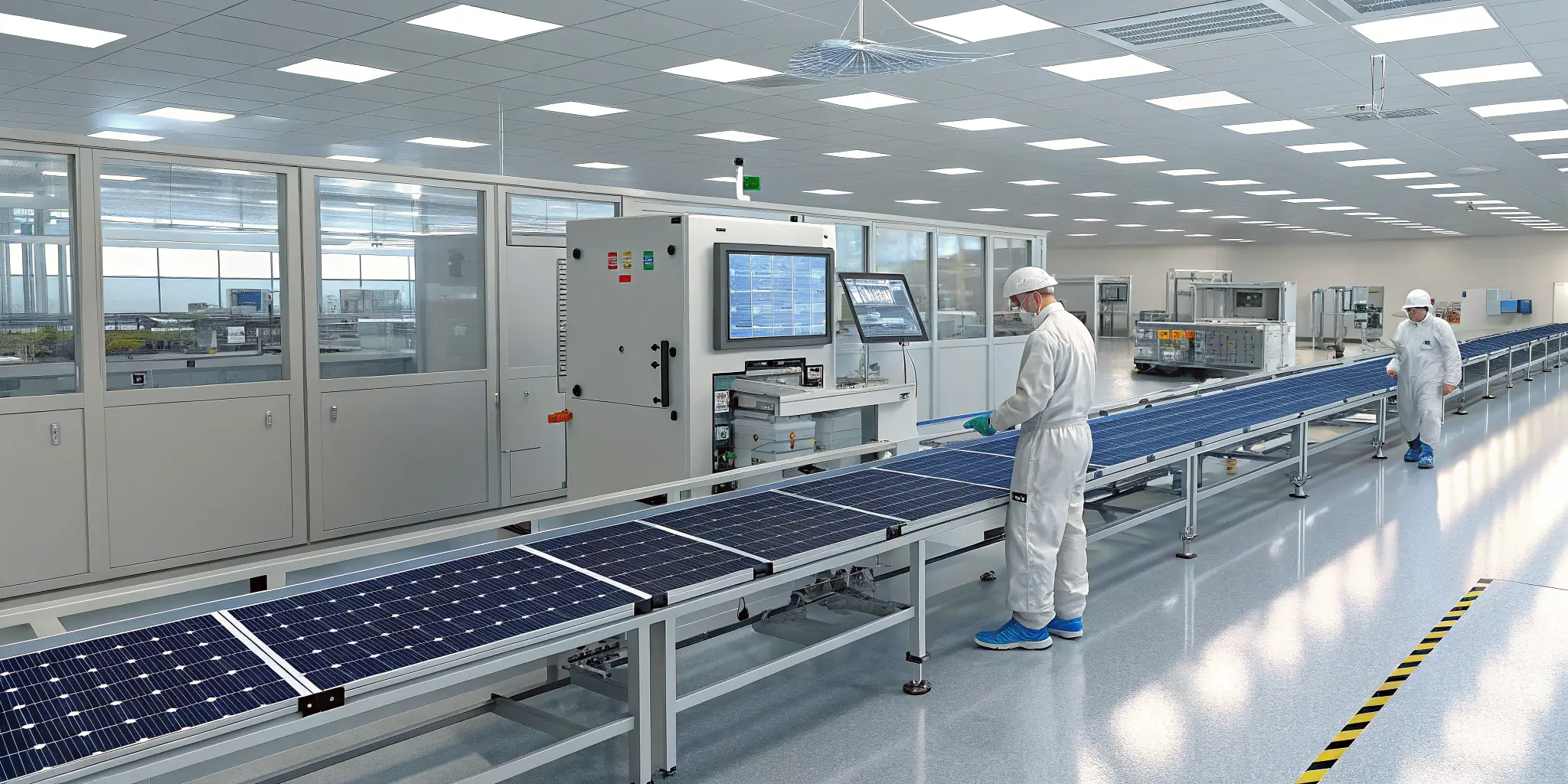
I write this based on long-term sourcing experience. In reality, specifications can stay consistent for years. But only if I manage them actively. Below, I explain how I control variation across batches and repeat orders.
How do I check batch-to-batch consistency1?
Batch-to-batch consistency is not automatic. Even good factories face pressure from cost, supply, and scheduling.
I check consistency by comparing every batch against a fixed reference, using data, samples, and inspections.
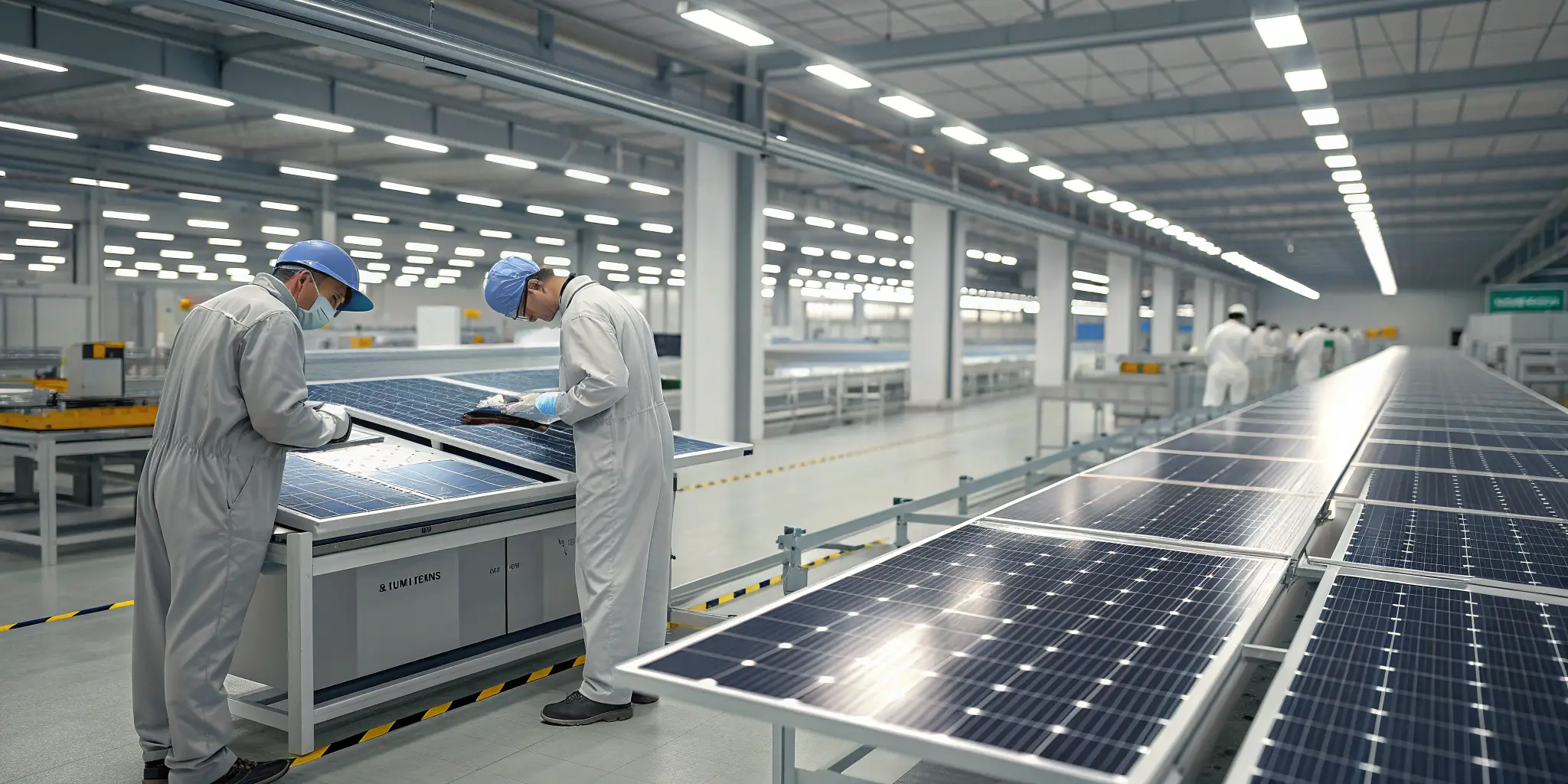
Golden samples are my anchor
I always request golden samples from the first approved production run. These samples are not marketing pieces. They are control tools.
I keep them to compare:
- Dimensions
- Frame color and finish
- Label layout
- Junction box position
Every future batch must visually and mechanically match these samples.
Data comparison matters more than promises
For each shipment, I collect:
- Flash test data
- EL test images
- Weight and dimension records
I compare them against the first batch baseline.
| Parameter | Baseline source | Check method |
|---|---|---|
| Power | Pilot batch | Flash report |
| Size | Golden sample | Measurement |
| Appearance | Golden sample | Visual check |
Third-party inspections reduce blind spots
Internal QC follows factory rules. I need external eyes.
I use third-party inspectors to:
- Pull random modules
- Verify serial numbers
- Recheck power bins
This helps me detect slow drift before it becomes a serious issue.
Can I lock design parameters2 in contracts?
Yes. And I consider this essential.
Design parameters only stay stable when they are contractually locked with clear change-control rules.
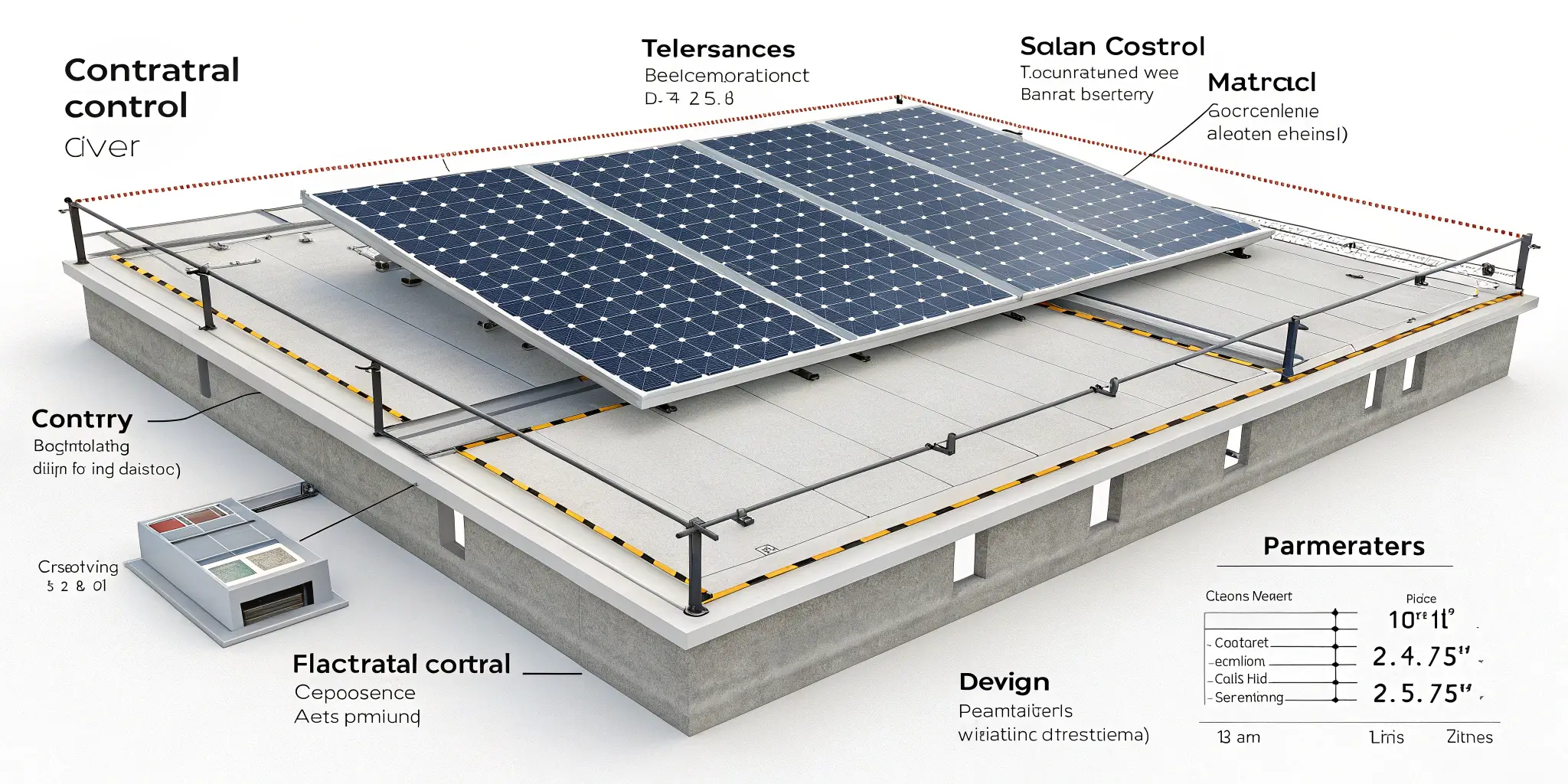
What I lock in writing
I never rely on general datasheets. I lock a detailed technical appendix.
It includes:
- Full Bill of Materials
- Approved brands and models
- Electrical tolerances
- Mechanical tolerances
| Item | Locked? | Why |
|---|---|---|
| Cell type | Yes | Power stability |
| Glass model | Yes | Strength and optics |
| Backsheet | Yes | Aging behavior |
No-change clauses protect me
I include a clause stating: no material, process, or design change without written approval.
This stops silent substitutions caused by:
- Supply shortages
- Cost pressure
- Internal optimization
Tolerances matter more than targets
I define acceptable ranges, not just nominal values.
Examples:
- Power tolerance range
- Length and width limits
- Weight variation
Clear limits make rejection possible and enforceable.
What affects long-term stability?
Long-term stability is shaped by both factory systems and buyer behavior.
Stable automation, fixed materials, and consistent ordering behavior are key drivers of long-term specification stability3.
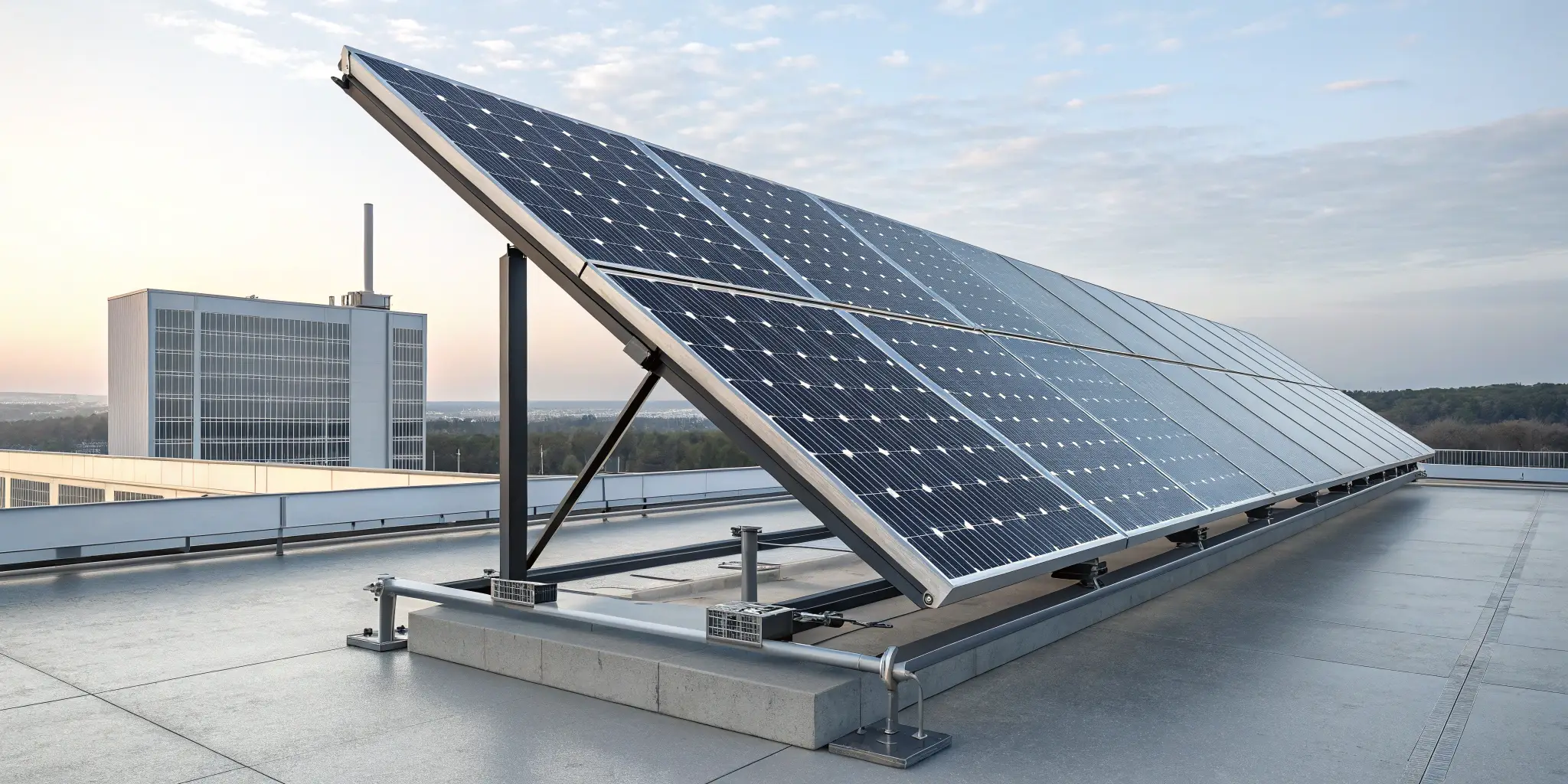
Production line stability
I prefer factories with:
- Automated stringing
- Automated lamination
- Digital traceability systems
Manual-heavy lines introduce more variation between shifts and batches.
Fixed cell sourcing and binning
Cells change over time if not controlled.
I require:
- Fixed cell manufacturer
- Fixed cell model
- Defined binning range
| Cell control item | Effect |
|---|---|
| Fixed supplier | Power consistency |
| Fixed bin range | Low variation |
| Mixed bins | High variation |
Avoiding frequent design changes
Even small changes reset stability.
Examples:
- Frame supplier switch
- EVA formulation update
- Junction box model change
Each change increases uncertainty. I avoid changes unless there is a clear technical reason.
How do I manage repeat orders reliably?
Repeat orders fail when processes become casual.
Reliable repeat orders4 require discipline, records, and long-term supplier alignment.
Keep full historical records
I archive everything from the first order:
- Signed datasheets
- Test reports
- Inspection photos
- Serial number lists
This allows fast comparison years later.
Batch traceability5 protects me
I require:
- Unique serial numbers
- Production date codes
- Batch IDs linked to BOM versions
This helps identify when and where variation starts.
Long-term relationships reduce variation
Stable relationships give me:
- Priority access to materials
- Early notice of supply risks
- More respect for locked specs
Factories protect long-term customers better than one-off buyers.
| Management action | Benefit |
|---|---|
| Fixed BOM | Stable output |
| Repeat volume | Higher priority |
| Clear penalties | Compliance |
Feedback closes the loop
I track field performance when possible. If I see deviations, I share data with the factory.
This turns repeat orders into a controlled system, not a gamble.
Conclusion
Custom solar panel specifications can remain stable for years. I achieve this by locking documents, fixing materials, checking every batch, and treating repeat orders as controlled production, not new projects.
-
Understanding batch-to-batch consistency is crucial for maintaining quality in production. Explore this link to learn more about its importance. ↩
-
Understanding design parameters is crucial for ensuring stability and clarity in contracts, making this resource invaluable. ↩
-
Understanding these factors can help you ensure consistent quality and performance in your projects. ↩
-
Explore this link to discover essential strategies for ensuring your repeat orders are consistently successful. ↩
-
Learn about the importance of batch traceability in enhancing product quality and accountability in your supply chain. ↩
