
What Size MC4 Connector Do I Need for 4mm² vs 6mm² Solar Cables?
Choosing the wrong MC4 connector size can quietly destroy your solar project.
For 4mm² cables, use standard MC4s; for 6mm² cables, you may need a larger contact version to ensure perfect fit and safe current flow.
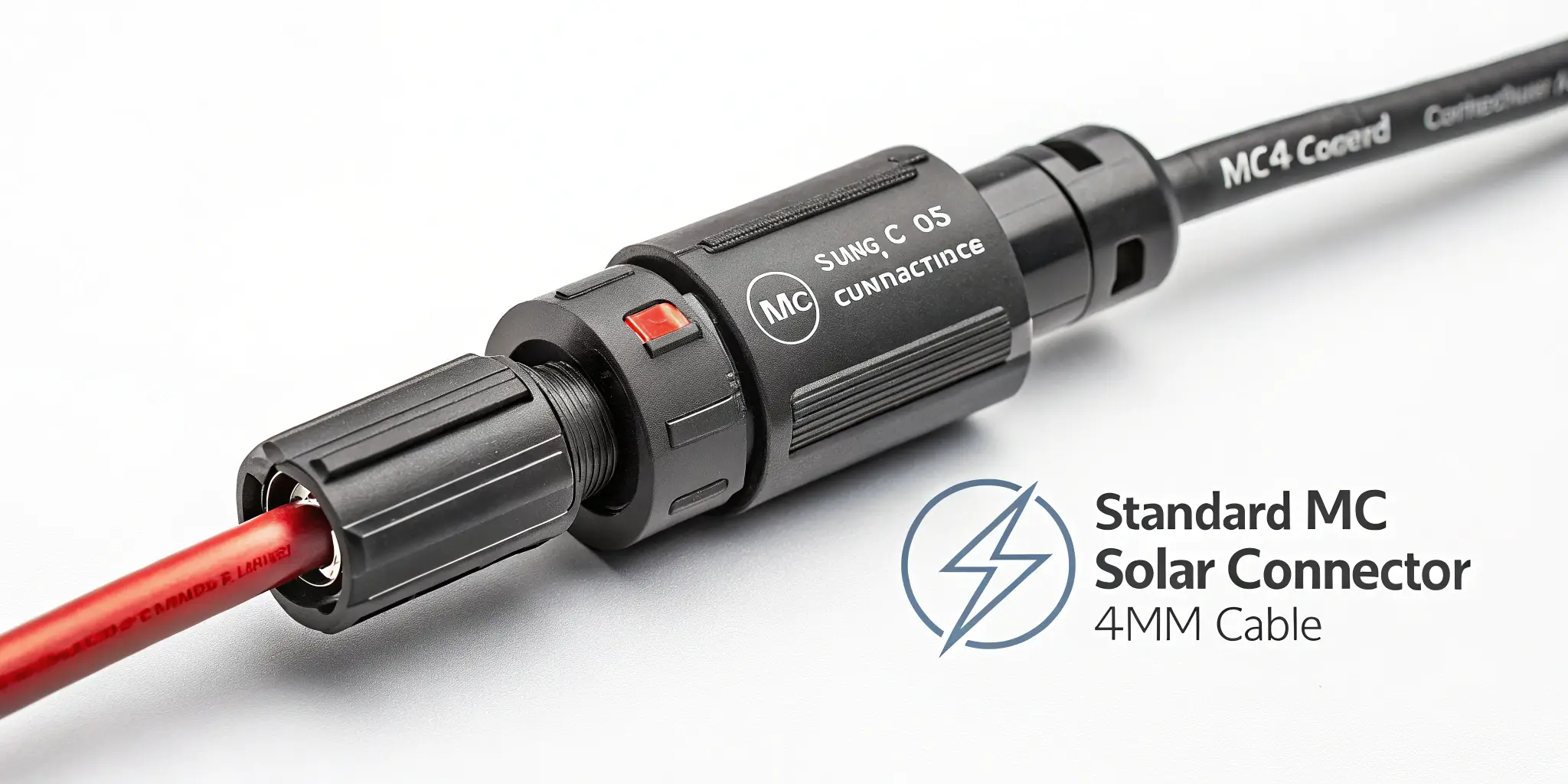
Many people think all MC4 connectors are "one size fits all," but that’s a dangerous myth. If you mismatch your cable and connector size, you risk overheating, poor crimping, and hidden failures. Let’s break it down carefully.
What Happens If You Use the Wrong MC4 Connector Size?
Small mistakes lead to big consequences.
Using the wrong MC4 size can cause poor contact, loose crimping, overheating, and even fire in solar systems.
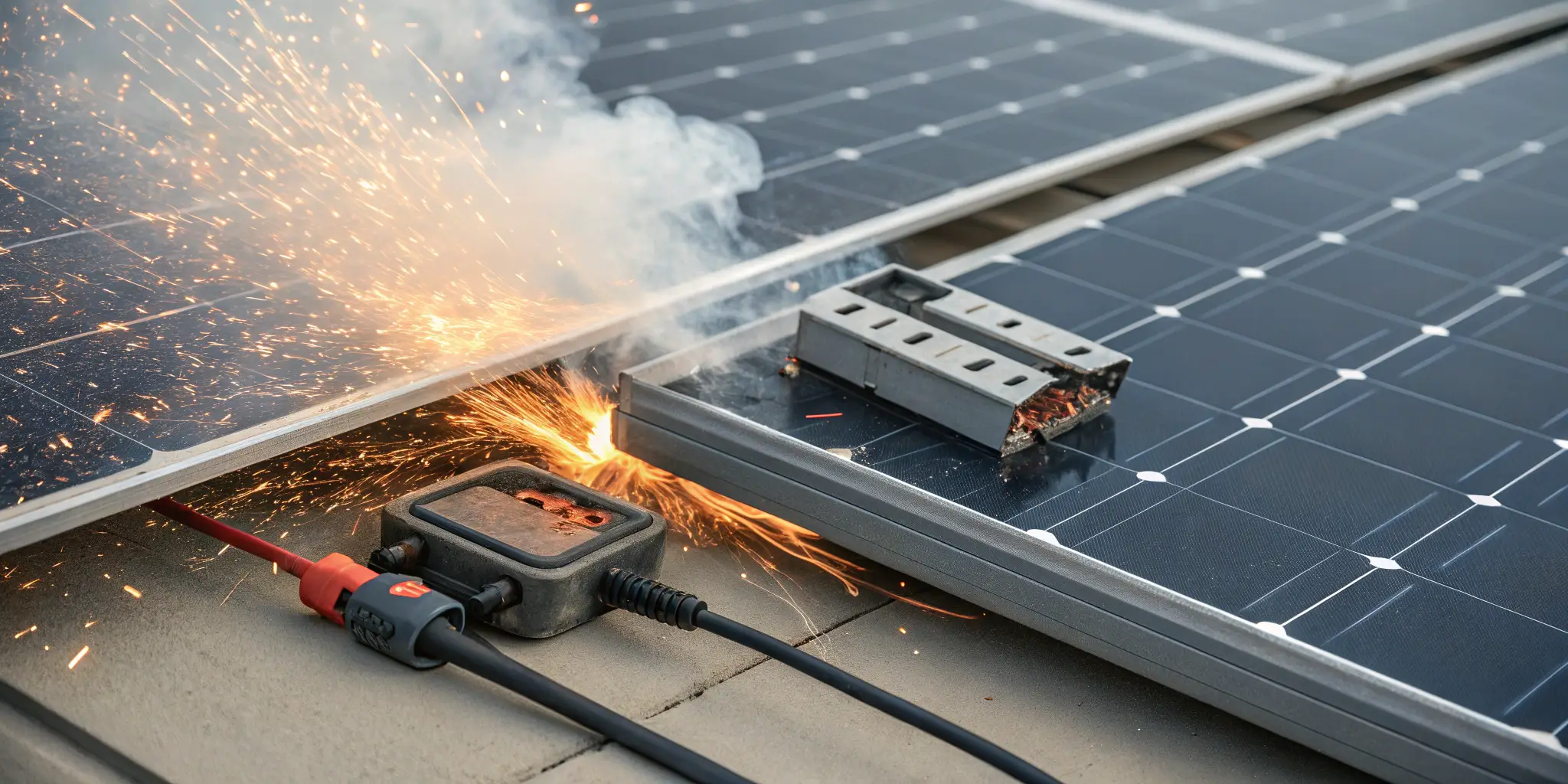
Why does this happen?
Poor Electrical Contact1
If the cable doesn’t match the connector's metal core, current doesn’t flow properly. This raises resistance and heat.
Bad Mechanical Grip
If the wire is too thin for the contact barrel, crimping won’t fully bite down. This can cause the wire to pull out over time.
Water Ingress2
Improper fit also weakens the connector’s water seal. In outdoor systems, moisture intrusion is fatal for cables.
| Problem | Cause | Risk |
|---|---|---|
| Overheating | Loose electrical contact | Fire, module damage |
| Wire slip | Weak crimp | System failure |
| Corrosion | Water intrusion | Performance loss |
Always match cable size and connector size exactly. It’s a non-negotiable rule in professional solar installations.
What Size MC4 Connector Do I Need for 4mm² vs 6mm² Solar Cables?
It’s all about matching core diameter and barrel size.
4mm² cables need standard MC4s (4-6mm² barrel), while 6mm² cables often require MC4s specifically rated for 6mm² cores3.
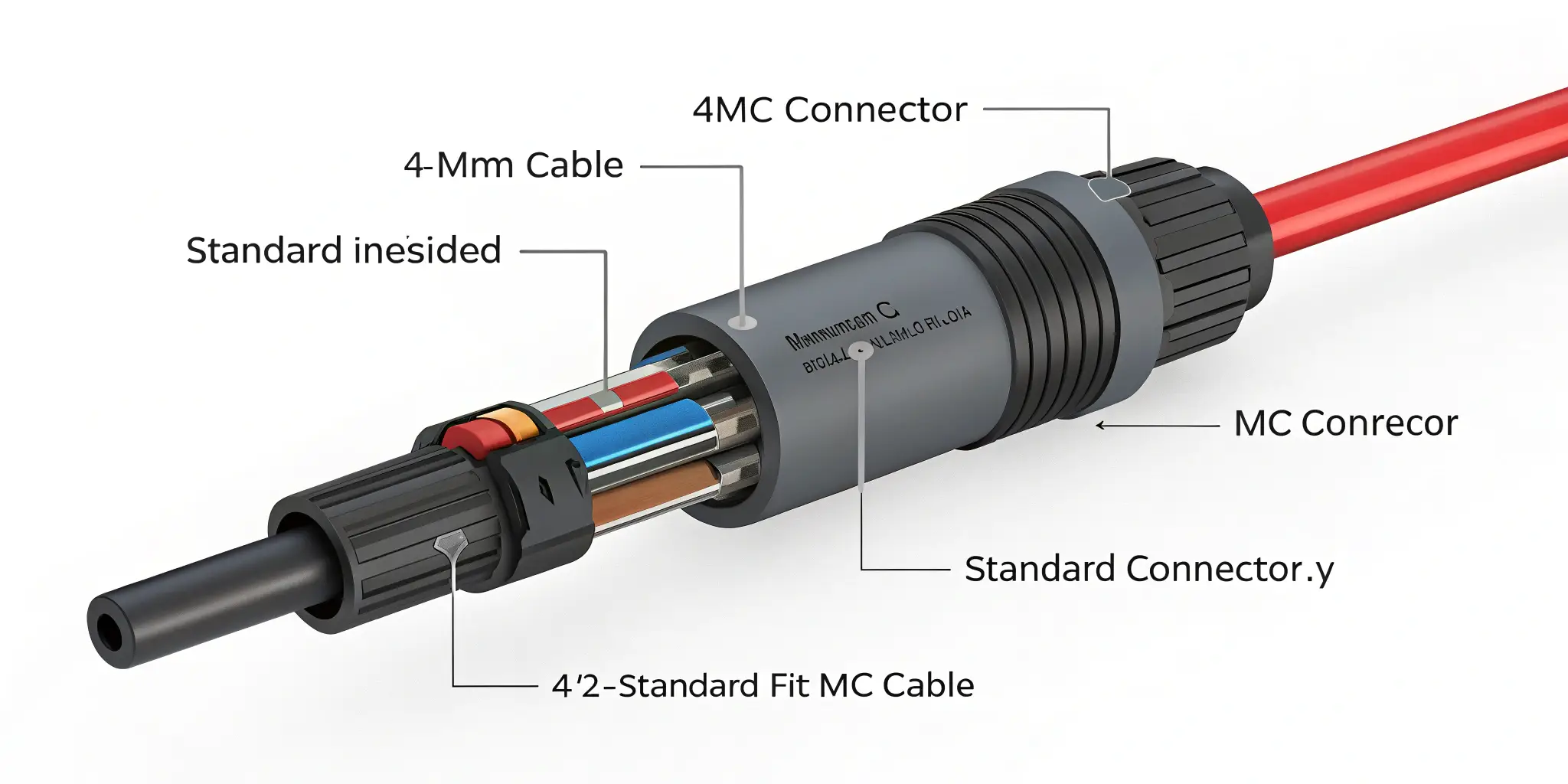
MC4 Connector Sizing Basics
Staubli’s standard MC4 connector4 fits cable cores from 4mm² to 6mm². But real-world differences in insulation thickness and conductor strands can create trouble.
| Cable Size | Standard MC4 Range | Notes |
|---|---|---|
| 4mm² | Yes (typical) | Most 4mm² cables fit standard MC4 |
| 6mm² | Maybe | Some 6mm² cables need special MC4s with wider crimp barrels |
If you’re using thicker double-insulated 6mm² cables, check the datasheet carefully. Some require larger MC4 variants to ensure a perfect fit.
I personally always double-check with a cable size gauge5 before crimping. It saves massive headaches later.
Can You Use 6mm² MC4 Connectors on 4mm² Cables?
Sounds tempting—but don’t.
Using a 6mm² MC4 connector6 on a 4mm² cable creates loose crimps and poor electrical contact, leading to system failures.
Why not?
MC4 connector barrels are sized to tightly compress the copper strands of the cable. A 6mm² barrel is simply too big for a 4mm² conductor. Crimping it will leave gaps, weaken the mechanical grip, and compromise conductivity.
Real risk:
- Heat spots develop under load.
- Voltage drops increase under long cable runs.
- Vibration and movement cause premature disconnection.
Even if it seems "tight enough," it’s not the correct mechanical or electrical standard. Never improvise. Always match.
Does Cable Size Affect MC4 Connector Performance and Safety?
Yes, absolutely.
Oversized or undersized cable-to-connector fits7 directly impact system efficiency8, connector lifespan, and fire safety9.
Technical Impacts:
1. Higher Resistance
Bad connections create bottlenecks where electricity fights to pass. This raises system heat and voltage loss.
2. Accelerated Aging
Loose wires vibrate, expand and contract under thermal cycling, leading to quicker mechanical failure.
3. Water Intrusion
A wrong-sized crimp can flex and allow water ingress, especially during seasonal expansion and contraction.
| Issue | Effect |
|---|---|
| Higher system loss | Lower energy yield |
| Early component failure | Increased maintenance costs |
| Fire risk | Safety hazard |
When it comes to solar, everything is interconnected. A tiny mismatch at the connector level can sabotage a megawatt-scale project.
How to Measure Solar Cable Size for MC4 Connectors?
Don’t guess. Always measure.
You can measure cable size using a caliper or cable gauge to match MC4 connector barrel size exactly.

Simple steps:
1. Strip the Insulation
Expose about 12mm of the copper conductor without damaging the strands.
2. Measure Core Diameter
Use a digital caliper to measure the exposed copper core across its widest point. Compare to known size charts.
3. Confirm Stranding and Insulation
Check if the cable is fine-stranded or coarse-stranded. Also, note insulation thickness—some MC4 connectors have limited opening size.
Pro Tip:
- 4mm² Cable typically measures around 2.3mm core diameter.
- 6mm² Cable typically measures around 2.8mm core diameter.
Always cross-reference your measurement with your MC4 supplier’s datasheet. If you’re unsure, use a sizing template board that most connector brands provide.
Correct sizing is the quiet secret to a safe, efficient, long-lasting solar installation.
Conclusion
Matching the right MC4 connector size to your 4mm² or 6mm² solar cable isn’t just best practice—it’s essential for performance, safety, and system lifespan.
-
Exploring the effects of poor electrical contact can help you ensure optimal performance and safety in your solar system. ↩
-
Learning about the risks of water ingress can help you protect your solar system from moisture-related failures. ↩
-
Understanding the specifications of MC4 connectors for 6mm² cables ensures optimal performance and safety in solar installations. ↩
-
Learn about standard MC4 connectors to ensure compatibility with your solar cable sizes and enhance your installation's efficiency. ↩
-
Using a cable size gauge correctly can prevent installation errors and ensure the right fit for your solar connectors. ↩
-
Understanding the risks associated with mismatched connectors can prevent costly system failures and ensure safety in electrical installations. ↩
-
Understanding the impact of cable-to-connector fits can help optimize solar system efficiency and safety. Explore this link for detailed insights. ↩
-
Learn about the various factors that affect system efficiency, including cable sizing, to enhance your solar energy setup. This resource is invaluable. ↩
-
Fire safety is crucial in solar installations. Discover how proper cable sizing can mitigate risks and ensure safety in your projects. ↩