 Skip to content

Mono vs Poly Solar Panels: Which Is the Best Choice for Portable Traffic Lights?
Portable solar traffic lights rely on efficient and durable solar panels to ensure continuous operation. Choosing the wrong type of panel can lead to frequent power shortages and maintenance issues.
Monocrystalline and polycrystalline solar panels have different efficiencies, costs, and durability. Monocrystalline panels provide higher efficiency, while polycrystalline panels offer a budget-friendly alternative for traffic light systems.
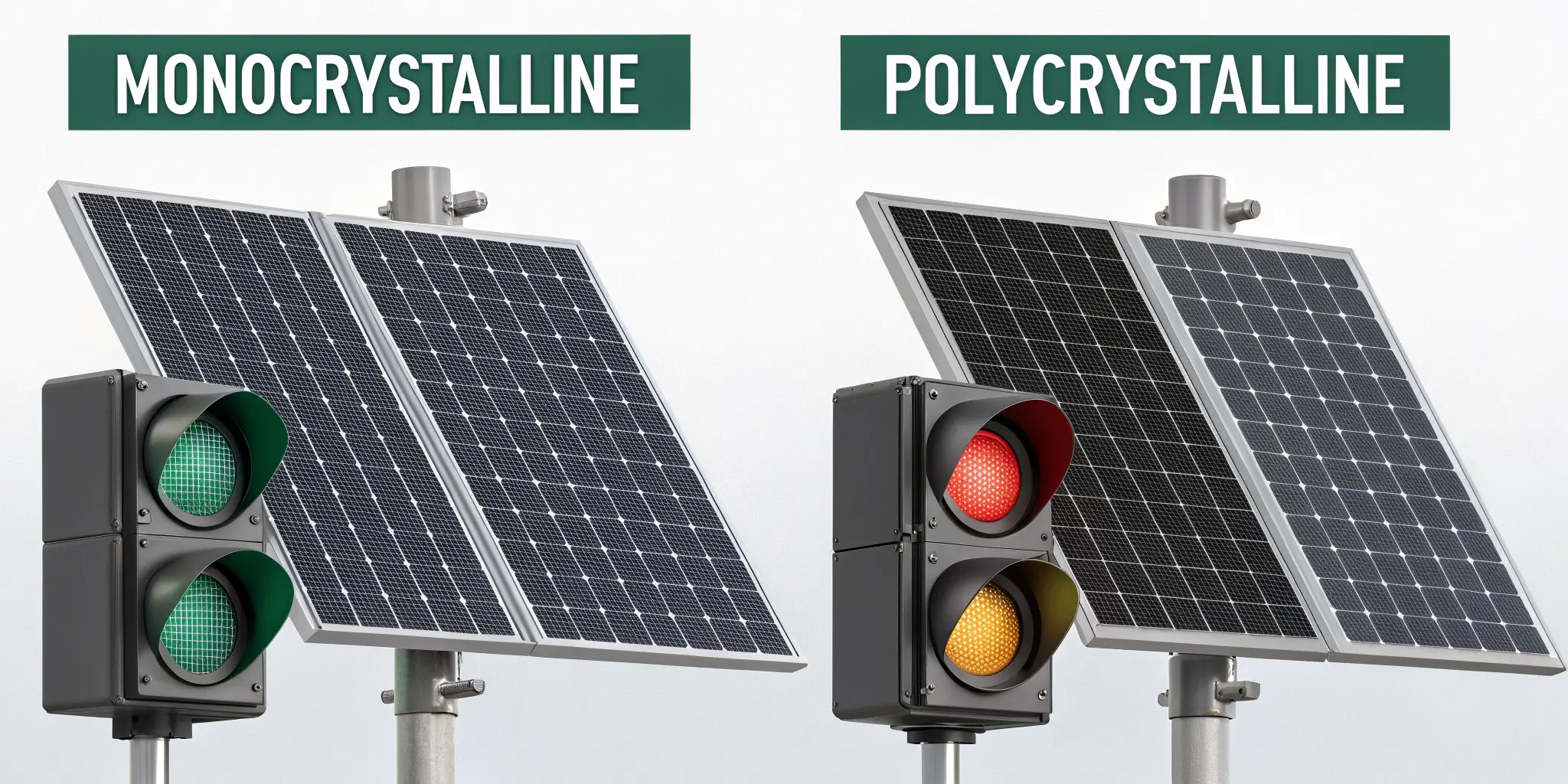
Understanding these differences will help you choose the best solar panel for portable traffic light applications.
What Are the Main Differences Between Monocrystalline and Polycrystalline Solar Panels?
Both monocrystalline and polycrystalline solar panels convert sunlight into electricity, but their structure and performance differ.
Monocrystalline panels are made from a single silicon crystal, making them more efficient, while polycrystalline panels1 use multiple silicon fragments, making them more affordable but less efficient.
[^2]](https://rayenrg.com/wp-content/uploads/2025/03/Structure-of-Mono-and-Poly-Panels.webp)
Key Differences in Panel Design
| Feature | Monocrystalline | Polycrystalline |
|---|---|---|
| Silicon Composition | Single-crystal silicon | Multiple silicon fragments |
| Efficiency | Higher (20-22%) | Lower (16-18%) |
| Performance in Low Light | Better | Moderate |
| Lifespan | 25-30 years | 20-25 years |
| Cost | Higher | Lower |
Since portable traffic lights depend on solar energy for continuous operation, choosing the right panel type is crucial.
Which Type of Solar Panel Provides Higher Efficiency for Traffic Light Applications?
Solar panel efficiency determines how much sunlight is converted into usable energy. Higher efficiency means better power generation in limited space.
Monocrystalline panels2 are more efficient than polycrystalline panels, making them ideal for high-energy-demand applications like traffic lights.
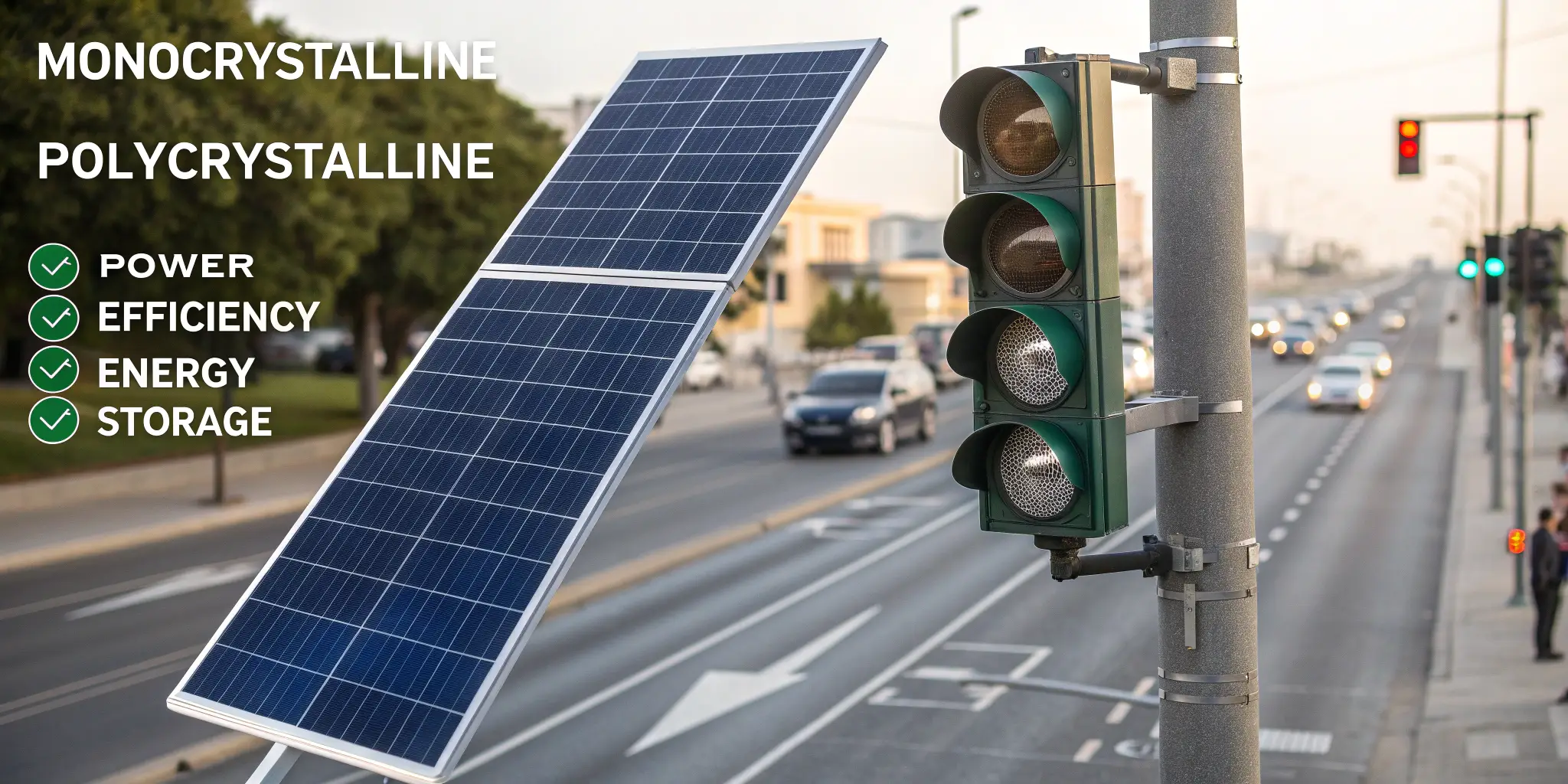
Why Efficiency Matters for Traffic Lights
- Limited Space: Portable traffic lights have small solar panels, requiring maximum efficiency.
- Longer Operation Time: More efficient panels generate enough power for nighttime operation.
- Better Low-Light Performance: High-efficiency panels work better during cloudy days.
| Panel Type | Efficiency | Best for Traffic Lights? |
|---|---|---|
| Monocrystalline | 20-22% | ✅ Best choice |
| Polycrystalline | 16-18% | ⚠️ Less ideal |
For locations with limited sunlight or high energy demand, monocrystalline panels provide a better solution.
How Do Weather Conditions Impact the Performance of Mono and Poly Solar Panels?
Weather conditions affect the energy output of solar panels3. Different panel types respond differently to temperature changes, cloud cover, and shading.
Monocrystalline panels handle extreme weather better, while polycrystalline panels lose more efficiency under high temperatures and cloudy conditions.
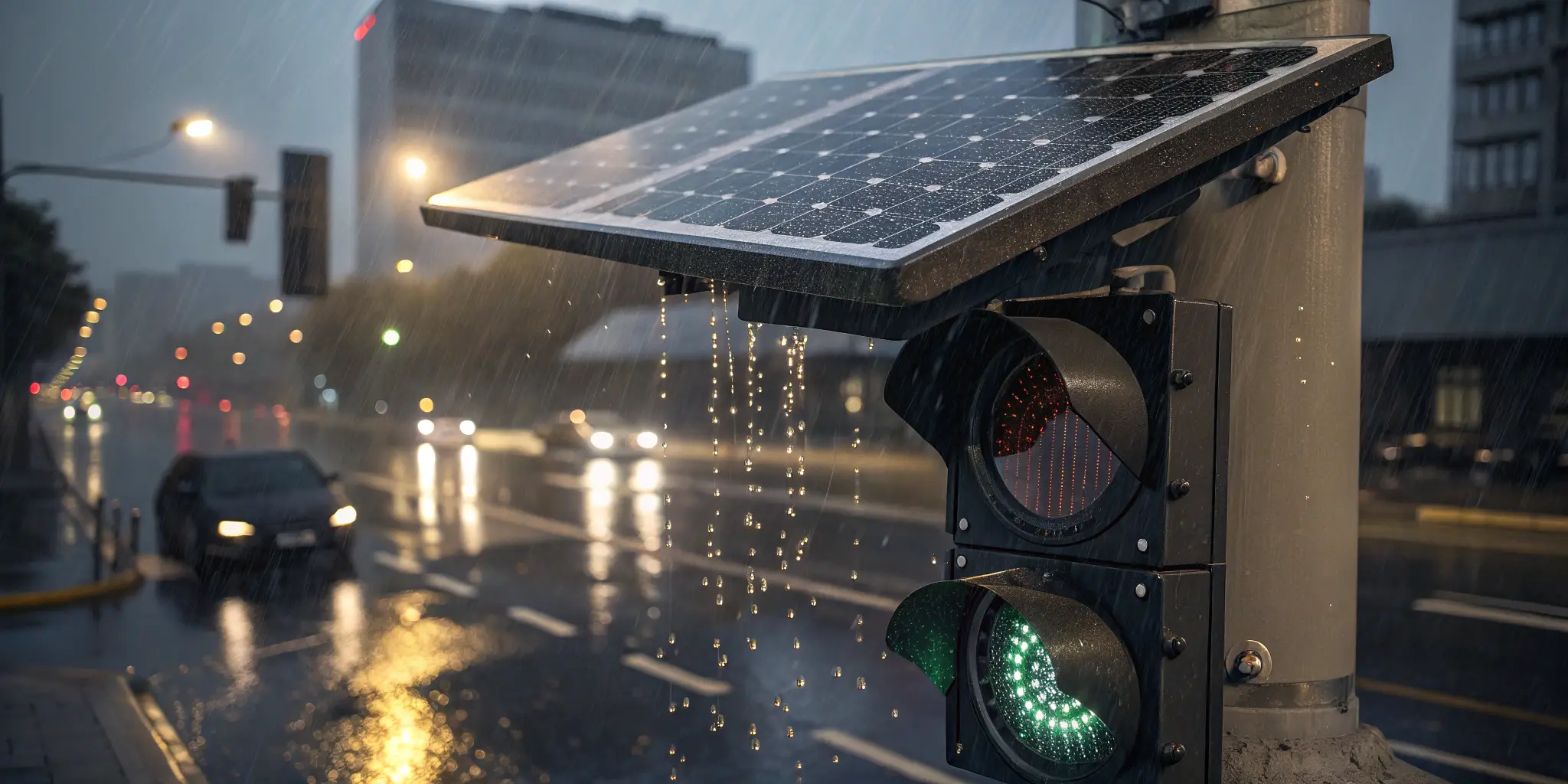
Performance in Different Weather Conditions
| Weather Condition | Monocrystalline Performance | Polycrystalline Performance |
|---|---|---|
| Cloudy Days | Higher efficiency, works well | Moderate efficiency drop |
| High Temperatures | Better heat tolerance | More efficiency loss |
| Cold Weather | No major impact | No major impact |
| Shading | Lower power loss | Higher power loss |
In areas with frequent cloud cover or extreme heat, monocrystalline panels maintain performance better than polycrystalline panels.
Which Solar Panel Type Offers Better Durability for Portable Traffic Lights?
Durability is critical for portable traffic lights, as they face outdoor exposure, temperature changes, and vibrations from movement.
Both monocrystalline and polycrystalline panels are durable, but monocrystalline panels have a longer lifespan and better resistance to degradation.
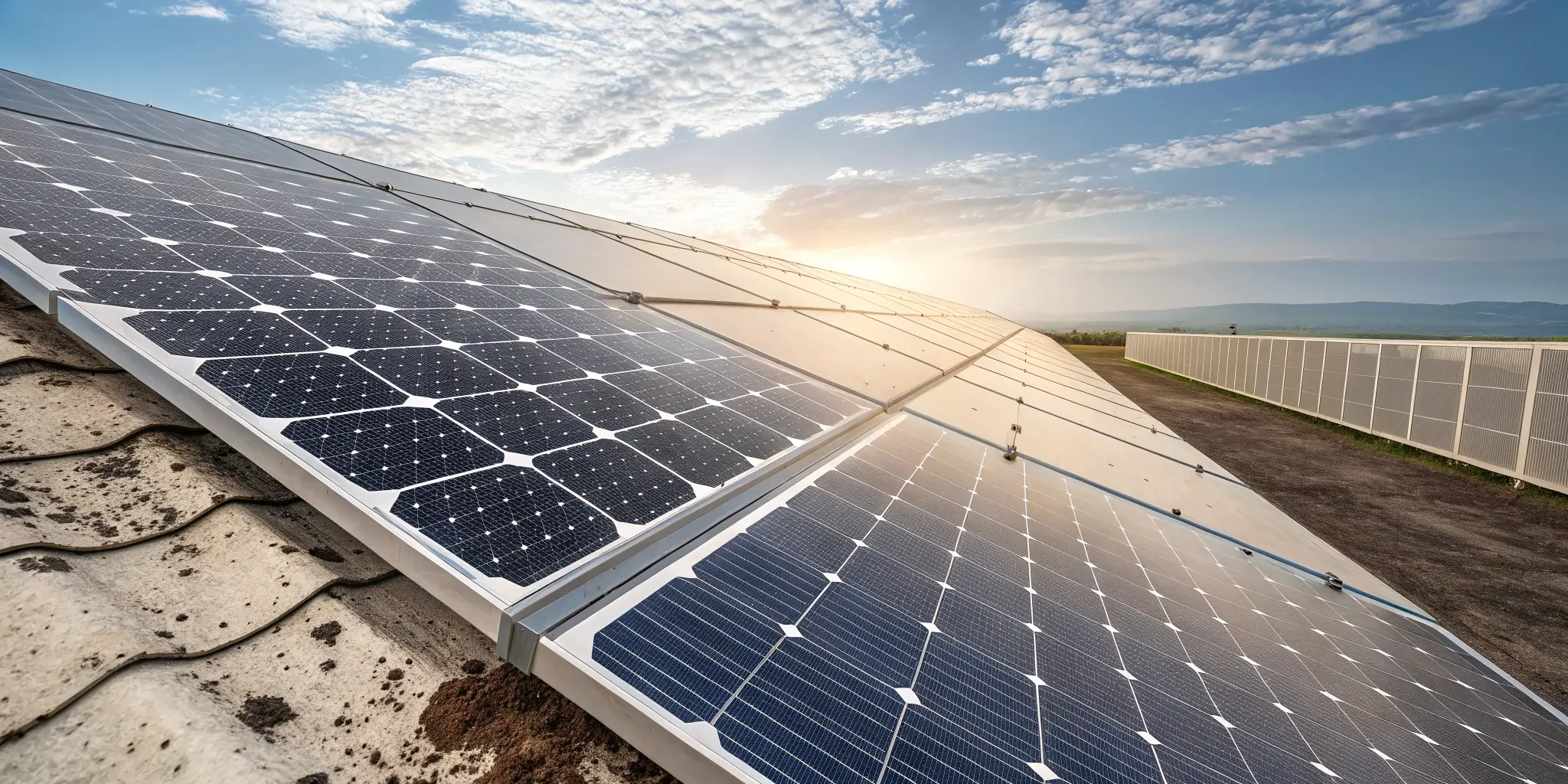
Factors Affecting Durability
- Encapsulation Quality: Protects against dust, moisture, and mechanical stress.
- Frame Material: Aluminum frames provide structural strength.
- Glass Coating: Anti-reflective coatings improve efficiency and reduce wear.
| Panel Type | Durability Rating | Lifespan |
|---|---|---|
| Monocrystalline | ⭐⭐⭐⭐⭐ (Excellent) | 25-30 years |
| Polycrystalline | ⭐⭐⭐⭐ (Good) | 20-25 years |
Monocrystalline panels last longer, making them a better investment for long-term solar traffic light systems.
How Do Cost and Lifespan Compare Between Mono and Poly Solar Panels?
Cost is a major factor when choosing between monocrystalline and polycrystalline panels. While monocrystalline panels cost more upfront, they provide better efficiency and last longer.
Polycrystalline panels are cheaper but have lower efficiency and a shorter lifespan, leading to higher long-term costs.
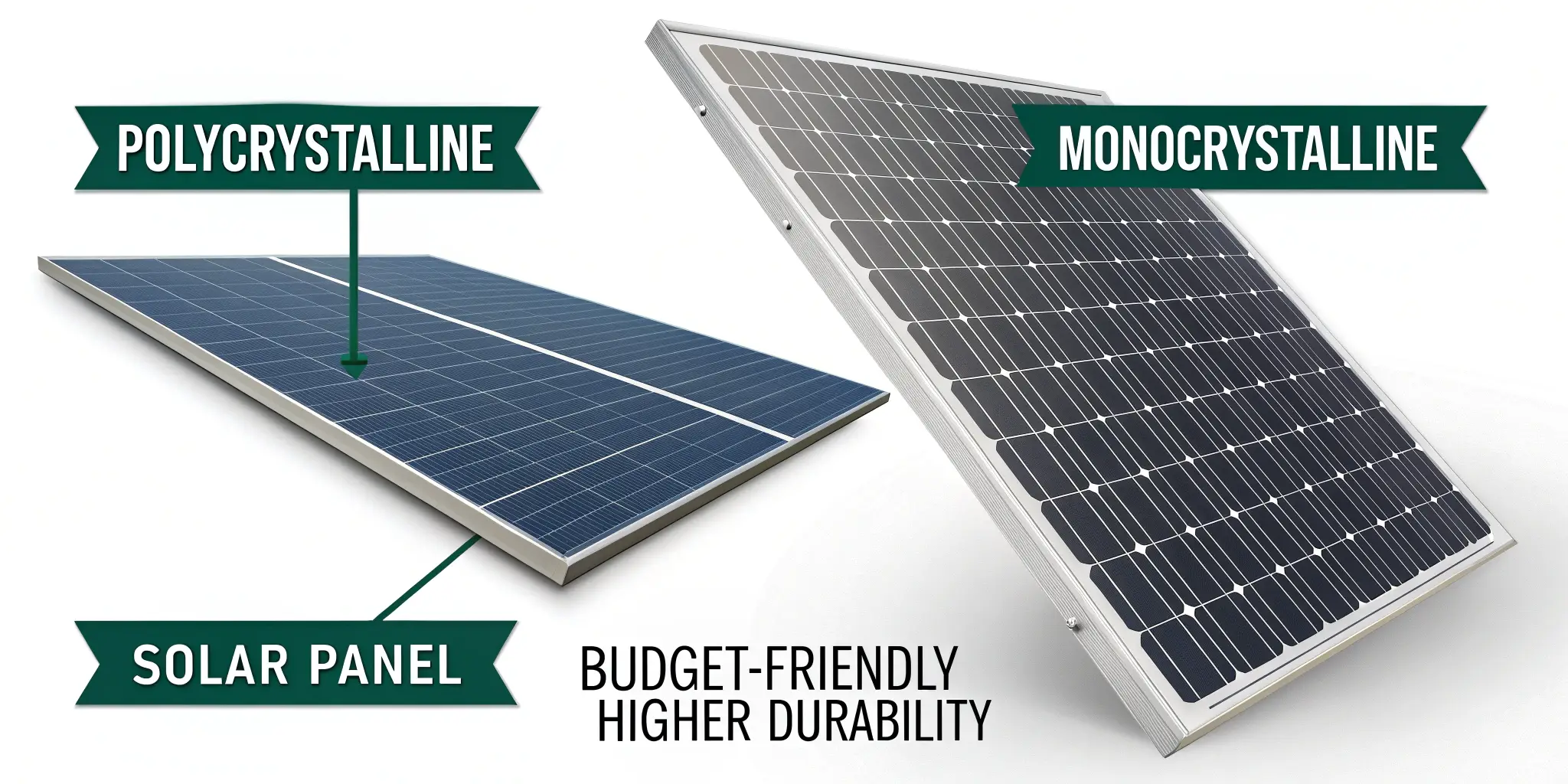
Cost vs. Lifespan Comparison
| Panel Type | Initial Cost | Lifespan | Cost-Effectiveness4 |
|---|---|---|---|
| Monocrystalline | Higher | 25-30 years | ✅ Best long-term investment |
| Polycrystalline | Lower | 20-25 years | ⚠️ More replacements needed |
While polycrystalline panels are budget-friendly for short-term use, monocrystalline panels offer a better return on investment due to their long lifespan and high efficiency.
Conclusion
For portable traffic lights, monocrystalline solar panels are the best choice due to their high efficiency, better performance in harsh weather, and longer lifespan. While polycrystalline panels are cheaper, they may not provide consistent energy output for critical applications like traffic lights.
-
Learn about the cost advantages of polycrystalline panels, which can be a more budget-friendly option for solar energy systems. ↩
-
Explore the benefits of Monocrystalline panels, especially their efficiency, which is crucial for applications like traffic lights. ↩
-
Learn about the various factors influencing solar panel energy output to optimize your solar energy system. ↩
-
Learn how cost-effectiveness influences solar panel choices, ensuring you invest wisely in your energy solutions. ↩
