 Skip to content

Portable Solar Traffic Lights: Performance in Low-Light Conditions Explained
Solar-powered traffic lights provide energy-efficient solutions for traffic control. However, in low-light conditions, such as cloudy or rainy days, their reliability can be a concern.
Portable solar traffic lights can still function in low-light conditions if they have high-efficiency solar panels, sufficient battery storage, and optimized energy management systems.
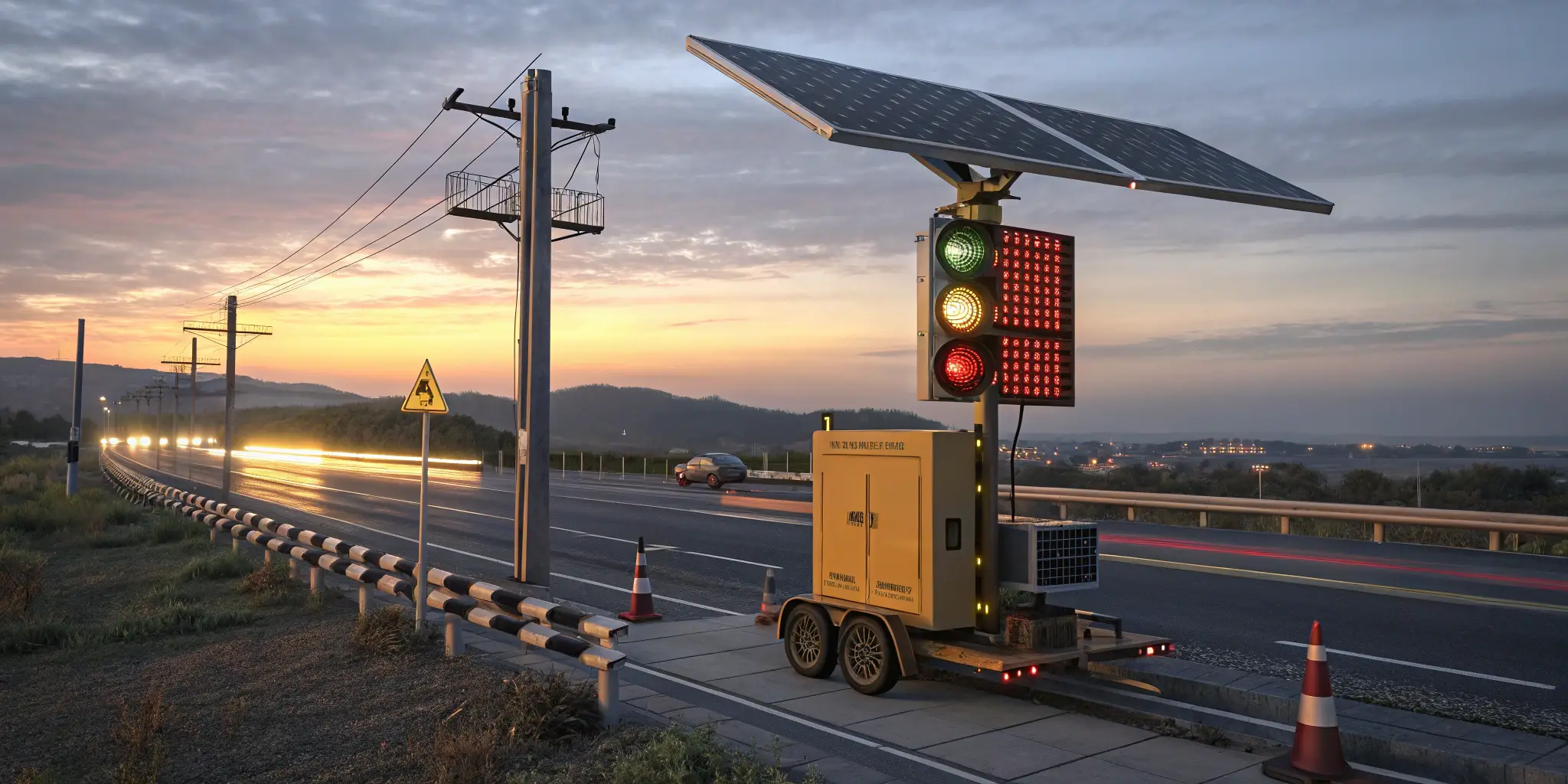
Understanding how these lights operate in different lighting conditions can help ensure uninterrupted performance.
How Do Solar Panels Function in Low-Light Conditions?
Solar panels generate electricity by converting sunlight into energy. However, in low-light conditions, their efficiency decreases.
Modern solar panels, especially monocrystalline1 types, can still generate power in low-light environments, though at a reduced rate.
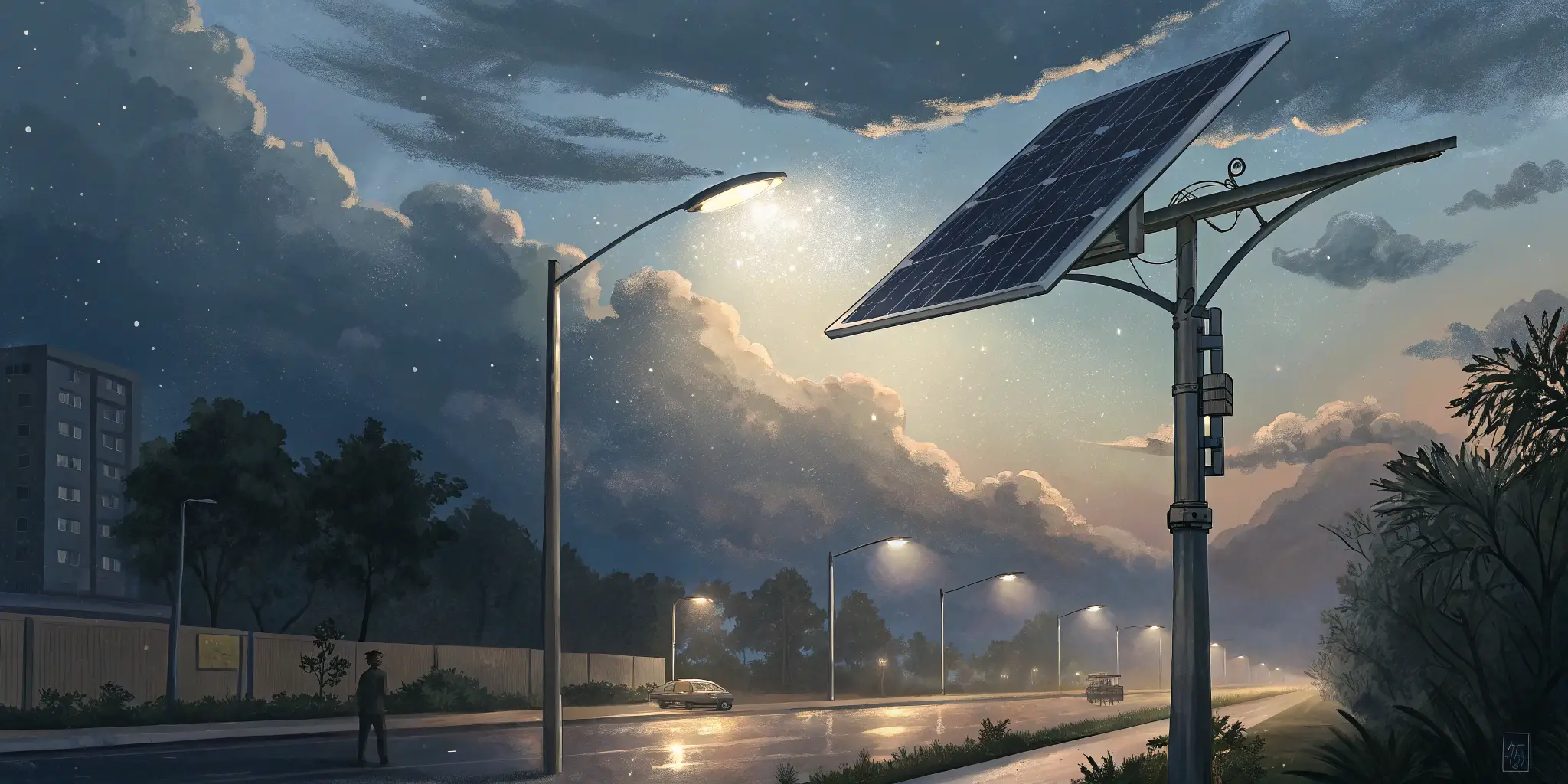
Factors Affecting Solar Panel Performance in Low Light
| Factor | Impact on Solar Panel Efficiency |
|---|---|
| Panel Type | Monocrystalline panels perform better than polycrystalline panels. |
| Cloud Cover | Heavy clouds reduce efficiency, but panels still produce some power. |
| Panel Angle | Proper tilting can optimize energy capture in low light. |
| Dirt & Debris | Dirty panels absorb less light, further reducing output. |
Solar traffic lights use advanced technologies, such as MPPT (Maximum Power Point Tracking)2 controllers, to maximize energy conversion even in low-light conditions.
Are Solar Powered Traffic Lights Efficient During Cloudy Days?
Cloudy days can significantly affect solar energy generation, raising concerns about the reliability of solar-powered traffic lights3.
While solar traffic lights operate at reduced efficiency on cloudy days, energy storage systems4 help maintain functionality.
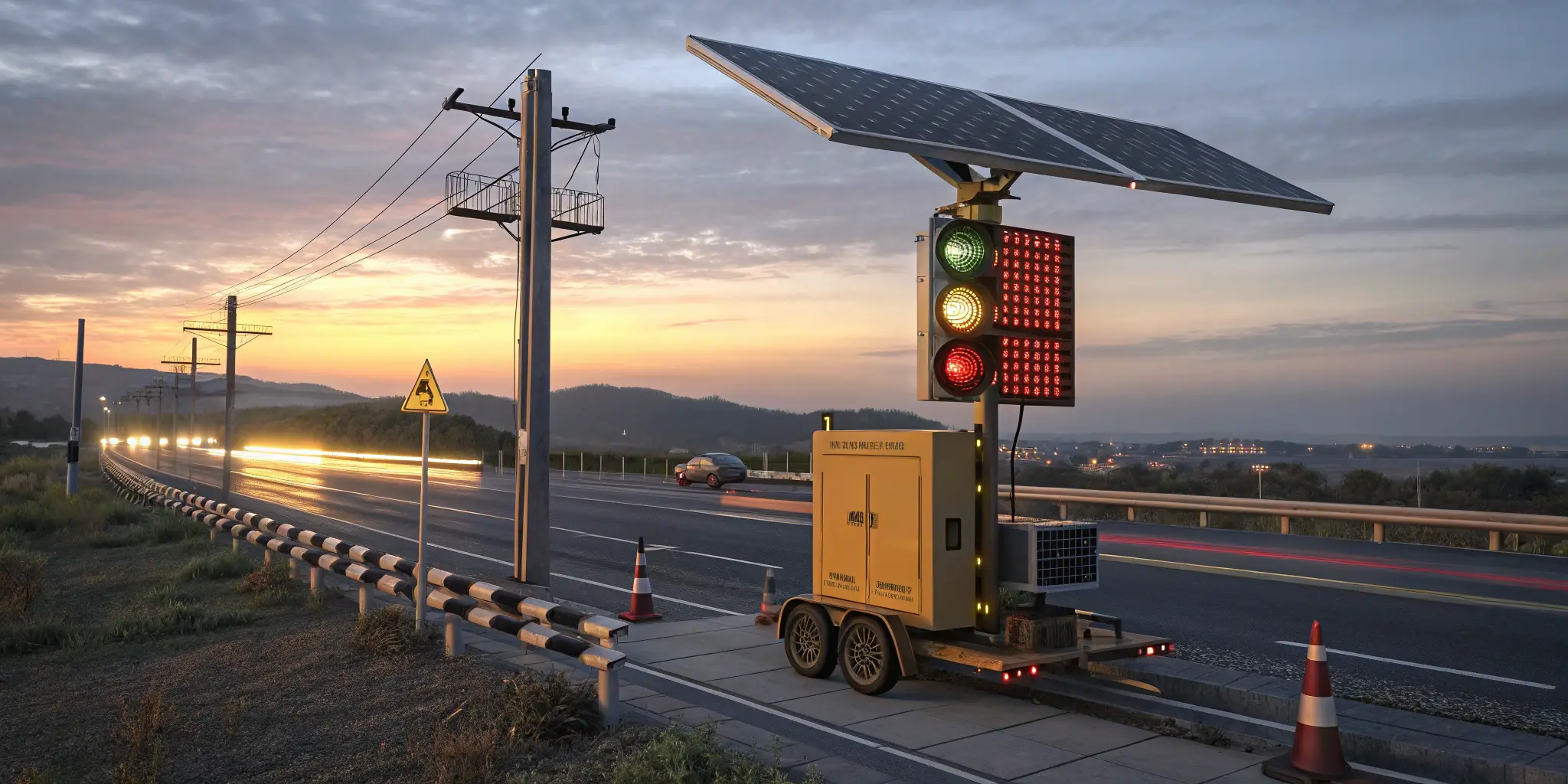
Efficiency Loss on Cloudy Days
- Light intensity decreases, reducing power generation.
- Energy production may drop by 50-80% compared to sunny conditions.
- Proper battery storage compensates for reduced solar input.
Ways to Improve Performance on Cloudy Days
- Use high-efficiency monocrystalline solar panels5.
- Increase battery capacity to store excess energy.
- Employ MPPT charge controllers for optimized power usage.
How Long Can Portable Solar Traffic Lights Operate Without Sunshine?
Solar-powered traffic lights depend on stored battery energy to function at night and during sunless days.
Well-designed solar traffic light systems6 can operate for 3-5 days without sunshine, depending on battery capacity7 and power consumption.
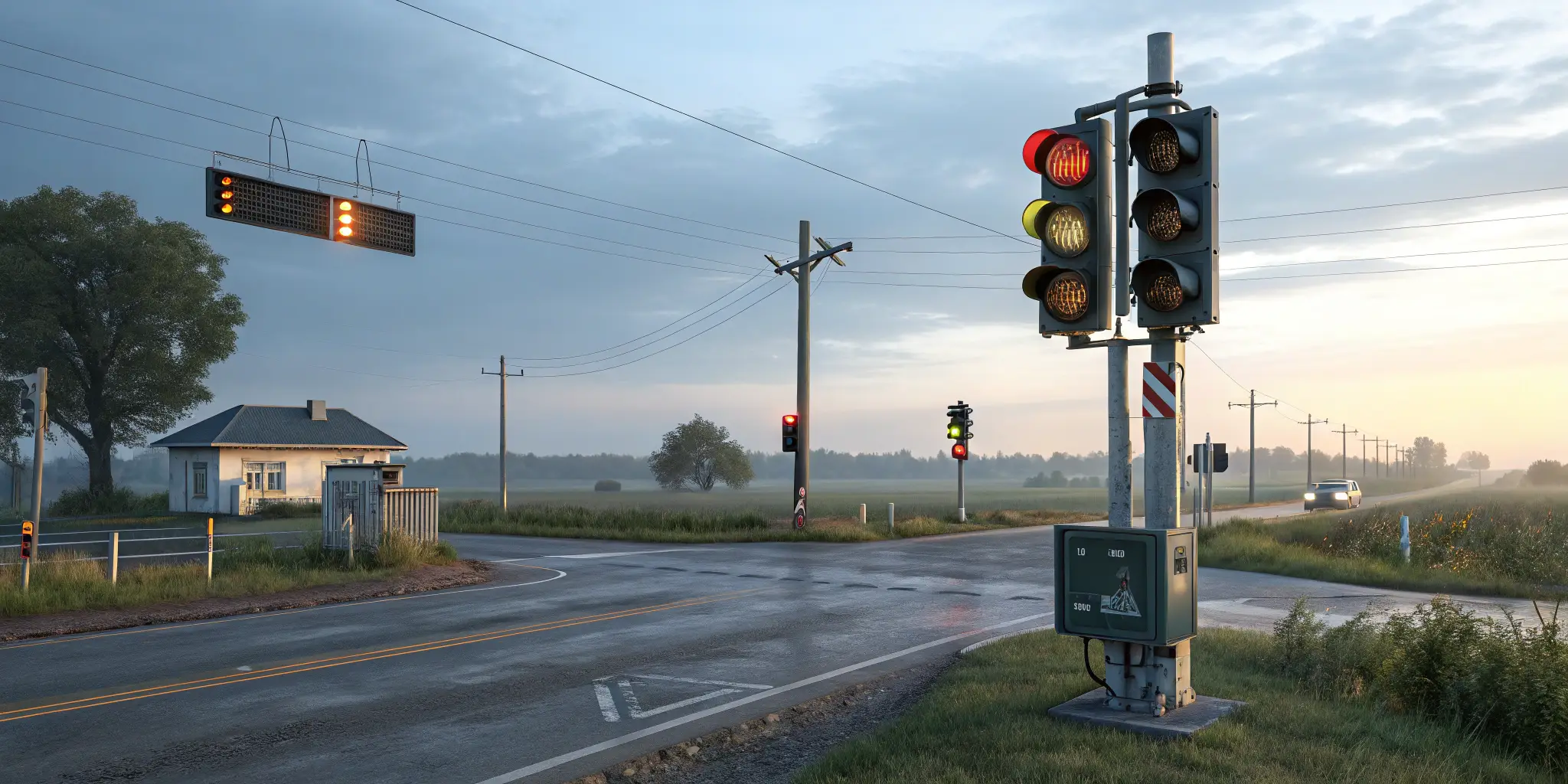
Factors Determining Operating Time Without Sunshine
| Factor | Impact on Backup Time |
|---|---|
| Battery Capacity | Larger capacity extends operation time. |
| Energy Consumption | Lower power usage conserves stored energy. |
| Solar Panel Efficiency | Higher efficiency panels charge batteries faster. |
| Charge Controller Type | MPPT controllers optimize charging in low light. |
Most solar traffic light systems use deep-cycle batteries to store energy efficiently and provide consistent power.
What Battery Storage Solutions Help Traffic Lights Operate in Low-Light Conditions?
A reliable battery system is essential for continuous traffic light operation during cloudy days or nighttime hours.
Lithium-ion and deep-cycle lead-acid batteries8 are the best choices for storing solar energy in traffic light systems9.
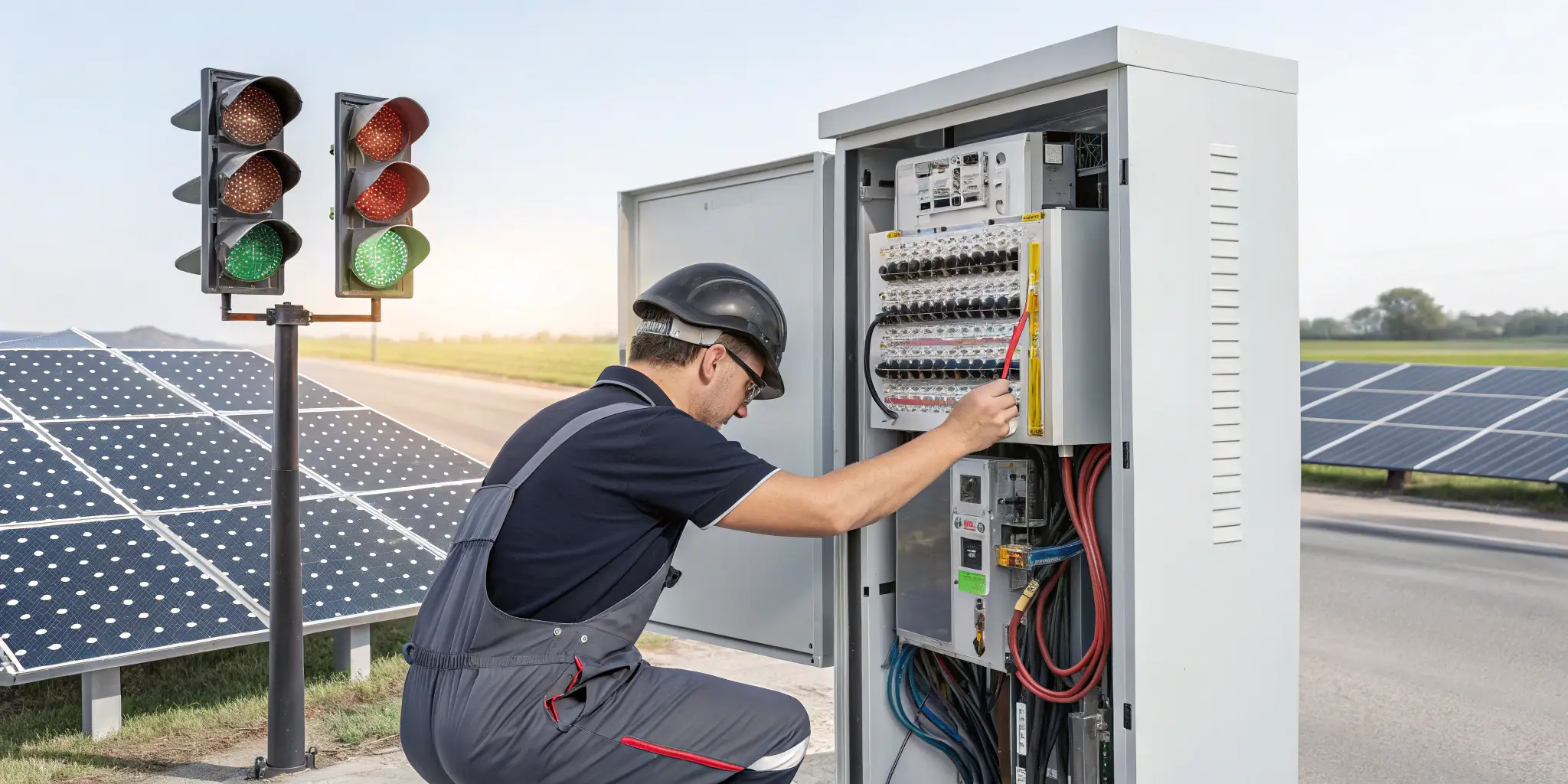
Comparison of Battery Storage Options
| Battery Type | Lifespan | Efficiency | Cost | Best For |
|---|---|---|---|---|
| Lithium-ion | 8-10 years | 90%+ | High | Long-term solutions |
| Lead-Acid (AGM) | 3-5 years | 70-80% | Medium | Budget-friendly options |
| Gel Batteries | 5-7 years | 80-85% | Medium | High-temperature areas |
Lithium-ion batteries, though more expensive, offer longer life and better performance in low-light conditions.
How Do Solar Traffic Lights Generate Power in Cloudy or Rainy Weather?
Even on cloudy or rainy days, solar panels continue to generate electricity, though at a lower rate.
Advanced charge controllers and energy-efficient LED traffic lights help maximize power usage during unfavorable weather conditions.10
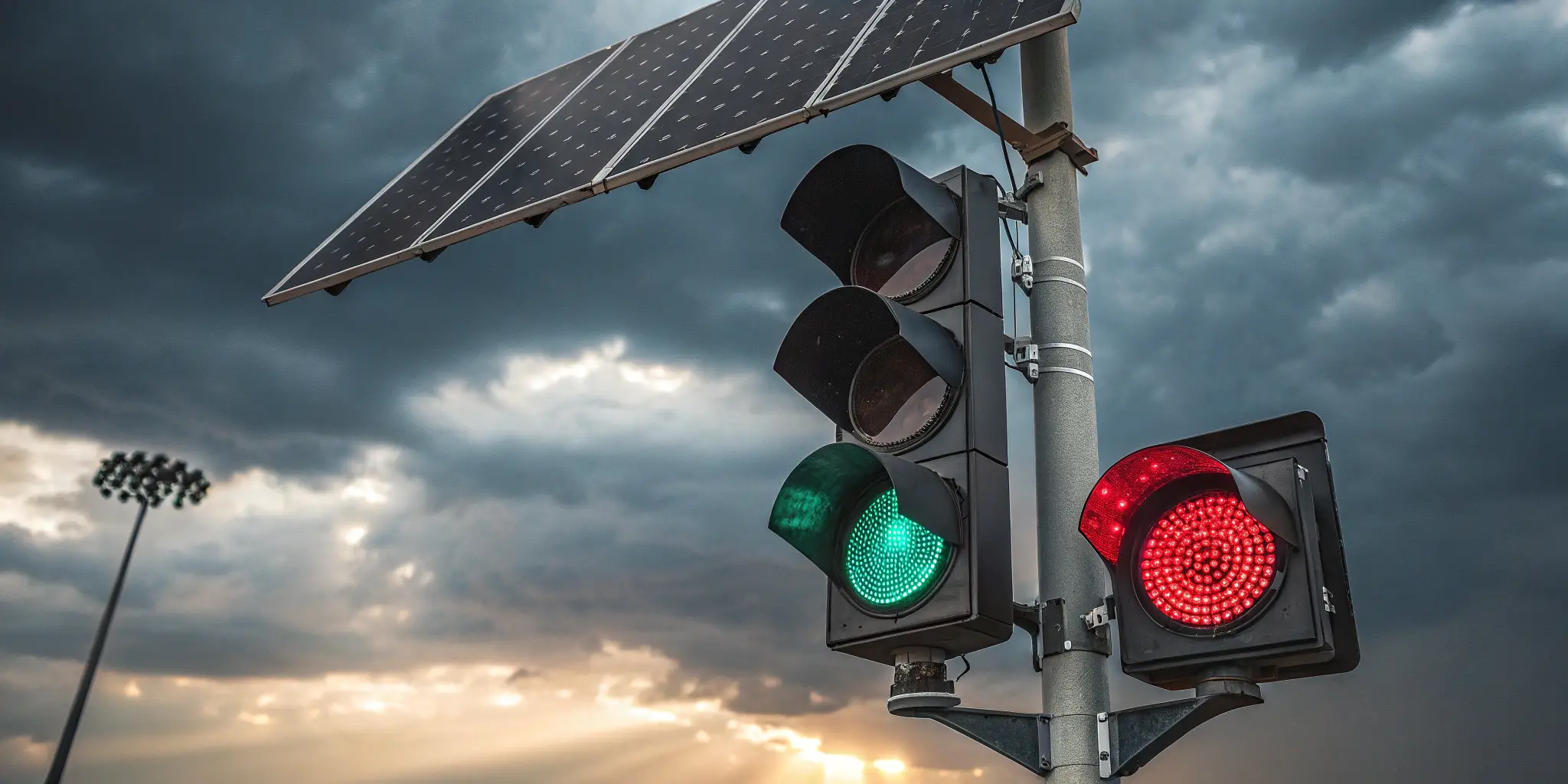
How to Maximize Power Generation in Low-Light Weather
- Use Monocrystalline Solar Panels11
- Higher efficiency ensures better performance in weak sunlight.
- Optimize the Angle of Solar Panels
- Proper tilt angles help maximize energy capture.
- Keep Panels Clean and Free of Debris
- Dirt and dust reduce energy absorption.
- Use MPPT Charge Controllers12
- Maximizes energy harvesting in varying light conditions.
Conclusion
Portable solar traffic lights can perform well in low-light conditions when equipped with high-efficiency panels, sufficient battery storage, and optimized power management. By using monocrystalline solar panels, advanced charge controllers, and lithium-ion batteries, these systems can remain operational even during cloudy or rainy days.
-
Explore the benefits of monocrystalline solar panels, especially their efficiency in low-light, to make informed decisions for your energy needs. ↩
-
Learn how MPPT technology enhances solar energy conversion, ensuring optimal performance even when sunlight is scarce. ↩
-
Discover how solar-powered traffic lights function during cloudy days and their efficiency with energy storage systems. ↩
-
Learn about the role of energy storage systems in enhancing the reliability of solar traffic lights, especially in adverse weather. ↩
-
Explore the advantages of using high-efficiency monocrystalline solar panels for better performance in less sunny conditions. ↩
-
Explore this link to understand the technology behind solar traffic lights and their advantages for sustainable traffic management. ↩
-
Learn about battery capacity and its crucial role in solar energy systems, ensuring reliable operation even without sunlight. ↩
-
Explore this link to understand why these battery types are optimal for traffic light systems, especially in low-light conditions. ↩
-
Discover how solar energy enhances traffic light functionality and reliability, especially during cloudy days. ↩
-
Explore this link to understand how these technologies enhance solar traffic light performance in adverse weather, ensuring reliability and efficiency. ↩
-
Discover the advantages of monocrystalline solar panels and how they outperform others in cloudy weather, making them ideal for solar traffic lights. ↩
-
Learn about MPPT charge controllers and their role in maximizing energy harvesting, especially in challenging weather conditions for solar systems. ↩
