 Skip to content

Do Portable Solar Traffic Lights Work in Low-Light Areas? A Complete Guide
Portable solar traffic lights offer an energy-efficient alternative to traditional traffic control systems. However, in areas with limited sunlight, their performance can be uncertain.
Yes, portable solar traffic lights can function in low-light areas with the right panel efficiency, battery storage, and energy management system.
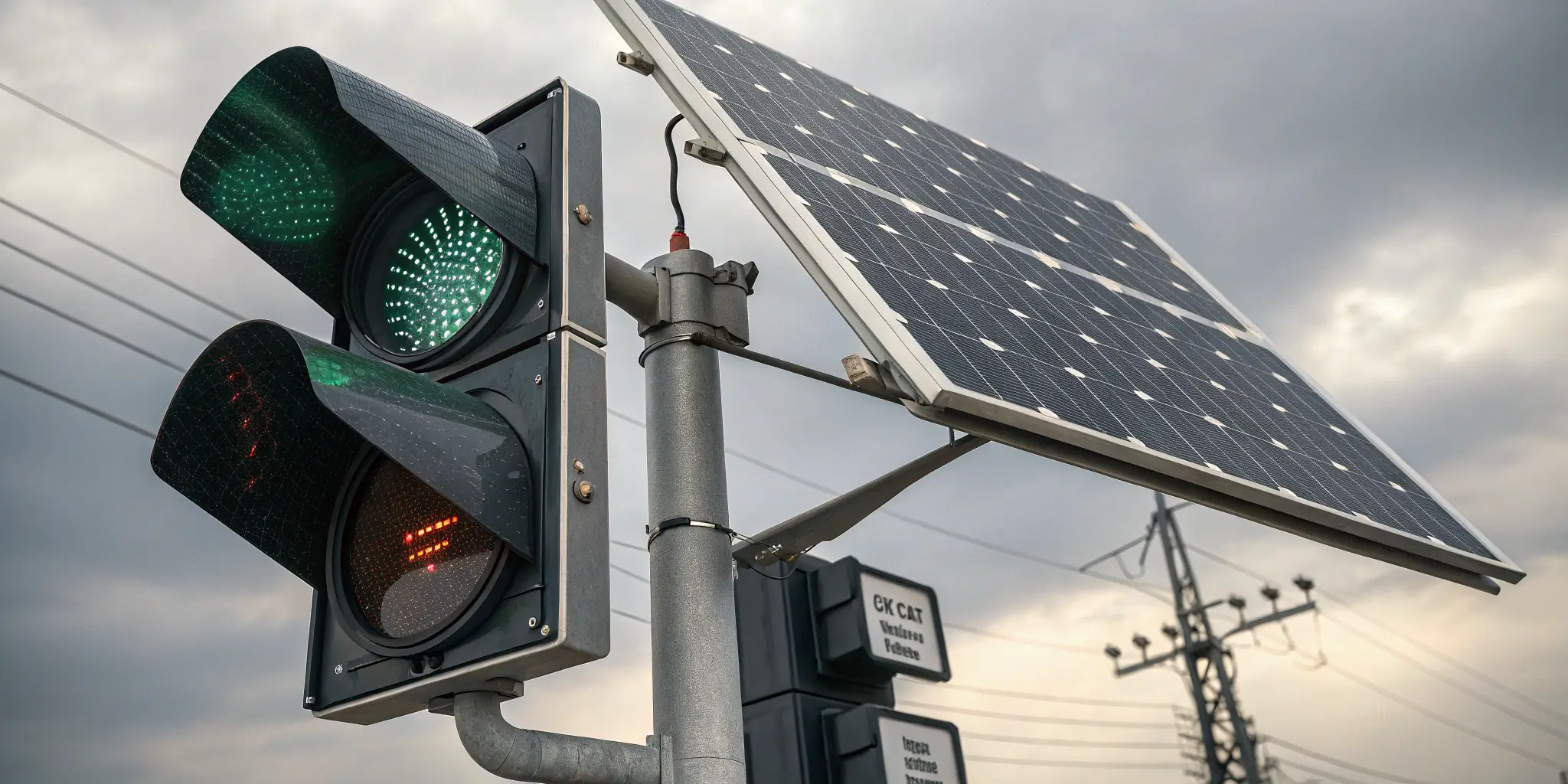
Understanding how these systems work in shaded or low-light environments can help ensure their reliability and efficiency.
How Do Solar Traffic Lights Generate Power in Shaded or Low-Sunlight Areas?
Solar panels work best in direct sunlight, but some locations have frequent shade or low sunlight levels.
Solar traffic lights in shaded areas rely on high-efficiency panels1, proper panel positioning, and high-capacity batteries to maintain functionality.
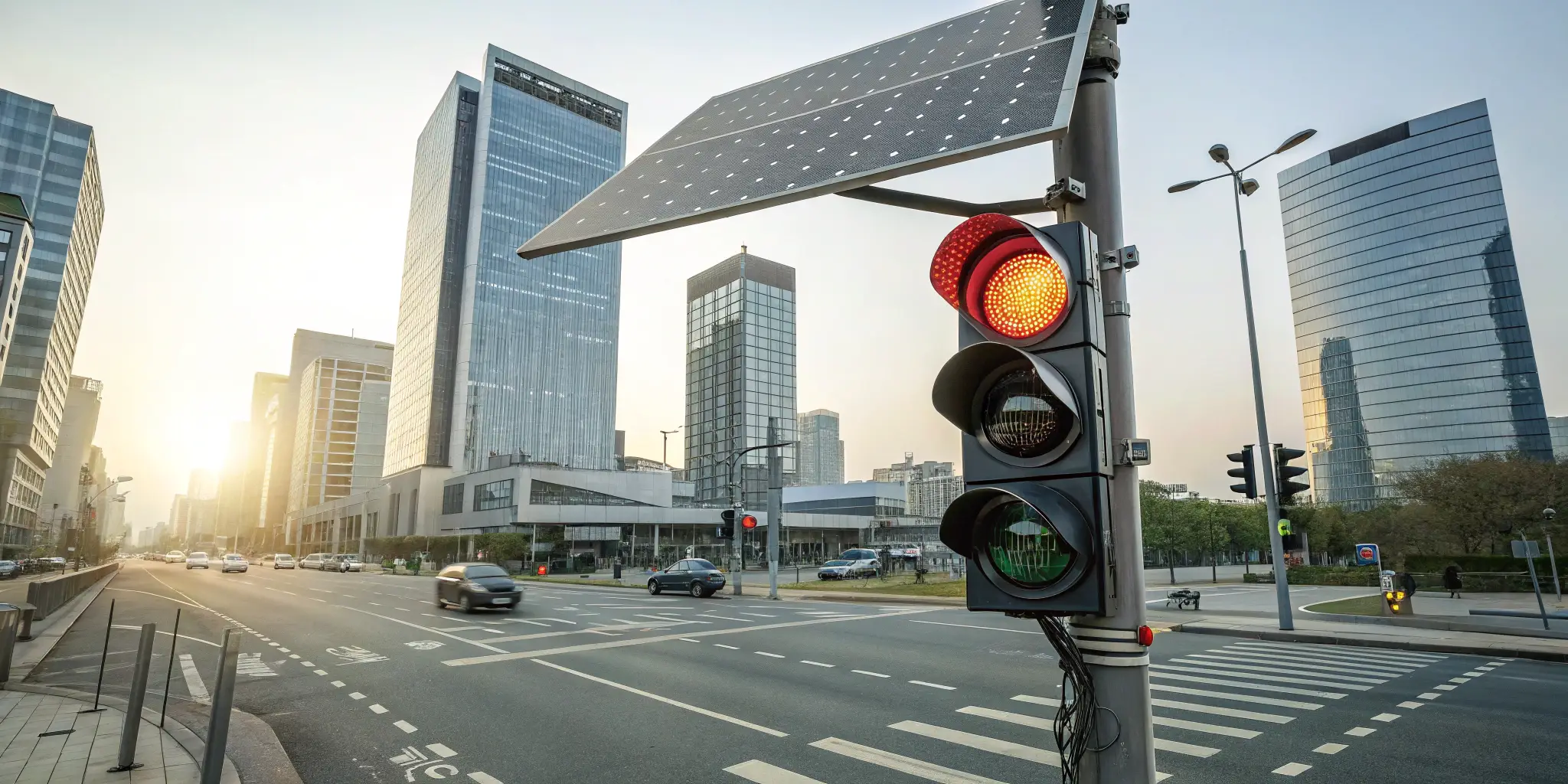
Key Solutions for Power Generation in Low-Light Areas
| Solution | Impact on Energy Production |
|---|---|
| Use Monocrystalline Panels | Performs better in low light than polycrystalline panels. |
| Adjust Panel Angles | Optimizes light capture for better charging. |
| Utilize MPPT Controllers2 | Extracts maximum power from available sunlight. |
| Increase Battery Storage | Ensures longer operational hours during sunless periods. |
By combining these strategies, solar traffic lights can function effectively even in partially shaded locations.
What Type of Batteries Are Best for Storing Energy in Solar Traffic Lights?
Battery storage is critical for solar traffic lights to remain operational at night or during cloudy days.
Lithium-ion and AGM lead-acid batteries3 are the best choices for solar traffic light systems due to their efficiency and durability.
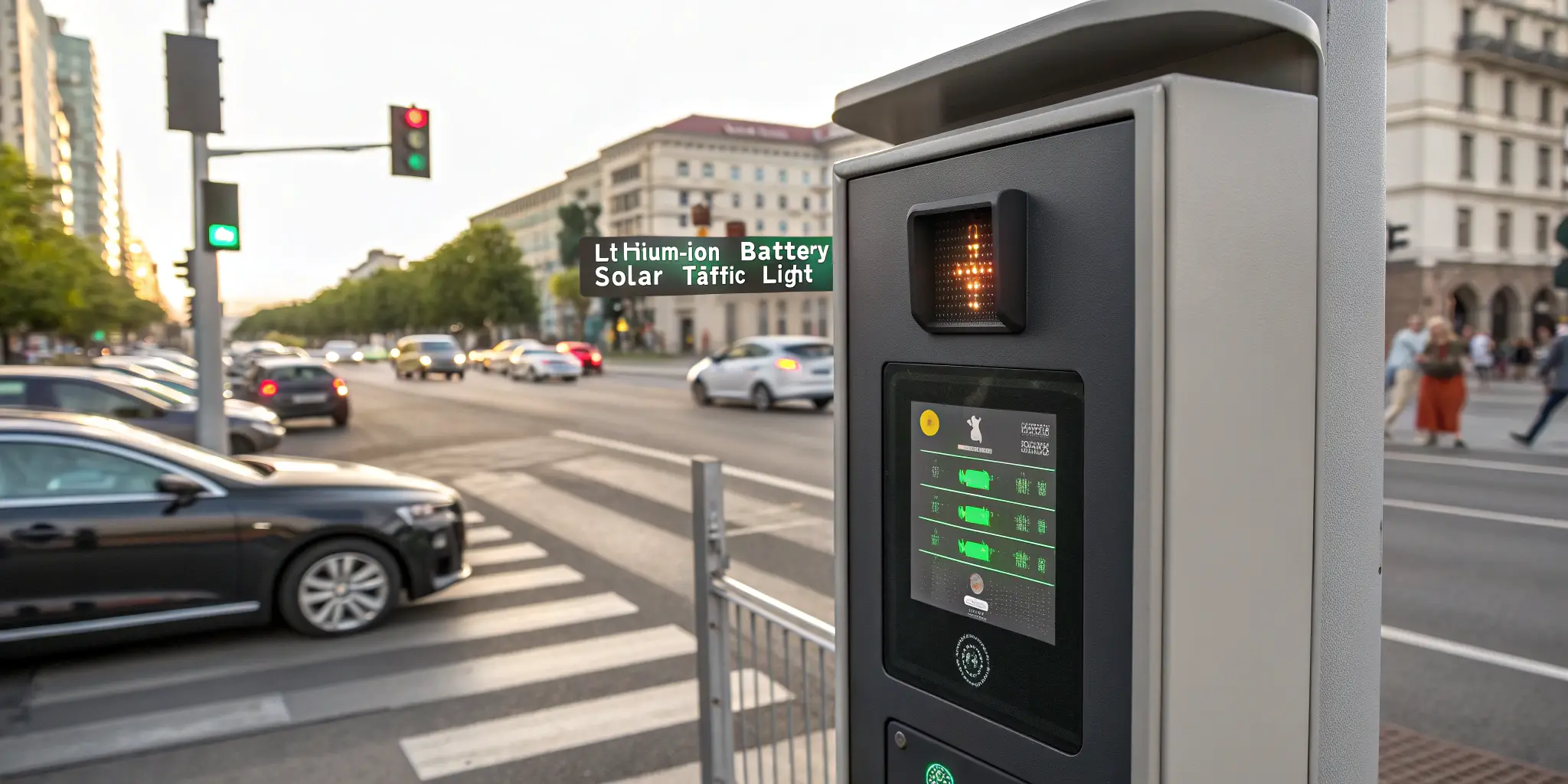
Battery Type Comparison for Solar Traffic Lights4
| Battery Type | Lifespan | Efficiency | Best For |
|---|---|---|---|
| Lithium-ion | 8-10 years | 90%+ | Long-term performance |
| AGM Lead-Acid | 3-5 years | 75-80% | Budget-friendly setups |
| Gel Batteries | 5-7 years | 80-85% | Extreme temperature conditions |
Lithium-ion batteries, while more expensive, provide longer operational hours and require less maintenance compared to lead-acid options.
How Does Panel Efficiency Affect Solar Traffic Light Performance in Cloudy Conditions?
Solar panels can still generate power in cloudy weather, but efficiency is reduced.
High-efficiency monocrystalline solar panels5 and MPPT charge controllers6 improve solar traffic light performance7 in cloudy conditions.
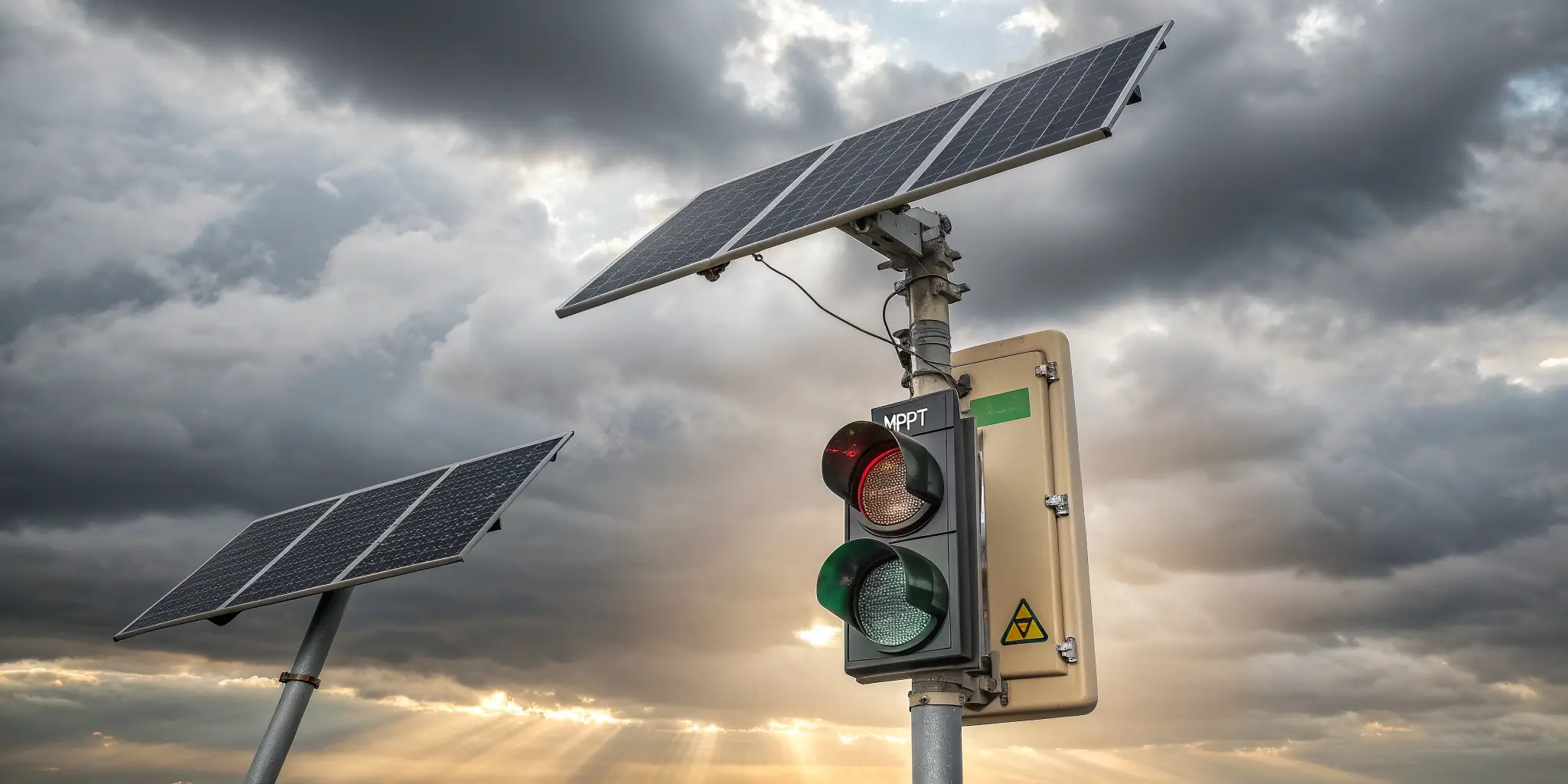
How Solar Panel Efficiency Changes in Cloudy Conditions
- Monocrystalline panels generate up to 50% of their rated output on cloudy days.
- Polycrystalline panels perform worse, producing 30-40% of their rated output.
- Thin-film panels work well in diffused light but have lower overall efficiency.
Optimizing Solar Panel Performance in Cloudy Weather
- Use High-Efficiency Panels – Monocrystalline panels maximize output.
- Increase Panel Surface Area – More panels compensate for reduced sunlight.
- Use MPPT Controllers – Helps extract maximum power in varying light conditions.
What Are the Best Ways to Optimize Solar Traffic Lights for Low-Light Environments?
Low-light environments demand specific optimizations to ensure reliable solar traffic light operation.
Combining high-capacity batteries8, efficient panels, and smart controllers can extend traffic light runtime in low-light conditions.
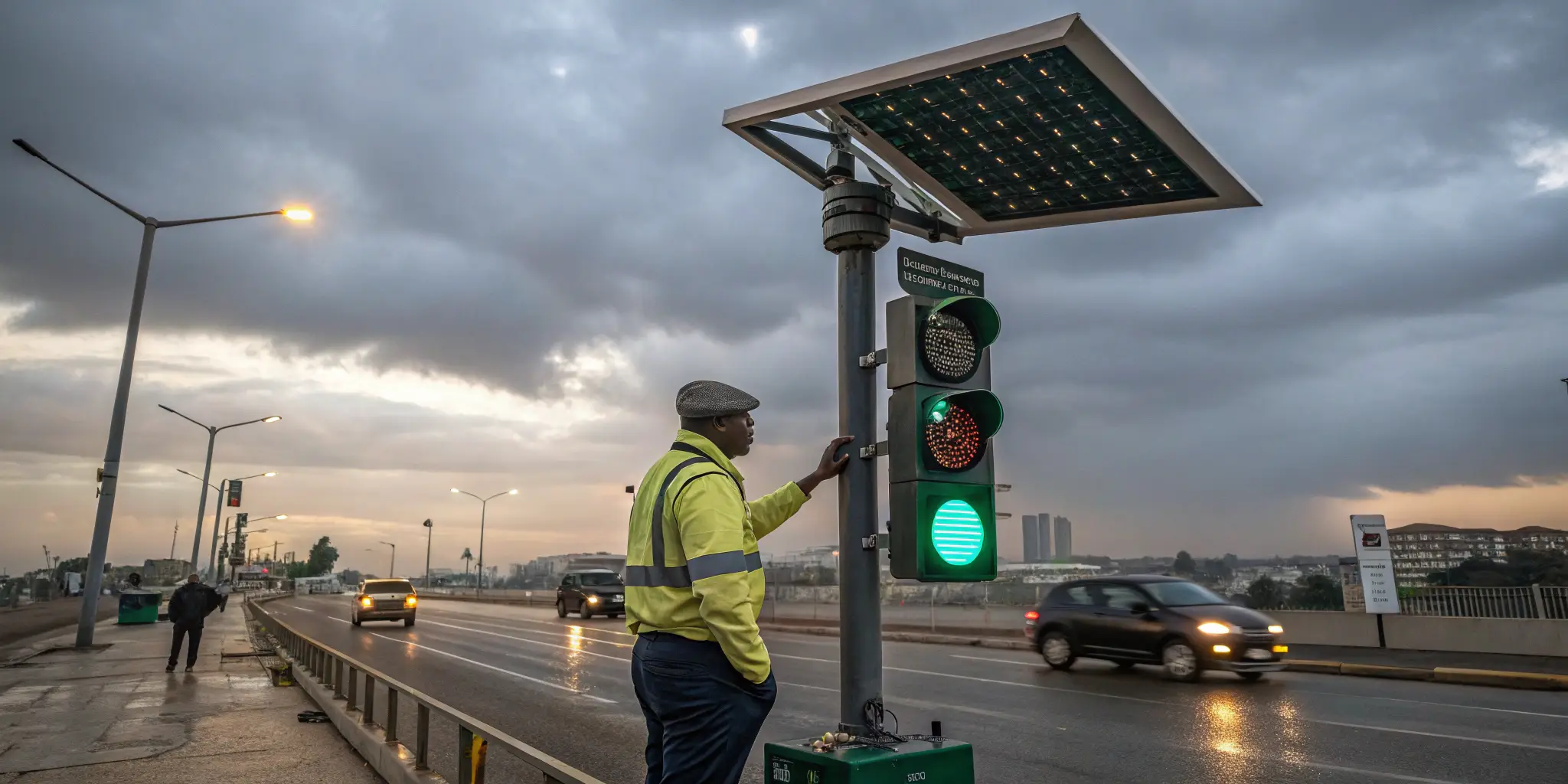
Key Strategies for Optimizing Performance
| Optimization | How It Helps |
|---|---|
| Upgrade to MPPT Charge Controllers | Maximizes energy capture. |
| Increase Battery Capacity | Extends operation time during low sunlight periods. |
| Use Monocrystalline Panels9 | Enhances power generation in low light. |
| Adjust Panel Tilt Angles | Captures more sunlight during winter months. |
| Reduce Power Consumption | LED bulbs and smart controllers minimize energy waste. |
With these improvements, solar traffic lights can function effectively even in locations with prolonged low-light conditions.
How Do Weather Conditions Impact the Reliability of Portable Solar Traffic Lights?
Harsh weather can affect solar panel efficiency10 and battery performance11.
Solar traffic lights must be designed to withstand extreme temperatures, rain, and dust to ensure long-term reliability.
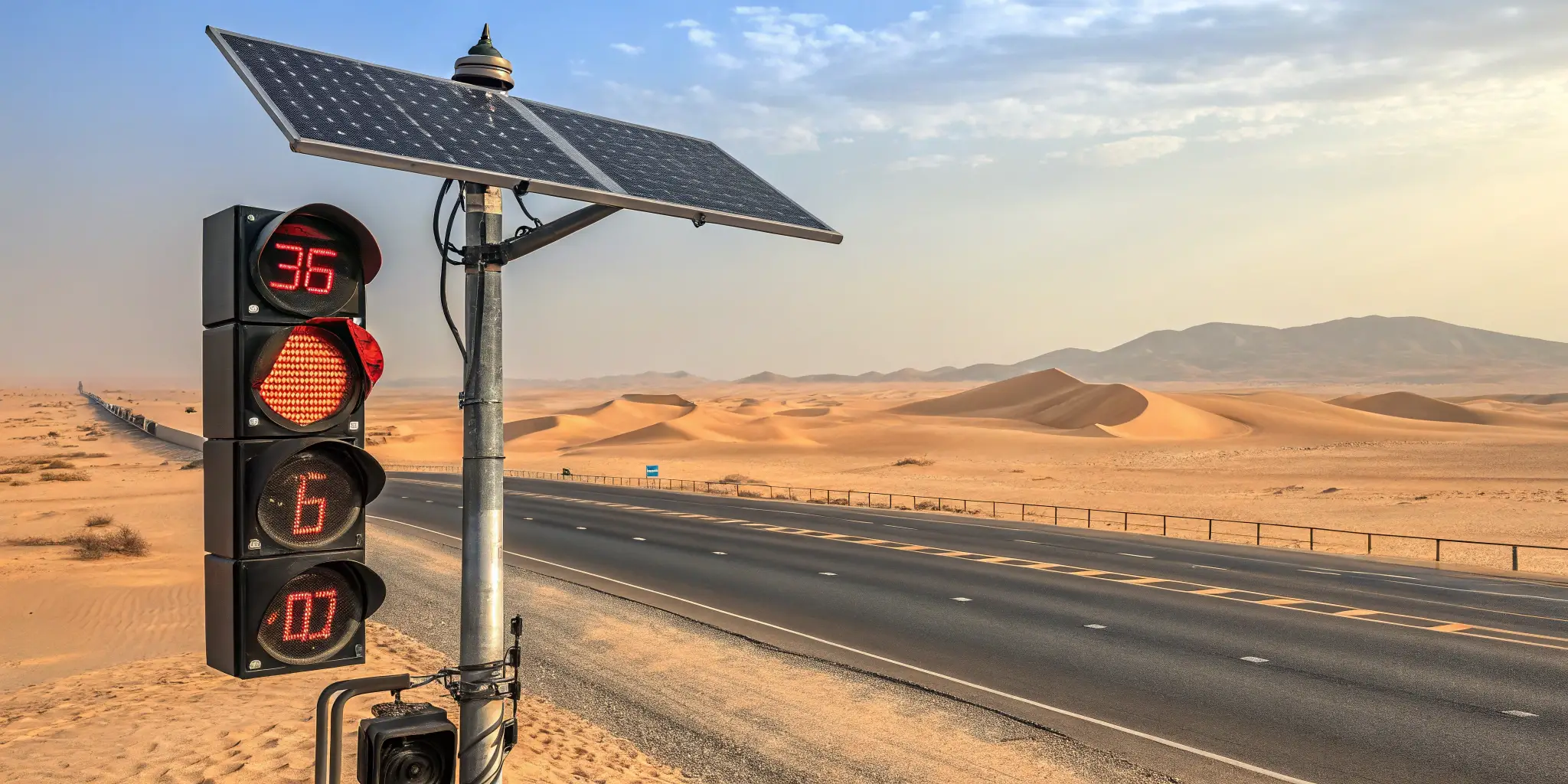
Weather-Related Factors That Impact Solar Traffic Lights
| Weather Condition | Effect on Solar Traffic Lights | Solutions |
|---|---|---|
| Cloudy/Rainy Days | Reduced solar panel output | Use MPPT controllers and larger batteries. |
| High Temperatures | Battery degradation | Use lithium-ion batteries with temperature control12. |
| Cold Weather | Slower battery performance | Use insulated battery enclosures. |
| Dust & Dirt | Reduced light absorption | Regularly clean solar panels. |
By designing solar traffic lights to handle these challenges, they can operate reliably in any environment.
Conclusion
Portable solar traffic lights can function effectively in low-light areas if they use high-efficiency panels, advanced battery storage, and optimized energy management. With the right setup, these systems can remain reliable in shaded environments and harsh weather conditions.
-
Explore this link to understand how high-efficiency panels can optimize solar energy capture, especially in challenging conditions. ↩
-
Discover how MPPT controllers maximize power extraction from solar panels, crucial for effective energy use in low-sunlight environments. ↩
-
Explore the benefits of these battery types to understand why they are ideal for solar traffic lights. ↩
-
This comparison will help you choose the right battery for your solar traffic light needs. ↩
-
Explore the advantages of high-efficiency monocrystalline solar panels to understand their impact on energy generation, especially in cloudy conditions. ↩
-
Learn how MPPT charge controllers optimize solar energy capture, enhancing performance even in less-than-ideal weather. ↩
-
Discover the key factors influencing solar traffic light performance, particularly in challenging weather conditions like clouds. ↩
-
Explore how high-capacity batteries can enhance the performance and reliability of solar traffic lights in low-light conditions. ↩
-
Discover the benefits of monocrystalline panels, especially in low-light conditions, to optimize solar traffic light performance. ↩
-
Understanding solar panel efficiency in different weather can help optimize solar traffic light performance. ↩
-
Exploring battery performance factors can lead to better solutions for reliable solar traffic lights. ↩
-
Learning about temperature control can enhance the longevity and reliability of solar traffic lights. ↩
