 Skip to content
How can I import custom solar panels from China and prevent mismatch with my overall system?
Every time I see a solar project fail, the pain is the same. Money is locked, timelines break, and everyone points fingers because the panels do not fit the system.
I prevent system mismatch by matching voltage, current, connectors, and simulation data before I place any custom solar panel order from China.
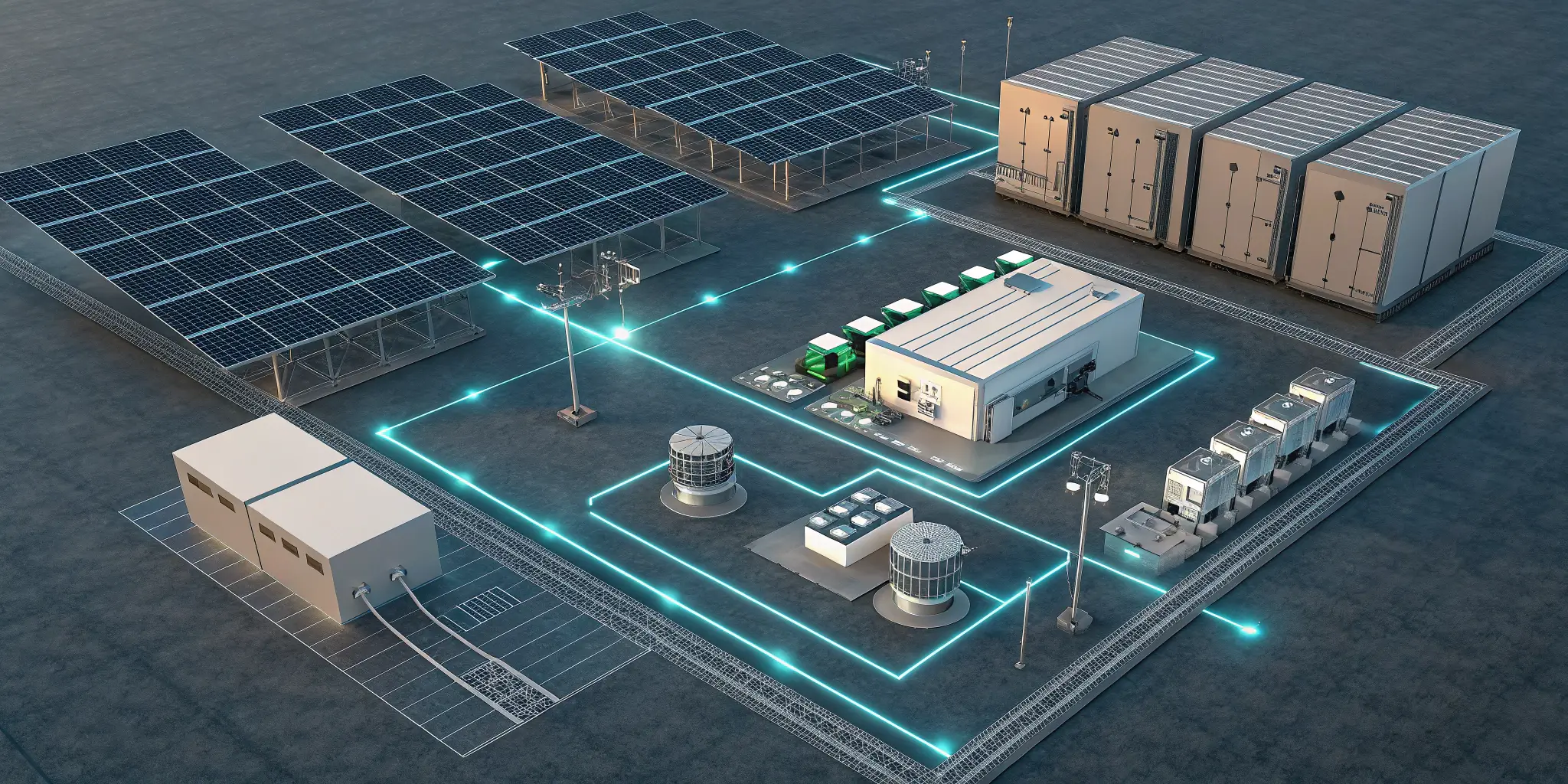
I do not treat a solar panel as a simple product. I treat it as one part of a full electrical system. That is why I always start with system limits before I talk to any factory.
How do I check voltage and current compatibility?
Buying custom panels without checking voltage and current is like buying an engine without checking the gearbox. The system may run, but it will not run well.
I check Vmp, Voc, Isc, and MPPT ranges together to make sure every custom panel string stays inside the inverter’s safe working window.
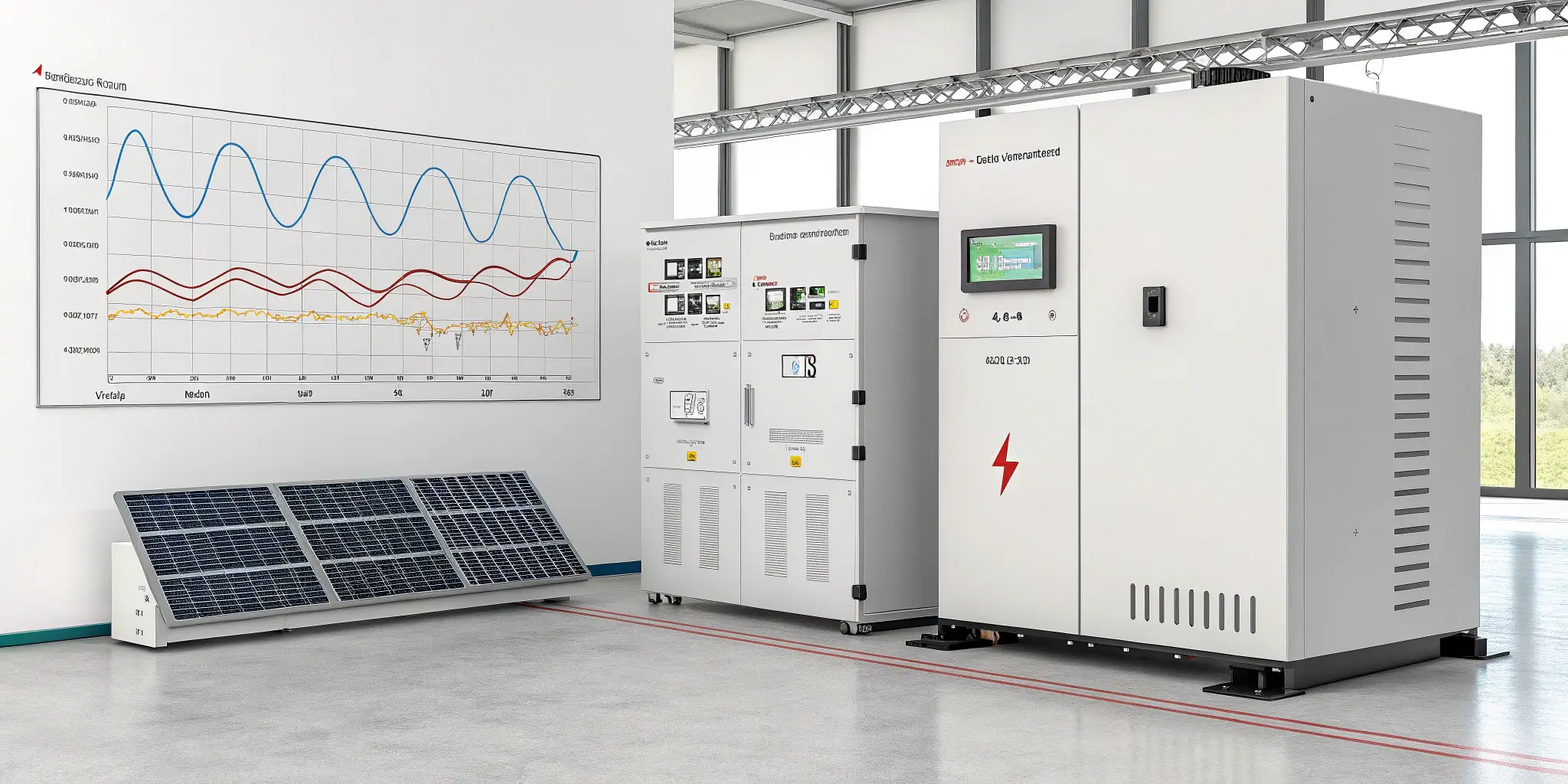
Why voltage mismatch kills real projects
When I review failed solar projects, voltage is the most common problem. Many buyers only look at panel wattage. They do not look at how voltage behaves inside the system.
Every inverter has two hard limits. One is the MPPT window1. The other is the maximum DC input voltage2. My panels must stay inside both limits in all weather.
I always start with these numbers from the inverter:
- MPPT minimum voltage
- MPPT maximum voltage
- Maximum DC voltage
Then I take these from the panel datasheet:
- Vmp at STC
- Voc at STC
- Voc temperature coefficient3
I calculate string voltage4 in two ways. One is at normal working temperature. One is at the lowest site temperature.
If winter Voc goes above inverter max, the inverter can fail. If summer Vmp falls below MPPT min, the inverter will hunt and lose power.
This is why I never accept a panel quote without temperature data. STC numbers are not enough. Real sites are hot and cold. The inverter must survive both.
Why current matters more than most buyers think
High-wattage panels often bring higher current. That looks good on paper. It creates risk in the field.
Inverters have a maximum input current per MPPT. Combiner boxes have fuse limits. Cables have heat limits.
I take Isc from the panel. Then I multiply it by the number of parallel strings. Then I add a safety margin. If that number is higher than the inverter limit, the system will trip or derate.
Many buyers think only voltage can break an inverter. In truth, current is just as dangerous. Too much current causes heat. Heat causes protection to shut the system down.
Why DC/AC ratio5 must fit custom panels
When I use custom panels, DC capacity often changes. That changes DC/AC ratio.
If DC is too high, the inverter clips power. That means the project produces less energy than expected. This hurts ROI and causes disputes.
I always calculate:
Total DC power ÷ Total AC inverter power
Then I check the inverter manual for allowed ratio. I never guess. I never copy from old designs. Custom panels need custom checks.
How I lock electrical compatibility before I order
Before I sign any contract, I create a simple table for myself.
| Item | Panel value | Inverter limit | Result |
|---|---|---|---|
| Vmp string | xxx V | MPPT min–max | OK / Not OK |
| Voc cold | xxx V | Max DC | OK / Not OK |
| Isc total6 | xxx A | MPPT current | OK / Not OK |
| DC/AC | x.xx | Allowed range | OK / Not OK |
If one line is not OK, I do not order. No price discount can fix an electrical mismatch.
How do I verify connector types?
Many projects fail not because of voltage or current, but because of one small plastic and metal part.
I always lock connector brand, model, and crimp rules so that custom panels connect to the system without risk, warranty loss, or fire.
[^7] on solar panel array](https://rayenrg.com/wp-content/uploads/2026/01/MC4-3.webp)
Why connector mismatch7 is a silent danger
Most buyers think all MC4 connectors are the same. They are not.
There are MC4, MC4-Evo 2, and many “compatible” versions. Each has its own metal pin, spring, and contact force. Inverters and combiner boxes are certified with specific connectors.
If I plug the wrong type:
- Certification is broken
- Warranty is gone
- Fire risk increases
This is not theory. I have seen projects stopped by inspectors because connectors did not match.
How I control connector risk with Chinese factories
When I talk to a panel factory, I never say “MC4 type”. I always say:
- Brand
- Model
- Pin type
- Cable size
I put this in the contract. I also ask for connector photos before mass production.
If the factory wants to change connectors because of supply issues, I must approve first. No silent change is allowed.
Why cable length and gauge also matter
Connectors do not work alone. They are part of a cable system.
If cable is too thin:
- Voltage drop increases
- Heat increases
If cable is too short:
- Installers use extensions
- More connectors appear
- Risk grows
I always define:
- Cable cross section
- Cable length
- Insulation type
These must match combiner boxes and inverters.
How I prevent field problems
Before shipment, I ask for a sample panel. I test it with a real inverter and real connector. This simple step saves months of trouble.
I do not trust drawings. I trust physical fit.
How do I simulate system performance?
Many buyers order panels first and simulate later. I do the opposite.
I run full system simulation with the exact custom panel data before I release any production order.

Why simulation is the final truth
Data sheets are promises. Simulation shows reality.
I use tools like PVSyst8 or HelioScope9. I enter:
- Panel electrical data
- Inverter model
- String design
- Site temperature
- Irradiance data
This shows me:
- Energy yield
- Clipping losses
- Voltage behavior
- Low light performance
If the model shows MPPT problems or clipping, I change the panel or string design.
How temperature and low light change everything
High temperature lowers voltage. Low light changes current.
If a custom panel has poor low-light performance, the inverter may not start early in the morning. If temperature coefficient is bad, summer yield drops.
Simulation shows these effects. Without it, I am blind.
Why battery systems need extra checks
If the system includes batteries, simulation becomes even more important.
Charge controllers and hybrid inverters need stable voltage curves. Some high-power panels behave poorly when charging batteries.
I always check:
- Charge voltage range
- Panel Vmp curve
- Inverter battery algorithm
Simulation helps me see if the system will charge smoothly or struggle.
How I use simulation to control the factory
Once simulation is done, I send the result to the factory. It becomes part of the design. If the factory changes cells or layout, I run the model again.
This keeps everyone honest.
Conclusion
I stop system mismatch by matching voltage, current, connectors, and simulation before I order, not after the panels arrive.
-
Understanding the MPPT window is crucial for ensuring your solar panels operate efficiently within the inverter's limits. ↩
-
Knowing the maximum DC input voltage helps prevent inverter failures and ensures system reliability. ↩
-
Learn about the Voc temperature coefficient to better predict how temperature affects your solar panel performance. ↩
-
Calculating string voltage ensures your solar setup remains within safe operational limits, enhancing system longevity. ↩
-
Calculating the DC/AC ratio is essential for optimizing energy production and avoiding disputes over ROI. ↩
-
Understanding Isc total is vital for assessing current limits and preventing system shutdowns due to overheating. ↩
-
Exploring the risks of connector mismatch can help prevent costly mistakes and enhance project safety. ↩
-
Explore this link to understand how PVSyst enhances solar system simulations, ensuring accurate performance predictions. ↩
-
Discover how HelioScope can optimize your solar energy designs and simulations for better efficiency and performance. ↩
