 Skip to content
How Are Robotics Changing MC4 Connector Installation Processes?
More solar panels mean more connectors—but can humans keep up with growing precision demands?
Yes, robots are transforming how MC4 connectors are installed, making the process faster, safer, and more consistent than manual labor.
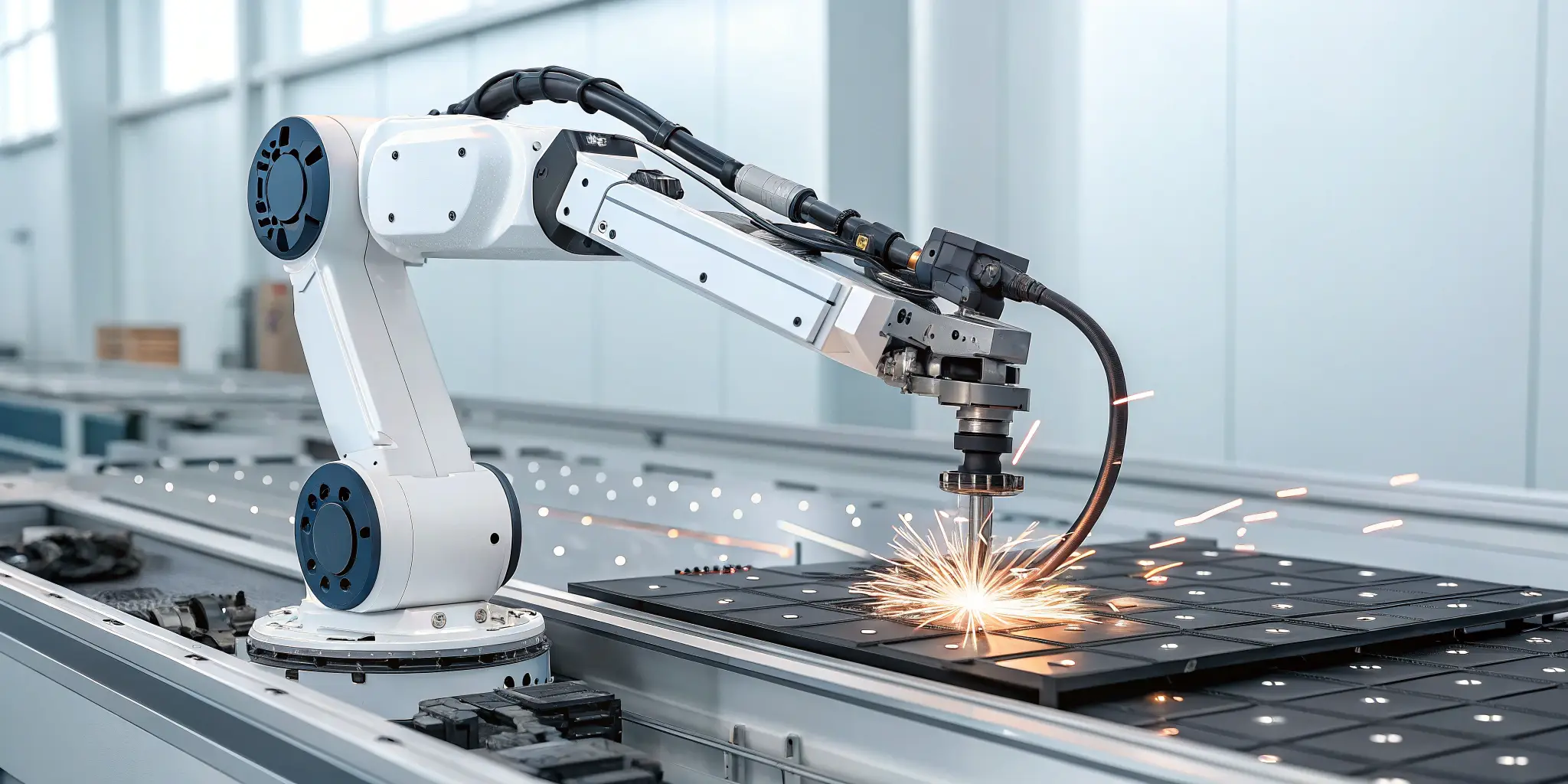
As demand for solar surges and 2000V systems enter the market, accuracy in MC4 connector installation has never mattered more. I’ve worked with solar factories where one mistake in crimping could cost thousands. Let’s dive into how robots are now stepping in—and why.
Can Robotic Automation Improve the Speed and Accuracy of MC4 Connector Crimping?
High-volume crimping jobs require fast, repeatable accuracy—but that’s hard to achieve with manual tools.
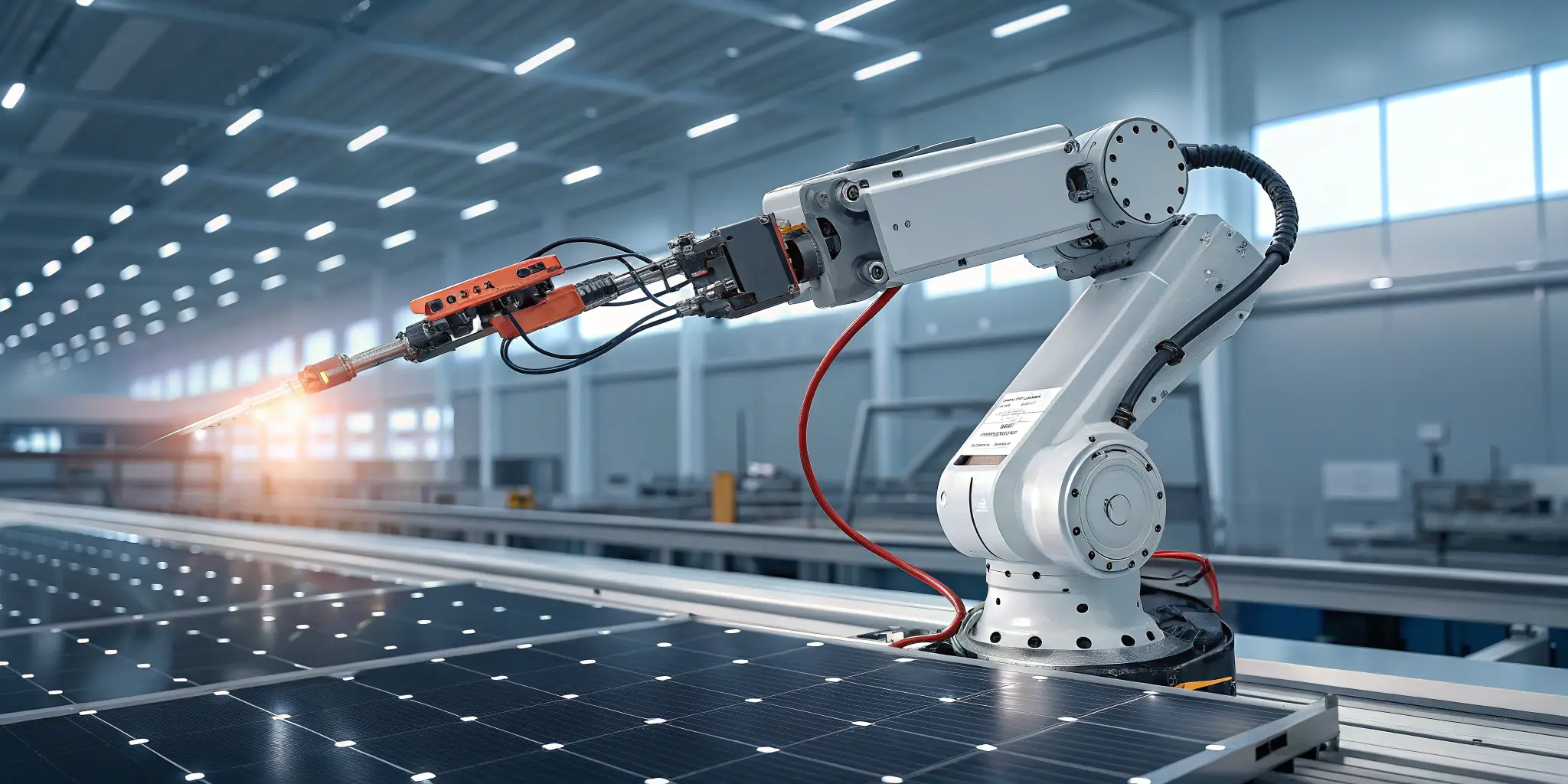
Robots equipped with automated crimping tools can complete MC4 connections1 more quickly and consistently than human technicians.
Why Crimping Quality Matters
Improper crimping is one of the top causes of PV fires. A poor crimp creates high resistance, which builds heat and leads to failure. Traditionally, installers used handheld crimp tools, but results often varied depending on hand strength and experience.
What Robots Do Better
Robotic arms designed for connector crimping are programmed to apply uniform pressure with zero deviation. They can:
- Detect the exact pressure needed for Staubli MC4 or generic connectors
- Handle thousands of crimps per day without fatigue
- Record and report crimping data for quality control
| Feature | Manual Crimping | Robotic Crimping |
|---|---|---|
| Speed | ~100 crimps/hour | 600–1000 crimps/hour |
| Accuracy | Operator-dependent | Consistent across all crimps |
| Quality Assurance | Manual inspection | Automated testing + logs |
| Labor Requirements | Skilled technician | One operator per multiple arms |
In my recent visit to a solar assembly line in Jiangsu, I saw robots crimping Staubli MC4s at record speed. The factory reduced installation labor by 60% without sacrificing reliability.
What Are the Key Benefits of Using Robots in MC4 Connector Assembly?
Solar factories are turning to automation to meet the global demand for tier-1 panel assembly.
The top benefits of robotic MC4 assembly include speed, lower labor costs, traceable quality, and better safety outcomes.
Why Assembly Needs Automation
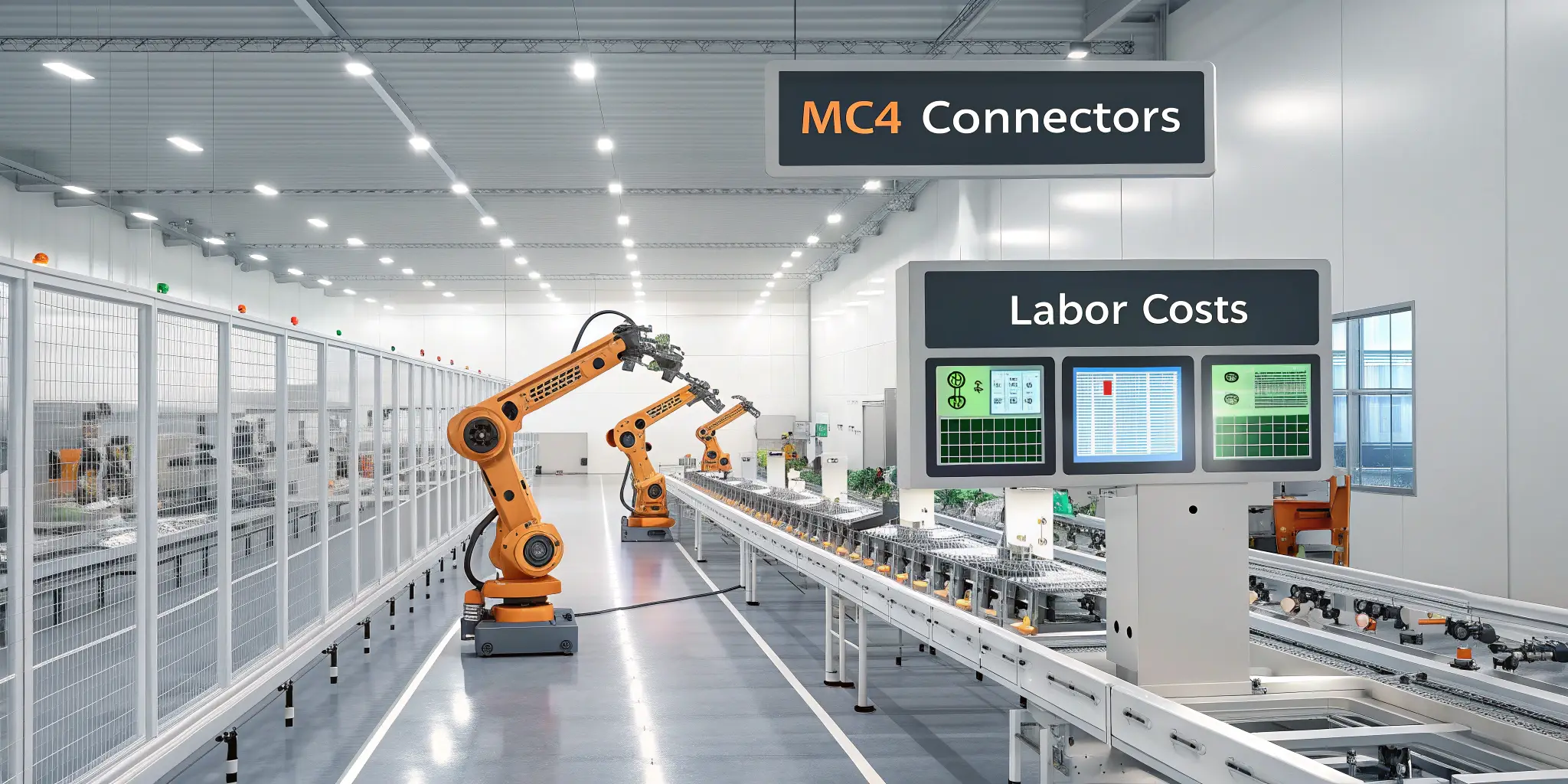
Each PV module includes at least two MC4 connections, and large solar farms use millions of these connectors. Manual assembly can't keep up without errors, especially under 2000V system upgrades.
Key Benefits of Robotics in MC4 Handling
-
- One robot can do the work of 3–4 skilled workers.
- Less training required for human operators.
-
- Robots avoid over-tightening or under-tightening MC4 connectors.
- Every connection is traceable through digital QA logs.
-
Increased Throughput
- Robots can run continuously with minimal downtime.
- Ideal for panel lines that produce 500+ modules/day.
-
Safer Work Environment
- Minimizes risk of repetitive strain injuries from manual crimping.
- Reduces exposure to live circuit testing during final checks.
Even small factories can now afford robotic MC4 crimping kits due to falling automation costs in 2025.
Are Solar Panel Manufacturers Adopting Robotic MC4 Installation Lines?
Yes—and it’s not just in Europe or the US. China is leading the shift.
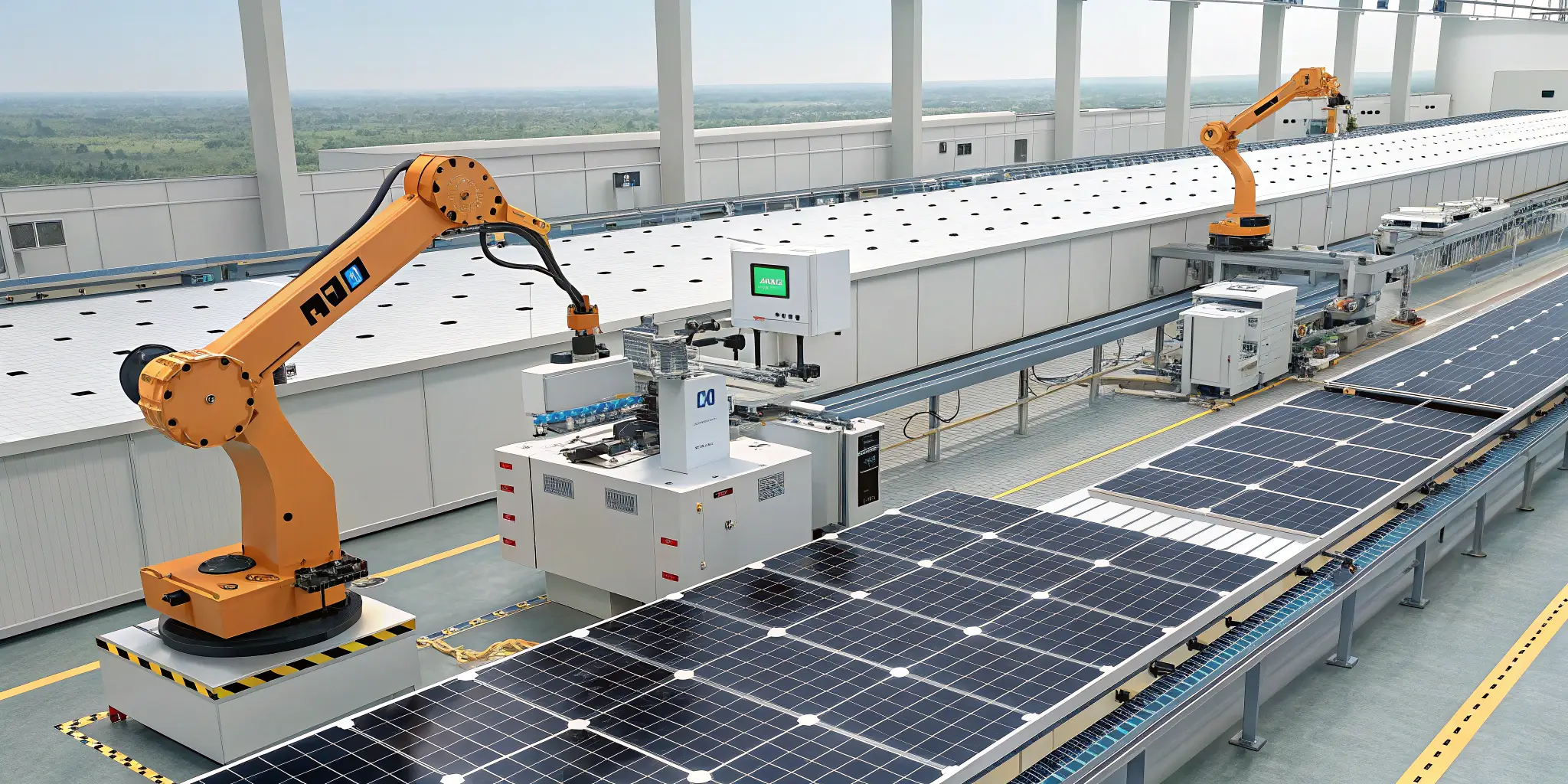
Major solar factories in China, Europe, and India are automating MC4 connector installation4 as part of smart factory upgrades5.
Real-World Adoption Trends
| Manufacturer | Location | Robotic MC4 Integration |
|---|---|---|
| Trina Solar | China | Fully automated assembly |
| LONGi Green Energy | China | Robotic MC4 and junction box |
| JinkoSolar | Global | Partial automation underway |
| REC Solar | Singapore | Robotic MC4 test line |
| First Solar | USA | Exploring MC4 robot retrofit |
Trina’s Suqian factory was among the first to adopt Staubli-certified crimping robots. They reduced MC4 connector QA rejections by over 75% after automation.
In my opinion, manufacturers that don't automate will struggle to meet new 2000V requirements and project deadlines in the next two years.
How Do Robots Reduce Human Error in Solar Connector Installations?
People make mistakes—but robots are programmed not to.
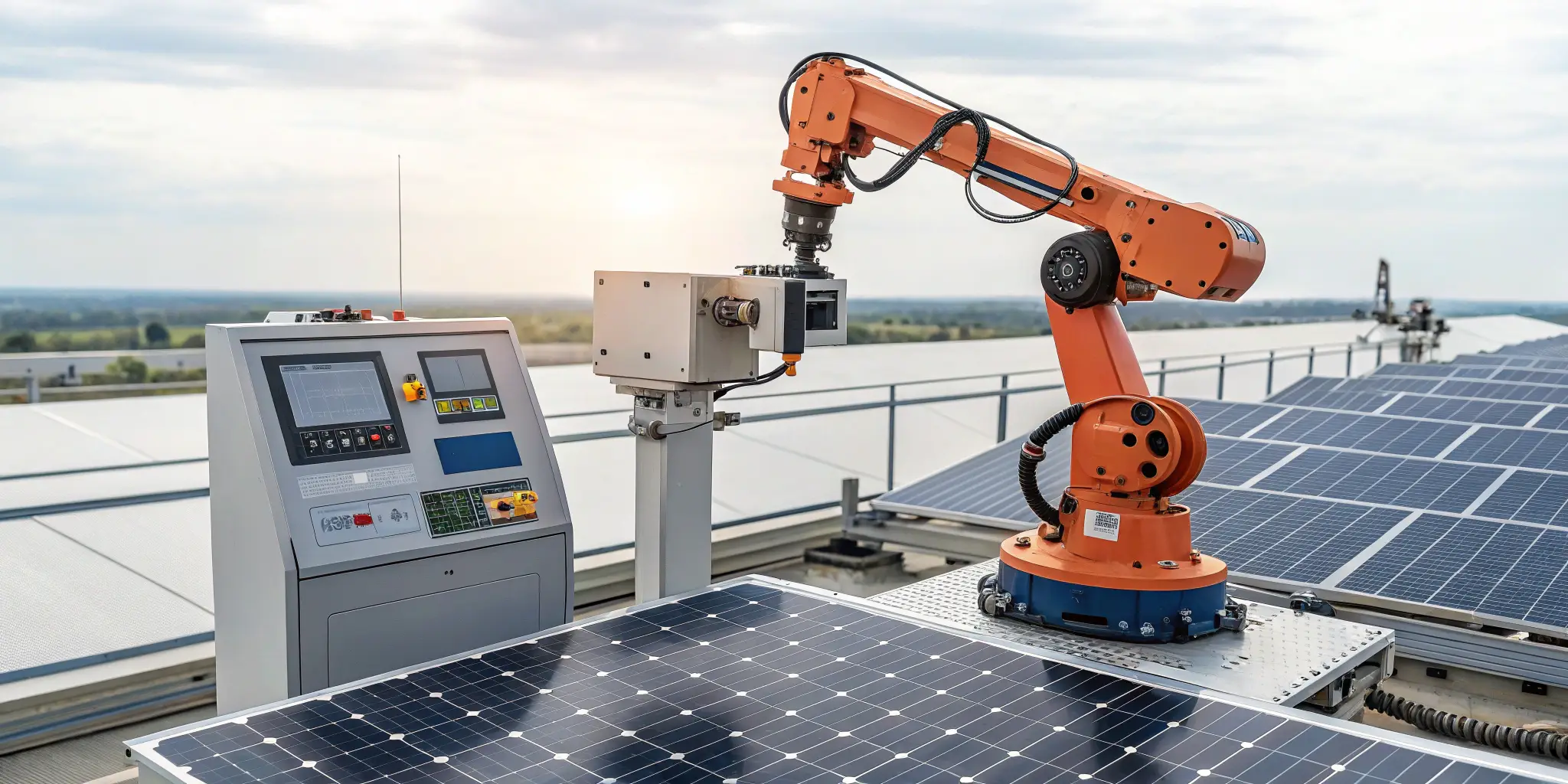
Robots eliminate variations in torque, alignment, and depth during MC4 installation, reducing human error6 and fire risk.
Common Manual Mistakes with MC4 Connectors
- Incomplete insertion
- Cross-threading
- Inconsistent torque
- Missed polarity checks
- Loose cable terminations
These small errors often go unnoticed until a string overheats in the field—leading to downtime or worse.
How Robots Improve Accuracy
- Visual guidance: Cameras ensure correct alignment
- Sensor feedback: Verifies insertion force
- AI pattern recognition: Detects abnormal variations in connections
In several European audits I've reviewed, robotic lines7 had 98.6% first-pass success rates on MC4 installs—much higher than the 85–90% seen in manual lines.
What Are the Future Trends in Robotic MC4 Connector Handling by 2025?
The future is plug-and-play—and it’s arriving fast.
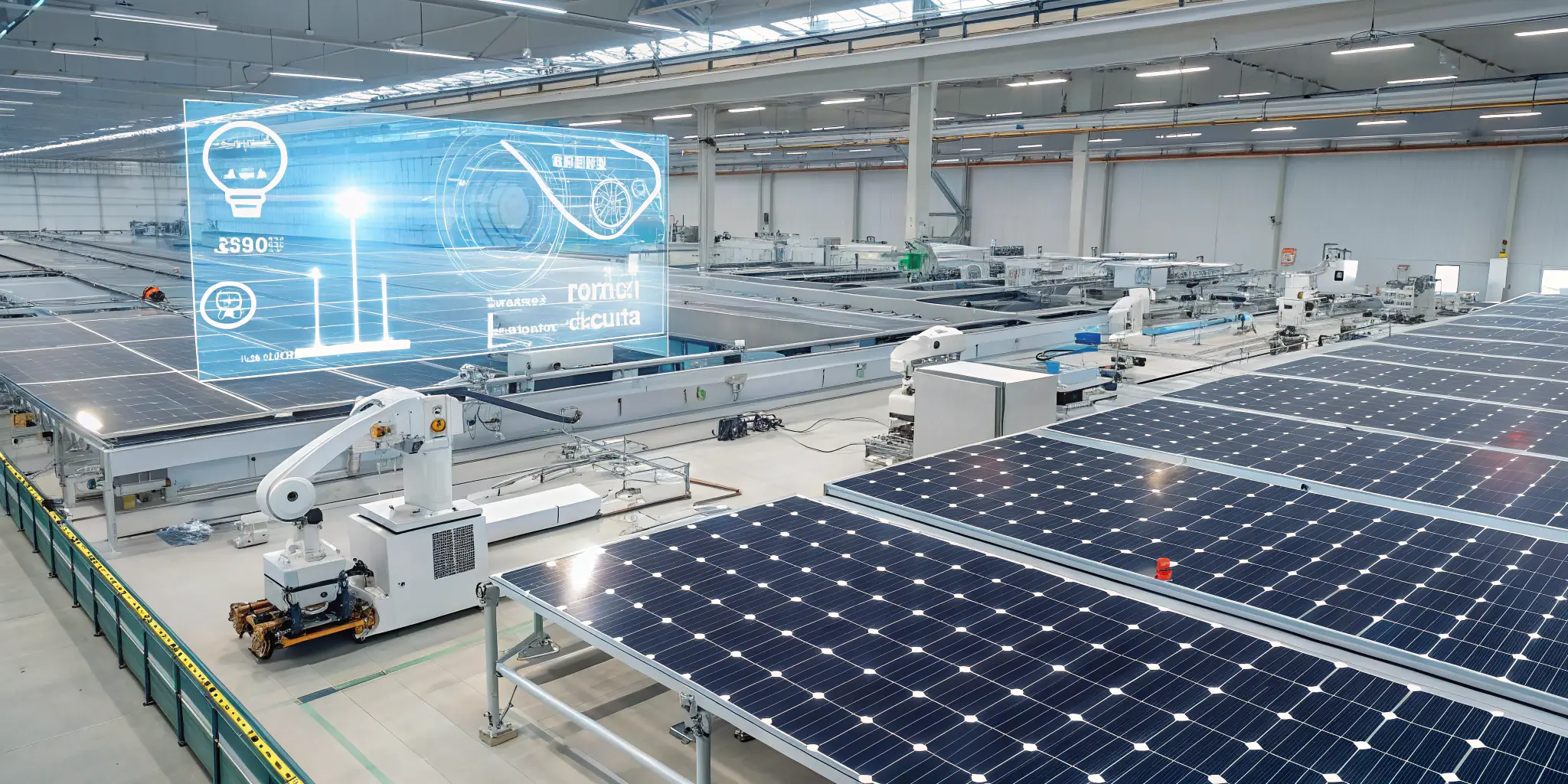
By 2025, expect AI-driven robots8, predictive maintenance alerts9, and automated MC4 compatibility testing10 to become standard in large factories.
2025 Predictions for MC4 Installation Automation
| Trend | Description |
|---|---|
| AI QC Systems | Auto-detect loose or misaligned MC4 connections |
| Modular Robotic Arms | Quick-swap tools for different connector types |
| Real-Time Cloud Reporting | Remote QA and maintenance alerts via IoT |
| Fully Autonomous MC4 Assembly | No human input for high-speed PV production lines |
| Compatibility Scanners | Verify connector brand and specs before installation |
In China, robotic MC4 kits with Staubli preset torque calibration will become widely available to mid-sized factories. I expect over 60% of tier-1 production lines to be fully automated by Q4 2025.
Conclusion
Robotics are redefining how we install MC4 connectors—faster, safer, and smarter than ever before.
-
Understanding MC4 connections is crucial for optimizing solar panel installations and ensuring safety. Explore this link for detailed insights. ↩
-
Learn about the impact of automation on labor costs and productivity, crucial for understanding modern manufacturing economics. ↩
-
Discover the significance of maintaining consistent quality in manufacturing, which is vital for customer satisfaction and brand reputation. ↩
-
Understanding MC4 connector installation is crucial for grasping the advancements in solar technology and automation. ↩
-
Explore how smart factory upgrades are revolutionizing the solar industry and improving efficiency. ↩
-
Discover how robots are transforming industries by minimizing human error, enhancing efficiency and safety. This resource provides valuable information. ↩
-
Learn about the advantages of robotic lines in manufacturing, including increased accuracy and reduced error rates. This link offers comprehensive insights. ↩
-
Explore how AI-driven robots are revolutionizing manufacturing processes, enhancing efficiency and quality control. ↩
-
Learn about the impact of predictive maintenance alerts on reducing downtime and optimizing factory performance. ↩
-
Discover the advantages of automated MC4 compatibility testing in ensuring quality and efficiency in solar panel production. ↩
