 Skip to content
What Are the Safety Standards for Solar Connectors?
Solar connectors play a crucial role in ensuring the safety and efficiency of photovoltaic (PV) systems. Using substandard connectors can lead to overheating, power loss, and even fire hazards.
Solar connectors must meet international safety standards to ensure secure energy transmission, prevent system failures, and comply with regulatory requirements.
Let’s explore the essential safety regulations, their impact on performance, and how to ensure compliance.
What Are the Key Safety Regulations for Solar Connectors?
Solar connectors must comply with strict safety regulations1 to minimize electrical hazards and ensure long-term reliability.
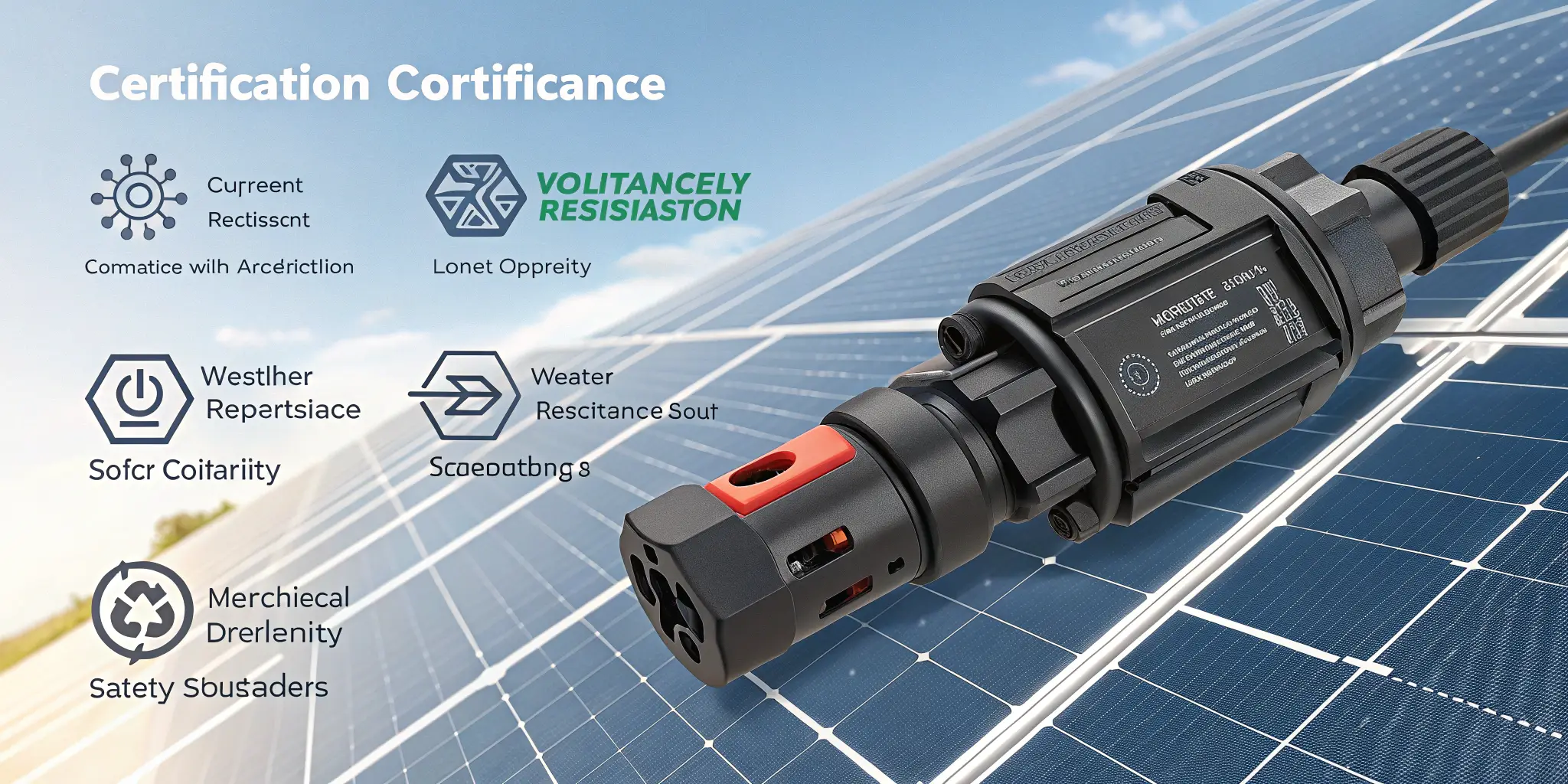
These regulations cover aspects like insulation resistance, current-carrying capacity, weather resistance, and mechanical durability to prevent electrical failures.
Key Safety Regulations
| Regulation | Purpose |
|---|---|
| Voltage & Current Ratings | Prevents overheating and system damage |
| IP Rating (Ingress Protection)2 | Ensures resistance to dust and water |
| UL 6703 & IEC 62852 Compliance3 | Certifies connector safety for PV systems |
| Flame Retardancy | Reduces fire hazards in case of electrical faults |
| Mechanical Locking System | Prevents accidental disconnections |
Adhering to these regulations ensures the safe and efficient operation of solar connectors in PV installations.
How Do Safety Standards Impact the Performance of Solar Connectors?
Solar connector safety standards are not just about compliance—they directly affect the efficiency, durability, and overall performance of a solar power system.
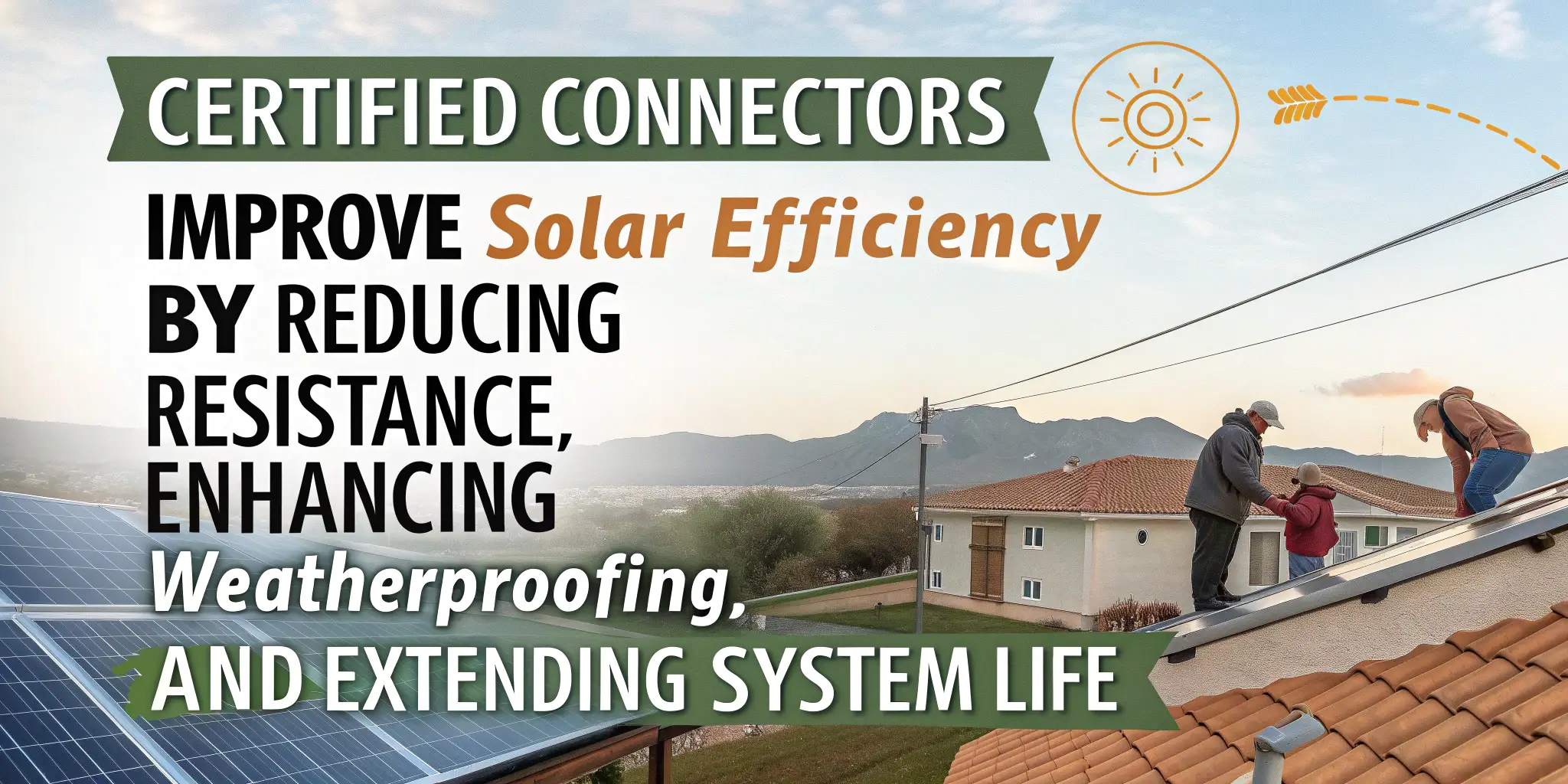
Connectors that meet safety standards offer lower resistance, better weather resistance, and longer operational life, ensuring maximum energy yield.
Performance Benefits of Certified Connectors
- Lower Electrical Resistance4 – Reduces power loss and increases energy efficiency.
- Enhanced Weather Resistance5 – Protects against rain, dust, and UV exposure.
- Improved Mechanical Strength – Prevents accidental disconnects and enhances safety.
- Higher Heat Tolerance – Reduces the risk of overheating and electrical fires.
- Longer Lifespan – Certified connectors last longer, reducing maintenance costs.
Using certified solar connectors not only enhances safety but also maximizes the long-term performance of a solar system.
What Are the International Standards for Solar Connector Safety?
Different regions have established safety standards to regulate solar connectors and ensure they perform reliably in various environments.
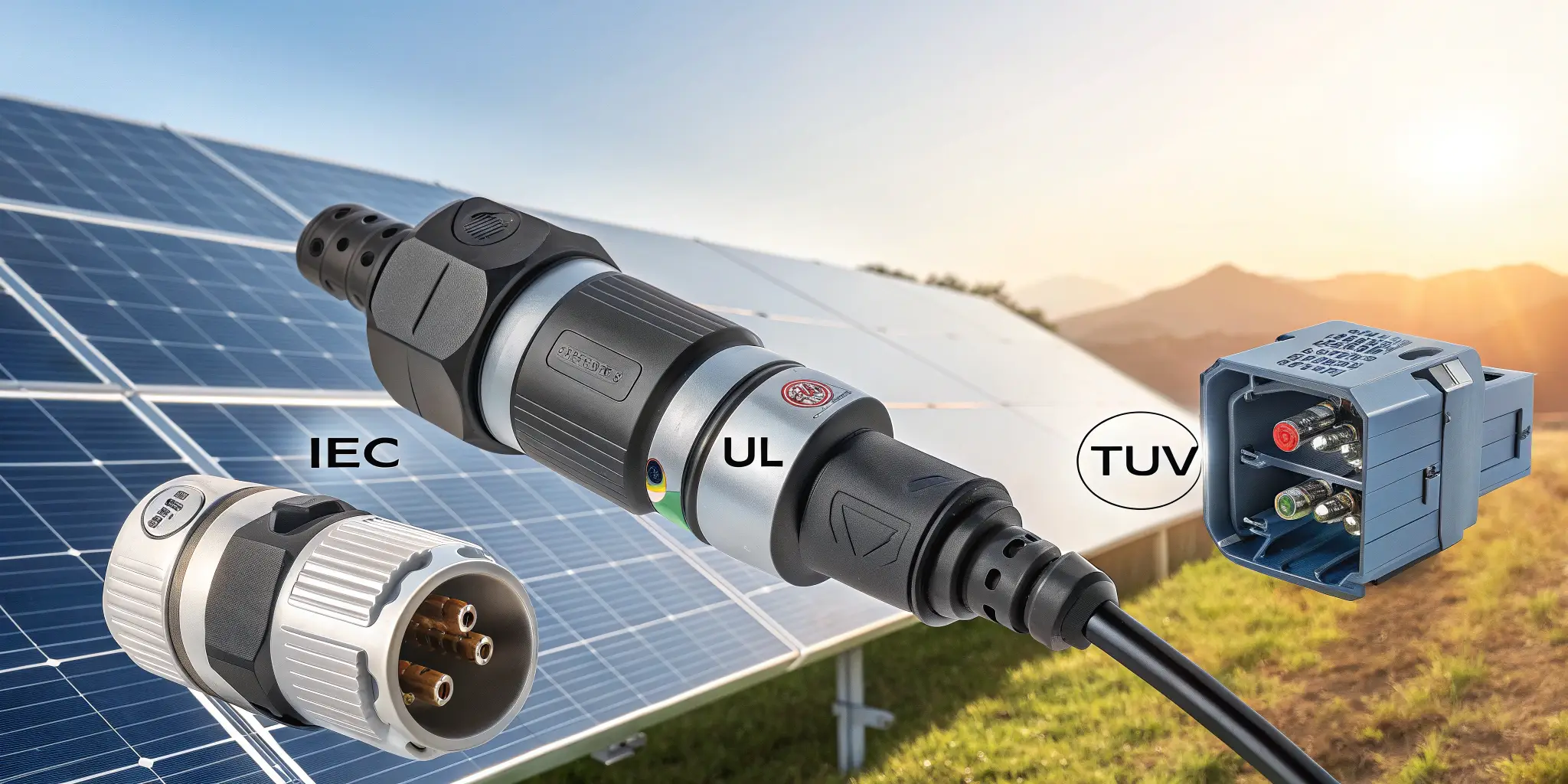
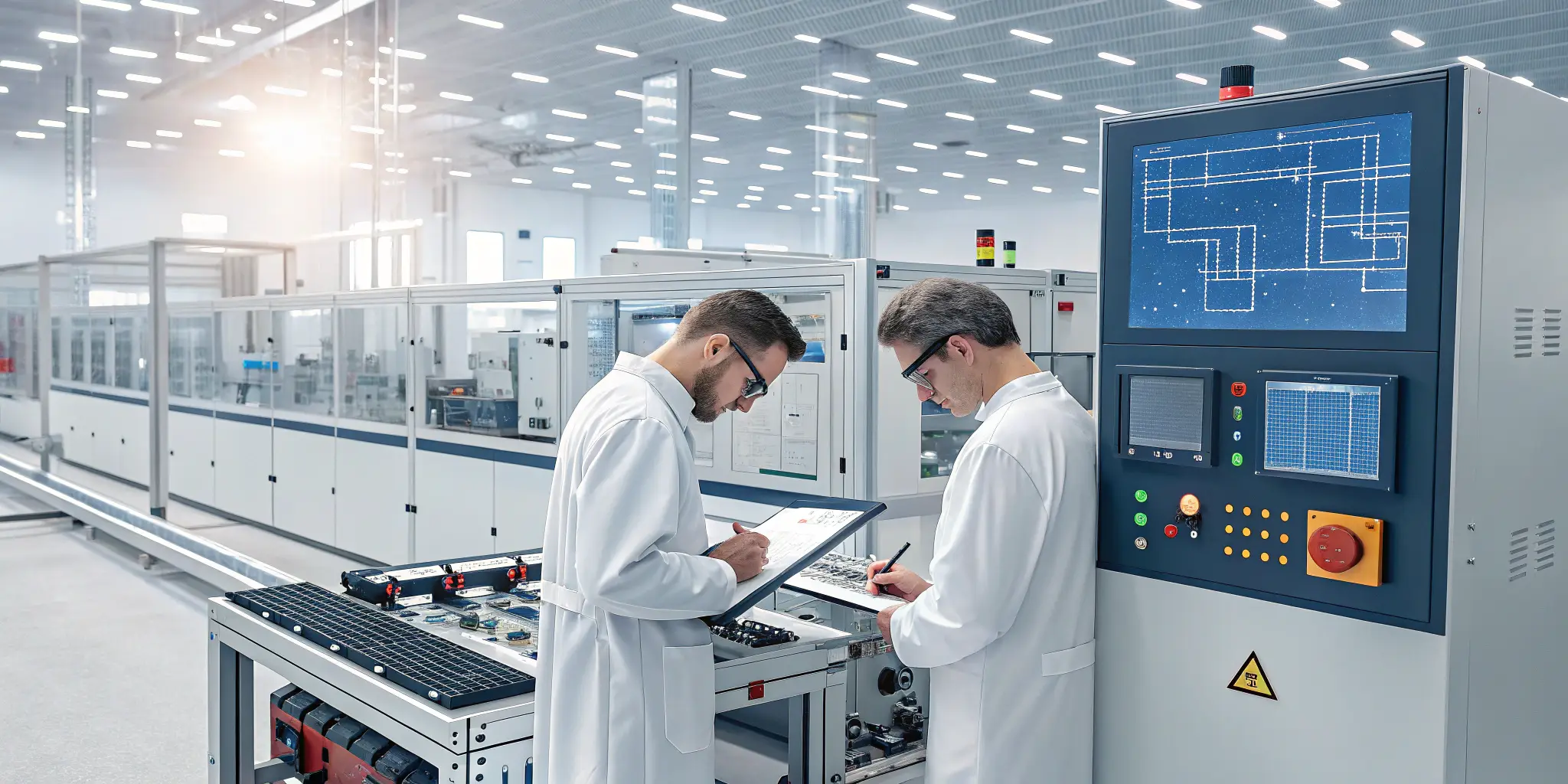
Global standards like IEC 62852, UL 6703, and TUV certification define the safety benchmarks for solar connectors used in PV systems.
International Solar Connector Safety Standards
| Standard | Region | Purpose |
|---|---|---|
| IEC 62852 | Global | Ensures performance and safety of PV connectors |
| UL 6703 | North America | Regulates safety requirements for PV connectors |
| TÜV Rheinland Certification6 | Europe | Verifies compliance with IEC and local standards |
| IP67/IP68 Ratings | Global | Defines water and dust resistance levels |
| RoHS Compliance | Global | Restricts hazardous materials in solar components |
Following these international standards ensures safe and efficient solar power system operation worldwide.
How Can You Ensure Solar Connectors Meet Safety Requirements?
Choosing the right solar connectors is crucial to maintaining system safety and compliance with regulations.
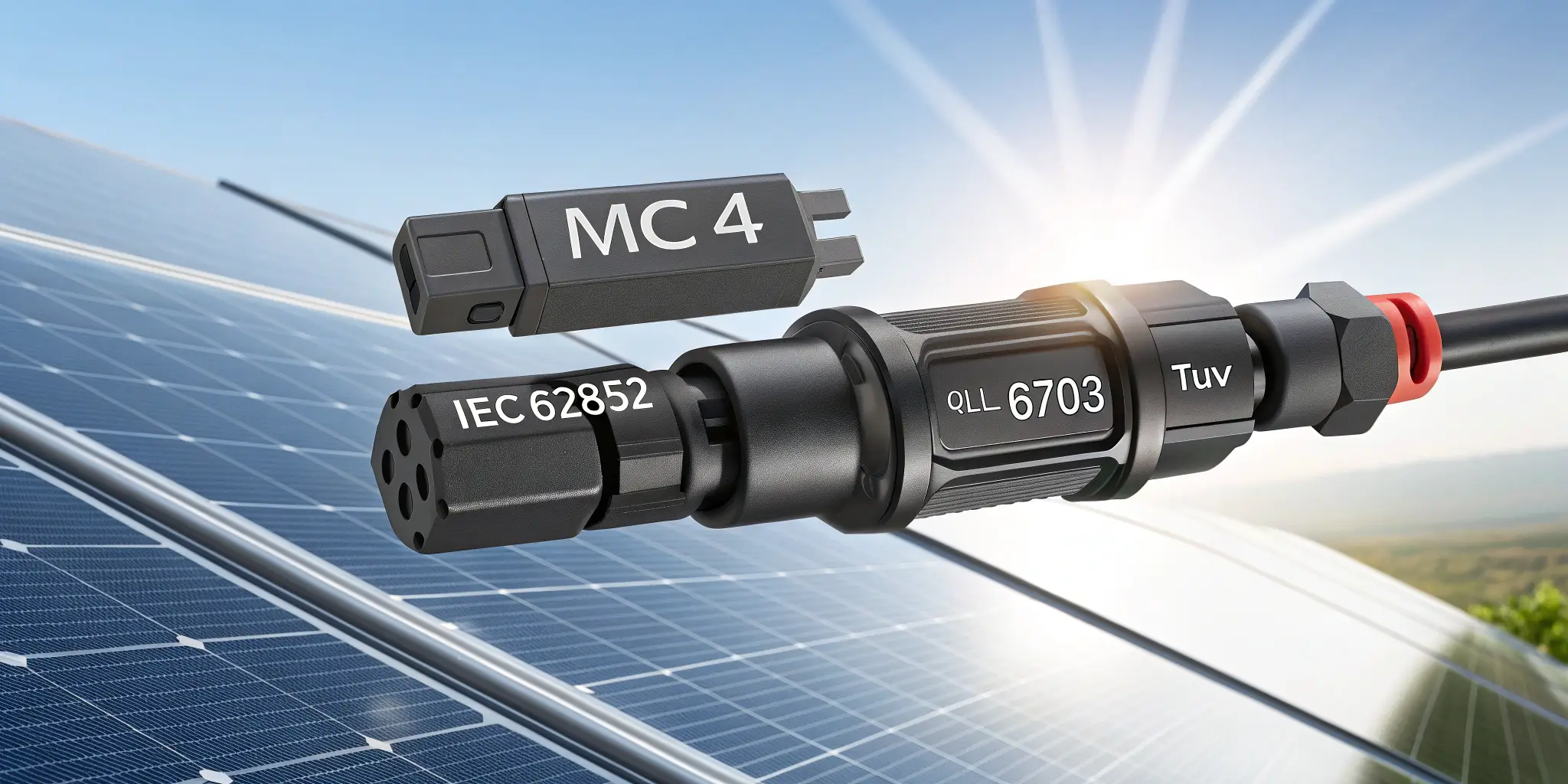
To ensure compliance, check for certification labels7, verify material quality8, and perform regular inspections.
Steps to Verify Compliance
- Check for Certification Labels – Look for UL, IEC, and TÜV markings.
- Confirm Voltage & Current Ratings – Ensure compatibility with your PV system.
- Verify IP Rating9 – Ensure connectors meet weather resistance requirements (IP67 or higher).
- Inspect Material Quality – Use connectors with flame-retardant and corrosion-resistant materials.
- Perform Routine Maintenance – Check for wear, corrosion, or loose connections.
By following these steps, you can ensure that your solar connectors meet the necessary safety requirements.
What Are the Consequences of Using Solar Connectors That Don't Meet Safety Standards?
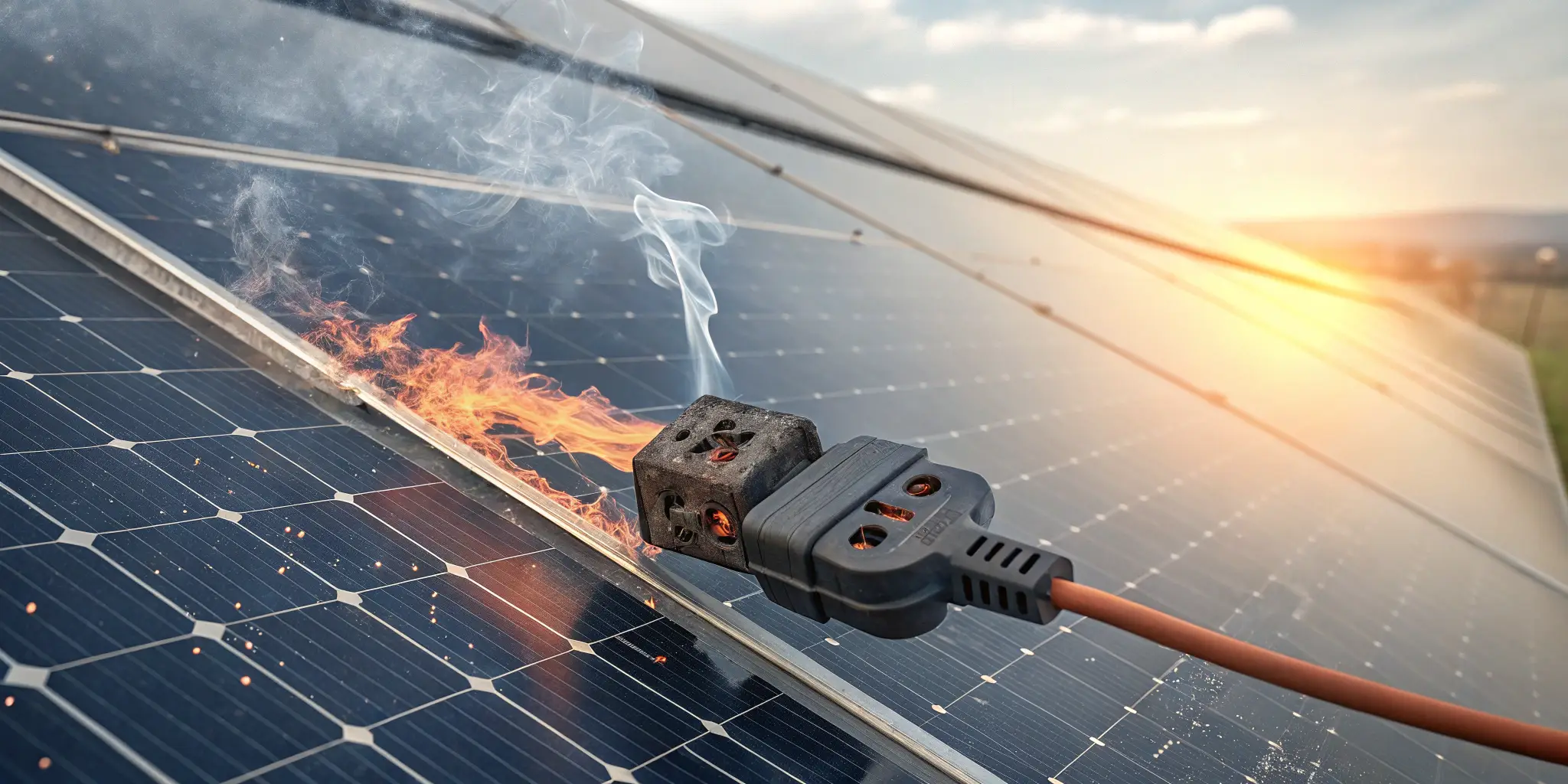
Using non-compliant solar connectors can result in severe consequences, including energy loss, system damage, and safety hazards10.
Substandard connectors increase the risk of overheating11, short circuits, and even fire, compromising both performance and safety.
Risks of Using Unsafe Solar Connectors
| Risk | Consequence |
|---|---|
| Overheating | Can cause system failure and fire hazards |
| High Power Loss | Reduces overall energy efficiency |
| Short Circuits | Leads to electrical failures and costly repairs |
| Weather Damage | Increases the risk of water ingress and corrosion |
| Safety Violations | Can result in legal and financial penalties |
Investing in high-quality, certified connectors is the best way to avoid these risks and ensure a safe, efficient solar system.
Conclusion
Following safety standards for solar connectors ensures system efficiency, durability, and protection against electrical hazards. Using certified connectors and maintaining compliance with international regulations is essential for a secure solar installation.
-
Understanding safety regulations is crucial for ensuring the reliability and safety of solar installations. Explore this link for detailed insights. ↩
-
Learn how IP ratings protect solar connectors from environmental factors, ensuring their longevity and performance in various conditions. ↩
-
Discover the importance of these compliance standards in ensuring the safety and efficiency of solar connectors in photovoltaic systems. ↩
-
Learn about the critical role of lower electrical resistance in maximizing energy yield in solar systems. ↩
-
Discover why weather resistance is vital for the durability and performance of solar connectors. ↩
-
Discover how TÜV Rheinland Certification ensures compliance with safety standards, enhancing the reliability of solar components. ↩
-
Understanding certification labels helps ensure that your solar connectors meet safety and quality standards, protecting your investment. ↩
-
Learning about material quality can guide you in selecting durable connectors that enhance the safety and efficiency of your solar system. ↩
-
Exploring the importance of IP Rating can help you choose connectors that withstand environmental conditions, ensuring long-term reliability. ↩
-
Learning about safety hazards can guide you in choosing compliant connectors, ensuring the safety of your solar installation. ↩
-
Exploring the causes of overheating in solar connectors can help you implement preventive measures to protect your system from damage. ↩
