 Skip to content

Importing Solar Panels from China: Do Low-Wattage Modules Degrade Faster?
Many buyers assume small-power panels are safer, but hidden degradation often appears after installation. That misunderstanding leads to early losses and disappointed customers.
To know if small-power panels are prone to degradation, I focus on materials, test data, usage patterns, and early field performance instead of wattage alone.
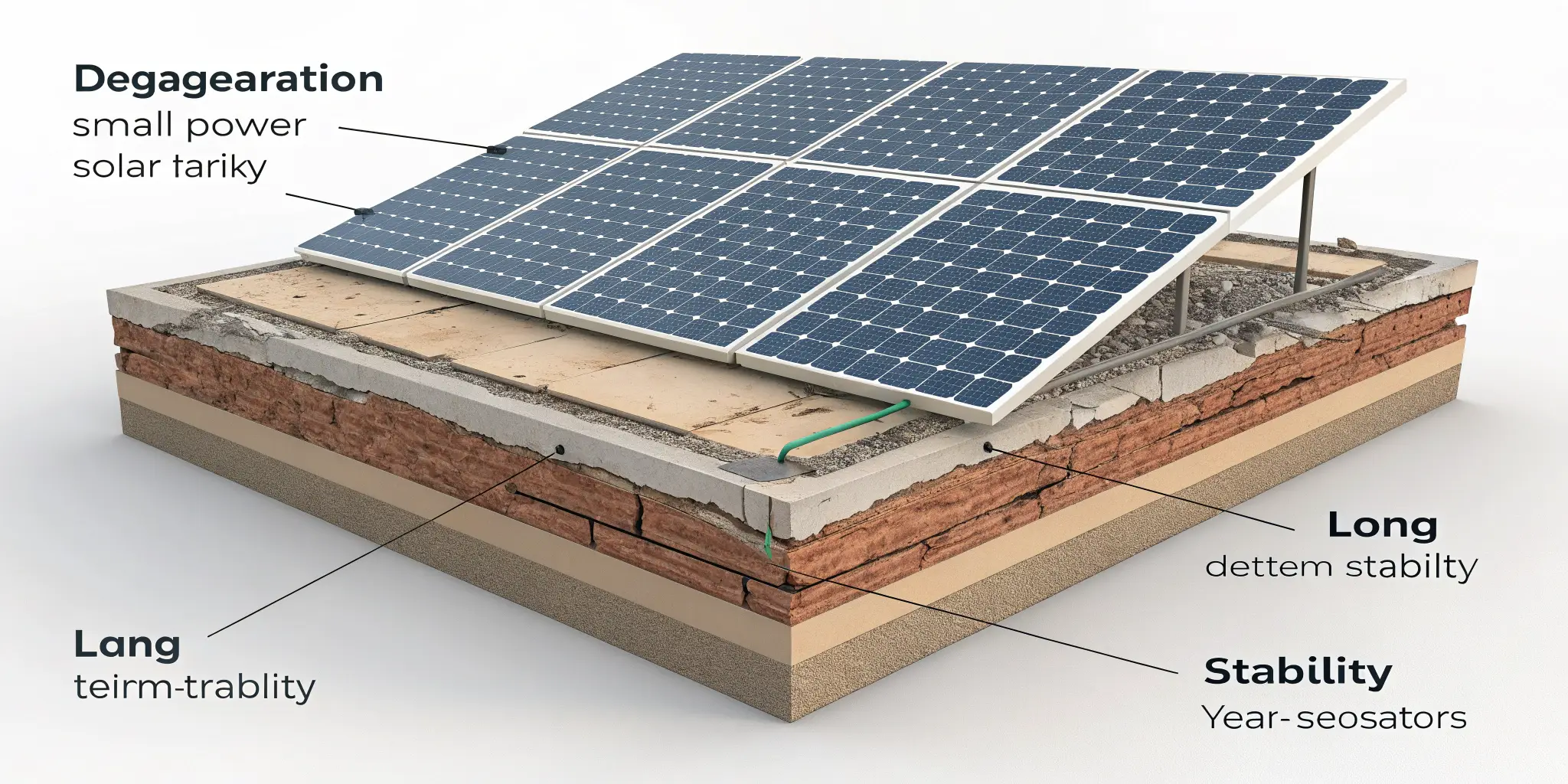
When importing custom solar panels from China, I often see buyers relax their checks once the power is low. This is a mistake. Small-power panels can be stable, but only if they are designed, tested, and used correctly. I always treat them with the same seriousness as high-power modules.
How do I test for performance drop1?
Small-power panels may look simple, but performance drop can hide in the first months if testing is weak. I never rely on factory promises alone.
I test performance drop by combining factory flash data, degradation tests, and early field monitoring under real conditions.
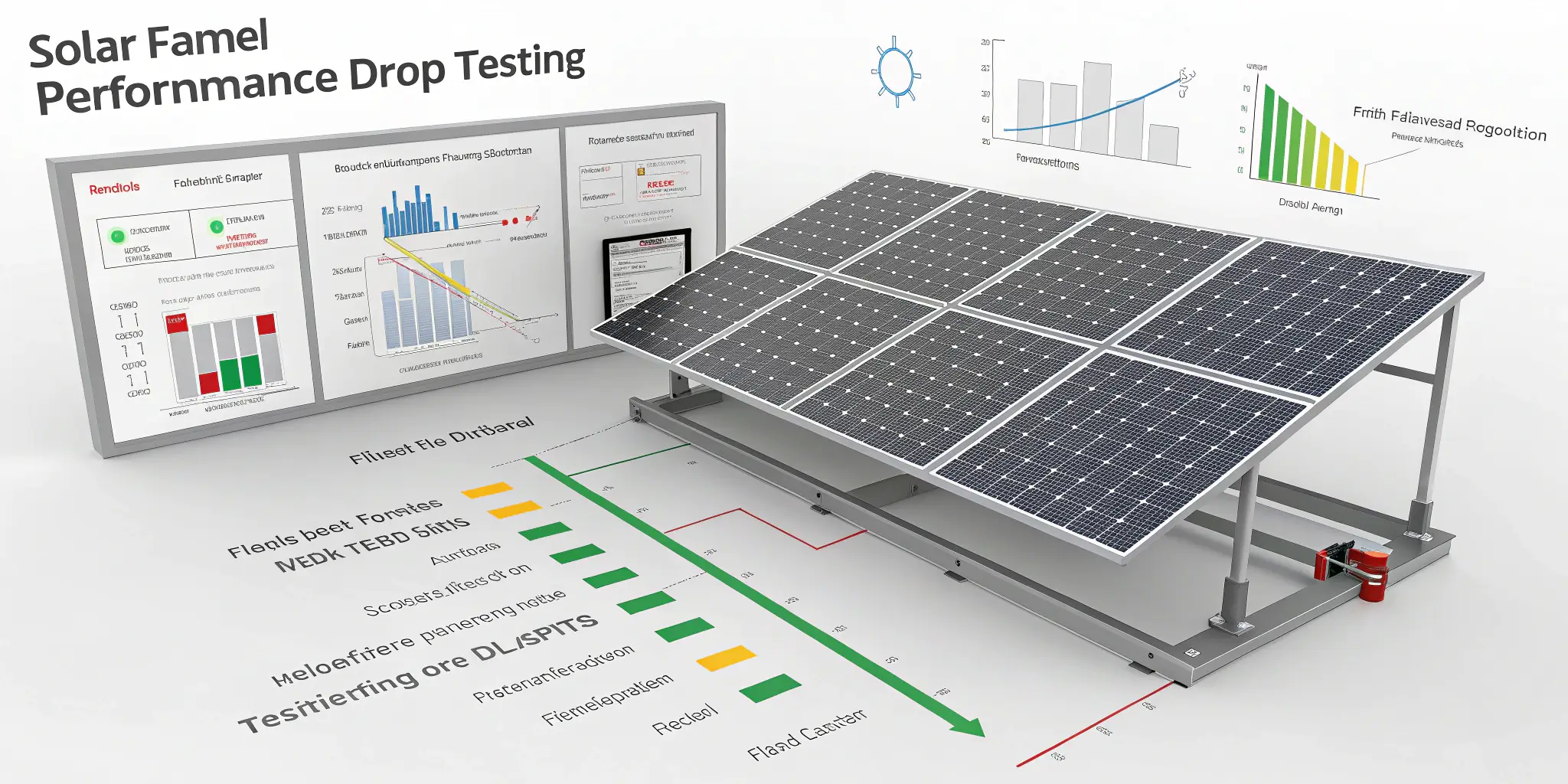
Start with factory test data
Every shipment must include flash test reports. I check more than just Pmax.
I look for:
- Power tolerance format (W or %)
- Current and voltage consistency
- Batch distribution, not single samples
If the spread is wide at day one, degradation risk is higher later.
Focus on first-year losses2
Small-power panels often show higher first-year loss due to LID. I pay close attention to this stage.
| Test item | Why it matters |
|---|---|
| LID test result | Predicts early power drop |
| LETID data | Shows cell treatment quality |
| Thermal cycling | Reveals microcrack risk |
| Damp heat test | Indicates moisture resistance |
Panels that lose 2–5% in the first year usually keep degrading faster.
Field testing matters most
Lab tests are controlled. Reality is not.
I install test samples in real conditions and track output for 6–12 months. Early deviation almost always predicts long-term behavior.
From my experience, this step catches more problems than any certificate.
What materials improve stability?
Power level does not decide stability. Materials do. This is where small-power panels often cut corners.
Stable small-power panels use the same cell, encapsulation, and backsheet materials as higher power modules from the same manufacturer.
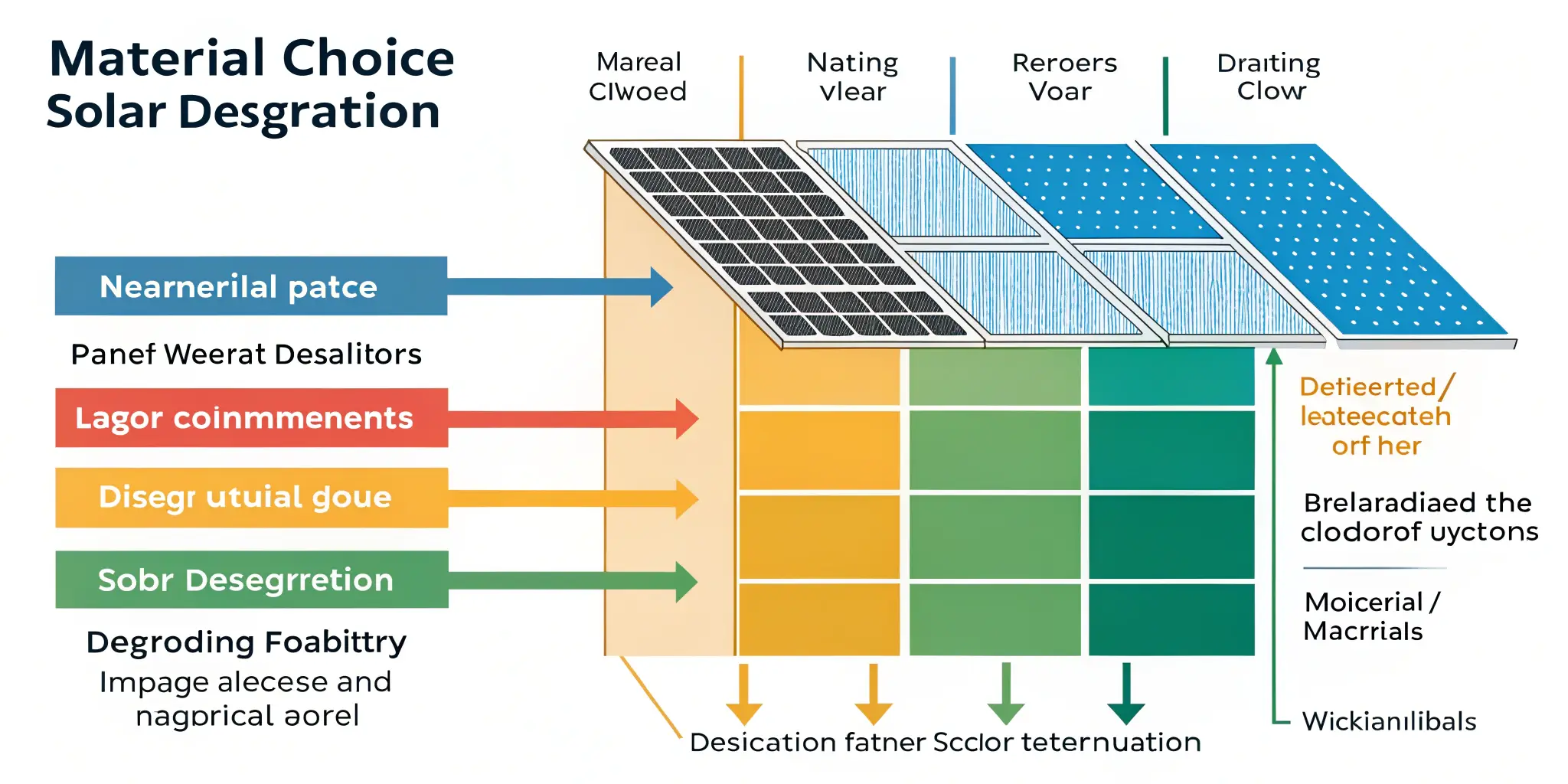
Cell type matters more than wattage
I see clear patterns:
- Monocrystalline cells degrade slower
- Polycrystalline cells degrade faster
- Thin cells crack more easily
Some low-wattage panels still use older poly cells. This increases annual degradation to 0.8–1.2%.
Encapsulation and lamination
Cheap EVA yellows faster. Weak lamination traps moisture.
| Material | Impact on degradation |
|---|---|
| High-grade EVA3 | Slows UV aging |
| POE encapsulation | Improves PID resistance4 |
| Quality backsheet | Blocks moisture |
| Strong frame design | Reduces microcracks |
If a factory downgrades materials for small panels, lifespan shortens quickly.
Junction box and diodes
Small panels often have compact junction boxes. Heat builds up faster.
I always confirm:
- Diode rating margin
- Heat dissipation design
- Solder quality
Many early failures start here, not in the cells.
How does usage pattern affect lifespan?
Even a well-made small-power panel degrades faster if used incorrectly. Usage matters more than many buyers realize.
Usage pattern affects lifespan5 through temperature cycling, shading behavior, and electrical loading, even for small-power panels.
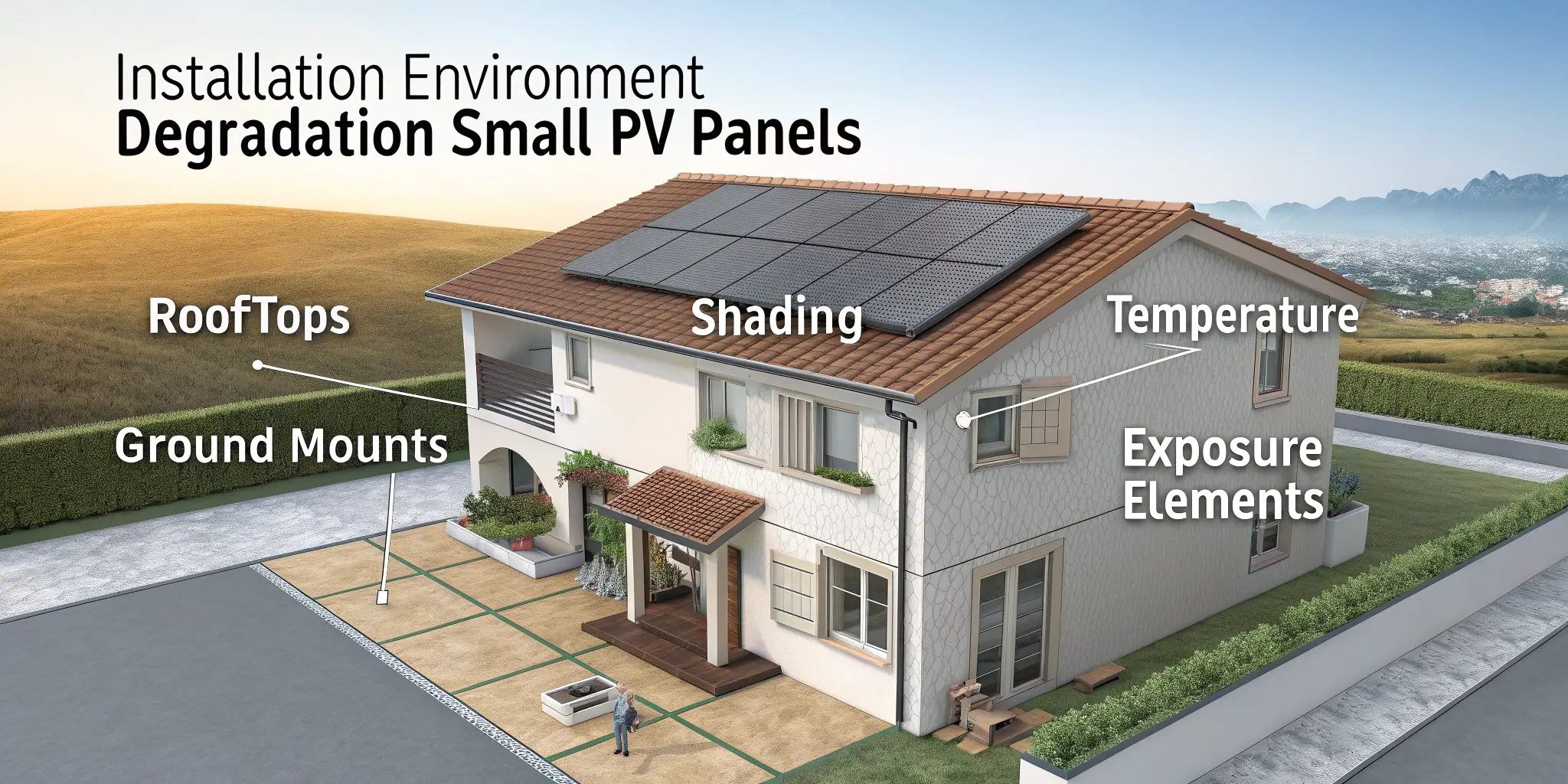
Temperature cycling6 is still a risk
Small panels heat up less, but they still expand and contract daily. Thin cells suffer more during cycling.
Frequent on-off operation increases stress. Off-grid and portable systems see this often.
Shading and hotspot risk
Small panels are often installed in complex environments.
- Partial shading
- Irregular tilt
- Mixed orientations
Their bypass diode layout increases hotspot risk under shade. This accelerates degradation.
Load mismatch
I often see small panels connected without proper matching. This causes reverse current stress.
| Usage factor | Effect |
|---|---|
| Partial shading | Hotspots |
| Poor ventilation | Heat buildup |
| Electrical mismatch | Cell stress |
| Frequent cycling | Microcracks |
Good usage design slows degradation more than power size.
How do I mitigate early losses7?
Early losses decide lifetime output. If I control the first two years, the panel usually lasts.
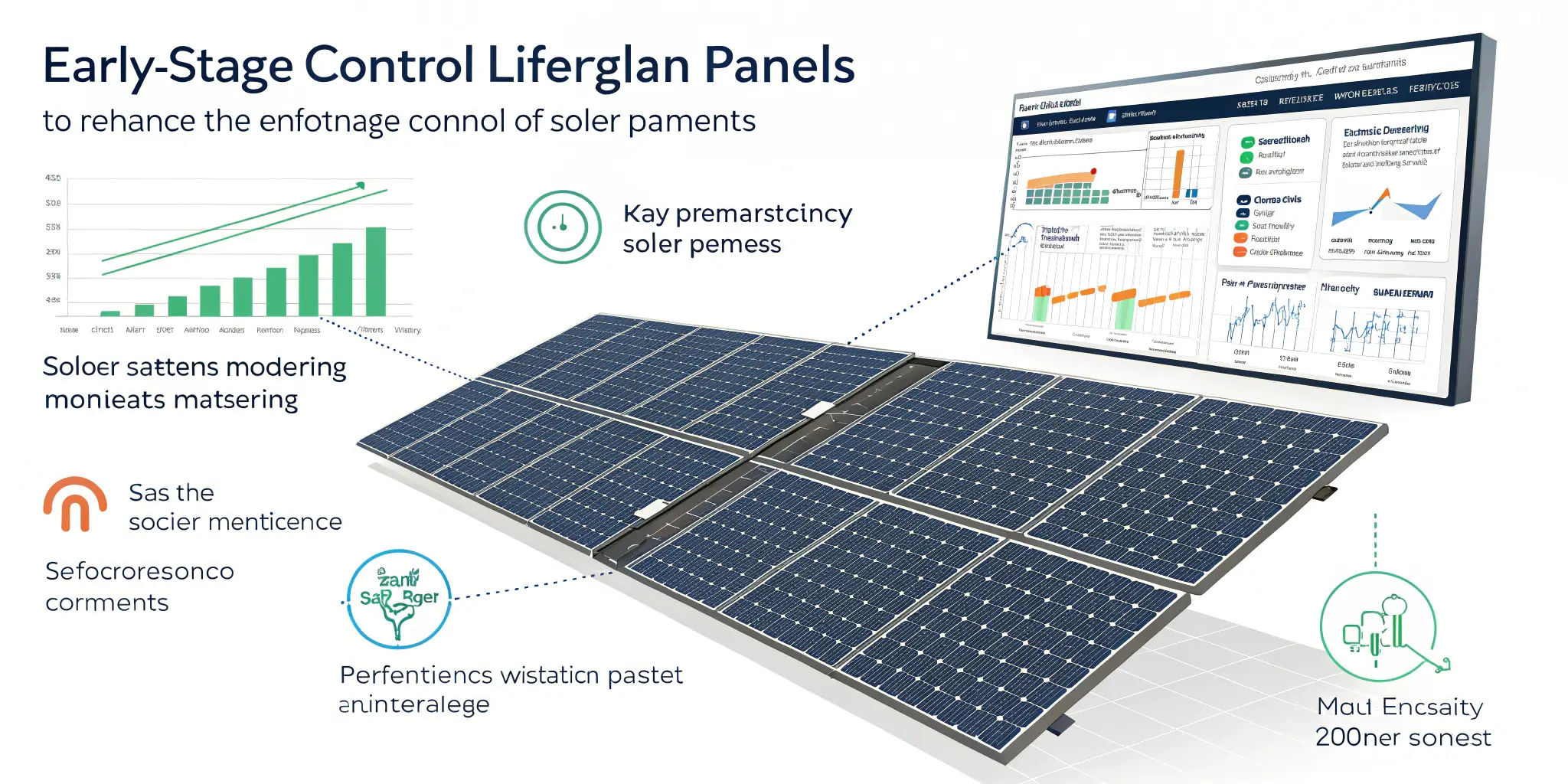
I mitigate early losses by defining stricter specs, improving QC, and monitoring performance8 immediately after installation.
Define tighter specifications
For small-power panels, I never accept vague specs.
I define:
- Positive power tolerance
- LID limit
- Material list in contract
Custom orders allow this if defined early.
Strengthen incoming inspection
I do not rely on supplier QC alone.
| QC step | Purpose |
|---|---|
| Random flash retest | Verify tolerance |
| Visual inspection | Catch cracks |
| EL testing | Detect microcracks |
| Sample aging test | Predict losses |
This reduces surprises.
Monitor early performance
I track output monthly. If deviation appears, I act fast.
Early replacement is cheaper than long-term underperformance.
My rule of thumb
If a small-power panel performs well in the first 12–18 months, it usually stays stable. If it fails early, no warranty can fix the lost energy.
Conclusion
Small-power panels are not automatically safer. Stability depends on materials, testing, usage, and early control, not on wattage alone.
-
Understanding performance drop testing methods can help ensure your solar panels operate efficiently and meet expectations. ↩
-
Exploring first-year losses can provide insights into potential long-term degradation and help in making informed purchasing decisions. ↩
-
Explore how High-grade EVA can significantly enhance the lifespan of solar panels by slowing UV aging. ↩
-
Learn about PID resistance and its crucial role in preventing performance degradation in solar panels. ↩
-
Understanding how usage patterns impact lifespan can help you optimize solar panel performance and longevity. ↩
-
Exploring temperature cycling will provide insights into how thermal stress affects solar panel efficiency and durability. ↩
-
Understanding how to mitigate early losses can significantly enhance the longevity and efficiency of solar panels. ↩
-
Exploring the impact of performance monitoring can provide insights into maintaining optimal solar panel output. ↩
