 Skip to content
What Are the Common Compatibility Issues with Solar Connectors and How to Avoid Them?
Solar connectors play a crucial role in ensuring the safe and efficient operation of photovoltaic (PV) systems. However, compatibility issues can arise due to different connector types, manufacturing standards, and improper installations. Understanding these challenges and selecting the right connectors can prevent power losses, system failures, and safety hazards.
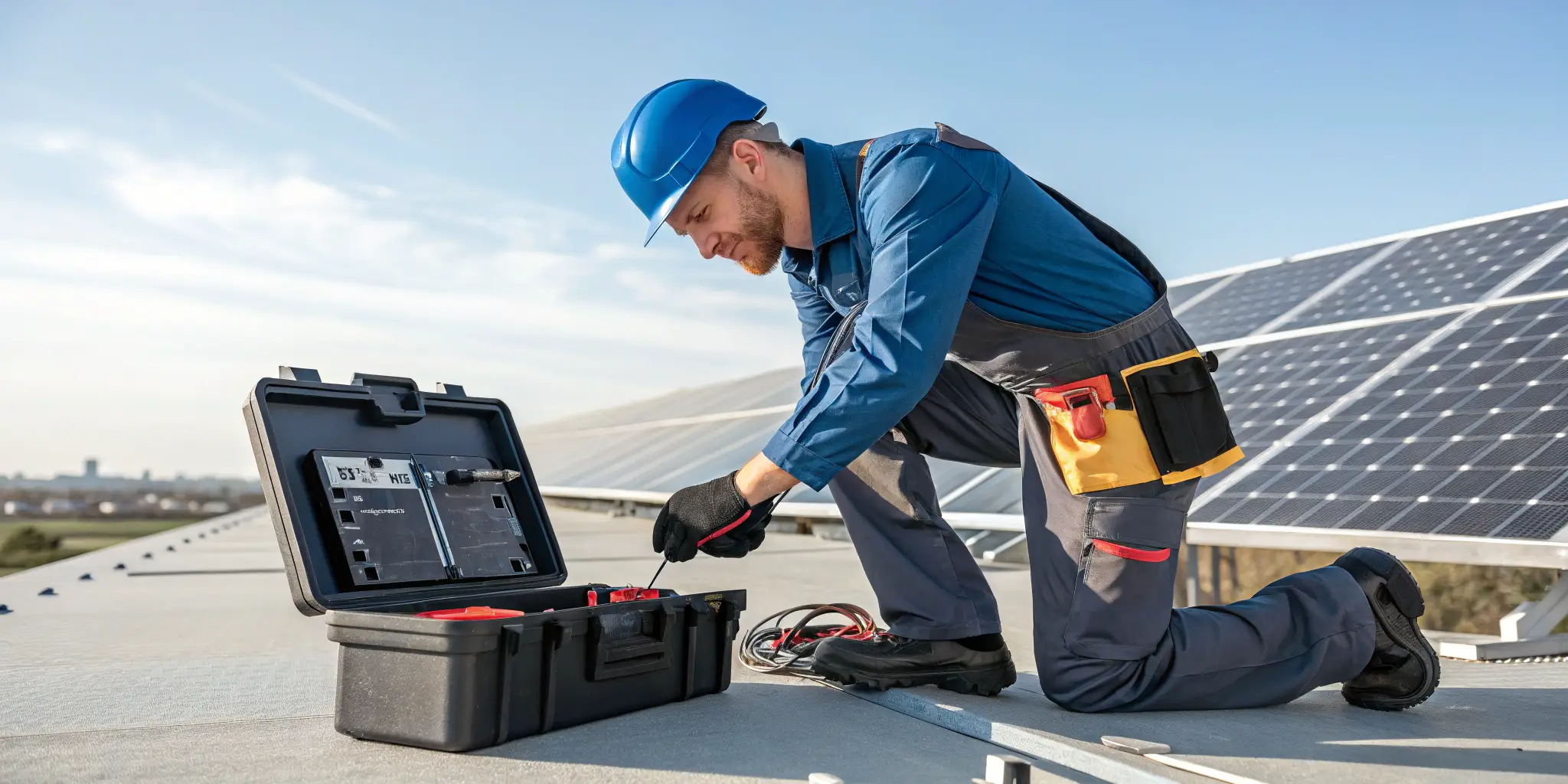
This article will explore the most common compatibility issues with solar connectors and provide practical solutions to avoid them.
What Are the Key Differences Between MC4 and MC3 Solar Connectors?
MC4 and MC3 are two of the most common solar connectors, but they have significant differences in design, performance, and application.
| Feature | MC3 Connector | MC4 Connector |
|---|---|---|
| Locking Mechanism | No locking system, relies on friction | Secure locking mechanism with snap-in safety lock |
| Weather Resistance | Less resistant to moisture and dust | Fully sealed and waterproof (IP67/IP68) |
| Voltage Rating | Up to 600V DC | Up to 1000V or 1500V DC |
| Current Rating | Up to 20A | Up to 69A (depending on the model) |
| Safety Standard Compliance | Not widely used in modern systems | Compliant with international standards (UL, TÜV, IEC) |
Key Takeaways:
- MC4 connectors are the industry standard due to their durability, safety features, and higher voltage/current ratings.
- MC3 connectors are outdated and no longer widely used because they lack secure locking mechanisms and are less weather-resistant.
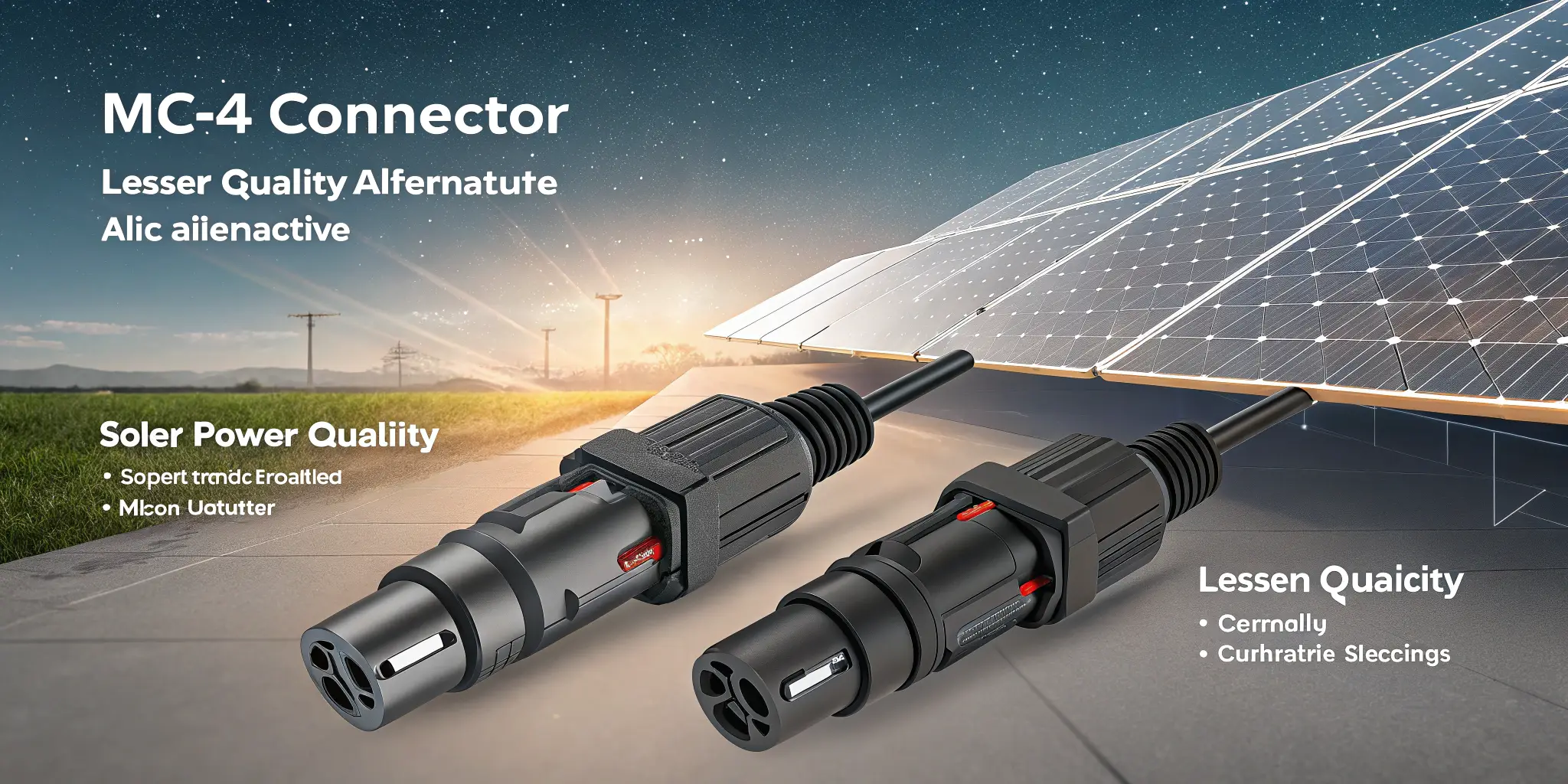
For modern PV installations, MC4 connectors are the preferred choice for better reliability, safety, and compliance with industry standards.
What Are the Most Compatible Solar Connectors for DIY Solar Projects?
DIY solar projects require connectors that are easy to install, widely available, and compatible with various solar panel brands.
Recommended Connectors for DIY Solar Projects:
- MC4 Connectors – Best for standard residential and off-grid solar systems.
- MC4-Compatible Connectors – Third-party connectors that resemble MC4 but may not be fully compatible.
- Anderson Powerpole Connectors – Used for small portable solar applications but not common in fixed PV installations.
- Staubli Original MC4 Connectors – High-quality, certified MC4 connectors for maximum reliability.
Key Considerations for DIY Solar:
- Ensure MC4 connectors are genuine Staubli to avoid low-quality, non-standard versions.
- Avoid mixing different brands of MC4 connectors, as they may not fit perfectly.
- Check polarity markings before connecting to prevent reverse polarity issues.
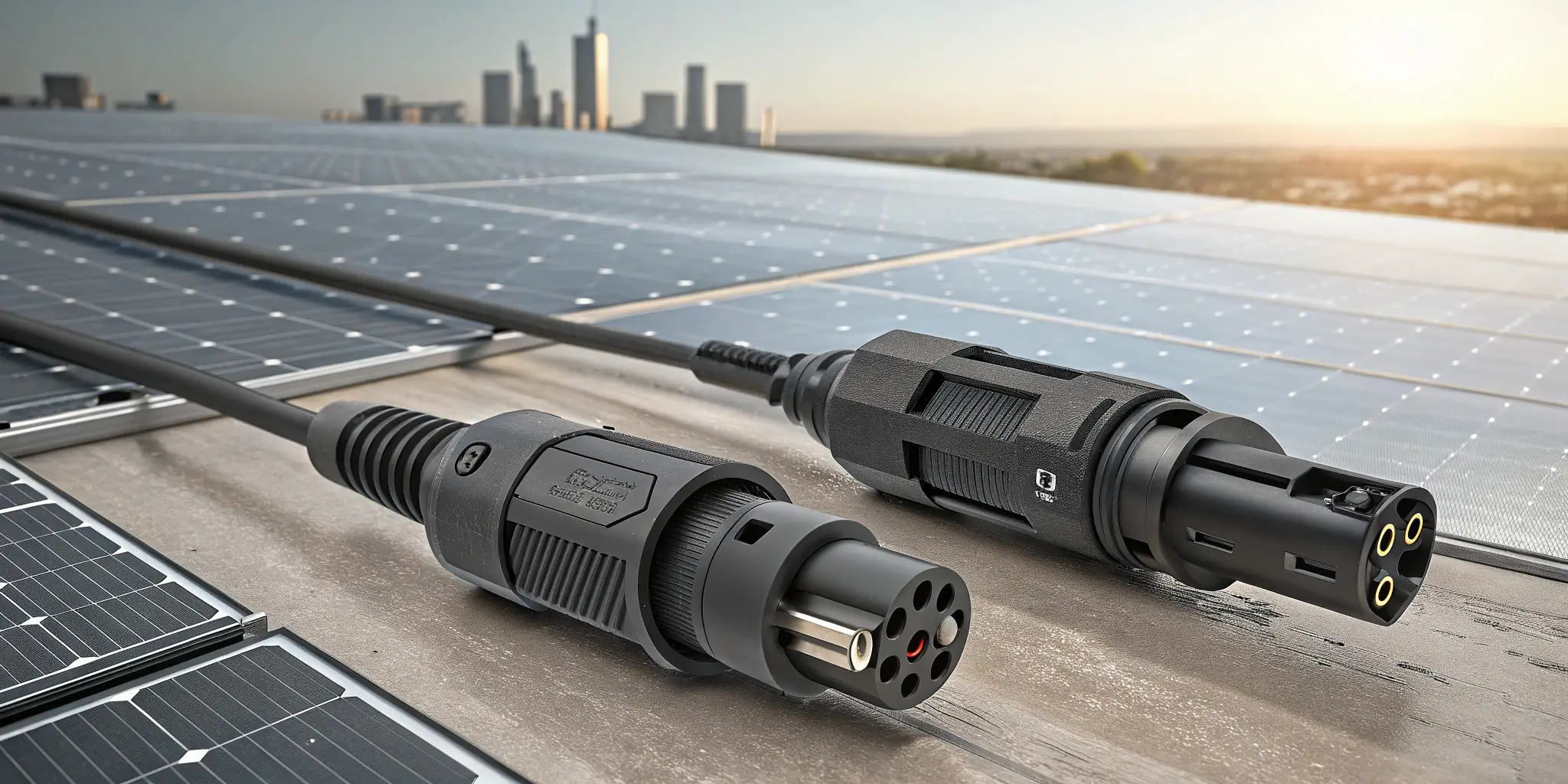
What Standards and Certifications Should You Check for Solar Connector Compatibility?
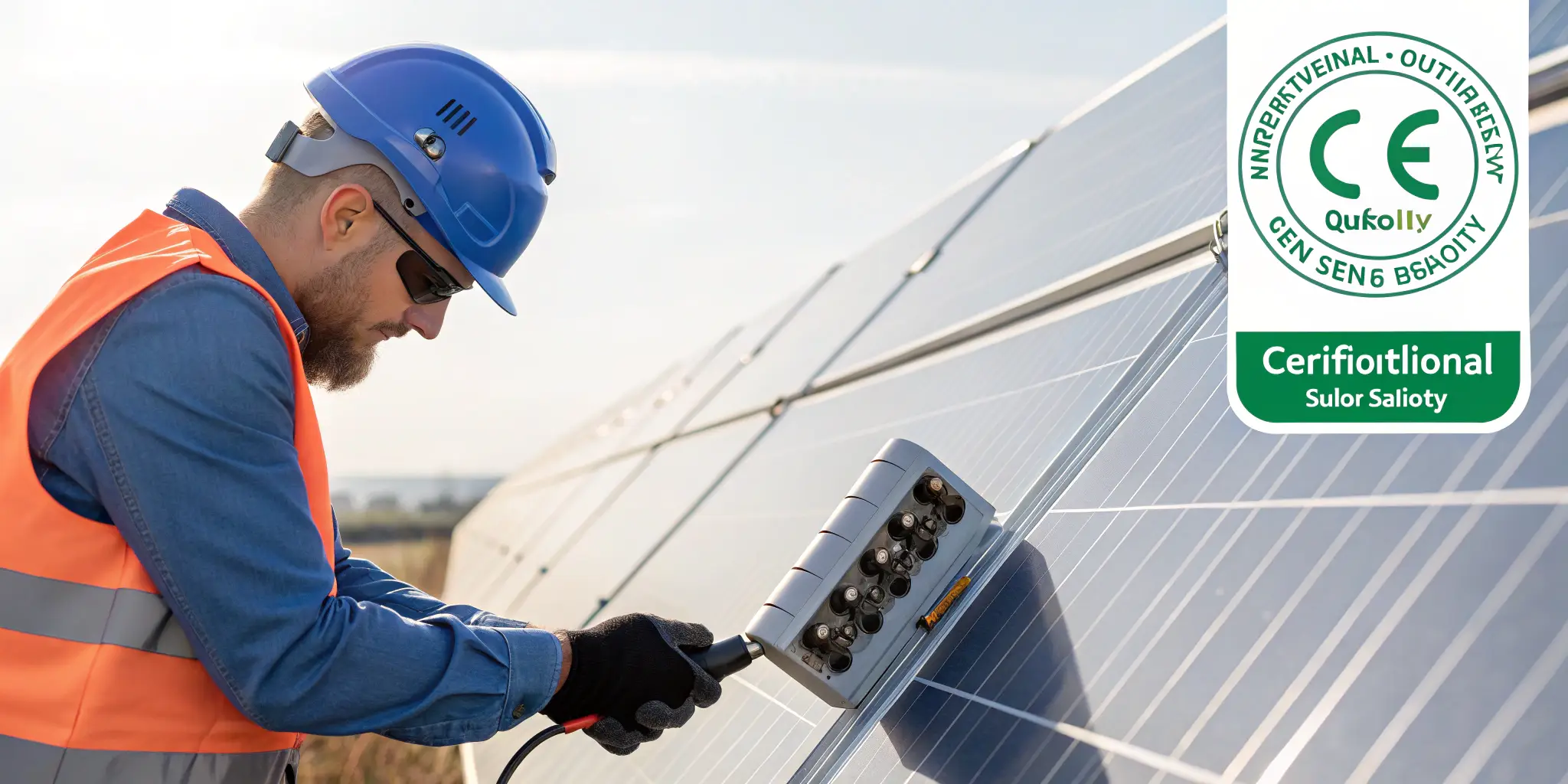
Ensuring solar connectors meet international safety and quality standards is critical for system reliability.
Important Certifications to Check:
- IEC 62852 – International standard for PV connector safety and performance.
- UL 6703 – North American safety standard for photovoltaic connectors.
- TÜV Rheinland Certification – Confirms compliance with European safety regulations.
- IP Ratings (IP67/IP68) – Indicates the level of protection against dust and water ingress.
- Rated Voltage and Current – Ensure the connector matches your system’s electrical requirements.
Why Certification Matters:
- Ensures electrical safety and fire resistance in high-voltage applications.
- Prevents overheating and power loss caused by poor-quality connectors.
- Improves long-term durability in harsh environmental conditions.
Always choose certified connectors from reputable manufacturers to ensure safety and compatibility.
What Are the Risks of Using Mismatched Solar Connectors?
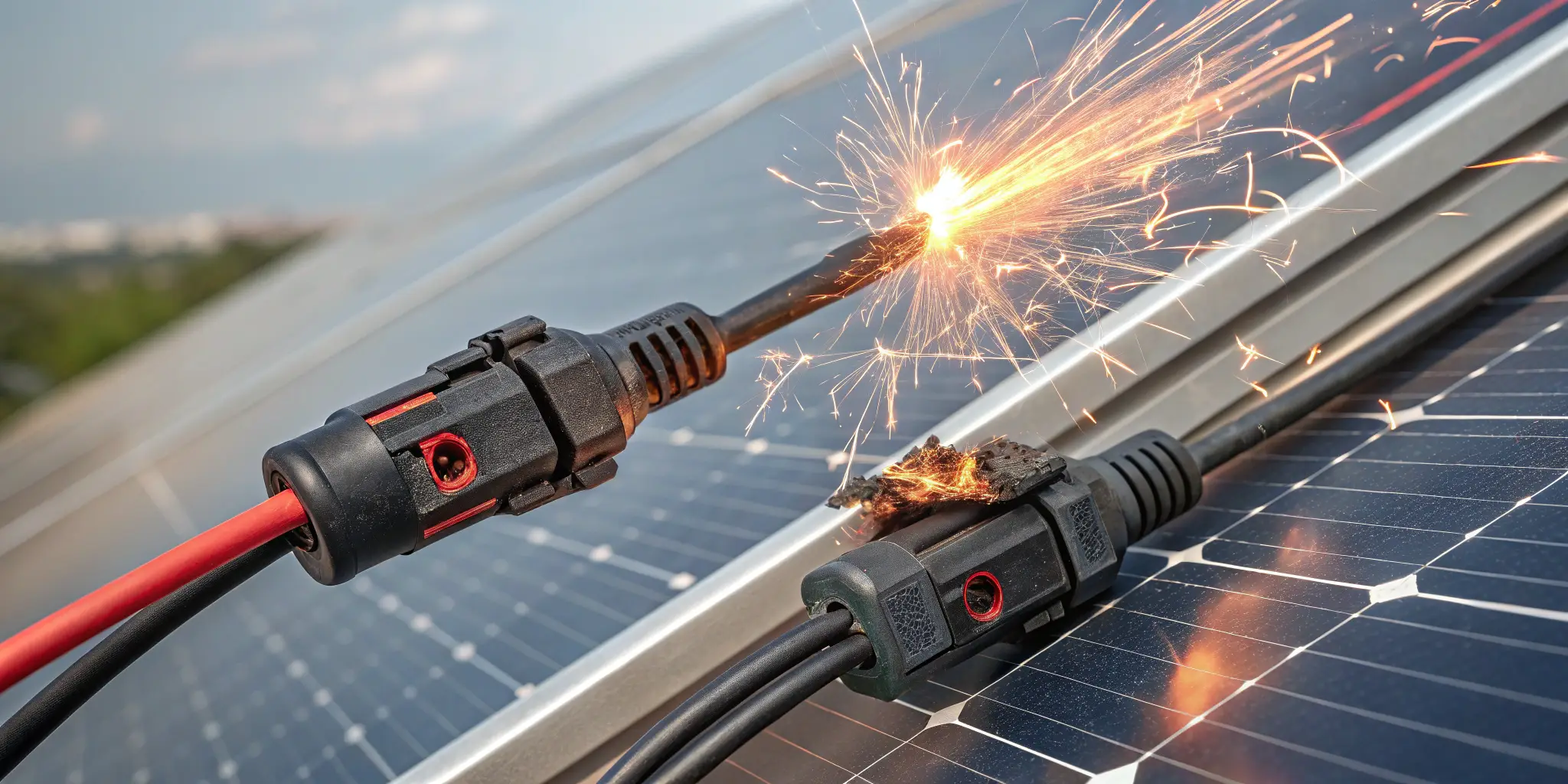
Using incompatible solar connectors can lead to various electrical and mechanical issues, impacting system efficiency and safety.
Common Risks of Mismatched Connectors:
- Poor Electrical Contact – Inconsistent connections can cause high resistance and power loss.
- Overheating and Fire Hazard – Loose or non-compatible connectors may generate excess heat, leading to fire risks.
- Water and Dust Ingress – Mismatched connectors may not seal properly, increasing the risk of moisture damage and corrosion.
- Warranty Voids – Some solar panel manufacturers require specific connectors for warranty validation.
- Safety Violations – Using non-compliant connectors may result in failed inspections and legal issues.
How to Avoid These Risks:
- Always use MC4 connectors from the same brand and ensure compatibility.
- Check technical specifications to match voltage and current ratings.
- Test connections before installation to verify proper fitting and sealing.
How Do You Choose the Right Solar Connectors for Your System?
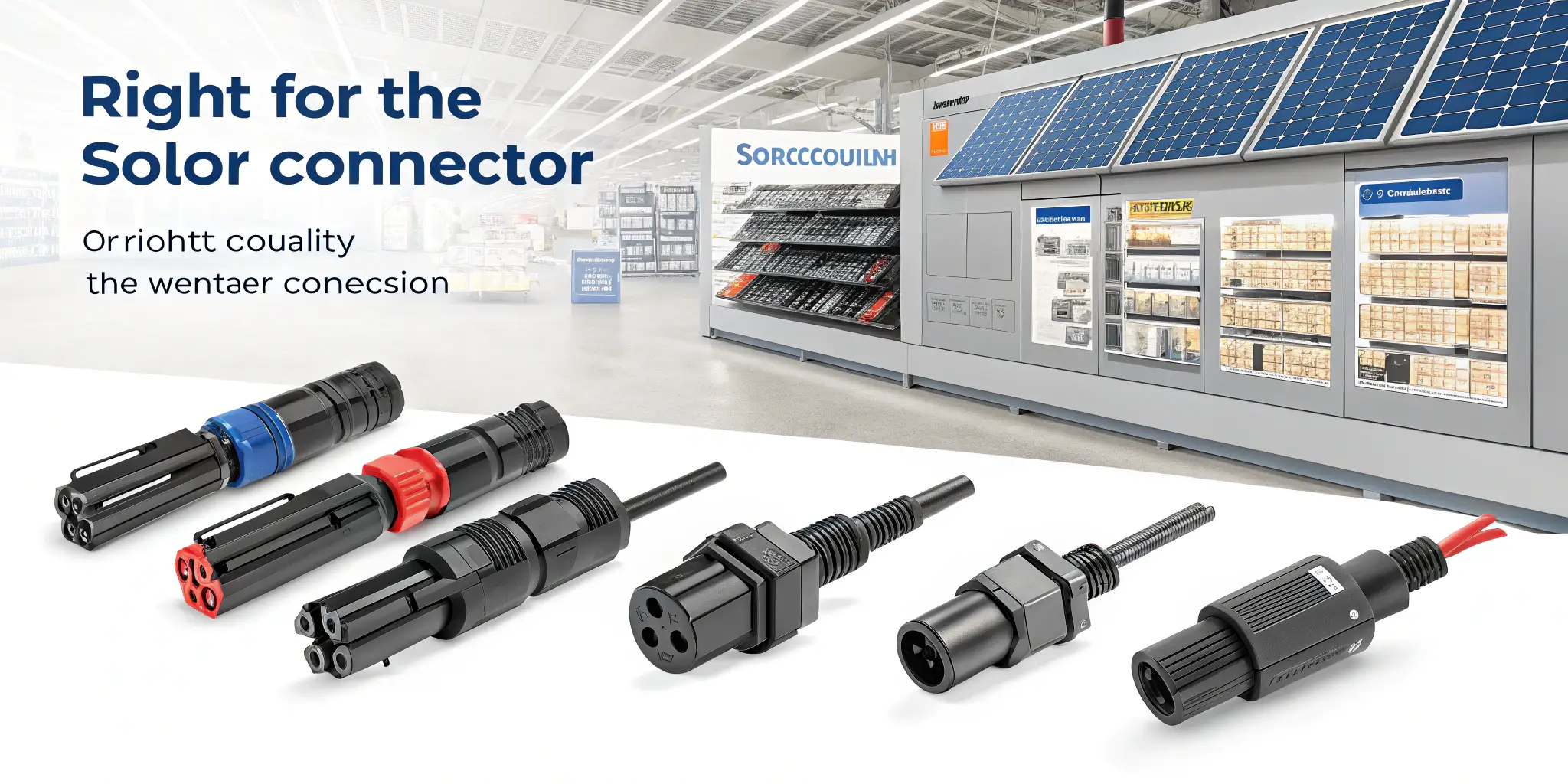
Selecting the right solar connectors depends on system requirements, environmental conditions, and safety considerations.
Key Factors to Consider:
- Voltage and Current Rating – Ensure connectors match your system’s electrical specifications.
- Material Quality – Look for UV-resistant and weatherproof materials.
- Locking Mechanism – Secure locking prevents accidental disconnections.
- Compatibility with Solar Panels – Check manufacturer recommendations for connector type.
- IP Rating for Outdoor Use – Choose IP67 or IP68-rated connectors for waterproof protection.
Recommended Connectors for Different Applications:
| Application | Recommended Connector |
|---|---|
| Residential Rooftop | MC4 (Staubli Original) |
| Commercial & Utility-Scale | MC4-Evo2 |
| Off-Grid & DIY Solar | Standard MC4 or Anderson Powerpole (for low-voltage) |
| Energy Storage Systems | MC4-Evo stor |
Choosing the right connector ensures maximum efficiency, reliability, and safety for your solar installation.
Conclusion
Solar connector compatibility is crucial for a safe and efficient PV system. By understanding the differences between connector types, checking certifications, and avoiding mismatched components, you can ensure a reliable solar power system.
Key Takeaways:
✔ Always use certified MC4 connectors from trusted manufacturers.
✔ Avoid mixing different brands of MC4 connectors to prevent fitment issues.
✔ Check electrical ratings to match system voltage and current requirements.
✔ Follow industry standards (IEC, UL, TÜV) for safe installations.
✔ Regularly inspect connectors for signs of wear, corrosion, or loose connections.
For high-quality solar connectors and expert advice, visit www.rayenrg.com today.
