 Skip to content
How can I import custom solar panels from China and know how frame design affects outdoor reliability?
Bad frame design ruins good solar panels. I see cracked glass, rusted frames, and angry clients. I want panels that survive real weather.
I control outdoor reliability by locking frame material, coating, structure, and testing rules before I confirm any custom solar panel order from China.

I have learned this the hard way. Many buyers only check power and price. I always check the frame first. The frame decides how long a panel lives in rain, heat, wind, and salt.
How do I prevent corrosion or cracking?
Corrosion and cracks destroy panels before cells fail. I see this in coastal farms and hot rooftops all the time.
I prevent corrosion and cracking by choosing the right aluminum alloy1, thicker frame profiles, and reinforced corners that match the glass and local climate.
Why frame material matters
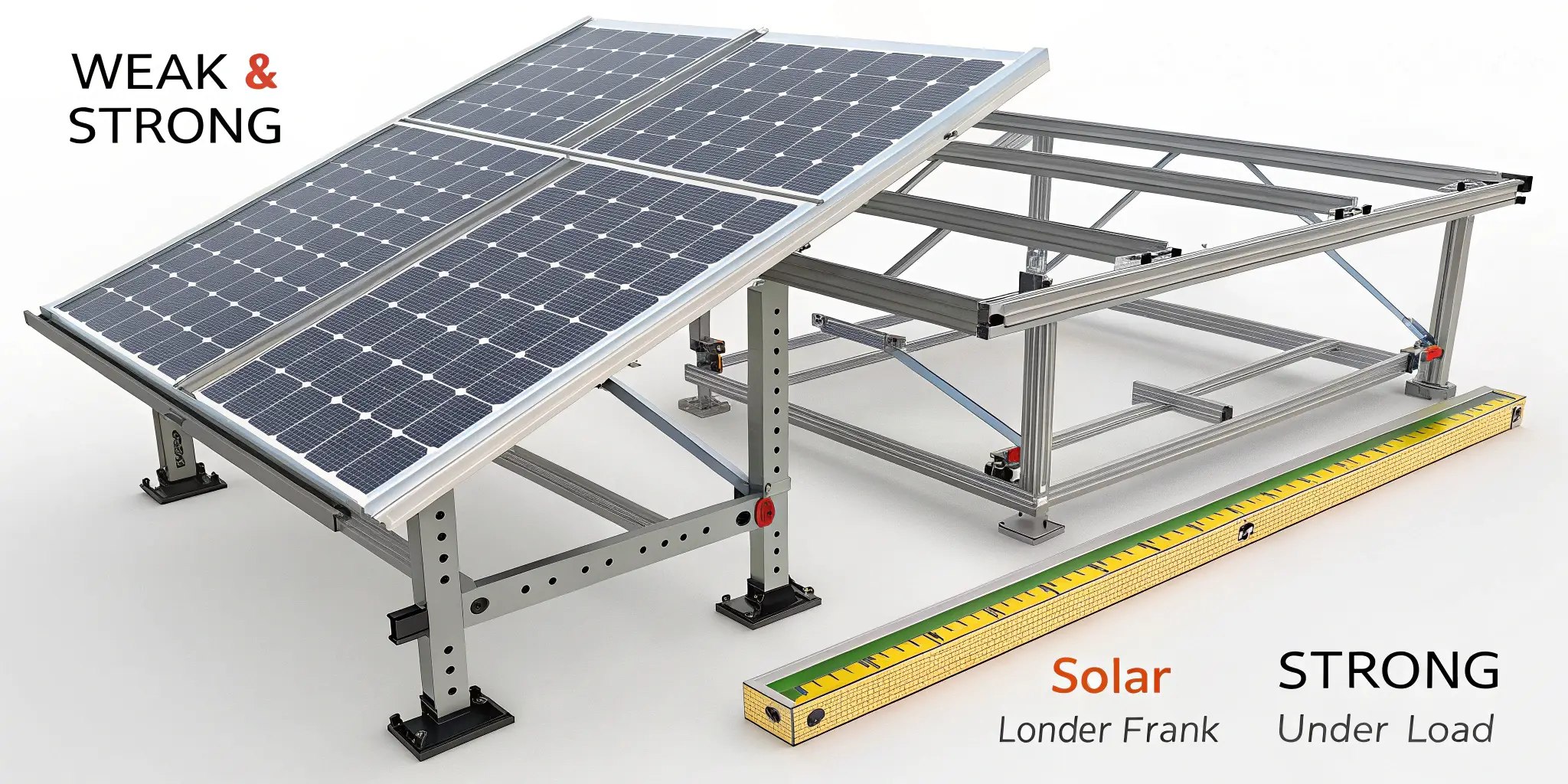
Most solar frames come from aluminum. But not all aluminum is the same. Some factories use low-grade alloy to cut cost. That metal reacts faster with salt, water, and air. Over time, it turns white, then soft, then weak. I never accept unknown aluminum grades for outdoor projects.
I always ask for the alloy code. 6063-T5 or 6063-T6 is my normal choice. It has stable structure. It resists corrosion. It also keeps its shape under load. If a supplier cannot confirm alloy type, I stop.
How cracking starts in frames
Cracking usually starts at corners and screw points. That is where stress stays. Wind pushes the panel. Heat makes the frame expand. Cold makes it shrink. If the corner is sharp or thin, micro cracks appear. These cracks grow when the panel moves during transport or storms.
I always use rounded or reinforced corners. They spread stress. They protect the glass edge. They also stop water from entering small gaps.
Frame thickness and real strength
Thicker frames do not only look stronger. They really are. A 30mm frame bends much easier than a 40mm or 50mm frame. For utility or coastal projects, I often use 40–50mm.
Here is how I choose:
| Frame thickness | Use case | Risk level |
|---|---|---|
| 30mm | small rooftop | high |
| 35mm | standard rooftop | medium |
| 40mm | commercial roofs | low |
| 45–50mm | utility and coastal | very low |
Thicker frames cost more and weigh more. But broken panels cost far more.
Matching frame and glass
Glass and aluminum expand at different rates. If the frame is too tight, the glass cracks when heat rises. If the frame is too loose, water enters and causes delamination.
I always ask for edge clearance data. I also ask for thermal cycling test reports2. When frame and glass expand together, the panel stays flat and sealed for years.
What coatings improve longevity?
Bare aluminum does not last long outdoors. Coating is not decoration. It is protection.
I choose anodized3 or high-quality powder-coated4 frames because they block moisture, salt, and UV that slowly eat the metal.
Anodized vs powder coating
Both are common. But they are not equal in harsh climates.
| Coating | Protection level | Best use |
|---|---|---|
| Anodized | very high | coastal, tropical |
| Powder coated | medium | dry, inland |
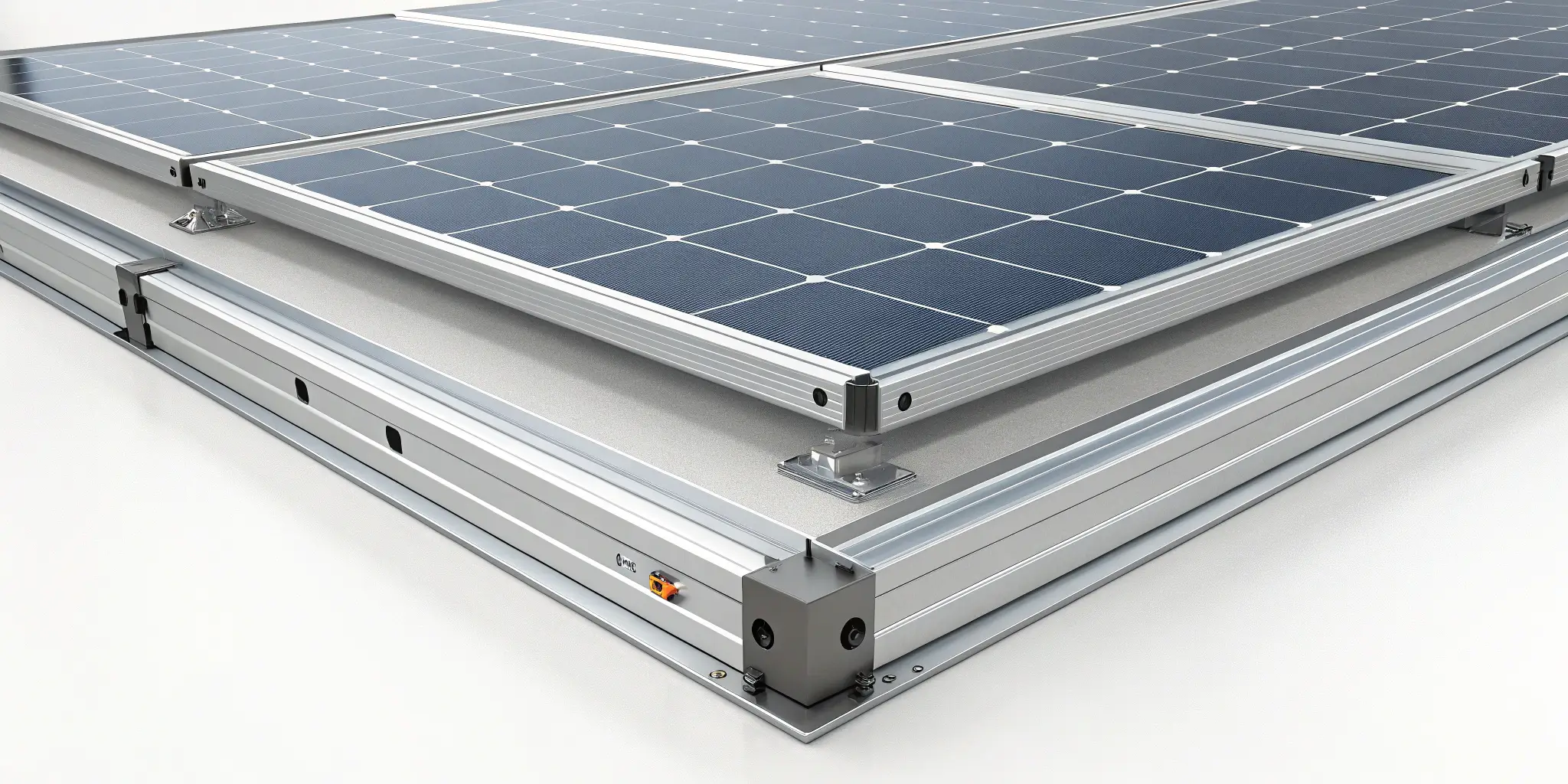
Anodized aluminum grows a hard oxide layer. It becomes part of the metal. Salt and UV cannot pass through easily. Powder coating is like paint. It can chip. When it chips, corrosion starts.
For islands, ports, or farms near the sea, I only use anodized frames.
Coating thickness matters
Factories love to claim “anodized.” I always ask how thick. 10 microns is weak. 15–20 microns is strong. More than 20 microns is ideal.
For powder coating, I look for at least 60–80 microns. Anything less fades and cracks faster.
Coating and cleaning
Smooth coated frames collect less dirt. Less dirt means less moisture. That means less corrosion and less PID risk. I also like matte or anti-reflective finishes because birds sit less on them. Less bird waste means less acid damage.
Drainage and coating
Even the best coating fails if water stays trapped. I always require drainage holes inside the frame channel. Water must flow out. If it freezes, it breaks coating and metal.
I always ask for frame drawings. If I do not see drainage, I reject the design.
How do I test for extreme weather?
Paper specs do not protect panels. Only tests do.
I rely on wind load, snow load, thermal cycling5, and humidity tests to prove the frame can survive heat, storms, and years of stress.
Mechanical load testing
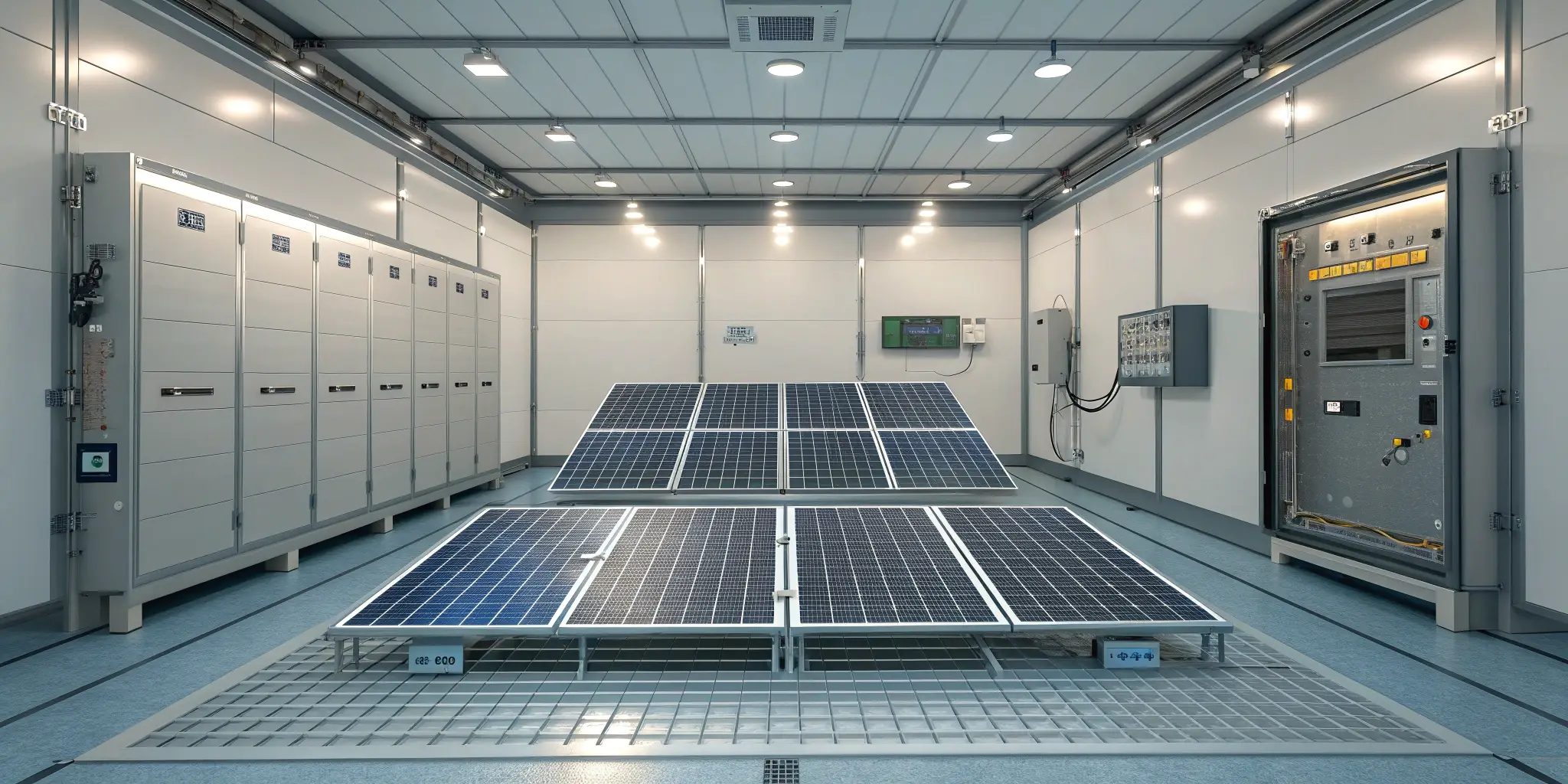
Wind and snow push frames. Weak frames bend. Bent frames crack glass.
I require at least:
- 2400Pa front load
- 5400Pa back load
For typhoon or snow zones, I ask for more.
Thermal cycling
Frames and glass expand and shrink. If they fight each other, seals break.
Thermal cycling means:
- Heat to 85°C
- Cool to -40°C
- Repeat many times
After this test, I look for:
- No corner cracks
- No seal gaps
- No glass movement
Humidity and salt mist
Humidity finds every small hole. Salt eats every weak coating.
For coastal orders, I always ask for:
- Damp heat test
- Salt mist test
If the junction box and frame joint fails, water enters. Then corrosion and PID start.
Transport simulation
Many cracks start before panels reach site. Vibration and stacking cause stress.
I ask for:
- Drop tests
- Vibration tests
- Packed pallet tests
If frames survive transport, they survive real projects.
What mistakes shorten panel life?
Most failures are not accidents. They are bad choices.
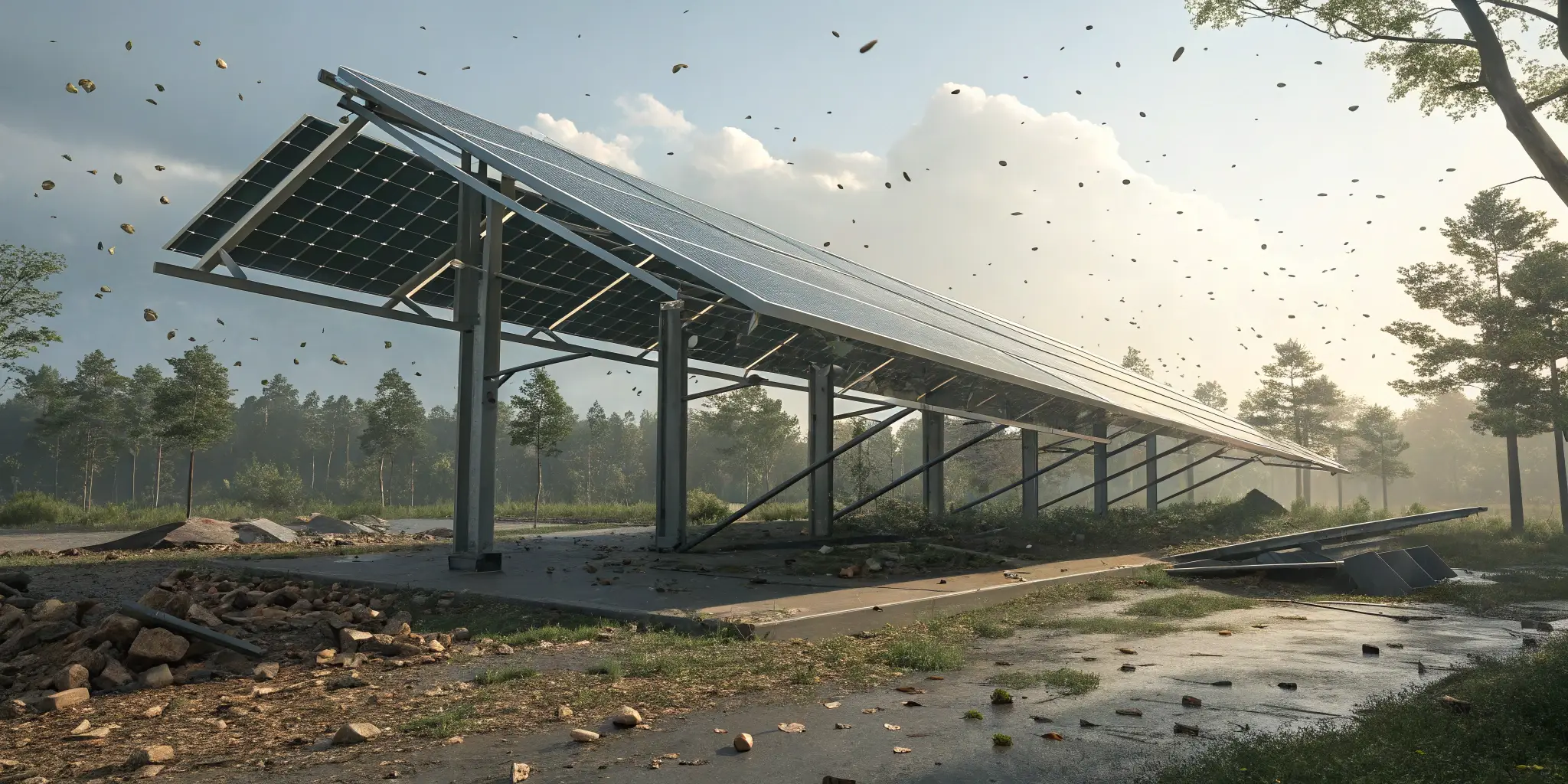
I see short panel life when buyers ignore frame alloy6, choose thin profiles, skip coating quality7, and skip testing to save money.
Buying on price only
Cheap frames mean cheap aluminum and thin walls. They bend. They rust. They crack.
I always calculate cost per year, not cost per watt.
Using indoor frame designs outdoors
Some frames work fine inside buildings or small systems. They fail outside. Rain, UV, wind, and salt need outdoor-grade profiles.
Ignoring corner and drainage design
Sharp corners and closed channels trap water. Trapped water kills frames. I always check CAD drawings.
Mixing frame and mounting system
Wide frames need strong rails. Thin rails bend wide frames. I always match frame profile with racking.
| Frame width | Rack strength |
|---|---|
| 30–35mm | light |
| 40–45mm | medium |
| 50mm | heavy |
Skipping factory discussion
Many problems come from silence. I always talk to the factory about climate, wind, and roof type before I place any order. That single step prevents most failures.
Conclusion
Strong frames keep panels alive. I protect my projects by choosing the right metal, coating, design, and tests before any panel leaves China.
-
Understanding the right aluminum alloy can significantly enhance the durability and longevity of solar panels. ↩
-
These reports provide insights into how well solar panels can withstand temperature changes, ensuring reliability. ↩
-
Explore the advantages of anodized aluminum, especially its durability and resistance to harsh environmental conditions. ↩
-
Learn about the differences between powder-coated and anodized aluminum to make informed choices for outdoor applications. ↩
-
Understanding thermal cycling is crucial for ensuring solar panels can withstand extreme temperature changes, enhancing their durability. ↩
-
Understanding frame alloy can help you choose panels that last longer and perform better in harsh conditions. ↩
-
Exploring coating quality will reveal how it protects panels from environmental damage, ensuring a longer lifespan. ↩
