 Skip to content

How can I import custom solar panels from China and customize working voltage?
Many buyers focus on wattage when importing custom solar panels, but later discover the panel voltage does not match their controller or inverter. This leads to overvoltage alarms, charging failure, or even damaged equipment.
When I customize working voltage for solar panels from China, I start from system requirements, cell string design, and safety standards—not from power alone.
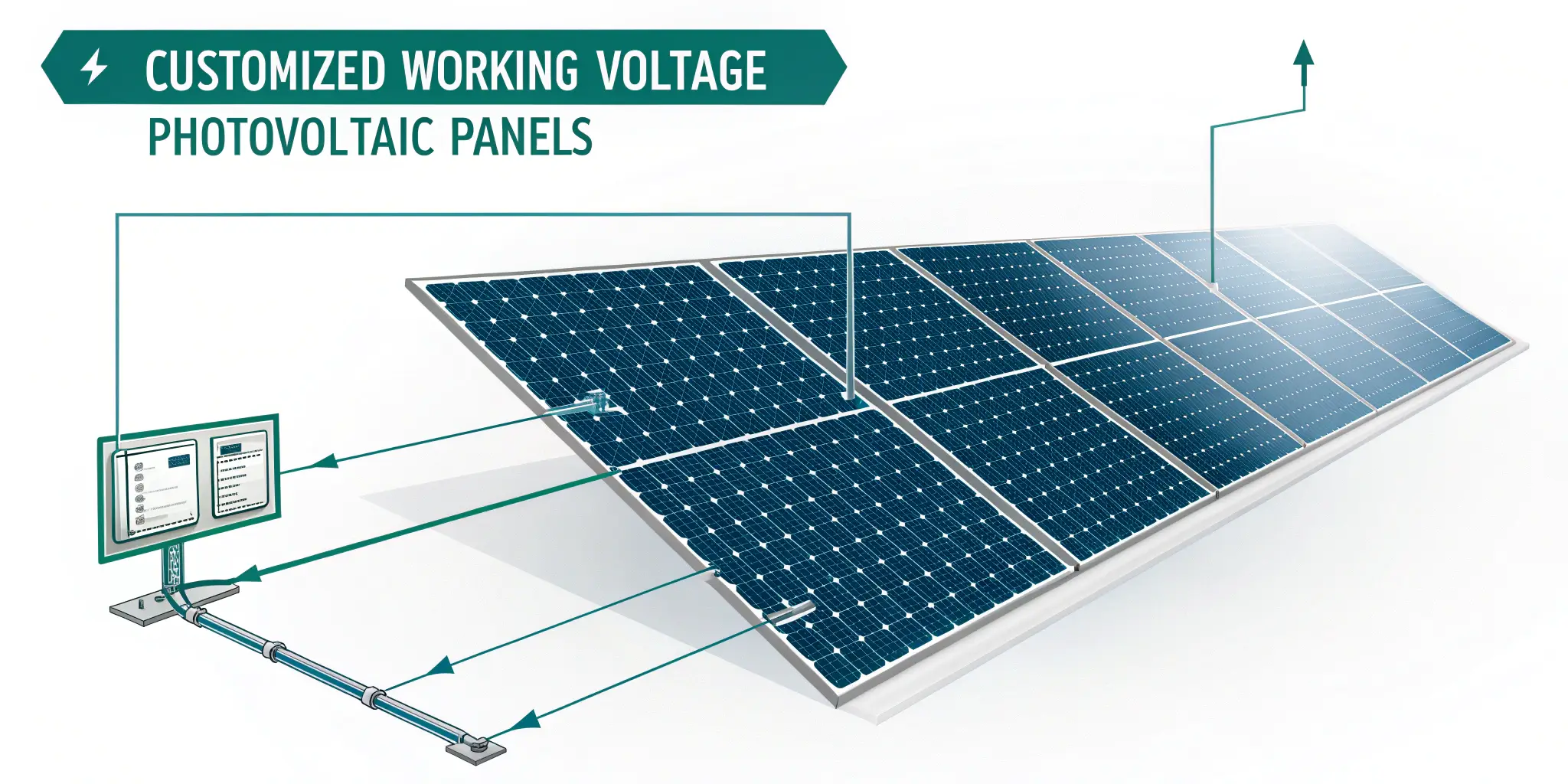
Working voltage is one of the most flexible parameters in custom solar panels, but it is also one of the easiest to get wrong. In this article, I explain how I define, customize, verify, and protect working voltage when importing custom solar panels from China.
Can voltage be adjusted for specific controllers?
Yes. Working voltage can be customized, but only in a structured and controlled way.
I adjust working voltage1 by changing the number of cells connected in series and the internal string layout, not by changing the cell itself.
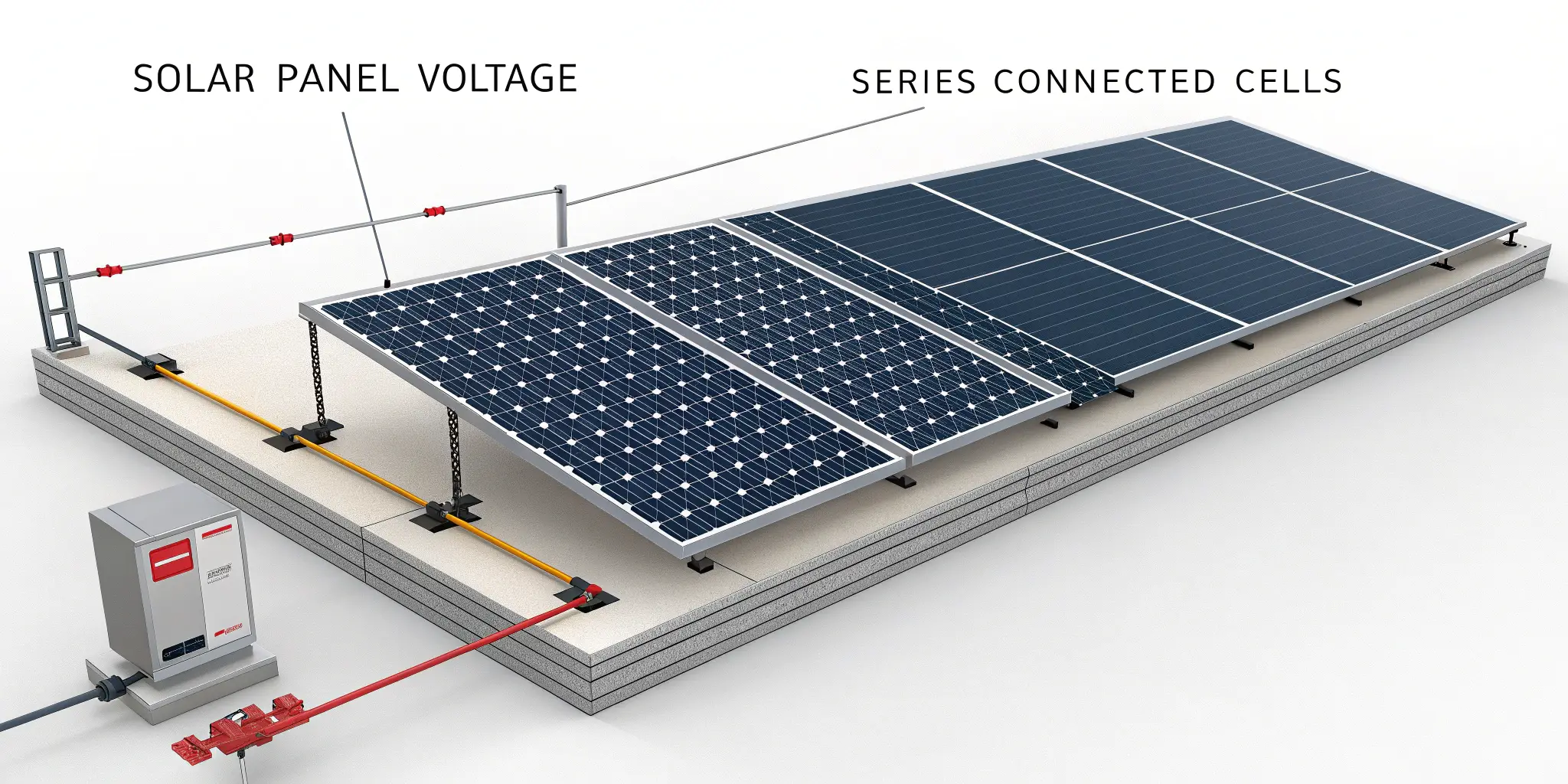
How voltage is actually created
Each silicon solar cell produces about 0.5–0.6 V under open-circuit conditions. Manufacturers reach a target voltage by connecting cells in series.
For example:
- 36 cells → ~18–20 V Vmp
- 60 cells → ~30–32 V Vmp
- 72 cells → ~36–38 V Vmp
When I need a custom voltage, I define the exact Vmp and Voc, then work backward to the cell count.
Matching controllers and inverters
Different systems expect different voltage ranges.
| System type | Typical panel Vmp |
|---|---|
| 12V battery system | 18–22 V |
| 24V battery system | 36–44 V |
| 48V battery system | 72–90 V |
| Grid-tied inverter | Defined by MPPT window |
I never say “12V panel” to a factory. I always specify:
- Target Vmp
- Maximum Voc
- Controller or inverter model
This avoids assumptions and redesign later.
MPPT gives more flexibility
MPPT controllers2 allow higher panel voltage than battery voltage. This is useful when customizing.
For example:
- 48V battery system
- MPPT input range: 60–150 V
I can design a higher-voltage panel string to reduce current and cable losses while staying inside controller limits.
How do I prevent overvoltage or undervoltage issues?
Voltage problems usually do not appear at the factory. They appear on cold mornings or hot rooftops.
I prevent voltage issues by checking temperature-adjusted Voc, voltage tolerance, and system margins before production.
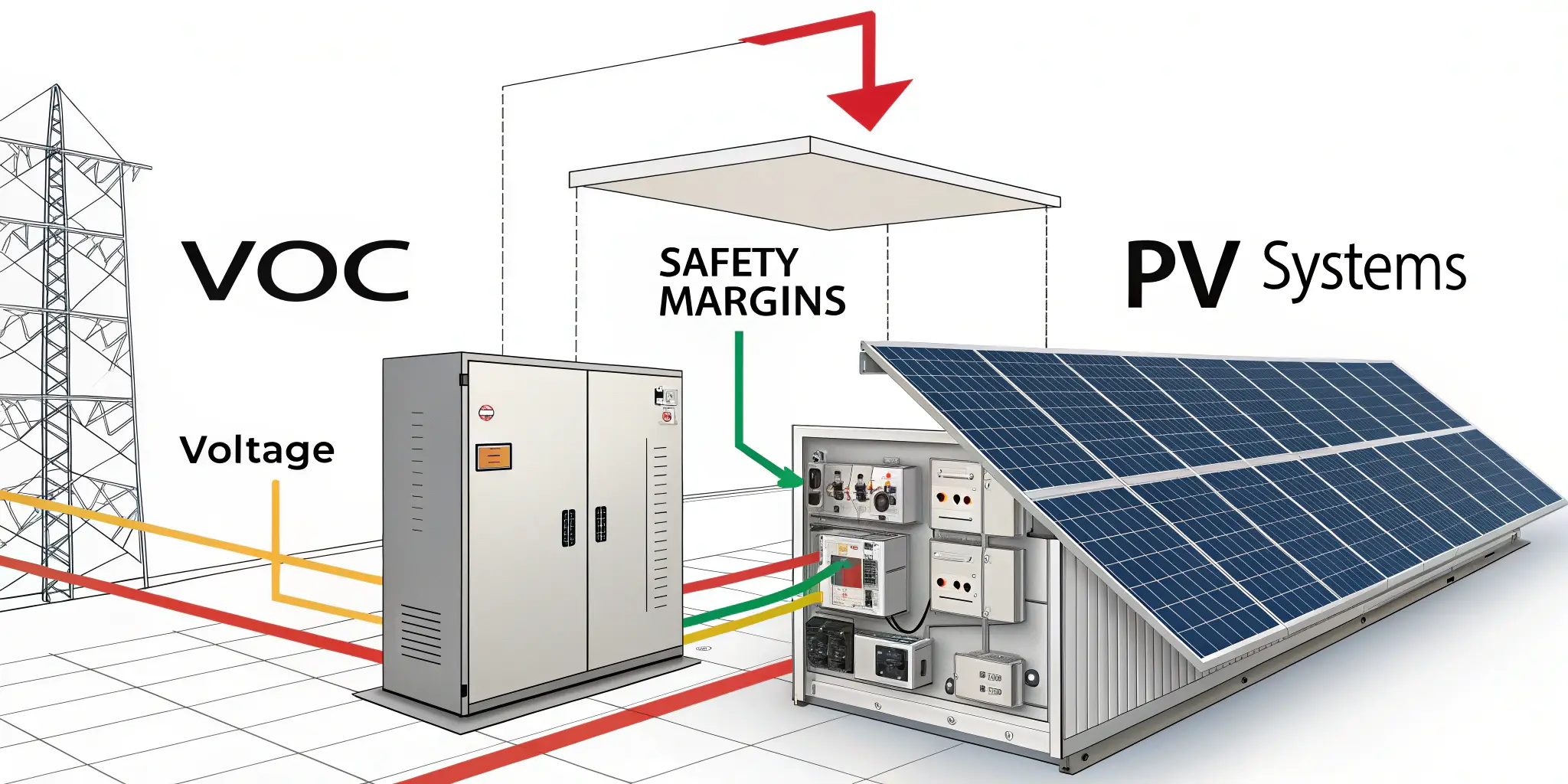
Temperature matters more than most buyers expect
Voc increases when temperature drops.
A panel that is safe at 25°C may exceed limits at -10°C.
I always calculate:
- Voc at minimum site temperature
- Maximum inverter/controller input voltage
If the cold-weather Voc exceeds limits, I redesign the panel or string layout.
Avoid undervoltage under load
Undervoltage causes:
- Poor battery charging
- MPPT instability
- Reduced energy harvest
To prevent this, I ensure:
- Vmp stays 20–30% above battery voltage
- Voltage drop on cables is minimized
- Panel layout matches real operating temperature
Define voltage tolerance clearly
I never accept vague voltage ranges.
I define:
- Vmp tolerance
- Voc tolerance3
- Measurement conditions (STC)
This prevents batch-to-batch mismatch, especially for custom orders.
What voltage ranges are typical?
Understanding standard voltage ranges4 helps me decide when customization is necessary.
Most custom voltage designs stay close to standard ranges to reduce certification and production risk.
Common module voltage classes
| Module type | Typical Vmp |
|---|---|
| Small off-grid panel | 18–22 V |
| Medium custom panel | 30–40 V |
| Large grid module | 40–45 V |
| High-voltage utility | 45–55 V |
Custom voltage usually means:
- Adjusting cell count
- Adjusting string grouping
- Adjusting junction box configuration
Trade-offs of higher voltage
Higher voltage panels:
- Reduce current
- Reduce cable loss
- Improve system efficiency
But they also:
- Increase insulation requirements
- Require higher-rated connectors
- Trigger stricter safety checks
I balance voltage gains against complexity.
MOQ affects voltage freedom
Low-MOQ orders have fewer options. Factories prefer standard layouts.
For large orders, I can:
- Define non-standard cell counts
- Customize junction boxes
- Specify special connectors
This is why voltage must be discussed early.
How do I ensure safety compliance5?
Voltage customization always touches certification and safety.
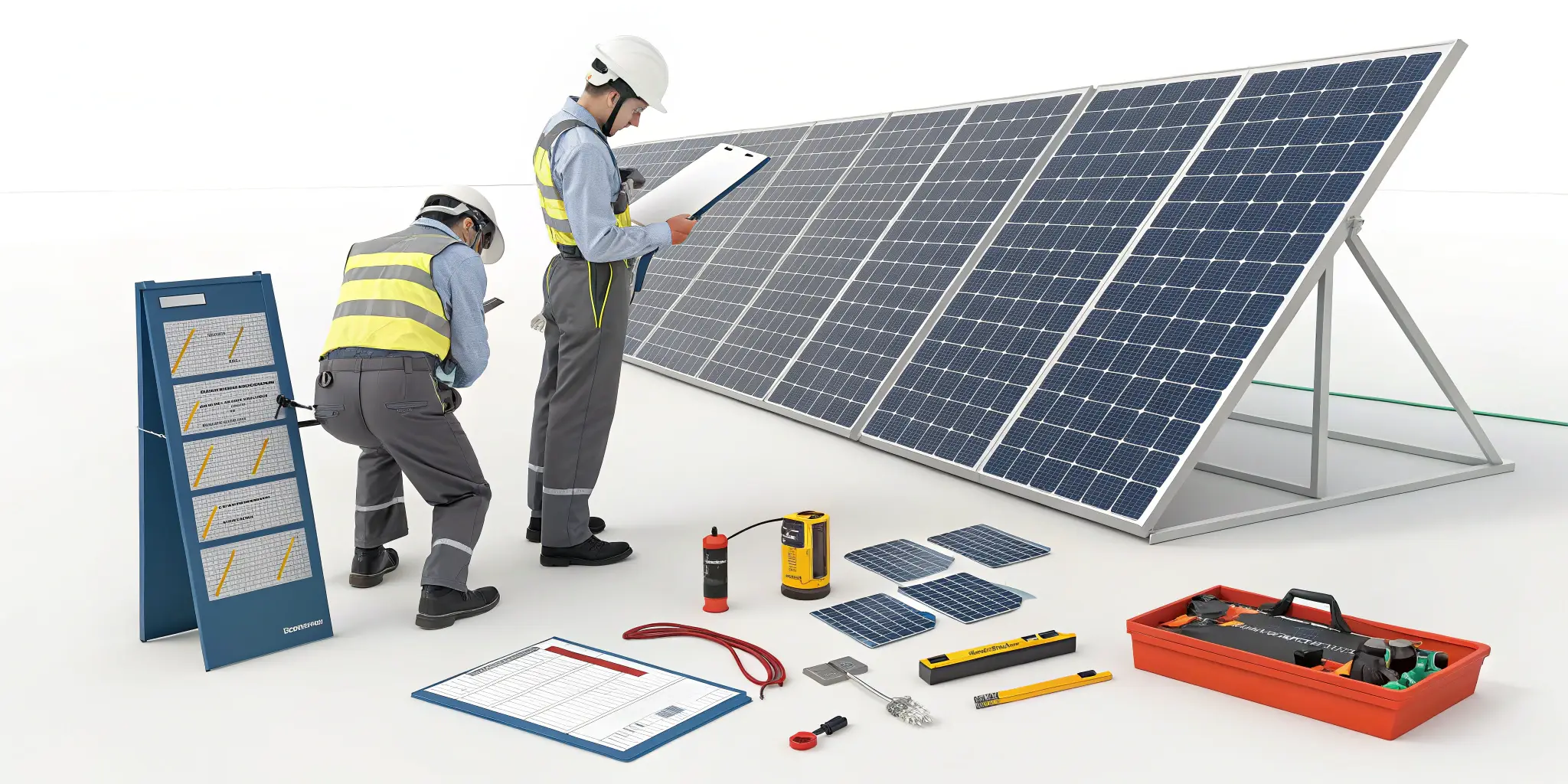
I ensure safety compliance by aligning voltage design with IEC standards6, component ratings, and documentation.
Certification impact
If voltage changes significantly, existing certificates may no longer apply.
I check:
- IEC 61215 and IEC 61730 scope
- Maximum system voltage rating
- Junction box certification
Sometimes partial re-testing is required.
Component matching is critical
Every component must support the new voltage.
I verify:
- Junction box voltage rating
- Bypass diode rating
- Connector certification (MC4 or equivalent)
- Cable insulation class
A weak component cancels a strong design.
Testing before mass production
I never skip prototypes.
Before mass production, I require:
- Flash test confirmation of Voc and Vmp
- Temperature coefficient verification
- Electrical safety inspection
This avoids expensive rework later.
My safety rule
If the voltage design looks clever but hard to explain to inspectors, it is probably risky. Simple, documented voltage design passes faster and fails less.
Conclusion
Customizing working voltage is practical and powerful, but only when driven by system requirements, temperature safety, and compliance—not by wattage alone.
-
Understanding how to customize working voltage can enhance system efficiency and performance. ↩
-
Exploring MPPT controllers can reveal how to optimize solar panel performance and reduce energy losses. ↩
-
Understanding Voc tolerance is crucial for ensuring the efficiency and safety of solar panels. Explore this link for detailed insights. ↩
-
Exploring this link will provide you with essential insights into standard voltage ranges, helping you make informed decisions for your projects. ↩
-
Explore this link to understand essential practices and guidelines for achieving safety compliance in electrical systems. ↩
-
Learn about IEC standards to grasp their significance in ensuring safety and compliance in electrical designs. ↩
