 Skip to content
How to Upgrade Your Solar System with Better Connectors for Enhanced Performance?
Your solar system’s performance is only as strong as its weakest component. Low-quality connectors can lead to power loss, overheating, and long-term degradation, reducing the efficiency of your solar setup.
Upgrading to high-quality solar connectors enhances efficiency, reduces maintenance needs, and extends the lifespan of your entire system.
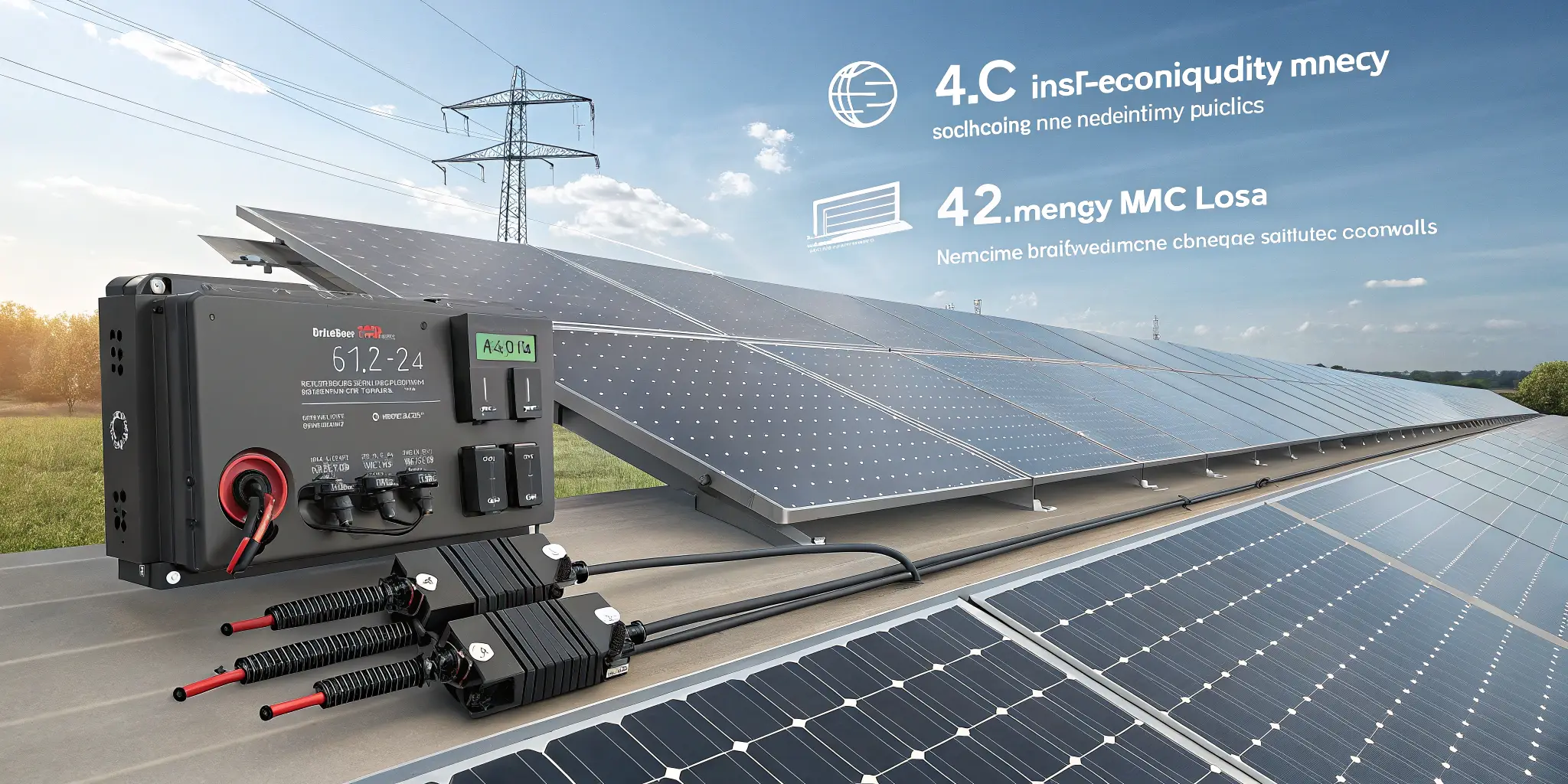
Let’s explore how better connectors can optimize your solar system and what you need to know before making an upgrade.
What Are the Benefits of Upgrading to Higher-Quality Connectors for Solar Systems?
Many solar systems suffer from poor performance due to subpar connectors that create energy loss and safety risks.
Switching to high-quality solar connectors1 reduces resistance, improves energy transmission2, and enhances system durability3, resulting in better overall efficiency.
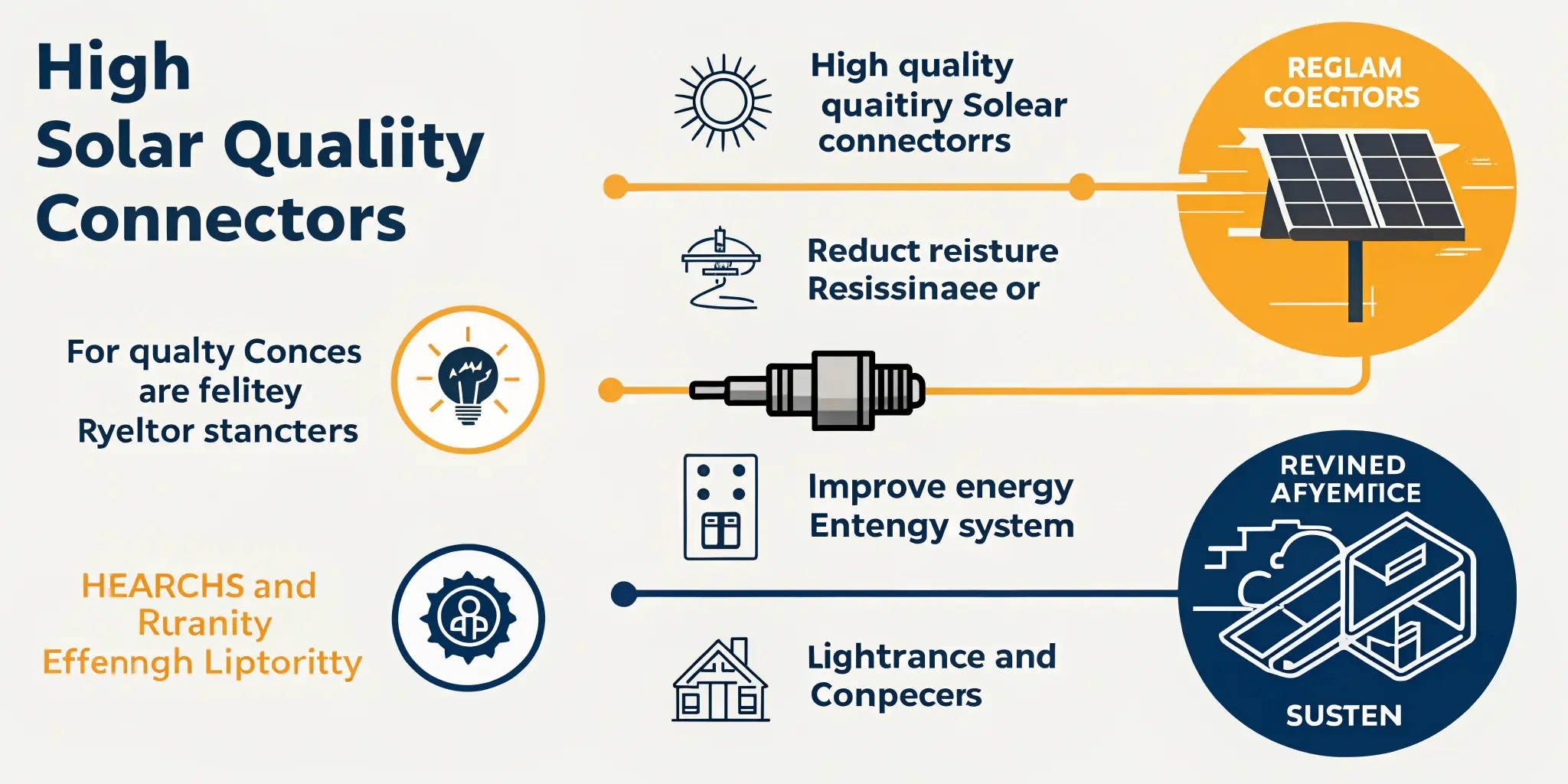
Key Benefits of Upgrading
| Benefit | Impact on Solar System |
|---|---|
| Lower Power Loss | Reduces resistance, allowing more energy to reach your inverter |
| Enhanced Safety | Minimizes the risk of overheating, arcing, and short circuits |
| Better Weather Resistance | Prevents damage from UV exposure, moisture, and extreme temperatures |
| Longer System Lifespan | Reduces wear and tear, extending the durability of solar components |
| Improved Energy Yield | Ensures stable power transmission, increasing overall energy production |
Upgrading to premium connectors can significantly improve the reliability of your solar power system.
How Do Better Solar Connectors Improve the Efficiency and Longevity of Your System?
The efficiency and lifespan of your solar system depend heavily on the quality of its electrical connections. Cheap or damaged connectors create weak points that reduce power output and increase maintenance costs.
Better connectors ensure stable power transmission, reducing energy loss and minimizing system failures, leading to a longer-lasting and more efficient solar setup.
[^4]](https://rayenrg.com/wp-content/uploads/2025/02/Efficiency-boost-with-premium-connectors.webp)
How Premium Connectors Improve Performance
- Lower Electrical Resistance – High-quality materials improve conductivity and reduce power loss.
- Secure Locking Mechanisms – Prevents accidental disconnections that can disrupt energy flow.
- Heat Resistance – Reduces overheating, preventing long-term damage.
- Waterproof & Dustproof Design – Protects against environmental factors that degrade components.
- Durability Under Load – Ensures stable energy transmission in high-power applications.
These factors work together to enhance both the efficiency and longevity of your solar system.
What Are the Key Features to Look for When Choosing Connectors for Solar System Upgrades?
When upgrading your solar connectors, you need to ensure they meet industry standards and are suitable for your system's power needs.
Look for connectors with high voltage and current ratings4, weatherproofing5, and secure locking mechanisms6 to guarantee a reliable solar setup.
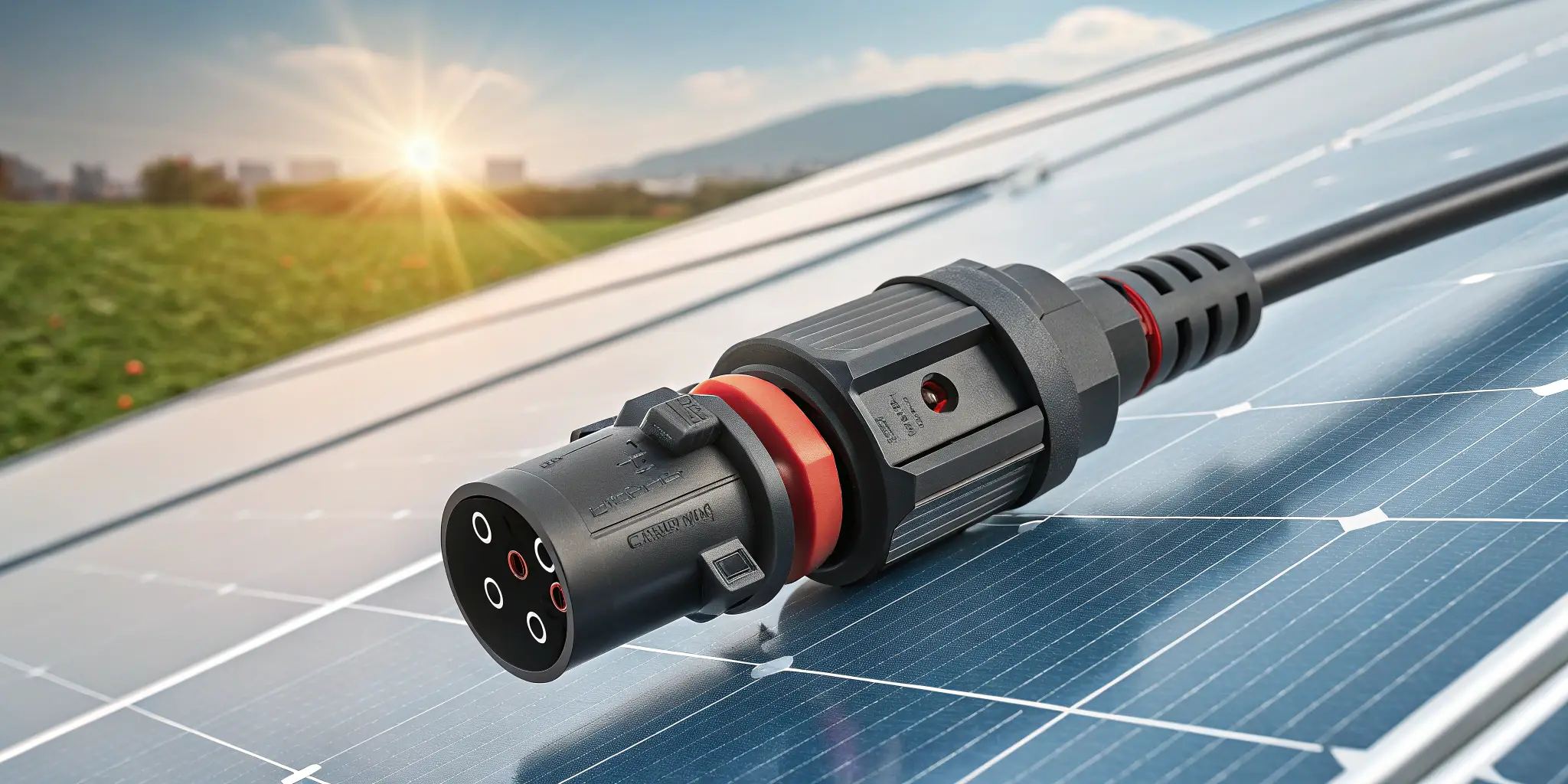
Key Features to Consider
| Feature | Importance |
|---|---|
| Voltage & Current Rating | Ensures compatibility with solar panels and inverters |
| Material Quality | Copper contacts provide better conductivity and durability |
| IP Rating (Water & Dust Resistance) | Higher ratings (e.g., IP67) ensure outdoor durability |
| UV Resistance | Protects against sun exposure to extend lifespan |
| Secure Locking Mechanism | Prevents accidental disconnections that can disrupt power flow |
Choosing connectors with these features ensures a stable and efficient solar system upgrade.
How Can You Ensure Compatibility When Upgrading Solar Connectors?
Upgrading your connectors won’t be effective if they aren’t compatible with the rest of your solar system. Mismatched connectors can cause voltage drops, power loss, and even safety hazards.
To ensure compatibility, check voltage and current ratings7, connector type, and IP rating8s before upgrading your solar connectors.
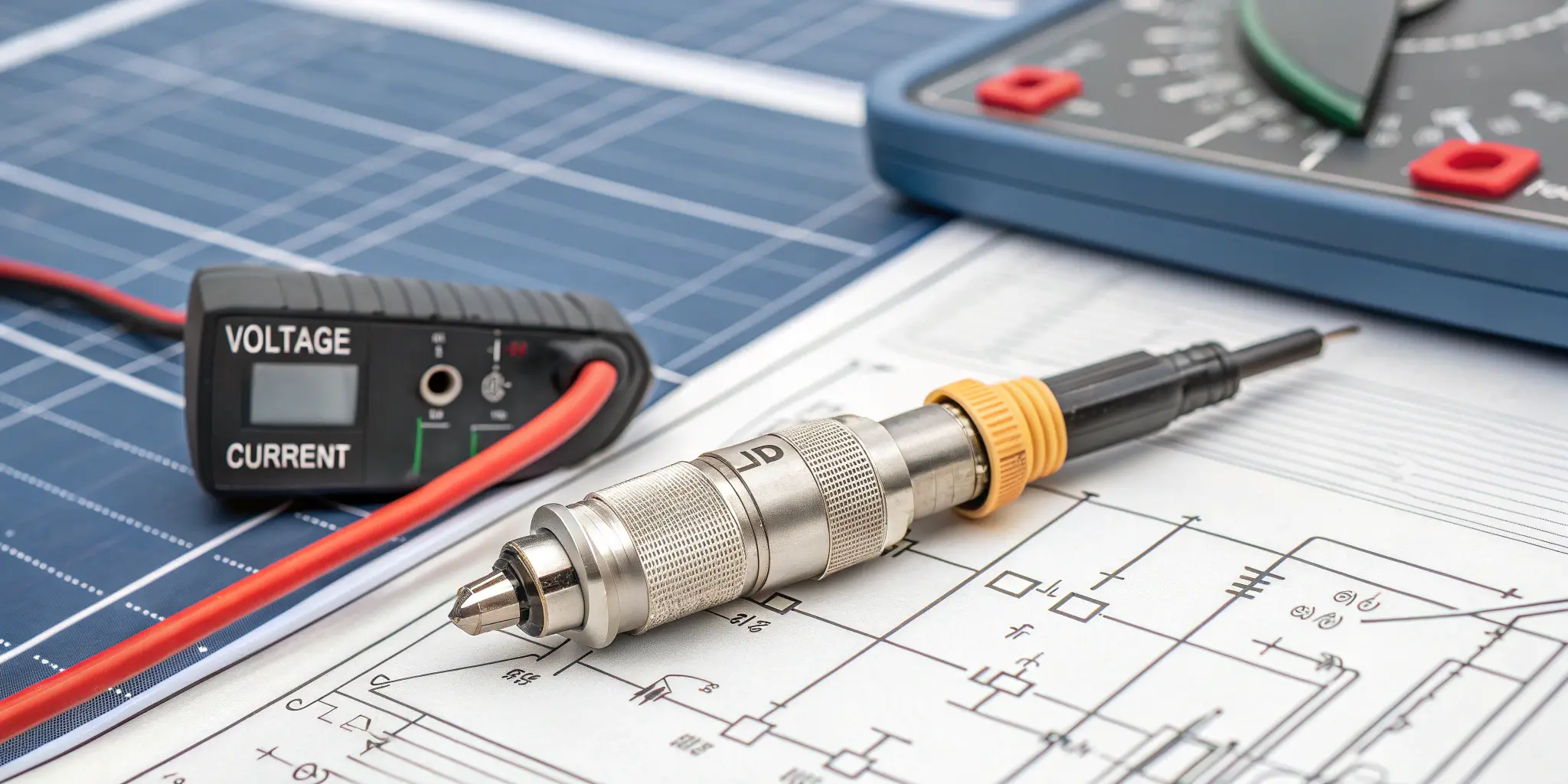
Steps to Verify Compatibility
- Check Voltage & Current Ratings – Ensure they match your solar panel and inverter specifications.
- Confirm Connector Type – MC4 connectors9 are standard, but some systems use variations.
- Inspect Contact Material – Copper-tinned contacts offer better conductivity than aluminum.
- Verify IP Rating – Ensure it meets outdoor weatherproofing standards (IP67 or higher).
- Test Fit Before Installation – Ensure a secure and snug connection to prevent arcing.
Proper compatibility prevents power loss and extends the lifespan of your solar components.
What Are the Most Common Mistakes to Avoid When Upgrading Solar System Connectors?
Many solar system owners make costly mistakes when upgrading connectors, leading to reduced efficiency and potential system failures.
Common mistakes include using incompatible connectors10, improper installation11, and choosing low-quality alternatives12 that degrade over time.
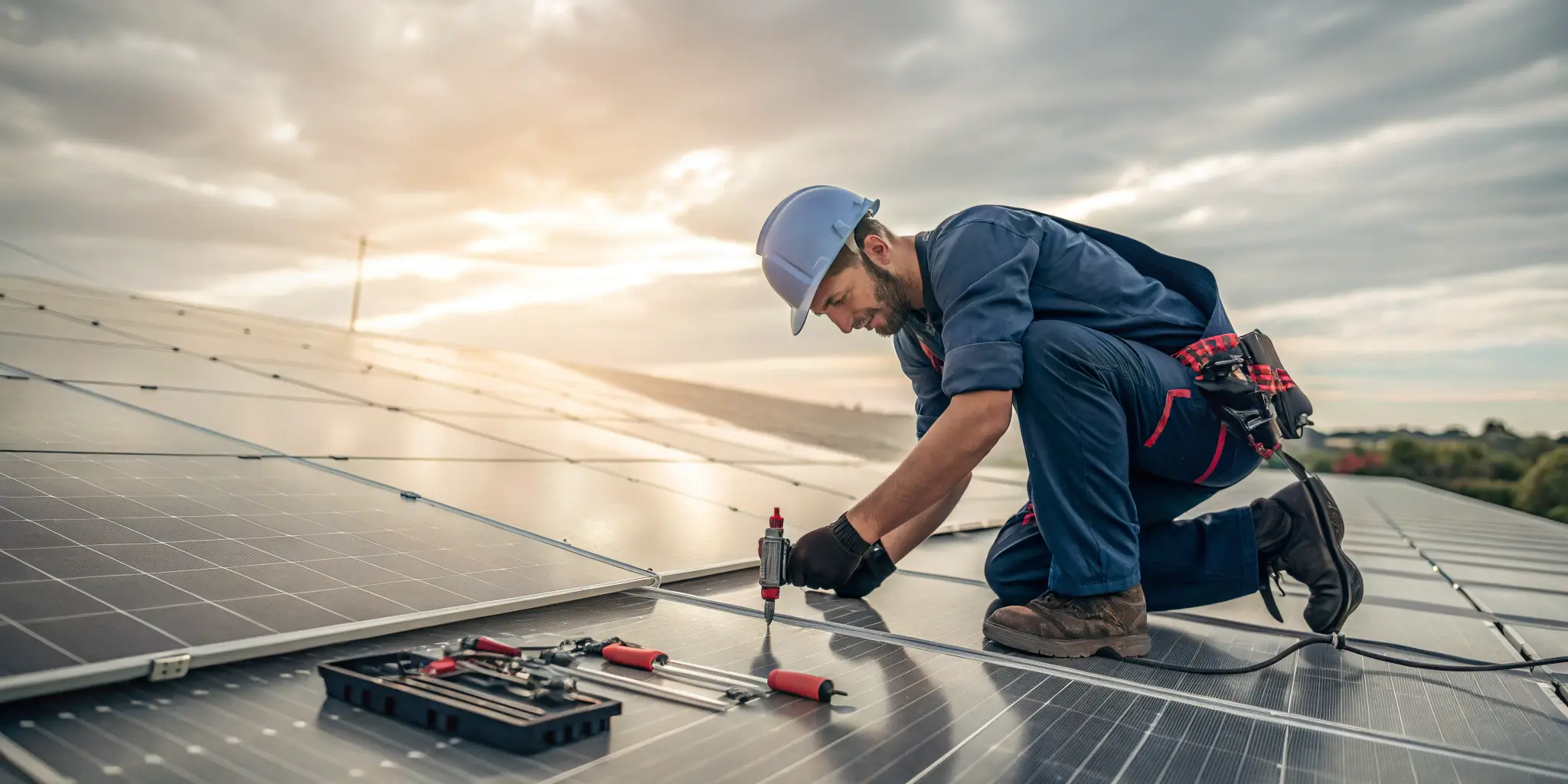
Top Mistakes to Avoid
| Mistake | Consequence |
|---|---|
| Using Non-Standard Connectors | Leads to connection failures and power loss |
| Ignoring Voltage & Current Ratings | Can cause overheating and damage to components |
| Improper Crimping or Installation | Increases resistance and reduces energy efficiency |
| Choosing Low-Quality Materials | Results in corrosion and early failure |
| Neglecting Weatherproofing | Leads to water damage and short circuits |
By avoiding these mistakes, you can ensure a smooth and efficient upgrade to your solar system.
Conclusion
Upgrading to better solar connectors enhances system efficiency, safety, and longevity. By selecting high-quality, weather-resistant connectors and ensuring proper compatibility, you can maximize your solar power system’s performance.
-
Discover how high-quality solar connectors can enhance your solar system's performance and safety. ↩
-
Learn about the critical role of energy transmission in maximizing solar efficiency and performance. ↩
-
Explore the key elements that enhance the durability of solar systems and ensure long-term performance. ↩
-
Understanding the importance of high voltage and current ratings can help you choose the best connectors for your solar system. ↩
-
Exploring the significance of weatherproofing can ensure your solar connectors withstand harsh conditions and last longer. ↩
-
Learn how secure locking mechanisms can prevent disconnections and enhance the reliability of your solar setup. ↩
-
Understanding voltage and current ratings is crucial for ensuring your solar connectors work efficiently and safely. Explore this link for detailed guidance. ↩
-
IP ratings determine the weatherproofing of solar connectors. Discover how to choose connectors that withstand outdoor conditions effectively. ↩
-
MC4 connectors are essential for solar systems. Learn more about their significance and how to choose the right ones for your setup. ↩
-
Understanding the risks of incompatible connectors can help you make informed decisions for your solar upgrades. ↩
-
Learn how proper installation techniques can enhance the efficiency and longevity of your solar system. ↩
-
Discover why investing in quality materials is crucial for the reliability of your solar system. ↩
