 Skip to content
How can I import custom solar panels from China and check if suppliers have experience with similar projects?
Every buyer risks losing time and money when a supplier only looks good on paper but fails in real projects.
I check supplier experience by reviewing real reference projects, market certifications, and proof of similar custom work, not by trusting sales words.

Many Chinese factories can show big factories and glossy catalogs. But only a few can show proof that they have built the same type of custom panels that I need. This difference decides if my project runs or fails.
How do I request references?
Many buyers feel shy to ask for references. This creates risk because weak suppliers hide behind nice websites.
I always ask for at least three recent reference projects1 that match my panel size, wattage, and application, and I ask for photos, datasheets, and customer contacts.
Why simple customer lists are not enough
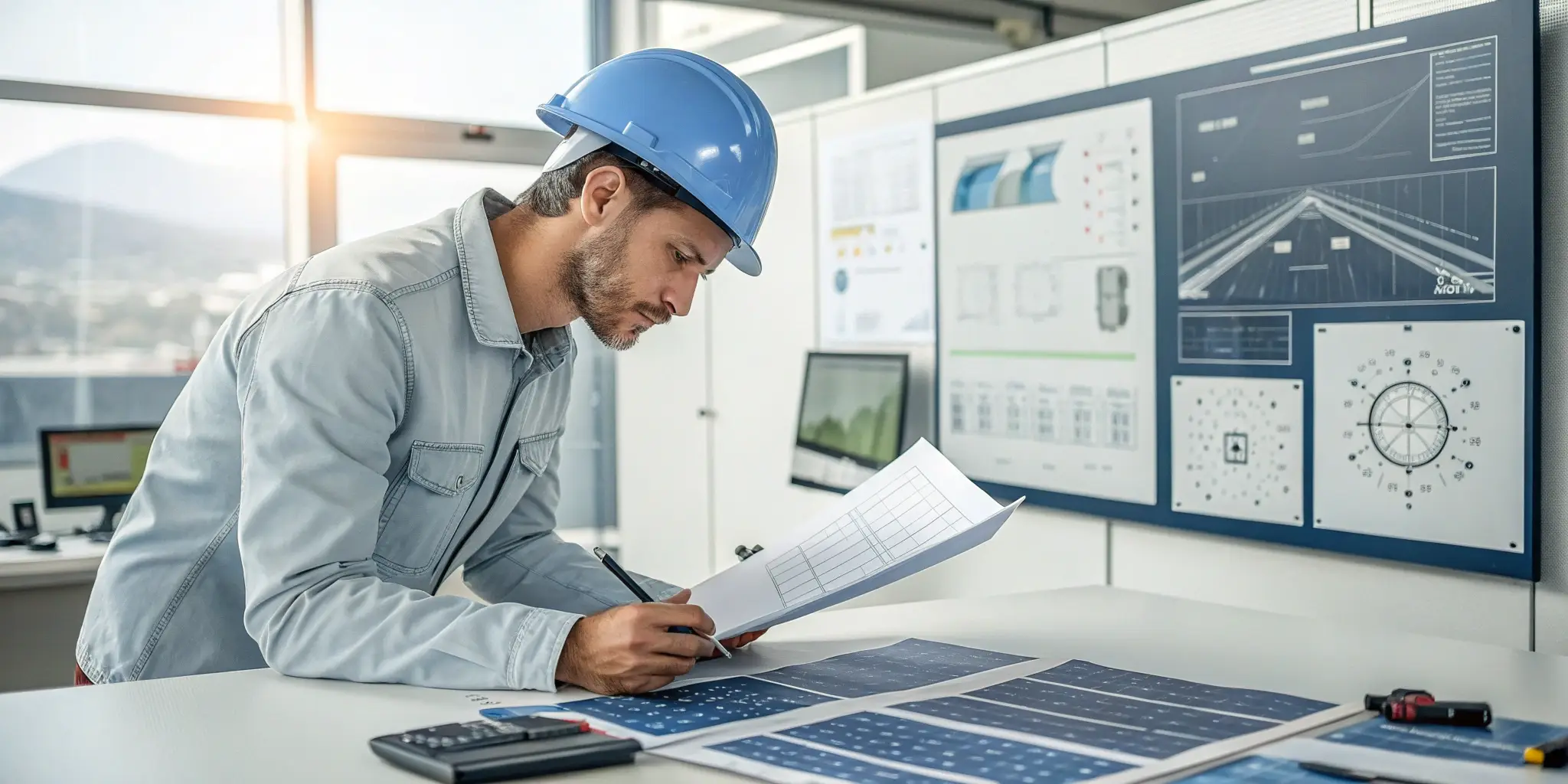
I never accept only a list of company names. A real project reference2 must include real proof. I want to see:
- Photos of the installed panels
- Datasheets of the shipped product
- The market where the panels were used
- The project scale
Many factories try to show projects that use standard panels. This does not help me. I need custom projects that match my own case. For example, if I buy off-grid CCTV panels, I want to see off-grid CCTV systems, not rooftop grid projects.
What I ask for in my email
When I send a reference request, I use clear rules. I do not ask “Do you have experience?” I ask for proof.
| What I ask | Why it matters |
|---|---|
| Panel drawing and datasheet | It shows real customization work |
| Project photos | It shows real installation |
| Customer company name | It allows verification |
| Country of use | It shows market knowledge |
| Year of delivery | It proves recent ability |
A supplier with real experience can send this within one or two days. A supplier without experience will delay, avoid, or send generic brochures.
How I check if references are real
I also check if the reference looks fake. I look for repeated photos across many suppliers. I check if the panel label matches the datasheet. I also search the customer company online. When everything lines up, I know this factory has real project history.
How do I evaluate past projects?
Many suppliers show projects. But not all projects prove useful experience.
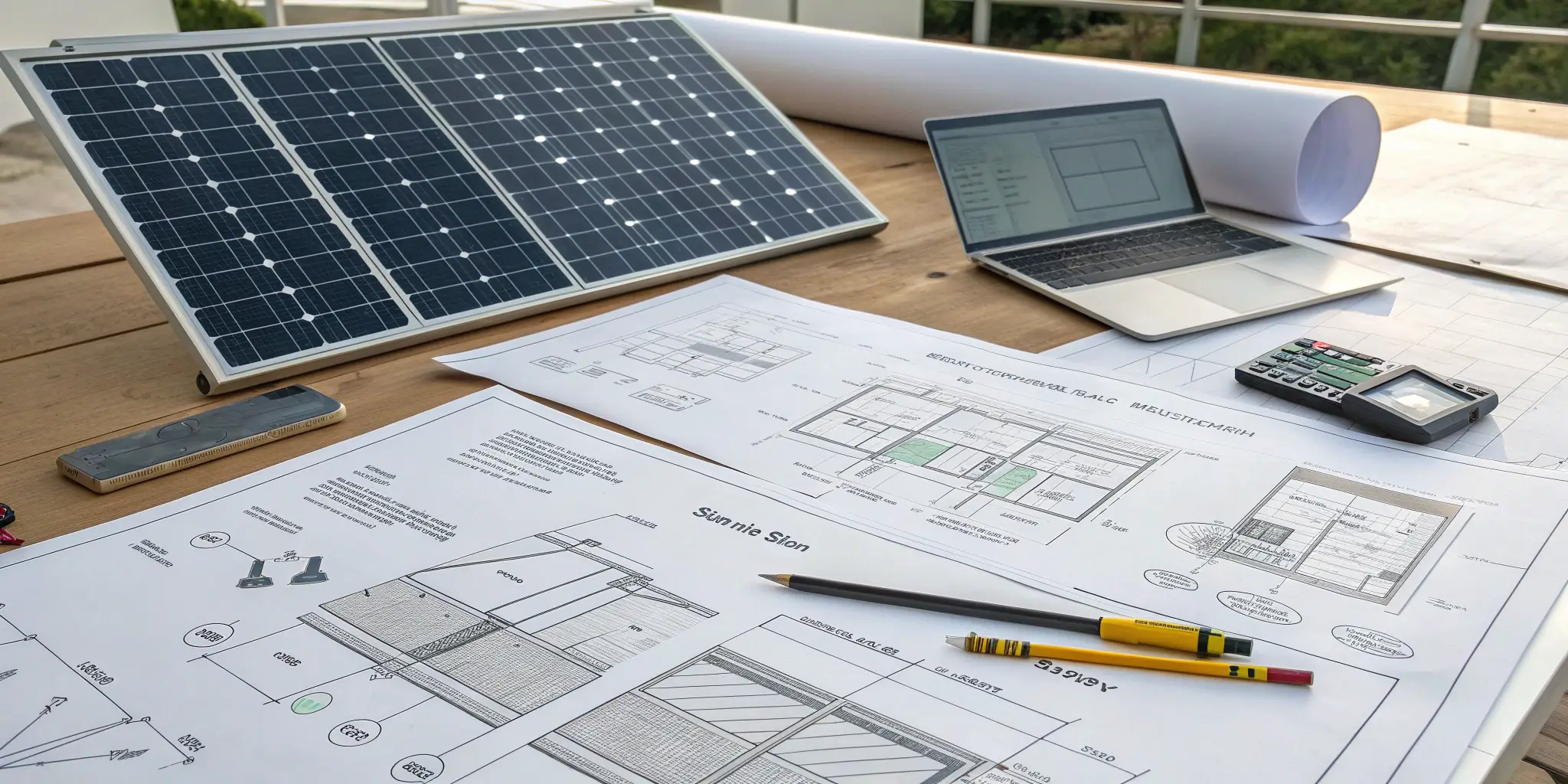
I compare their past projects to my own needs in power, size, voltage, environment, and certification, not just in total megawatts.
Why similar use is more important than big volume
A factory that shipped 100 MW of rooftop panels may still fail to make 200 custom off-grid panels. Custom projects need control of BOM, lamination, wiring, and frame design. Big volume does not mean flexible production.
I break down each reference project into details.
| Project factor | What I check |
|---|---|
| Wattage | Is it close to my design |
| Voltage | Does it match my controller |
| Panel size | Does it fit my mounting |
| Application | CCTV, BIPV, RV, farm, traffic |
| Certification | IEC, UL, CE, or local |
If most boxes match, I know this supplier understands my use case.
What I ask engineers during review
I also talk to the technical team3. I ask what problems they faced in that project. I want to hear about cable routing, PID, glass thickness, or shading issues. If they can explain past mistakes and fixes, I know this is real experience.
Sales teams speak in marketing words. Engineers speak in problems and solutions. I always listen to the engineers.
Can experience reduce risks?
Yes. In custom solar4, experience is the best risk control tool.
Suppliers with similar project experience can predict design risks, reduce trial-and-error, and shorten development time.
How experience prevents common failures
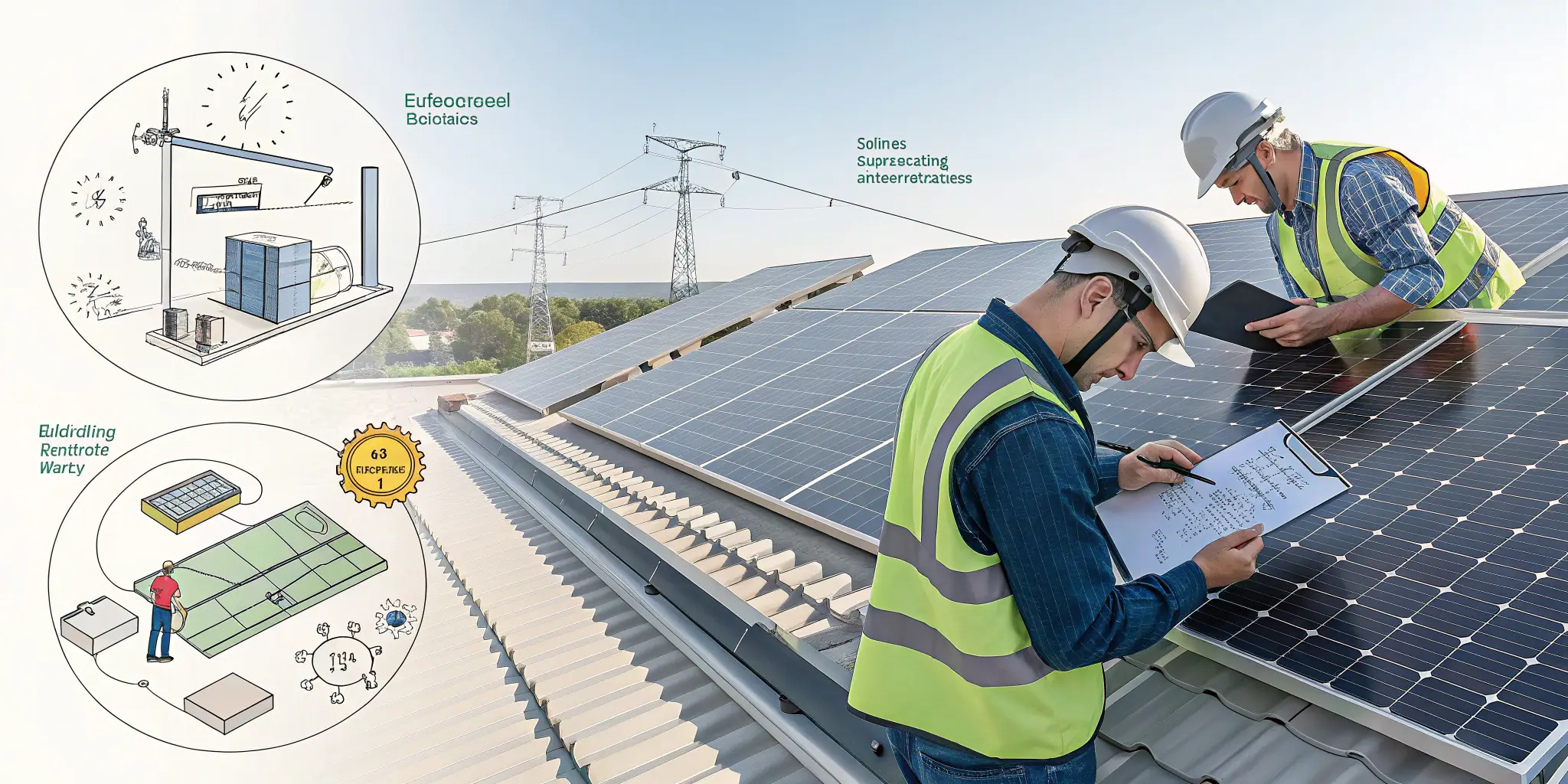
Many failures happen because of missing details. New suppliers do not know what to ask. Experienced suppliers ask first.
| Risk | Inexperienced factory | Experienced factory |
|---|---|---|
| Wrong voltage | Follows buyer blindly | Checks controller range |
| Cable too thin | Uses default | Calculates voltage drop |
| Weak frame | Uses standard | Reinforces for wind |
| Poor sealing | Uses basic box | Upgrades IP rating |
| PID risk | Ignores | Selects POE or EPE |
When a supplier has seen these problems before, they fix them before production. This saves money and avoids field failure.
Why experienced factories5 cost less in the long run
Some buyers choose the cheapest quote. They forget that redesign, delays, and failures cost much more. A supplier who knows my application can give me a stable design the first time. This reduces rework, shipment delays, and warranty claims.
How do I confirm their capability?
I do not trust words. I trust process and data.
I confirm capability by checking production lines, testing reports, sample quality, and third-party inspections6.
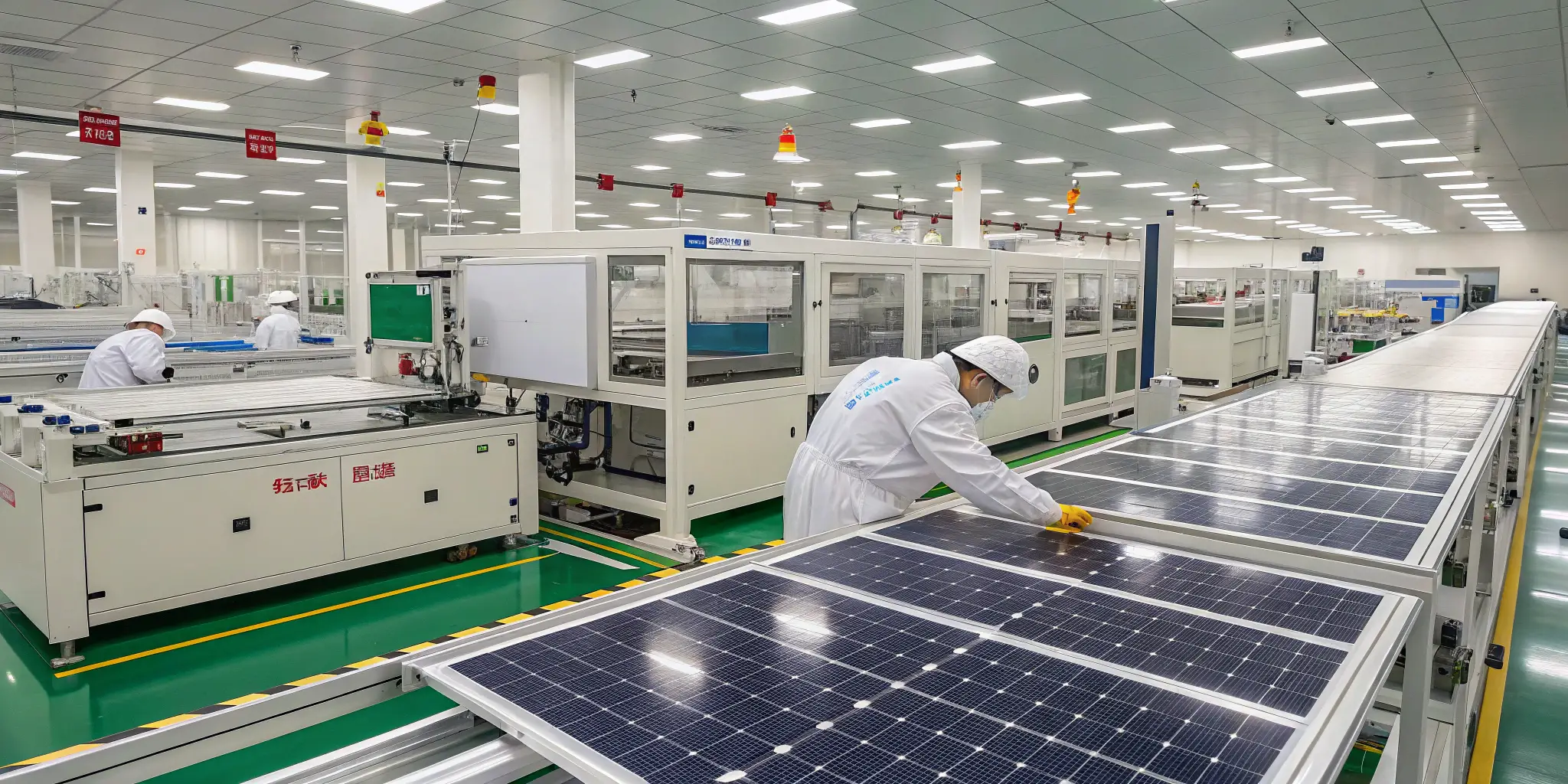
What I check in a factory
I ask for video tours or audits. I want to see lamination lines, flash testers, EL testers, and framing lines. A custom panel factory must control every step.
| Equipment | Why it matters |
|---|---|
| Laminator | Controls encapsulation quality |
| Flash tester | Verifies power tolerance |
| EL tester | Finds micro cracks |
| Framing line | Ensures size accuracy |
| J-box station | Ensures sealing quality |
If a factory outsources too much, it loses control.
Why pilot orders7 are critical
I always run a pilot order. This shows if the factory can repeat quality. One good sample means nothing. Ten identical samples show real process control.
I check:
- Power spread
- Size tolerance
- Cable length
- Label accuracy
- Packaging quality
If all samples match, I know mass production will be safe.
Conclusion
I trust suppliers with proven project experience, real references, and strong process control, because these reduce risk and protect my custom solar investment.
-
Exploring recent reference projects can provide insights into successful installations and supplier reliability. ↩
-
Understanding what makes a project reference credible can help you make informed decisions when selecting suppliers. ↩
-
Exploring how a technical team contributes to project success can provide insights into the importance of engineering expertise in solar projects. ↩
-
Exploring this link will provide insights into how custom solar solutions can optimize energy efficiency and reduce costs. ↩
-
This resource will explain how experienced factories enhance production quality, leading to fewer failures and lower long-term costs. ↩
-
Exploring third-party inspections can reveal how they enhance trust and quality assurance in production processes. ↩
-
Understanding the importance of pilot orders can help ensure quality control in mass production, making it a crucial read. ↩
