
What Are the Advantages and Disadvantages of MC4 Connectors?
MC4 connectors are the industry standard for connecting solar panels due to their ease of use, reliability, and weather resistance. However, like any technology, they come with both advantages and limitations. This guide explores why MC4 connectors are widely used, their benefits, potential drawbacks, durability, and alternative solutions.
What Makes MC4 Connectors a Popular Choice for Solar Panel Systems?
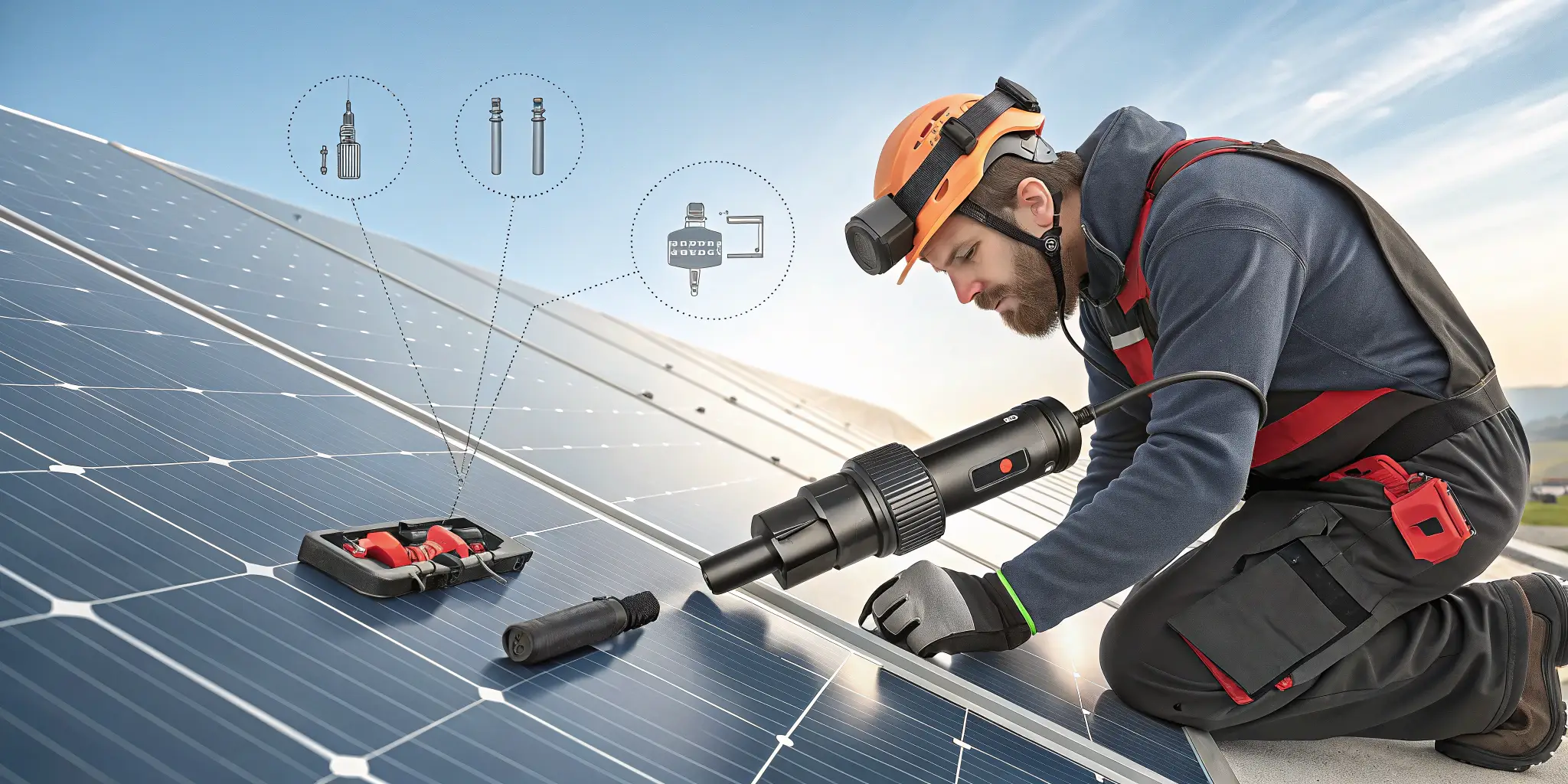
MC4 (Multi-Contact 4mm) connectors have become the standard connection type1 for solar panel systems worldwide. Their popularity is due to several key factors:
- Universal Compatibility – Most solar panels and inverters support MC4 connectors, making installation easier.
- Ease of Installation – The plug-and-play design allows for quick and secure connections without specialized training.
- High Current and Voltage Ratings – Can handle up to 30A2 of current and 1,500V DC, supporting both small and large solar installations.
- Weatherproofing – Designed with IP67/IP68 protection3, MC4 connectors prevent dust, water, and moisture ingress.
- Safety Features – The locking mechanism prevents accidental disconnections, reducing the risk of electrical hazards.
How Do MC4 Connectors Improve the Efficiency and Safety of Solar Installations?
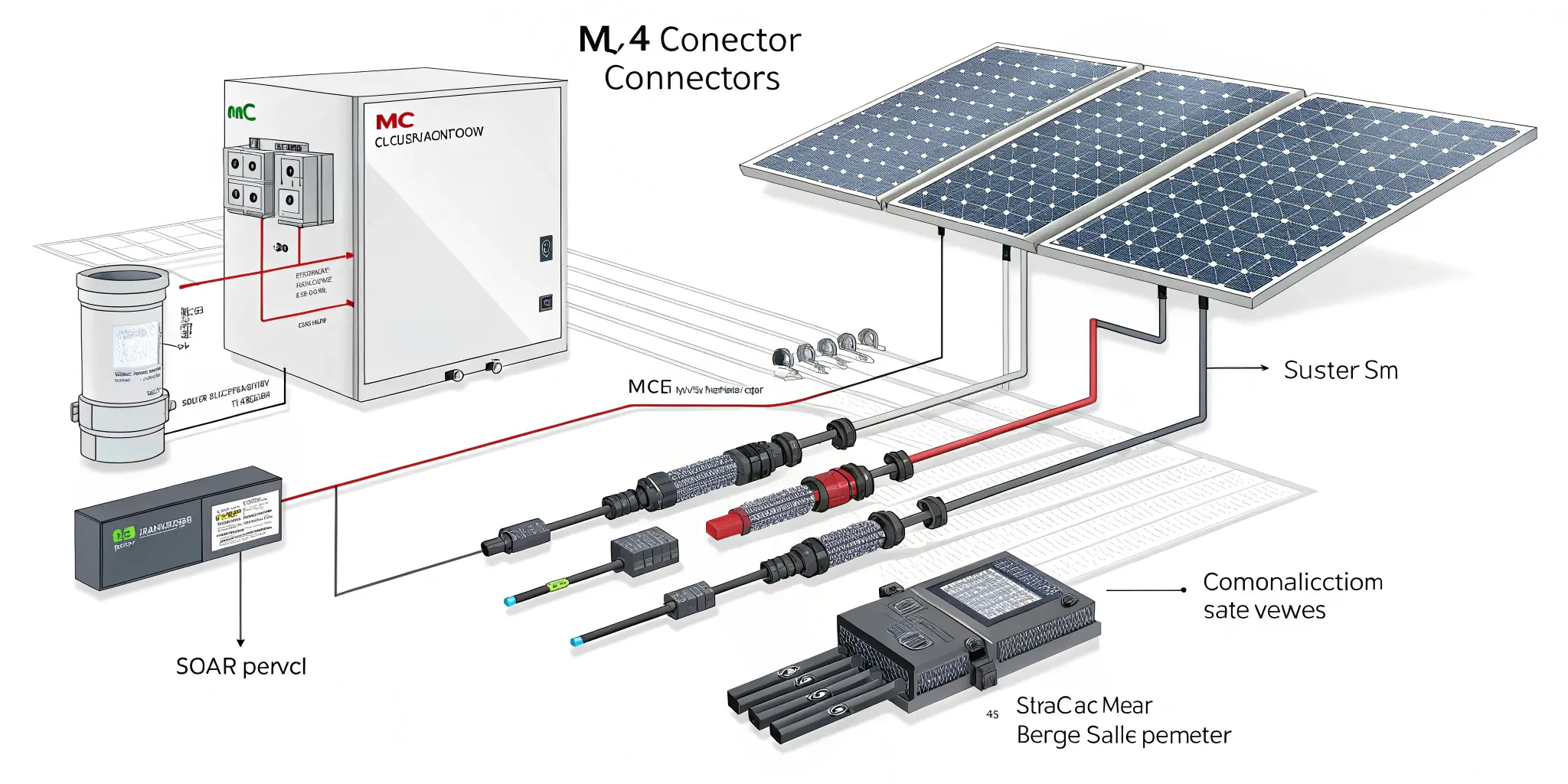
MC4 connectors play a crucial role in enhancing the performance and safety of solar panel systems:
Efficiency Benefits:
-
Low Contact Resistance
- MC4 connectors are designed to minimize energy loss4, ensuring maximum power transfer.
-
Secure Connections
- The crimped terminals provide a stable electrical connection, reducing power fluctuations.
-
Standardized Design
- Compatibility across various solar components simplifies installation and reduces setup time.
Safety Benefits:
-
Prevention of Accidental Disconnections
- The built-in snap-in locking system5 ensures connectors remain firmly in place.
-
Protection Against Short Circuits
- MC4 connectors are designed with insulated housings, reducing the risk of electrical faults.
-
Weather Resistance
- The UV-resistant6 and waterproof design ensures durability in outdoor conditions.
What Are the Common Issues and Limitations of MC4 Connectors?
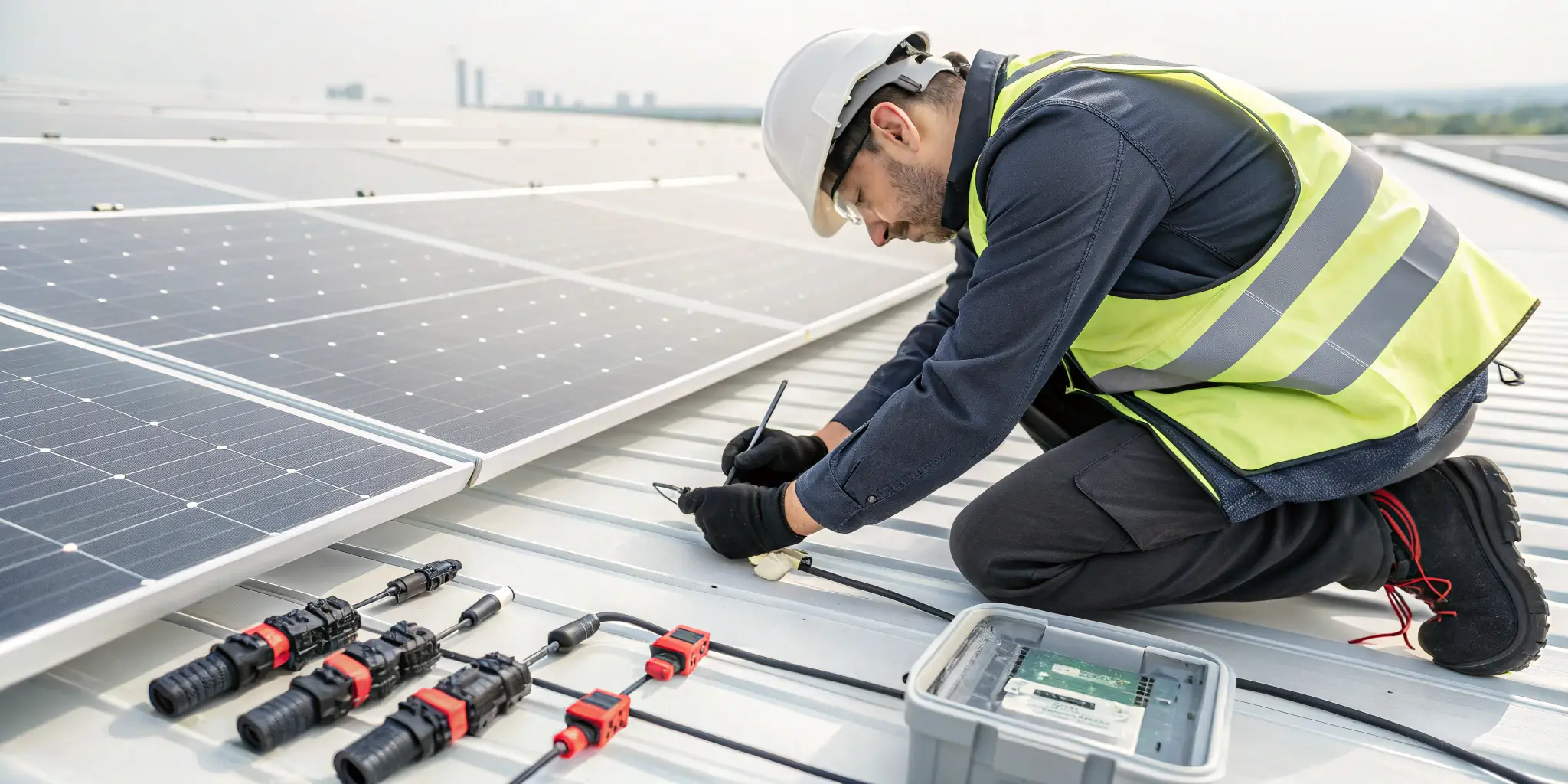
Despite their advantages, MC4 connectors have some limitations and potential drawbacks:
| Issue | Description |
|---|---|
| Risk of Incorrect Installation | Improper crimping or loose connections can cause voltage drop, overheating, or power loss7. |
| Not Designed for Frequent Disconnection | MC4 connectors are built for semi-permanent installations; frequent plugging/unplugging can damage them. |
| Compatibility Issues with Counterfeit Versions | Some non-standard MC4 connectors may not fit properly with genuine connectors, leading to poor connections. |
| Potential for Water Ingress if Not Properly Sealed | If improperly tightened, water can enter the connection, causing corrosion and electrical faults. |
| Requires Special Tools for Proper Crimping | A crimping tool is necessary to ensure a secure connection—hand-assembled connections may be unreliable. |
How to Prevent These Issues:
- Always use a certified crimping tool8 for proper assembly.
- Inspect connections for secure locking and waterproof sealing.
- Use genuine MC4 connectors9 to ensure compatibility.
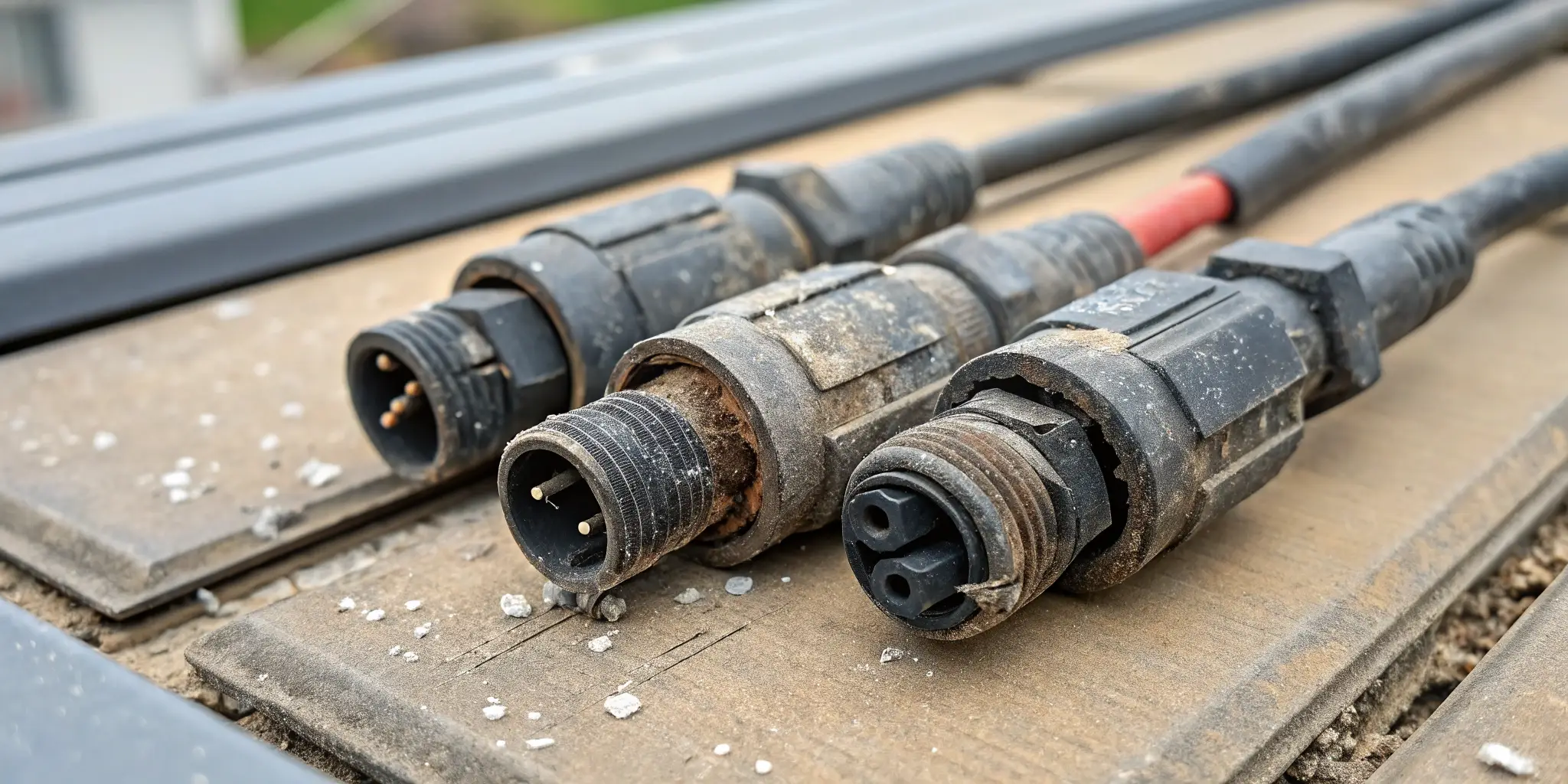
How Durable and Weather-Resistant Are MC4 Connectors in Harsh Environments?
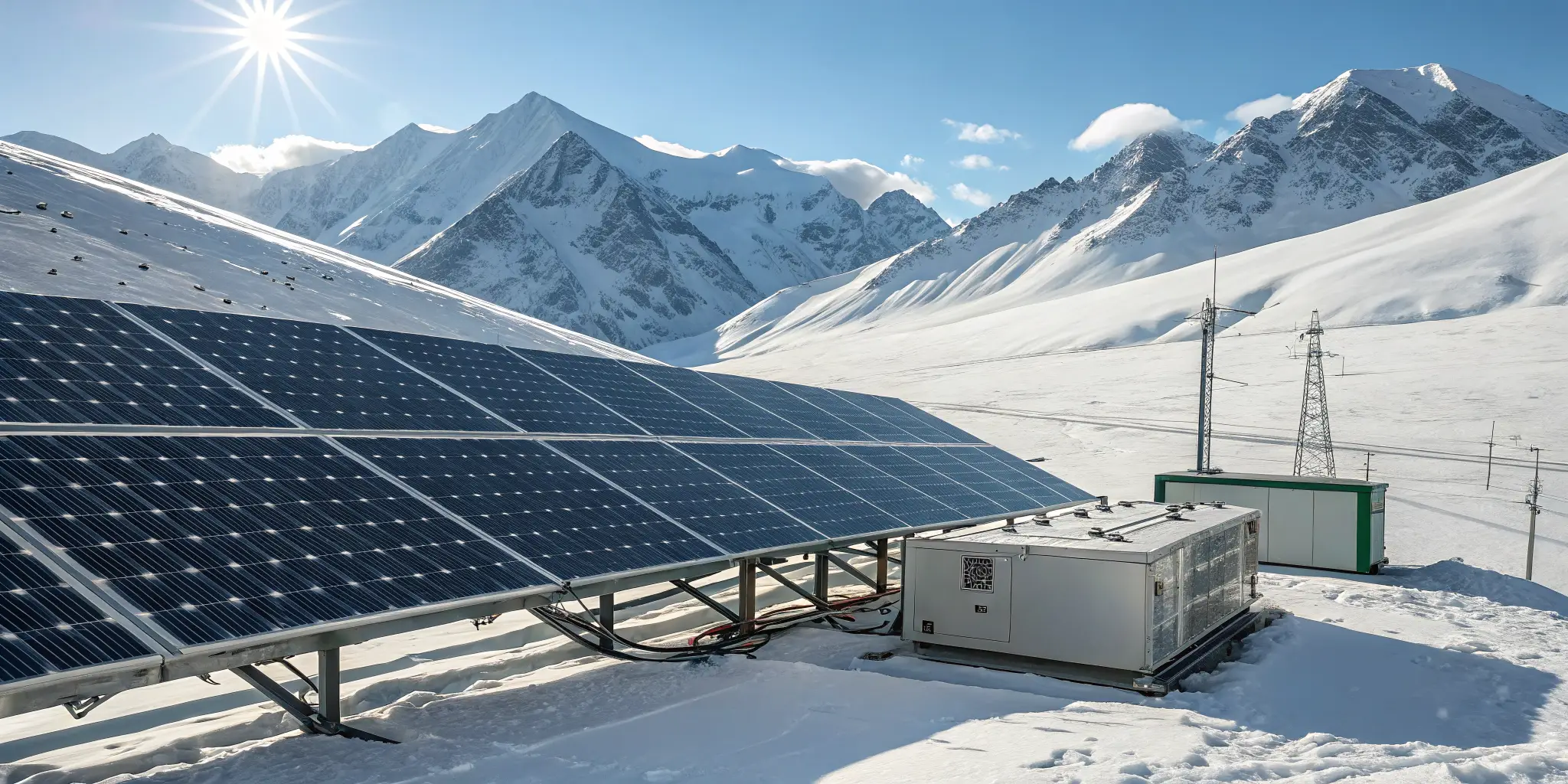
MC4 connectors are specifically designed to withstand extreme environmental conditions10.
Weatherproofing Features:
- IP67/IP68 Rated – Provides complete protection against dust and temporary water immersion11.
- UV-Resistant Material – Prevents degradation from prolonged sun exposure.
- High-Temperature Tolerance – Can operate in temperatures ranging from -40°C to 85°C (-40°F to 185°F).
Mechanical Durability:
- Secure Locking System – Prevents accidental disconnections in high winds or vibrations.
- Corrosion Resistance – The materials resist rust and oxidation, ensuring long-term reliability.
These features make MC4 connectors ideal for outdoor solar installations12 in deserts, coastal areas, and extreme climates.
Are There Any Better Alternatives to MC4 Connectors for Solar Applications?
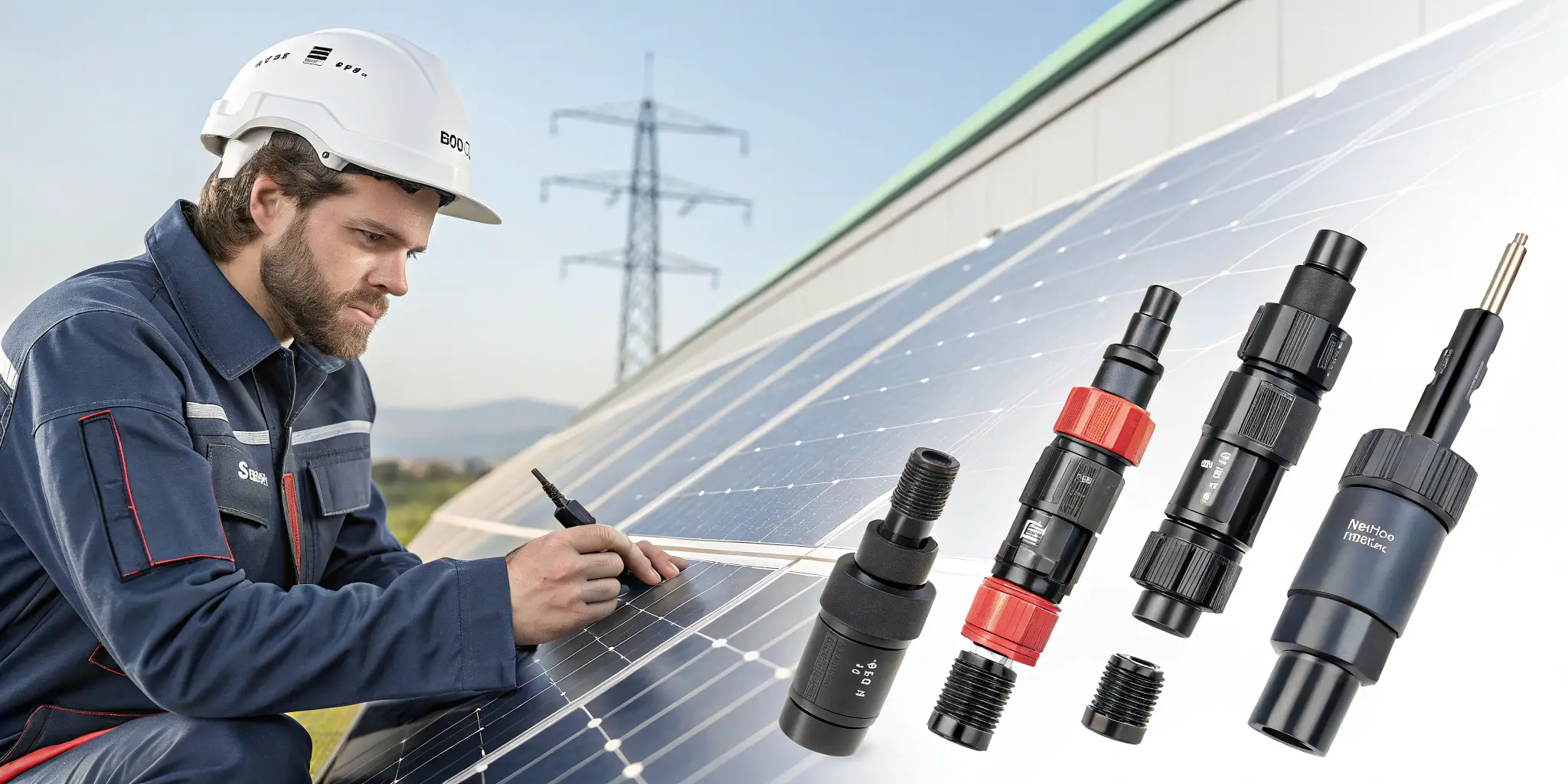
While MC4 connectors are the most common choice, there are alternative connector types13 available for specific applications:
| Alternative Connector | Advantages | Disadvantages |
|---|---|---|
| Amphenol H4 | Higher voltage rating, similar design to MC4 | Less widely adopted |
| Tyco Solarlok14 | Quick and tool-free installation | Not as common as MC4 |
| Staubli MC4-Evo2 | Improved safety features, better high-voltage handling | More expensive |
| Anderson Powerpole15 | High-current capacity, used in off-grid setups | Bulkier, less weatherproof |
When to Consider Alternatives?
- High-voltage systems (e.g., commercial solar farms) may benefit from MC4-Evo2 or Amphenol H4 connectors.
- Rapid installation needs may favor Tyco Solarlok due to its tool-free connection.
- Off-grid systems requiring flexible connections may use Anderson Powerpole connectors.
Conclusion
MC4 connectors offer a reliable, safe, and efficient solution for connecting solar panels. Their universal compatibility, weather resistance, and secure locking system make them the preferred choice for most solar installations. However, proper installation is critical to avoid common issues such as loose connections or water ingress.
While MC4 connectors remain the industry standard, alternative options exist for specialized applications. Choosing the right connector depends on system voltage, environmental conditions, and ease of installation requirements.
By understanding the advantages and limitations of MC4 connectors, you can optimize the performance and longevity of your solar energy system.
-
Understanding the standard connection type can help you choose the right components for your solar installation. ↩
-
Discover why a 30A rating is crucial for the efficiency and safety of your solar panel system. ↩
-
Learn about IP67/IP68 ratings to ensure your solar connectors are weatherproof and reliable in various conditions. ↩
-
Understanding how MC4 connectors reduce energy loss can help optimize your solar system's performance. ↩
-
Learn about the snap-in locking system to ensure your solar connections are secure and safe. ↩
-
Explore the significance of UV resistance in connectors to ensure long-lasting solar performance. ↩
-
Understanding these issues can help you prevent costly failures in your solar installations. Explore this link for detailed insights. ↩
-
Using the right tools is crucial for ensuring safe and effective connections. Learn more about the importance of certified tools here. ↩
-
Using genuine connectors ensures compatibility and reliability, reducing the risk of system failures. Discover more about their advantages. ↩
-
Understanding extreme environmental conditions helps in assessing the suitability of MC4 connectors for various applications. ↩
-
Exploring the impact of temporary water immersion on MC4 connectors can provide insights into their durability and reliability in wet conditions. ↩
-
Discover the reasons behind the suitability of MC4 connectors for outdoor solar installations, ensuring optimal performance in harsh environments. ↩
-
Explore this link to discover various connector options that can enhance your solar setup and their specific advantages. ↩
-
Learn about Tyco Solarlok's quick installation benefits and why it might be the right choice for your solar project. ↩
-
Find out how Anderson Powerpole connectors can improve your off-grid solar system's performance and flexibility. ↩