 Skip to content
What Is the ROI of a Solar Monitoring System?
Investing in a solar monitoring system requires upfront costs, but is it worth the investment?
Solar monitoring systems improve energy efficiency, reduce maintenance costs, and maximize solar panel lifespan, leading to a strong return on investment (ROI) within a few years.
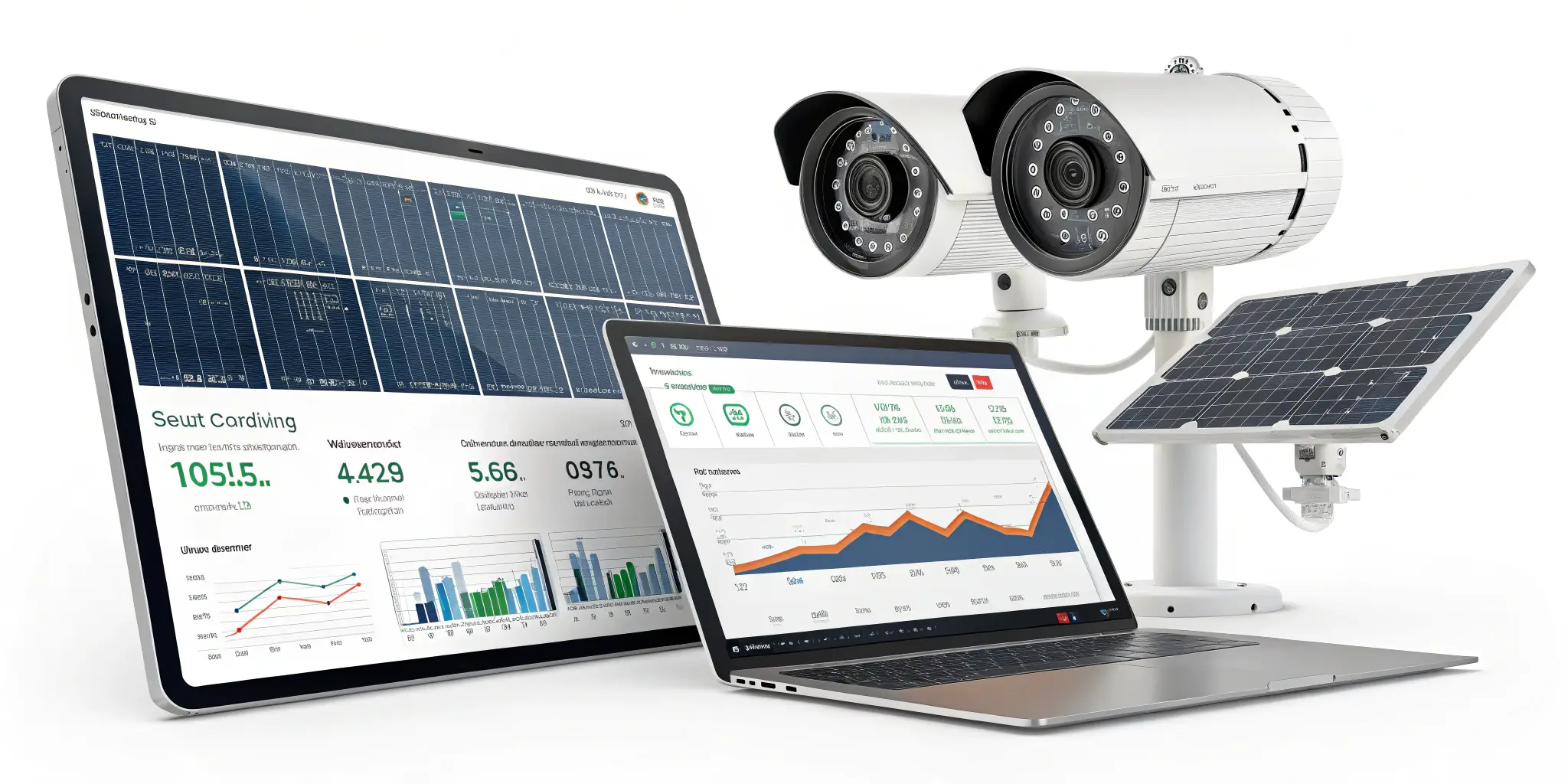
To understand the true value of solar monitoring, let’s explore the key factors that influence ROI and how they translate into financial benefits.
What Factors Influence the ROI of Solar Monitoring Systems?
Several factors determine how quickly a solar monitoring system1 pays for itself.
The ROI of solar monitoring depends on energy efficiency2, system optimization, maintenance savings3, and reductions in downtime and inefficiency.

Dive Deeper: Key ROI Influencers
| Factor | Impact on ROI |
|---|---|
| System Efficiency | Higher efficiency = Faster ROI |
| Energy Savings | More solar power utilization = Greater savings |
| Maintenance Reduction | Fewer failures = Lower repair costs |
| Real-Time Data Insights | Faster issue detection = Less downtime |
| Initial Investment | Higher cost requires longer payback period |
Optimizing these factors ensures a higher and faster return on investment.
How Do Solar Monitoring Systems Enhance Energy Efficiency?
Without monitoring, solar panels may not operate at full efficiency. How does monitoring change that?
Solar monitoring systems track performance, detect inefficiencies, and optimize solar energy usage, increasing efficiency by 10% to 30%.

Dive Deeper: How Monitoring Boosts Efficiency
- Detects Underperformance – Identifies faulty panels, dirt buildup, or shading issues in real time.
- Optimizes Energy Usage – Adjusts battery charging and grid feed-in for maximum efficiency.
- Reduces Energy Waste – Prevents overcharging and unnecessary power losses.
| Efficiency Factor | Without Monitoring | With Monitoring |
|---|---|---|
| Energy Loss Due to Faults | High | Low |
| Power Output Consistency | Variable | Optimized |
| Solar Panel Utilization | 70%-85% | 90%-98% |
By improving efficiency, solar monitoring ensures every unit of sunlight is effectively converted into usable energy.
What Are the Financial Benefits of Implementing Solar Monitoring?
Beyond energy efficiency, solar monitoring systems provide several financial benefits.
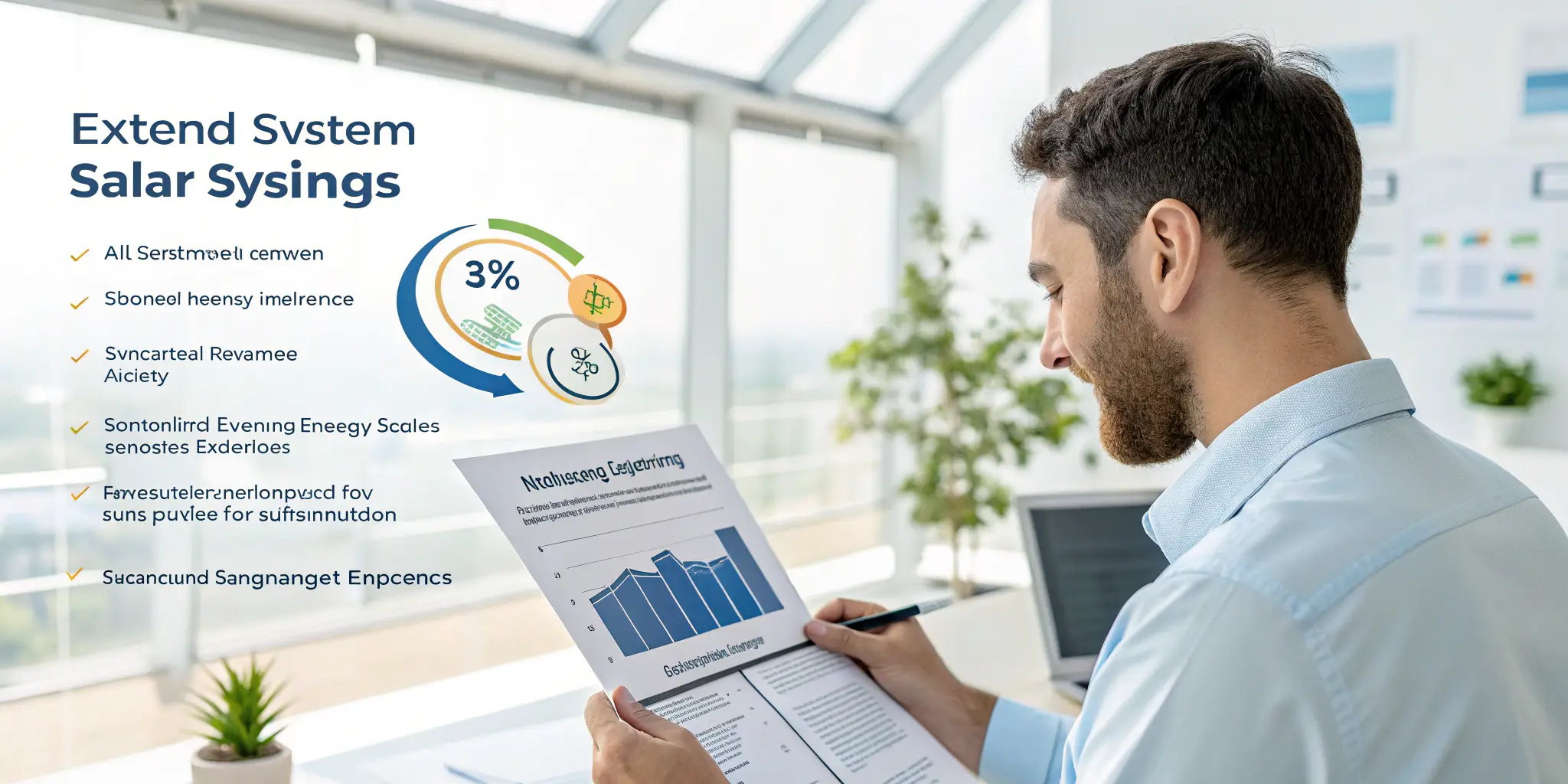
Solar monitoring reduces energy costs4, extends system lifespan5, and minimizes maintenance expenses, leading to significant financial savings.
Dive Deeper: Cost Savings Breakdown
| Benefit | Annual Savings ($) | Long-Term Impact |
|---|---|---|
| Lower Energy Costs | $500 – $5,000 | Reduced reliance on grid power |
| Fewer Repairs | $300 – $1,500 | Less spending on maintenance |
| Extended Panel Life | $1,000+ | Delays expensive replacements |
| Reduced Downtime | $1,000+ | More consistent solar output |
The more effectively a system is monitored, the greater the long-term financial returns.
How Can Real-Time Data from Monitoring Systems Improve Solar Panel Performance?
Solar monitoring systems provide real-time data6. But how does that lead to better performance?
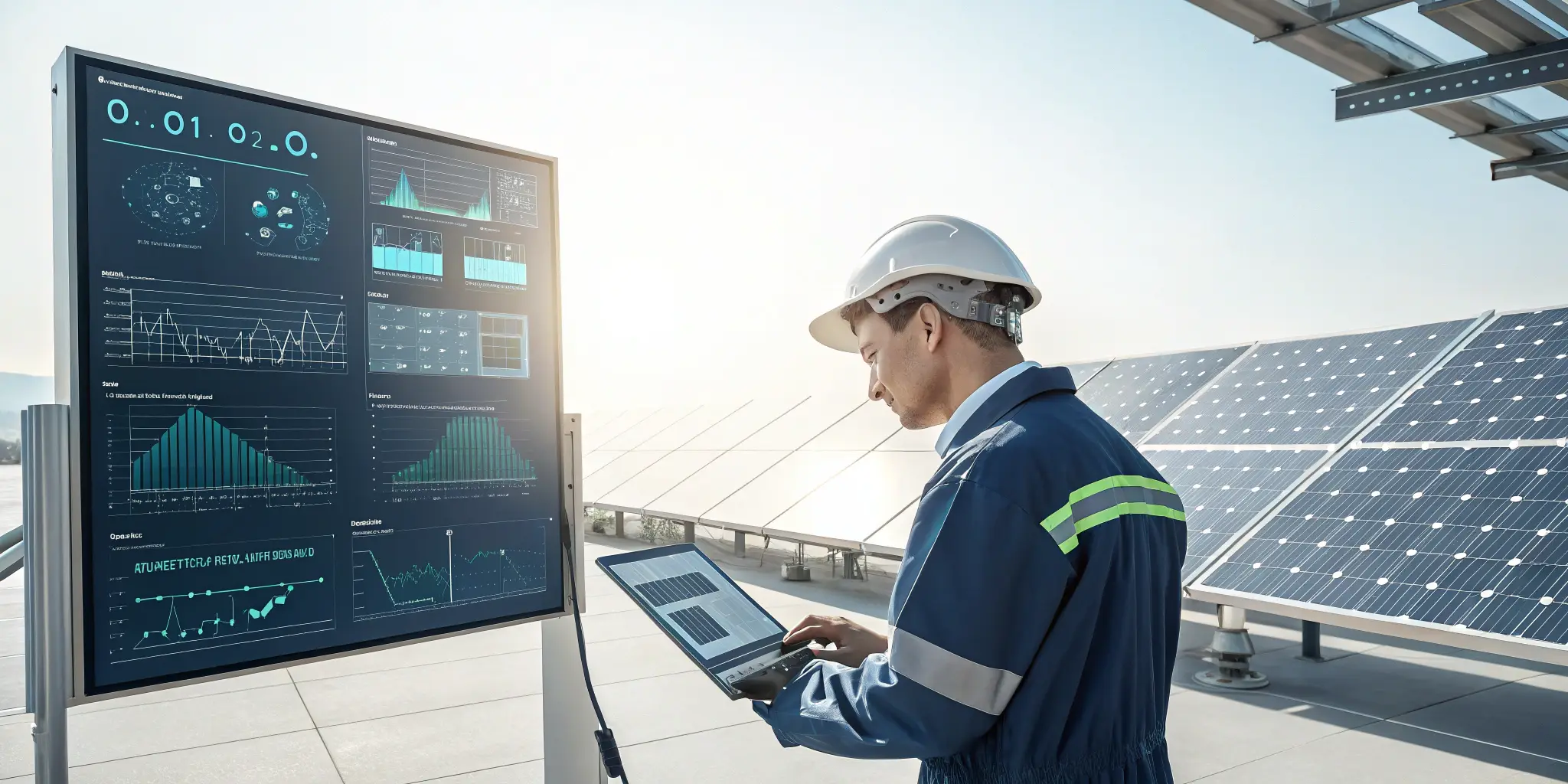
Real-time data allows for immediate detection of performance drops7, enabling faster troubleshooting and higher long-term energy output.
Dive Deeper: The Role of Real-Time Data
- Instant Alerts on Failures – Quickly identifies defective panels or inverters.
- Performance Tracking Over Time – Helps predict when maintenance is needed.
- Comparative Analysis – Identifies low-performing areas to optimize system placement.
| Data Type | Benefit |
|---|---|
| Energy Output | Detects inefficiencies |
| Temperature Readings | Prevents overheating |
| Battery Charge Levels | Extends battery lifespan |
Having immediate insights leads to proactive maintenance8, reducing downtime and increasing solar panel longevity.
What Is the Payback Period for Investing in Solar Monitoring Technology?
How long does it take to recover the cost of a solar monitoring system?
The payback period9 for a solar monitoring system typically ranges from 1 to 5 years, depending on system size and cost savings.
Dive Deeper: Calculating the Payback Period
[
\text{Payback Period} = \frac{\text{Initial Investment}}{\text{Annual Savings}}
]
Example Calculation:
- Initial Cost: $5,000
- Annual Savings (Energy + Maintenance + Performance Gains): $2,000
[
\frac{5,000}{2,000} = 2.5 \text{ years}
]
| Initial Investment | Annual Savings | Payback Period |
|---|---|---|
| $3,000 | $1,500 | 2 years |
| $5,000 | $2,000 | 2.5 years |
| $7,000 | $3,000 | 2.3 years |
Once the system pays for itself, all future savings contribute directly to increased profitability.
Conclusion
Solar monitoring systems enhance efficiency, reduce maintenance costs, and increase energy output, leading to significant cost savings. With an ROI of 1 to 5 years, they are a crucial investment for maximizing the performance and profitability of solar energy systems.
-
Understanding solar monitoring systems can help you maximize your investment and efficiency in solar energy. ↩
-
Exploring energy efficiency can reveal strategies to enhance your solar system's performance and ROI. ↩
-
Learning about maintenance savings can help you reduce costs and improve the longevity of your solar investment. ↩
-
Learn about the specific ways solar monitoring can help lower your energy bills significantly over time. ↩
-
Discover how effective monitoring can extend the life of your solar panels, saving you money on replacements. ↩
-
Explore how real-time data can enhance solar panel efficiency and maintenance, leading to better energy output. ↩
-
Understanding the causes of performance drops can help in implementing effective solutions for solar panel optimization. ↩
-
Learn about the advantages of proactive maintenance in extending the lifespan and efficiency of solar panels. ↩
-
Understanding the payback period helps in evaluating the financial viability of solar investments. Explore this link for detailed insights. ↩
